The Iran Hostage Crisis, which unfolded between November 4, 1979, and January 20, 1981, marked a pivotal moment in both American and Iranian history. It began when a group of Iranian students stormed the U.S. Embassy in Tehran, taking 52 American diplomats and citizens hostage.
This act was fueled by a complex mix of anti-American sentiment, stemming from the U.S.’s support of the Shah of Iran, Mohammad Reza Pahlavi, who had been overthrown during the Iranian Revolution. The students demanded the extradition of the Shah, who was receiving medical treatment in the United States, to stand trial for his alleged crimes against the Iranian people.
As the days turned into months, the hostage situation became a focal point of international attention. The crisis was characterized by a series of failed rescue attempts, most notably Operation Eagle Claw, which ended in tragedy and embarrassment for the U.S. military.
The hostages endured a harrowing experience, facing psychological and physical challenges while their plight was broadcasted around the world. The crisis ultimately lasted 444 days, culminating in the hostages’ release on the day of President Ronald Reagan’s inauguration. This event not only reshaped U.S.-Iran relations but also had lasting implications for American foreign policy and domestic politics.
Key Takeaways
- The Iran Hostage Crisis significantly strained US-Iran relations and reshaped diplomatic interactions for decades.
- The crisis had profound economic repercussions, affecting both Iran’s economy and the US financial markets.
- Hostages experienced severe psychological trauma, highlighting the human cost of international conflicts.
- Media coverage played a crucial role in shaping public opinion and political responses during the crisis.
- The event influenced the rise of Islamic extremism and led to lasting changes in US foreign policy strategies.
The Political Fallout of the Hostage Crisis
The political ramifications of the Iran Hostage Crisis were profound and far-reaching. Domestically, it severely impacted President Jimmy Carter’s administration, contributing to his defeat in the 1980 presidential election. The inability to resolve the crisis effectively painted Carter as weak and indecisive in the eyes of many Americans.
His administration’s struggles to negotiate the hostages’ release were perceived as a failure of leadership, leading to a significant decline in public confidence. The crisis became a central theme in the election campaign, with Ronald Reagan capitalizing on Carter’s perceived inadequacies and promising a stronger stance against Iran. Internationally, the hostage crisis altered perceptions of American power and influence.
The United States, once seen as an unassailable superpower, appeared vulnerable and ineffectual in the face of a determined adversary. This shift in perception had lasting effects on U.S. foreign policy, prompting a reevaluation of how America engaged with countries in the Middle East.
The crisis underscored the importance of understanding local dynamics and sentiments, leading to a more cautious approach in subsequent diplomatic endeavors.
The Economic Impact on Iran and the United States

The economic consequences of the Iran Hostage Crisis were significant for both nations involved. For Iran, the crisis exacerbated an already fragile economy that was struggling under the weight of revolution and political upheaval. The seizure of U.S. assets and the imposition of economic sanctions by the United States further crippled Iran’s economy. These sanctions restricted access to international markets and financial systems, leading to inflation and shortages of essential goods. The economic turmoil fueled discontent among the Iranian populace, contributing to internal strife and dissatisfaction with the new regime. Conversely, the United States also faced economic repercussions as a result of the crisis. The oil embargo imposed by OPEC nations in response to U.S. support for Israel during the Yom Kippur War had already strained the American economy. The hostage crisis compounded these issues, leading to rising oil prices and inflation that affected American consumers. The economic instability contributed to a sense of malaise in the U.S., which was further exacerbated by high unemployment rates and stagnant growth during this period. The crisis highlighted how interconnected global economies could be affected by political events, leading to a reevaluation of economic policies and foreign relations.
The Psychological Effects on the Hostages
| Psychological Effect | Description | Common Symptoms | Duration | Possible Interventions |
|---|---|---|---|---|
| Post-Traumatic Stress Disorder (PTSD) | Long-lasting anxiety and flashbacks triggered by the traumatic hostage experience. | Nightmares, hypervigilance, avoidance, intrusive memories | Months to years | Cognitive Behavioral Therapy (CBT), EMDR, medication |
| Acute Stress Reaction | Immediate psychological response to trauma, often intense but short-lived. | Confusion, emotional numbness, anxiety, dissociation | Hours to days | Psychological first aid, supportive counseling |
| Depression | Feelings of sadness, hopelessness, and loss of interest following captivity. | Low mood, fatigue, sleep disturbances, loss of appetite | Weeks to months | Psychotherapy, antidepressants, social support |
| Stockholm Syndrome | Emotional bonding with captors as a survival strategy. | Positive feelings toward captors, distrust of authorities | Variable | Psychotherapy, debriefing, education |
| Anxiety Disorders | Persistent worry and fear related to the hostage experience. | Panic attacks, generalized anxiety, phobias | Variable | CBT, relaxation techniques, medication |
| Survivor’s Guilt | Feelings of guilt for surviving when others did not. | Self-blame, depression, withdrawal | Variable | Psychotherapy, group support |
The psychological toll on the hostages during their captivity was profound and long-lasting. Many hostages experienced severe anxiety, depression, and post-traumatic stress disorder (PTSD) as a result of their ordeal. They were subjected to isolation, threats, and uncertainty about their fate, which took a significant toll on their mental health.
Some hostages reported feeling a sense of helplessness and despair as they were held captive for months on end, often without any clear communication about their situation or potential release. Upon their release, many hostages struggled to reintegrate into society. The psychological scars left by their experience manifested in various ways, including difficulties in personal relationships and challenges in returning to normalcy.
Some hostages found it hard to discuss their experiences or sought therapy to cope with their trauma. The long-term effects of their captivity served as a reminder of the human cost associated with political conflicts and highlighted the need for better support systems for individuals affected by such crises.
The Role of Media in Shaping Public Opinion
The media played a crucial role in shaping public perception during the Iran Hostage Crisis.
This relentless media attention created a sense of urgency and empathy among the American public, who followed every development closely.
The images of blindfolded hostages being paraded before cameras became iconic symbols of American vulnerability and ignited outrage across the nation. However, media coverage also had its drawbacks. The sensationalism surrounding the crisis sometimes overshadowed nuanced discussions about U.S.-Iran relations and the complexities of Iranian politics.
As journalists sought to capture dramatic moments for ratings, they often simplified intricate issues into digestible narratives that could lead to misinterpretations or oversimplifications of events. This dynamic contributed to an environment where public opinion was heavily influenced by media portrayals rather than informed analysis.
The Long-term Diplomatic Consequences
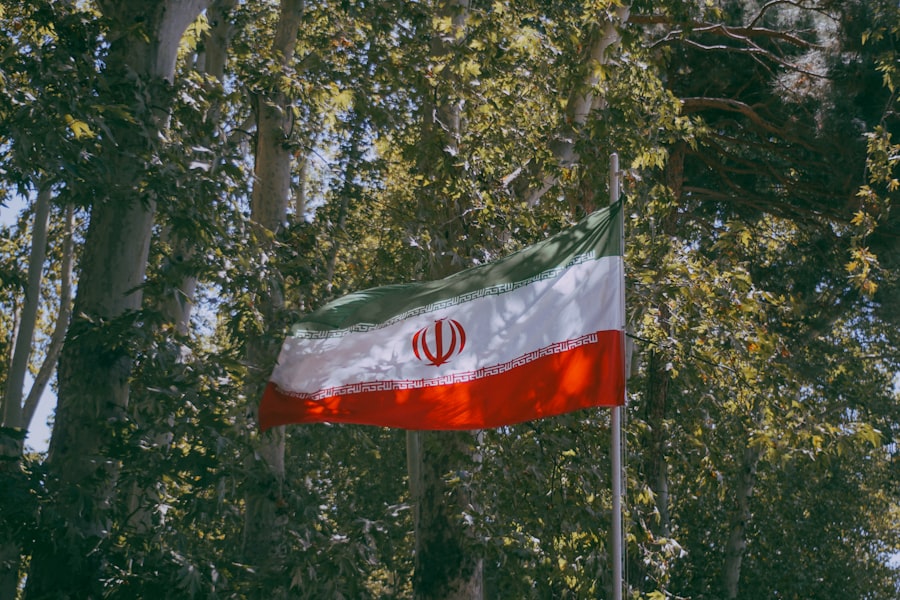
The Iran Hostage Crisis had lasting diplomatic consequences that reverberated through international relations for decades. In its aftermath, diplomatic ties between Iran and the United States were severed, leading to an enduring state of hostility that has characterized their relationship ever since. The crisis set a precedent for how future administrations would approach negotiations with Iran, often prioritizing security concerns over diplomatic engagement.
Moreover, the crisis influenced U.S. foreign policy in the Middle East more broadly. It prompted a shift towards supporting authoritarian regimes that were perceived as stable allies against potential threats from revolutionary movements or extremist groups.
This approach often led to complex entanglements in regional conflicts and contributed to ongoing tensions that persist today. The legacy of mistrust established during this period continues to shape diplomatic interactions between Iran and other nations.
The Impact on US-Iran Relations
The impact of the Iran Hostage Crisis on U.S.-Iran relations cannot be overstated. It marked a definitive turning point that solidified animosity between the two nations for generations to come. Following the crisis, diplomatic relations were effectively frozen, with both countries viewing each other through a lens of suspicion and hostility.
This estrangement has influenced subsequent interactions, with each side often resorting to rhetoric that reflects deep-seated grievances. In addition to severing diplomatic ties, the hostage crisis also led to a series of sanctions imposed by the United States against Iran that have persisted over time. These sanctions have been justified on various grounds, including human rights violations and nuclear proliferation concerns but are rooted in the historical context established by the hostage crisis.
As a result, U.S.-Iran relations have remained fraught with tension, complicating efforts for dialogue or reconciliation.
The Legacy of the Hostage Crisis in Iranian Politics
In Iran, the legacy of the hostage crisis has been deeply intertwined with national identity and political discourse. The event is often invoked by Iranian leaders as a symbol of resistance against foreign intervention and imperialism. It has been used to rally support for various political agendas and justify actions taken against perceived external threats.
The narrative surrounding the hostage crisis has become part of Iran’s revolutionary ethos, reinforcing anti-Western sentiment among segments of its population. Moreover, domestic politics in Iran have been shaped by this historical event as well. Political factions often leverage memories of the hostage crisis to bolster their positions or criticize opponents.
For instance, hardline elements within Iran frequently invoke this period to argue against any form of rapprochement with Western powers, framing such efforts as betrayals of national sovereignty. Consequently, the hostage crisis remains a potent symbol within Iranian political culture that continues to influence contemporary debates.
The Influence on US Foreign Policy
The Iran Hostage Crisis significantly influenced U.S. foreign policy decisions in subsequent years. In its aftermath, American policymakers adopted a more cautious approach towards engagement with countries in the Middle East, particularly those with anti-American sentiments or revolutionary movements.
This shift led to an increased emphasis on military solutions over diplomatic negotiations in certain contexts. Additionally, lessons learned from the hostage crisis prompted changes in how intelligence operations were conducted abroad. There was a renewed focus on understanding local dynamics and building relationships with key stakeholders before crises erupted.
This shift aimed to prevent similar situations from occurring in the future by fostering better communication channels and enhancing situational awareness regarding potential threats.
The Hostage Crisis and the Rise of Islamic Extremism
The Iran Hostage Crisis also played a role in shaping perceptions around Islamic extremism both within Iran and globally. In Iran, it solidified support for hardline factions that viewed Western influence as a direct threat to Islamic values and sovereignty. This environment contributed to an increase in radicalization among certain segments of society who felt that violent resistance was necessary to combat perceived imperialism.
Globally, the hostage crisis served as a catalyst for broader discussions about Islamic extremism and terrorism in relation to U.S.-Middle East relations. It highlighted how grievances stemming from foreign intervention could fuel radical ideologies and movements that sought to challenge Western dominance. As such, it became part of a larger narrative that framed conflicts involving Islamic groups as existential struggles against Western powers.
The Lessons Learned from the Iran Hostage Crisis
The Iran Hostage Crisis offers several critical lessons for both policymakers and scholars alike regarding international relations and conflict resolution. One key takeaway is the importance of understanding cultural contexts when engaging with foreign nations; misinterpretations can lead to escalated tensions or conflicts that could have been avoided through better communication. Another lesson revolves around crisis management strategies; effective negotiation requires patience and adaptability rather than reliance solely on military solutions or coercive tactics.
Additionally, it underscores how domestic politics can influence foreign policy decisions—understanding public sentiment is crucial when navigating complex international landscapes. Ultimately, while much time has passed since those harrowing days in Tehran, reflections on this significant event continue to resonate today as nations grapple with similar challenges across an increasingly interconnected world.
The legacy of the Iran Hostage Crisis continues to shape U.S.-Iran relations and has had lasting implications for American foreign policy. For a deeper understanding of the ongoing effects of this pivotal event, you can read more in the article available at In the War Room. This resource provides insights into how the crisis has influenced contemporary geopolitical dynamics and the perception of Iran in American politics.
WATCH THIS! The Disaster That Saved Them: How Eagle Claw’s Failure Freed the Hostages
FAQs
What was the Iran Hostage Crisis?
The Iran Hostage Crisis was a diplomatic standoff between the United States and Iran from November 4, 1979, to January 20, 1981, during which 52 American diplomats and citizens were held hostage at the U.S. Embassy in Tehran by Iranian militants.
What caused the Iran Hostage Crisis?
The crisis was triggered by the U.S. decision to admit the deposed Shah of Iran, Mohammad Reza Pahlavi, for medical treatment. This angered Iranian revolutionaries who opposed the Shah and led to the seizure of the U.S. Embassy.
How long did the hostages remain captive?
The American hostages were held for 444 days, from November 4, 1979, until their release on January 20, 1981.
What was the impact of the crisis on U.S.-Iran relations?
The crisis led to a complete breakdown of diplomatic relations between the United States and Iran, which remain strained to this day. It also resulted in economic sanctions and a long-lasting mistrust between the two countries.
How did the Iran Hostage Crisis affect U.S. domestic politics?
The crisis significantly impacted U.S. politics, contributing to the defeat of President Jimmy Carter in the 1980 presidential election and influencing American public opinion on foreign policy and national security.
Were there any rescue attempts during the crisis?
Yes, the U.S. launched a failed rescue mission called Operation Eagle Claw in April 1980, which ended in a helicopter crash and the deaths of eight American servicemen.
What was the legacy of the Iran Hostage Crisis?
The crisis left a lasting legacy of mistrust between the U.S. and Iran, influenced U.S. foreign policy in the Middle East, and became a symbol of American vulnerability and the complexities of international diplomacy.