Mexico’s economy occupies a significant position in the global marketplace, functioning as a crucial link between North and South America. The country’s economic structure is determined by several key elements: its cultural resources, natural wealth, and strategic geographic position. Mexico has undergone substantial economic changes throughout its history, driven by internal policy decisions and international trade relationships.
These transformations have directly affected multiple economic sectors, including manufacturing and tourism, influencing the economic circumstances of millions of residents. In the context of global economic integration, Mexico faces important decisions regarding its economic direction. Trade agreements such as NAFTA and USMCA have created both challenges and opportunities, while historical economic difficulties persist.
The COVID-19 pandemic has exposed structural weaknesses in the Mexican economy while simultaneously demonstrating areas of strength and adaptability. A thorough analysis of Mexico’s economic situation requires examination of three interconnected elements: the historical factors that shaped current conditions, the pressing challenges the country currently faces, and the potential pathways for future economic development.
Key Takeaways
- Mexico’s economy has been shaped by historical challenges and trade agreements like NAFTA and USMCA.
- The COVID-19 pandemic significantly disrupted economic activities, highlighting vulnerabilities.
- Remittances play a crucial role in supporting Mexico’s economy and households.
- Manufacturing and tourism sectors present both challenges and growth opportunities.
- Government policies and sustainability efforts are key to Mexico’s future economic recovery and development.
Historical Context of Mexico’s Economic Challenges
To fully grasp the current economic situation in Mexico, one must delve into its historical context. The country has faced numerous economic challenges over the decades, including periods of hyperinflation, debt crises, and structural adjustments. The 1980s marked a particularly tumultuous time, as Mexico grappled with a severe debt crisis that led to widespread poverty and unemployment.
This era forced the government to implement drastic economic reforms aimed at stabilizing the economy, which included privatization of state-owned enterprises and liberalization of trade. The aftermath of these reforms was mixed. While some sectors experienced growth, many Mexicans continued to face economic hardships.
The 1994 North American Free Trade Agreement (NAFTA) was introduced as a means to stimulate growth through increased trade with the United States and Canada. However, the agreement also sparked debates about its impact on local industries and agriculture, leading to significant social and economic disparities. These historical challenges have laid the groundwork for understanding the complexities of Mexico’s current economic landscape. Watch the heartbreaking moment of Mexico’s loss in the final seconds of the game.
The Role of NAFTA and USMCA in Mexico’s Economy

The North American Free Trade Agreement (NAFTA), implemented in 1994, was a pivotal moment for Mexico’s economy. By eliminating tariffs on goods traded between Mexico, the United States, and Canada, NAFTA aimed to enhance economic cooperation and stimulate growth. For Mexico, this meant an influx of foreign investment, particularly in manufacturing sectors such as automotive and electronics.
S.-Mexico border, creating jobs and boosting local economies. However, NAFTA was not without its critics. Many argued that it led to job losses in certain sectors, particularly agriculture, as Mexican farmers struggled to compete with subsidized U.S.
agricultural products. The agreement also highlighted existing inequalities within Mexico, as benefits were often concentrated in urban areas while rural communities faced decline. In response to these concerns, the United States-Mexico-Canada Agreement (USMCA) was negotiated and implemented in 2020, aiming to address some of the shortcomings of NAFTA while continuing to promote trade.
The USMCA introduced new labor standards and environmental protections, reflecting a shift towards more sustainable economic practices.
Impact of COVID-19 on Mexico’s Economy
The COVID-19 pandemic has had a profound impact on economies worldwide, and Mexico is no exception. As lockdowns were implemented to curb the spread of the virus, many businesses faced unprecedented challenges. The tourism sector, a vital component of Mexico’s economy, was particularly hard hit, with travel restrictions leading to a dramatic decline in visitors.
This downturn not only affected hotels and restaurants but also had ripple effects on local economies that depend on tourism-related activities. In addition to tourism, other sectors such as manufacturing and retail also experienced significant disruptions. Supply chain interruptions and reduced consumer demand resulted in job losses and business closures across the country.
The Mexican government responded with various stimulus measures aimed at supporting businesses and individuals affected by the pandemic. However, these efforts were often limited by existing fiscal constraints and highlighted the need for more robust social safety nets. As Mexico begins to recover from the pandemic’s effects, it faces the challenge of rebuilding its economy while addressing the vulnerabilities that were exposed during this crisis.
The Importance of Remittances in Mexico’s Economy
| Metric | Value | Year | Notes |
|---|---|---|---|
| GDP Growth Rate | 2.1% | 2023 | Post-pandemic recovery phase |
| Foreign Direct Investment (FDI) | 35 billion | 2023 | Increased due to manufacturing and trade agreements |
| Unemployment Rate | 3.9% | 2023 | Improved labor market conditions |
| Inflation Rate | 5.8% | 2023 | Higher than target due to global supply chain issues |
| Remittances Received | 60 billion | 2023 | Record high, supporting domestic consumption |
| Manufacturing Export Growth | 4.5% | 2023 | Driven by automotive and electronics sectors |
Remittances play a crucial role in Mexico’s economy, serving as a lifeline for millions of families across the country. These funds, sent home by Mexicans living abroad—primarily in the United States—have become one of the largest sources of foreign income for Mexico. In recent years, remittances have consistently outpaced foreign direct investment and tourism revenues, underscoring their significance in supporting household consumption and poverty alleviation.
The impact of remittances extends beyond individual families; they contribute significantly to local economies by increasing spending power and stimulating demand for goods and services. During times of economic hardship, such as during the COVID-19 pandemic, remittances have proven to be a stabilizing force for many communities. However, reliance on remittances also raises questions about long-term economic sustainability and development strategies.
While they provide immediate financial relief, there is a need for policies that promote job creation and economic diversification to reduce dependency on external sources of income.
Challenges and Opportunities in Mexico’s Manufacturing Sector
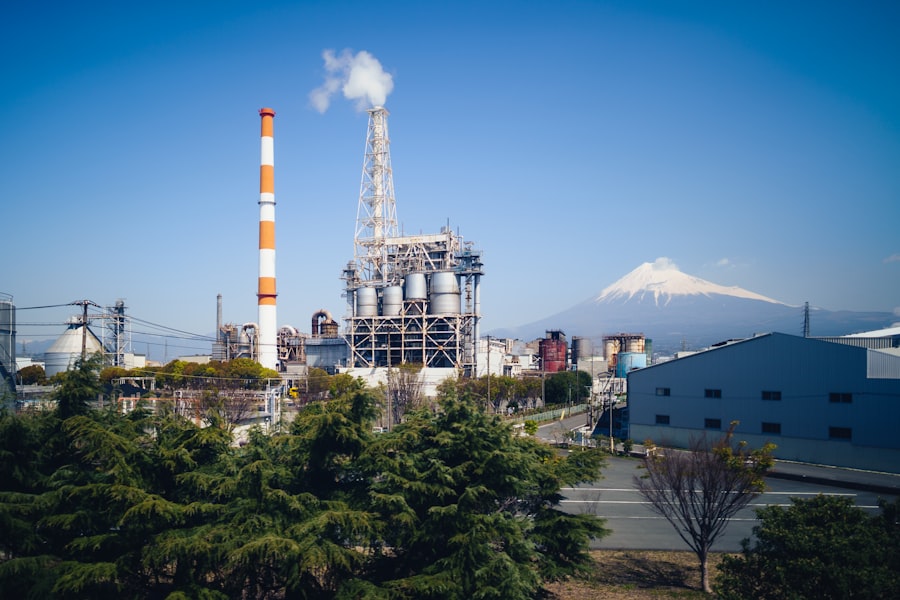
Mexico’s manufacturing sector has long been a cornerstone of its economy, driven by both domestic production and export-oriented activities. The country’s proximity to the United States has made it an attractive destination for foreign investment, particularly in industries such as automotive manufacturing and electronics assembly. However, this sector faces several challenges that could hinder its growth potential.
One significant challenge is the need for technological advancement and innovation within manufacturing processes. As global competition intensifies, Mexican manufacturers must adapt to new technologies and improve productivity to remain competitive. Additionally, labor issues such as wage disparities and working conditions have come under scrutiny, prompting calls for reforms that ensure fair treatment for workers while enhancing productivity.
On the other hand, opportunities abound in areas such as sustainable manufacturing practices and green technologies. As global demand shifts towards environmentally friendly products, Mexico has the potential to position itself as a leader in sustainable manufacturing solutions.
The Role of Tourism in Mexico’s Economy
Tourism is one of the most vital sectors in Mexico’s economy, contributing significantly to employment and GDP. With its rich cultural heritage, stunning landscapes, and diverse attractions ranging from ancient ruins to vibrant cities, Mexico has long been a favored destination for travelers from around the world. The tourism industry not only generates revenue but also supports millions of jobs across various sectors including hospitality, transportation, and entertainment.
However, the COVID-19 pandemic has exposed vulnerabilities within this sector. Travel restrictions led to a sharp decline in tourist arrivals, resulting in widespread job losses and business closures. As Mexico seeks to recover from this downturn, there is an opportunity to rethink tourism strategies by promoting sustainable practices that benefit local communities while preserving natural resources.
Emphasizing eco-tourism and cultural experiences can attract a new wave of travelers who prioritize responsible travel choices.
Environmental and Sustainability Challenges for Mexico’s Economy
As Mexico continues to develop economically, it faces pressing environmental challenges that threaten its natural resources and long-term sustainability. Issues such as deforestation, water scarcity, pollution, and climate change pose significant risks not only to ecosystems but also to human health and livelihoods. The country’s reliance on fossil fuels for energy generation further exacerbates these challenges.
Addressing these environmental issues requires a multifaceted approach that integrates sustainability into economic planning and development strategies. Transitioning towards renewable energy sources can reduce dependence on fossil fuels while creating new job opportunities in green industries. Additionally, promoting sustainable agricultural practices can help protect biodiversity while ensuring food security for future generations.
By prioritizing environmental sustainability alongside economic growth, Mexico can pave the way for a more resilient future.
The Role of Government Policies in Mexico’s Economic Development
Government policies play a crucial role in shaping Mexico’s economic landscape. Over the years, various administrations have implemented policies aimed at fostering growth, attracting foreign investment, and addressing social inequalities. However, challenges remain in ensuring that these policies are effectively executed and reach those who need them most.
One area where government intervention is particularly important is in education and workforce development. Investing in education can equip future generations with the skills needed to thrive in an increasingly competitive global economy. Additionally, policies that promote entrepreneurship and support small businesses can drive innovation and job creation at the local level.
As Mexico navigates its economic recovery post-pandemic, effective governance will be essential in addressing existing disparities while fostering inclusive growth.
The Future of Mexico’s Economy: Opportunities and Threats
Looking ahead, Mexico’s economy faces both opportunities and threats that will shape its trajectory in the coming years. On one hand, there is potential for growth through increased trade partnerships beyond North America, particularly with countries in Asia and Europe. Diversifying trade relationships can reduce dependency on any single market while opening new avenues for investment.
Conversely, threats such as political instability, corruption, and social unrest pose significant risks to economic stability. Addressing these issues will require concerted efforts from both government officials and civil society to promote transparency and accountability within institutions. Additionally, external factors such as global economic fluctuations or shifts in trade policies can impact Mexico’s economic prospects.
The Path Forward for Mexico’s Economic Recovery
In conclusion, Mexico’s economic landscape is characterized by a complex interplay of historical challenges and contemporary opportunities. As the country seeks to recover from the impacts of COVID-19 while addressing long-standing issues such as inequality and environmental sustainability, it must adopt a holistic approach that prioritizes inclusive growth. The path forward will require collaboration among government entities, private sector stakeholders, and civil society organizations to create policies that foster innovation while ensuring social equity.
By leveraging its strengths—such as its strategic location for trade and rich cultural heritage—Mexico can navigate its economic recovery with resilience and adaptability. Ultimately, embracing sustainable practices alongside economic development will be key to securing a prosperous future for all Mexicans.
The lasting economic impact on Mexico has been a topic of significant discussion, particularly in light of recent developments in trade and industry. For a deeper understanding of these dynamics, you can explore the article on this subject at In the War Room, which provides insights into how various factors are shaping Mexico’s economic landscape.
WATCH THIS 🛑 How Mexico’s Loss Became America’s $11 Trillion Engine
FAQs
What are the main factors contributing to Mexico’s lasting economic impact?
Mexico’s lasting economic impact is influenced by factors such as its strategic geographic location, trade agreements like NAFTA/USMCA, a large and young labor force, natural resources, and a growing manufacturing sector.
How has trade affected Mexico’s economy over time?
Trade has played a crucial role in Mexico’s economy, especially through agreements like NAFTA (now USMCA), which have increased exports, attracted foreign investment, and integrated Mexico into global supply chains, particularly in automotive and electronics industries.
What role does manufacturing play in Mexico’s economic impact?
Manufacturing is a key driver of Mexico’s economy, contributing significantly to GDP and employment. The country is a major exporter of automobiles, electronics, and machinery, benefiting from competitive labor costs and proximity to the U.S. market.
How does Mexico’s natural resource wealth influence its economy?
Mexico’s natural resources, including oil, minerals, and agricultural products, have historically contributed to government revenues and exports. However, fluctuations in commodity prices can impact economic stability.
What challenges does Mexico face that affect its economic impact?
Challenges include income inequality, corruption, security concerns, infrastructure gaps, and dependence on the U.S. economy. These factors can limit sustainable economic growth and development.
How has foreign investment shaped Mexico’s economic landscape?
Foreign direct investment (FDI) has been vital in modernizing industries, creating jobs, and boosting exports. Mexico’s open economy and trade agreements have attracted multinational corporations, especially in manufacturing and services.
What is the significance of Mexico’s labor force in its economic impact?
Mexico’s large, young, and increasingly skilled labor force supports industrial growth and competitiveness. Labor costs are relatively low compared to developed countries, attracting manufacturing and service industries.
How does Mexico’s economic impact affect the broader Latin American region?
As one of the largest economies in Latin America, Mexico influences regional trade, investment flows, and economic policies. Its integration with global markets serves as a model for economic development in the region.
What sectors are expected to drive Mexico’s future economic growth?
Key sectors include manufacturing, automotive, aerospace, information technology, renewable energy, and tourism. Innovation and diversification are expected to enhance Mexico’s economic resilience.
How has Mexico’s economic relationship with the United States shaped its economy?
The U.S. is Mexico’s largest trading partner, and their economic relationship has fostered cross-border supply chains, investment, and labor mobility. This interdependence significantly shapes Mexico’s economic policies and growth prospects.