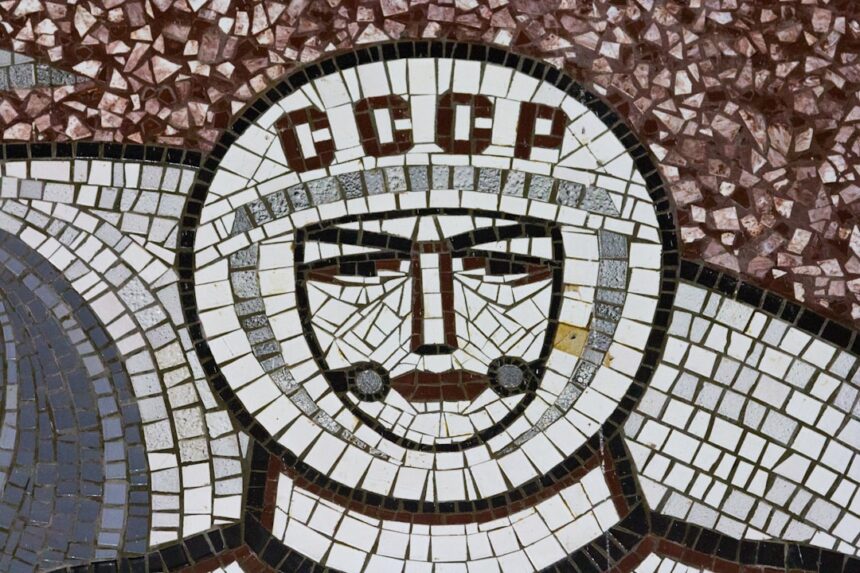
The Soviet Union, a colossal entity that emerged from the ashes of the Russian Empire after the 1917 Revolution, was a beacon of communist ideology and a formidable player on the global stage. Founded in 1922, it united multiple republics under a single banner, promoting the idea of a classless society. The early years were marked by rapid industrialization and collectivization, which transformed the agrarian landscape into an industrial powerhouse.
Under leaders like Joseph Stalin, the USSR expanded its influence, particularly during and after World War II, when it emerged as one of the two superpowers in a bipolar world. The Soviet Union’s military might and ideological fervor positioned it as a counterbalance to Western capitalism, leading to decades of geopolitical tension known as the Cold War. However, the very foundations that supported the Soviet Union began to erode over time.
By the late 1980s, the once-mighty state faced insurmountable challenges that would ultimately lead to its dissolution in 1991. The rigid political structure, economic stagnation, and growing discontent among its diverse population contributed to a decline that seemed inevitable. The fall of the Berlin Wall in 1989 symbolized not just the collapse of communist regimes in Eastern Europe but also foreshadowed the unraveling of the Soviet Union itself.
As nationalist sentiments surged and calls for reform intensified, the once-unified state began to fracture, setting the stage for a dramatic transformation in global politics.
Key Takeaways
- The Soviet Union faced economic and political challenges in the 1980s, leading to its eventual collapse.
- Gorbachev’s reforms and the era of glasnost played a significant role in the downfall of the Eastern Bloc and the USSR.
- Nationalist movements and ethnic tensions further weakened the Soviet Union, contributing to its dissolution.
- The August Coup marked the end of communist rule in the Soviet Union.
- The legacy of the USSR continues to impact post-Soviet states, with the Cold War and the role of Western powers playing a significant role in its decline.
Economic and Political Challenges in the 1980s
The 1980s were a tumultuous decade for the Soviet Union, characterized by profound economic and political challenges that would ultimately contribute to its downfall. The centrally planned economy, which had initially spurred rapid growth, began to show signs of severe inefficiency. Agricultural production lagged behind demand, leading to food shortages and discontent among citizens.
The heavy emphasis on military spending further strained resources, diverting attention from consumer goods and infrastructure development. As a result, the standard of living for many Soviet citizens declined, leading to widespread frustration and disillusionment with the government. Politically, the atmosphere was equally fraught.
The leadership under Leonid Brezhnev had become increasingly stagnant, with little room for innovation or reform. The lack of political pluralism stifled dissent and fostered an environment of apathy among the populace. By the time Mikhail Gorbachev ascended to power in 1985, it was clear that significant changes were necessary to address both economic malaise and political discontent.
Gorbachev’s vision for a more open and reform-oriented Soviet Union would soon clash with entrenched interests and deep-seated fears of instability, setting off a chain of events that would reshape the nation.
Gorbachev’s Reforms and the Era of Glasnost

Mikhail Gorbachev’s rise to power marked a pivotal moment in Soviet history, as he introduced a series of reforms aimed at revitalizing the stagnant economy and addressing political grievances. His policies of perestroika (restructuring) sought to decentralize economic control and encourage limited market mechanisms within the socialist framework. Gorbachev believed that by allowing some degree of private enterprise and competition, he could stimulate growth and innovation.
However, these reforms were met with resistance from hardliners within the Communist Party who feared that any deviation from orthodox Marxist principles would undermine their authority. In tandem with perestroika, Gorbachev championed glasnost (openness), which aimed to promote transparency and freedom of expression within Soviet society. This policy allowed for greater public discourse on previously taboo subjects, including government corruption and historical grievances.
Citizens began to voice their frustrations more openly, leading to a surge in activism and demands for political reform. While glasnost initially fostered a sense of hope and empowerment among many Soviets, it also unleashed forces that would challenge the very fabric of the state. As public discourse expanded, so too did calls for independence among various republics, further complicating Gorbachev’s efforts to maintain unity within the USSR.
The Collapse of the Eastern Bloc and the Impact on the USSR
| Event | Impact |
|---|---|
| Revolution in Eastern Europe | Led to the collapse of communist governments in countries like Poland, Hungary, East Germany, and Czechoslovakia. |
| End of the Cold War | Marked the end of the ideological and political struggle between the United States and the Soviet Union. |
| Economic Crisis in the USSR | Resulted in widespread shortages of goods and services, leading to public discontent. |
| Breakup of the Soviet Union | Resulted in the independence of 15 new countries, including Russia, Ukraine, and the Baltic states. |
| Impact on Global Politics | Shifted the balance of power and led to the emergence of new geopolitical dynamics. |
The late 1980s witnessed a seismic shift in Eastern Europe as communist regimes began to crumble under mounting pressure from both internal dissent and external influences. The fall of the Berlin Wall in 1989 became a powerful symbol of this transformation, marking not only the end of division in Germany but also signaling the decline of Soviet influence across Eastern Europe. Countries such as Poland, Hungary, and Czechoslovakia experienced waves of protests that led to democratic transitions, emboldening nationalist movements within the Soviet Union itself.
The collapse of these regimes had profound implications for the USSR. As Eastern European nations broke free from Moscow’s grip, it became increasingly clear that Gorbachev’s vision for reform was insufficient to maintain control over the diverse republics within the Soviet Union. The loss of Eastern Bloc allies weakened the USSR’s geopolitical standing and exposed its vulnerabilities.
Nationalist sentiments surged within various republics as they sought greater autonomy or outright independence from Moscow’s rule. This fragmentation not only challenged Gorbachev’s authority but also set off a chain reaction that would ultimately lead to the dissolution of the Soviet Union.
Nationalist Movements and Ethnic Tensions
As Gorbachev’s reforms took hold, nationalist movements began to gain momentum across the Soviet republics. Ethnic tensions that had long been suppressed under Soviet rule resurfaced with vigor as various groups sought recognition and autonomy. In places like the Baltic states—Estonia, Latvia, and Lithuania—calls for independence grew louder, fueled by a desire to reclaim national identity after decades of Soviet domination.
These movements were not limited to the Baltics; regions such as Ukraine, Georgia, and Armenia also experienced surges in nationalist sentiment. The rise of nationalism posed a significant challenge to Gorbachev’s vision for a reformed Soviet Union. While he initially sought to accommodate these aspirations through dialogue and limited concessions, his approach often fell short of addressing deep-rooted grievances.
Ethnic tensions escalated into violent confrontations in some areas, highlighting the fragility of Soviet unity. As republics began to assert their rights and demand greater autonomy, it became increasingly clear that Gorbachev’s attempts at reform were insufficient to quell rising discontent or maintain cohesion within an increasingly fractured state.
The August Coup and the End of Communist Rule
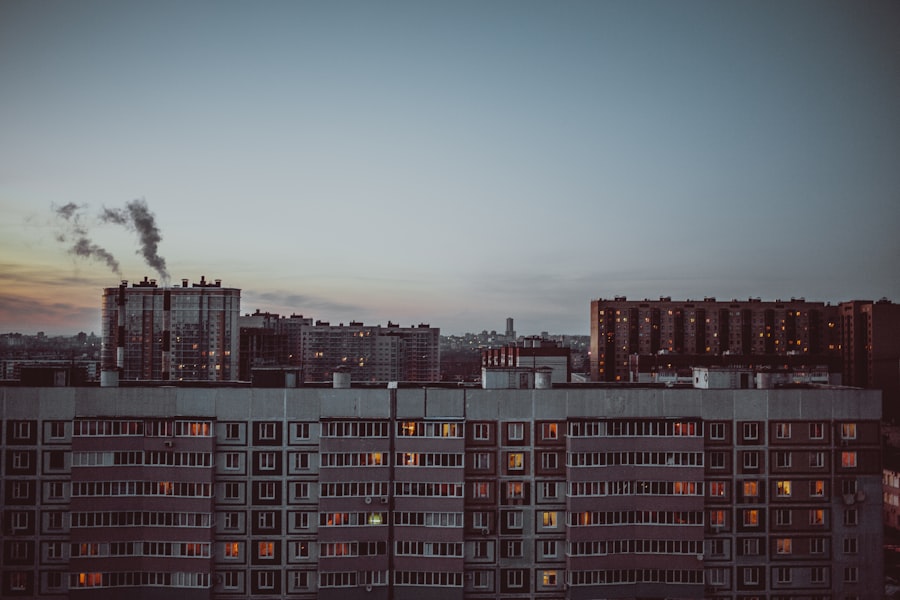
In August 1991, a failed coup attempt by hardline communists marked a critical turning point in Soviet history. As Gorbachev vacationed in Crimea, a group of party officials attempted to seize power in an effort to reverse his reforms and restore traditional communist rule. The coup was met with widespread resistance from ordinary citizens who rallied around Boris Yeltsin, then president of the Russian Republic.
Yeltsin’s defiance became emblematic of a broader rejection of communist authority as he stood atop a tank outside the Russian White House, calling for democracy and reform. The coup ultimately failed within days due to popular opposition and lack of support from key military factions. However, its aftermath accelerated the decline of communist rule across the USSR.
The failed coup exposed deep divisions within the Communist Party and further eroded Gorbachev’s authority. In its wake, Yeltsin emerged as a prominent leader advocating for radical reforms and greater independence for Russia from Soviet control. The events of August 1991 signaled not only the end of Gorbachev’s vision but also set in motion a series of events that would lead to the formal dissolution of the Soviet Union just months later.
The Dissolution of the Soviet Union
On December 26, 1991, the Soviet Union officially ceased to exist as an independent entity, marking one of the most significant geopolitical shifts in modern history. The dissolution was not merely a result of internal strife but also reflected broader global trends toward democratization and market-oriented reforms. Following months of escalating tensions among republics seeking independence, leaders from Russia, Ukraine, and Belarus signed an agreement that effectively dismantled the USSR and established the Commonwealth of Independent States (CIS).
This momentous decision underscored how far removed Gorbachev’s original vision had become from reality. The dissolution brought about profound changes for millions living within former Soviet territories. New nations emerged with their own identities and aspirations while grappling with economic challenges left in the wake of communism’s collapse.
The transition from centrally planned economies to market systems proved tumultuous for many states as they navigated issues such as inflation, unemployment, and social unrest. While some republics embraced reform more successfully than others, all faced significant hurdles in establishing stable governance and fostering economic growth in this new post-Soviet landscape.
The Legacy of the USSR in Post-Soviet States
The legacy of the Soviet Union continues to shape political dynamics across its former republics long after its dissolution. Many nations grapple with issues stemming from decades of centralized control and authoritarian governance.
In countries like Ukraine and Georgia, struggles for democratic governance have been complicated by ongoing tensions with Russia, particularly following events such as Russia’s annexation of Crimea in 2014. Meanwhile, other former republics have experienced varying degrees of stability or turmoil as they attempt to forge their own paths forward while contending with legacies left by Soviet rule—ranging from economic challenges to ethnic divisions that persist today.
The Impact of the Cold War on the Last Years of the USSR
The Cold War cast a long shadow over the final years of the Soviet Union, influencing both domestic policies and international relations. As tensions between East and West escalated throughout much of the 20th century, military spending consumed vast resources that could have been allocated toward social programs or economic development within the USSR itself. This arms race not only strained budgets but also contributed to public discontent as citizens faced shortages in basic goods while witnessing lavish military parades showcasing Soviet might.
Moreover, international pressures exacerbated internal challenges during this period. The United States’ strategic initiatives aimed at containing communism—such as supporting dissident movements or promoting democratic values—further complicated Gorbachev’s efforts at reforming his own system from within. As Eastern European nations began breaking free from Soviet influence during this time frame—culminating in events like Poland’s Solidarity movement—the USSR found itself increasingly isolated on both ideological and geopolitical fronts.
The Role of Western Powers in the Decline of the Soviet Union
Western powers played a significant role in shaping events leading up to the decline of the Soviet Union during its final years. The policies adopted by leaders such as U.S. President Ronald Reagan emphasized confrontation with communism while simultaneously promoting dialogue aimed at reducing nuclear arsenals through treaties like START (Strategic Arms Reduction Talks).
This dual approach put pressure on Soviet leadership while also opening channels for negotiation—ultimately contributing to an environment conducive to reform. Additionally, Western support for dissident movements within Eastern Europe provided crucial momentum for change during this period. By championing democratic ideals and human rights—often through cultural exchanges or financial assistance—Western nations helped empower citizens seeking greater freedoms from oppressive regimes across Eastern Europe and within Soviet borders themselves.
This external influence combined with internal pressures created an atmosphere ripe for transformation that ultimately culminated in significant shifts across both regions.
Lessons Learned from the Last Years of the USSR
The last years of the Soviet Union offer valuable lessons about governance, reform, and societal resilience in times of crisis. One key takeaway is that attempts at top-down reform must be accompanied by genuine engagement with citizens’ needs; without addressing underlying grievances or fostering inclusive dialogue among diverse groups within society—efforts may falter or backfire spectacularly—as seen during Gorbachev’s tenure when glasnost led not only to increased openness but also heightened demands for autonomy among various republics.
Ultimately, understanding these complexities provides insight into contemporary challenges faced by post-Soviet states today as they navigate their own paths forward while grappling with legacies left behind by decades-long authoritarian rule intertwined with broader geopolitical realities shaping our world today.
The final years of the USSR were marked by significant political and social upheaval, as the nation grappled with economic challenges and a push for reform. For a deeper understanding of the geopolitical landscape during this tumultuous period, you can explore the article on In the War Room, which provides insights into the events leading up to the dissolution of the Soviet Union and their lasting impact on global politics.
WATCH THIS! The War That Secretly Bankrupted An Empire: How Afghanistan Destroyed the USSR
FAQs
What were the final years of the USSR like?
The final years of the USSR were marked by political and economic turmoil, as well as growing social unrest. The country faced widespread shortages of goods, declining living standards, and a growing sense of disillusionment with the government.
What were the major events that led to the collapse of the USSR?
Several factors contributed to the collapse of the USSR, including economic stagnation, political reforms under Mikhail Gorbachev, nationalist movements in the Baltic states and other republics, and the failed coup attempt in 1991.
How did the economy of the USSR fare in its final years?
The economy of the USSR suffered from severe stagnation and inefficiency in its final years. Shortages of consumer goods were common, and the government struggled to address widespread economic problems.
What role did Mikhail Gorbachev play in the final years of the USSR?
Mikhail Gorbachev, the last leader of the USSR, implemented a series of political and economic reforms known as perestroika and glasnost. These reforms aimed to modernize the Soviet system, but ultimately contributed to the unraveling of the USSR.
How did the people of the USSR react to the changes in the final years?
The people of the USSR reacted to the changes in the final years with a mix of hope for reform and frustration with the ongoing economic hardships. Nationalist movements also gained momentum, leading to calls for independence in several republics.
What ultimately led to the dissolution of the USSR?
The dissolution of the USSR was ultimately triggered by a combination of factors, including the failed coup attempt in 1991, the rise of nationalist movements in the republics, and the inability of the central government to address the country’s economic and political challenges.