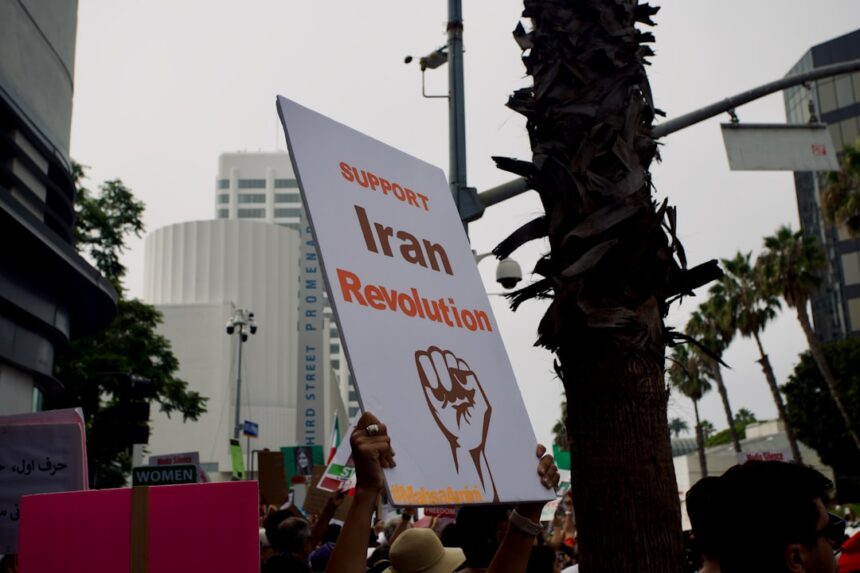
The Pahlavi Dynasty, which ruled Iran from 1925 until 1979, was marked by significant modernization efforts and a complex relationship with both the West and traditional Iranian society. Founded by Reza Shah Pahlavi, the dynasty sought to transform Iran into a modern nation-state, emphasizing secularism, industrialization, and Westernization. Reza Shah’s reign was characterized by sweeping reforms that aimed to diminish the influence of religious leaders and promote a national identity rooted in Persian heritage.
His son, Mohammad Reza Shah Pahlavi, ascended to the throne in 1941, continuing his father’s legacy but facing increasing challenges from various political factions. Under the Pahlavi regime, Iran experienced rapid economic growth, particularly due to its oil reserves. However, this growth was accompanied by significant social upheaval.
The Shah’s authoritarian rule alienated many segments of society, including religious leaders, intellectuals, and leftist groups. The regime’s reliance on secret police and censorship stifled dissent, creating an environment ripe for opposition. As the Pahlavi Dynasty progressed into the 1970s, the discontent among various social classes began to coalesce into a formidable challenge to the Shah’s authority.
Key Takeaways
- The Pahlavi Dynasty’s modernization efforts sparked widespread anti-Shah sentiment leading to the Iranian Revolution.
- The 1979 Embassy takeover symbolized Iranian defiance against US influence and escalated the hostage crisis.
- Ayatollah Khomeini played a central role in uniting opposition and shaping post-revolution Iran.
- The hostage crisis severely damaged US-Iran relations and altered Middle Eastern geopolitical dynamics.
- The revolution led to profound political and social changes in Iran, highlighting the complexities of its political landscape.
The Rise of Anti-Shah Sentiment
As the 1970s unfolded, anti-Shah sentiment began to gain momentum across Iran. Various groups, including leftists, nationalists, and religious factions, united in their opposition to the Shah’s regime. The discontent was fueled by widespread corruption, economic inequality, and a growing disconnect between the ruling elite and the general populace.
Many Iranians felt that the benefits of modernization were not equitably distributed, leading to frustration and anger among the working class and rural populations. The Shah’s attempts to suppress dissent only exacerbated the situation. His regime’s brutal tactics, including imprisonment and torture of political opponents, further alienated the populace.
The 1978 protests marked a turning point; they began as small gatherings but quickly escalated into mass demonstrations that drew millions of Iranians into the streets. The Shah’s inability to address the grievances of his citizens or engage in meaningful dialogue only intensified the anti-regime fervor. This growing tide of opposition set the stage for a revolutionary movement that would ultimately reshape Iran’s political landscape.
The Iranian Revolution: Causes and Catalysts
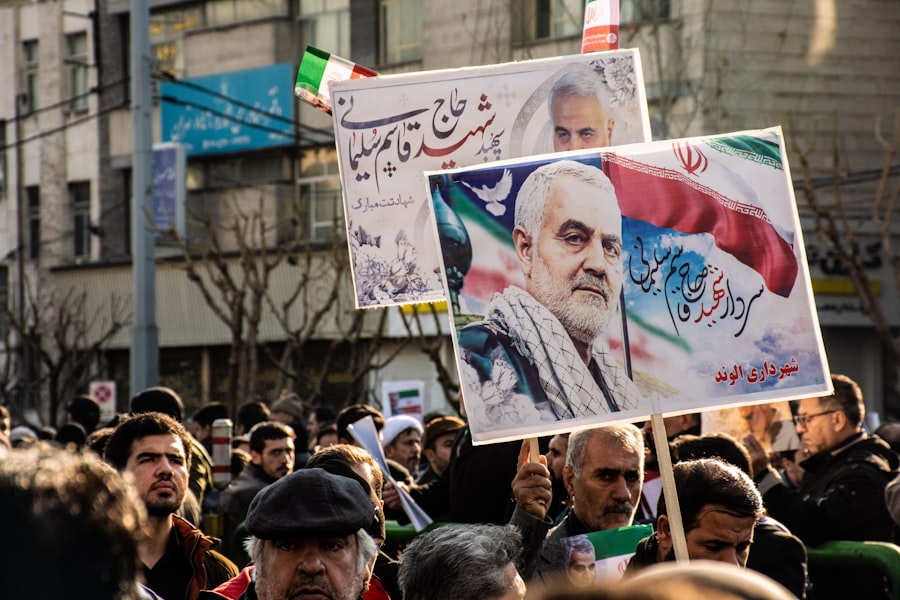
The Iranian Revolution of 1979 was not a singular event but rather a culmination of various causes and catalysts that had been brewing for decades. At its core was a profound dissatisfaction with the Shah’s autocratic rule and his Western-oriented policies. Many Iranians viewed the Shah as a puppet of foreign powers, particularly the United States, which had supported his regime since its inception.
This perception fueled nationalist sentiments and a desire for self-determination among the Iranian people. Additionally, socio-economic factors played a crucial role in igniting revolutionary fervor. Rapid urbanization and industrialization had created a burgeoning middle class that felt marginalized by the ruling elite.
Meanwhile, rural populations faced economic hardships exacerbated by land reforms that favored wealthy landowners. The combination of economic disparity and political repression galvanized diverse groups to rally against the Shah’s regime. Religious leaders, particularly Ayatollah Khomeini, emerged as key figures in articulating the frustrations of the masses and providing a unifying ideology for the revolution.
The Embassy Takeover: A Symbolic Act of Defiance
| Metric | Details |
|---|---|
| Event Name | The Embassy Takeover: A Symbolic Act of Defiance |
| Date | Varies by specific incident (e.g., November 4, 1979 for Iran Hostage Crisis) |
| Location | Embassy premises of the targeted country |
| Duration | Hours to months depending on the event |
| Number of Hostages | Ranges from a few to over 50 in notable cases |
| Primary Motivation | Political protest, defiance against foreign policies |
| Outcome | Varies: diplomatic negotiations, release of hostages, increased tensions |
| International Impact | Heightened diplomatic strain, sanctions, or policy changes |
| Symbolism | Assertion of sovereignty, resistance against perceived oppression |
The takeover of the U.S. Embassy in Tehran on November 4, 1979, marked a pivotal moment in the Iranian Revolution and served as a powerful symbol of defiance against both the Shah’s regime and American influence in Iran. A group of Iranian students stormed the embassy, taking 52 American diplomats and citizens hostage for 444 days.
This act was not merely a spontaneous reaction; it was deeply rooted in historical grievances against U.S. intervention in Iranian affairs, particularly the 1953 coup that had reinstated the Shah. The embassy takeover resonated with many Iranians who viewed it as an act of resistance against foreign domination.
It galvanized support for the revolutionary movement and solidified Ayatollah Khomeini’s position as a leader of the revolution. The students’ actions were framed as a struggle for national dignity and sovereignty, appealing to a broad spectrum of society that had grown weary of foreign interference. The hostage crisis became emblematic of Iran’s desire to reclaim its autonomy and assert its identity on the global stage.
International Reactions and Ramifications
The international community reacted with shock and condemnation to the embassy takeover, leading to a significant deterioration in U.S.-Iran relations. President Jimmy Carter’s administration faced immense pressure to respond decisively to what was perceived as an affront to American diplomacy and sovereignty. Economic sanctions were imposed on Iran, and diplomatic ties were severed, further isolating the country on the world stage.
The ramifications of the embassy takeover extended beyond U.S.-Iran relations; it also influenced global perceptions of Iran and shaped foreign policy decisions in subsequent years. The crisis heightened tensions between Iran and Western nations, leading to a narrative that framed Iran as a rogue state. This characterization would have lasting implications for international relations in the Middle East and beyond, contributing to ongoing conflicts and misunderstandings between Iran and Western powers.
The Hostage Crisis: Impact on US-Iran Relations
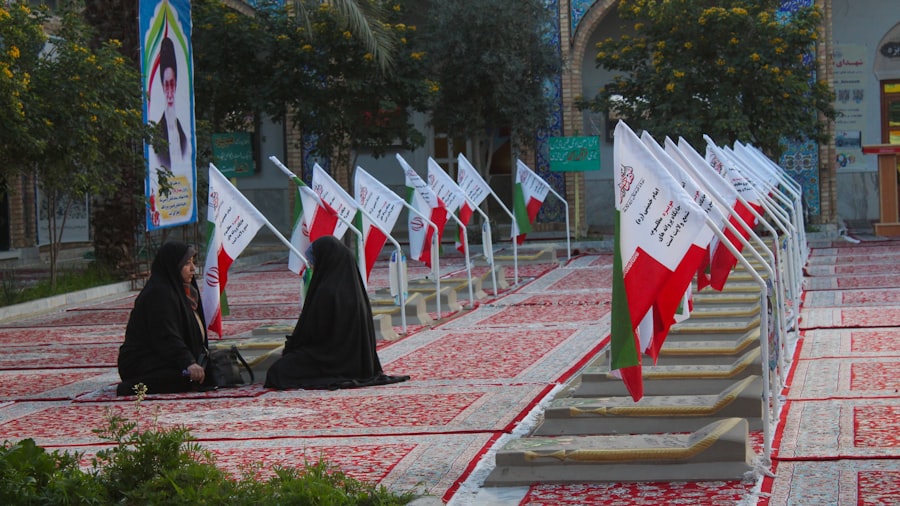
The hostage crisis had profound implications for U.S.-Iran relations that continue to resonate today. For Americans, it became a defining moment that shaped public perception of Iran as an adversary rather than a potential partner. The crisis dominated news cycles for over a year, leading to widespread outrage and calls for retribution against Iran.
S. foreign policy characterized by increased hostility toward Iran. In Iran, the hostage crisis solidified revolutionary fervor and bolstered Khomeini’s leadership.
The students who took over the embassy were hailed as heroes by many Iranians, reinforcing their commitment to resisting foreign influence. The crisis also allowed Khomeini to consolidate power by framing it as part of a broader struggle against imperialism. As a result, U.S.-Iran relations entered a prolonged period of animosity that would shape regional dynamics for decades.
The Legacy of the Revolution and Embassy Takeover
The legacy of the Iranian Revolution and the embassy takeover is multifaceted and continues to influence both domestic politics in Iran and international relations today. The revolution succeeded in overthrowing the Pahlavi Dynasty but also led to the establishment of an Islamic Republic under Khomeini’s leadership. This new regime sought to implement Islamic law and promote anti-Western sentiments as central tenets of its governance.
The embassy takeover remains a potent symbol in Iranian political discourse, often invoked by leaders to rally support against perceived external threats. It serves as a reminder of Iran’s struggle for autonomy and resistance against foreign intervention. Conversely, it has also contributed to ongoing tensions with Western nations, particularly the United States, shaping narratives around terrorism and state-sponsored violence in international relations.
The Role of Ayatollah Khomeini in the Revolution
Ayatollah Khomeini emerged as a central figure during the Iranian Revolution, providing ideological leadership that resonated with diverse segments of society. His ability to articulate grievances against the Shah’s regime while promoting an Islamic vision for governance allowed him to unite various factions under a common cause. Khomeini’s charisma and commitment to anti-imperialism struck a chord with many Iranians who felt marginalized by both domestic elites and foreign powers.
Khomeini’s return from exile in France in February 1979 marked a turning point in the revolution. He was greeted with massive crowds that reflected widespread support for his vision of an Islamic Republic. Once in power, Khomeini implemented policies that sought to reshape Iranian society according to Islamic principles while suppressing dissent from those who opposed his vision.
His leadership style combined religious authority with political acumen, allowing him to navigate complex challenges during a tumultuous period in Iranian history.
The Aftermath: Political and Social Changes in Iran
The aftermath of the Iranian Revolution brought about significant political and social changes within Iran. The establishment of an Islamic Republic led to sweeping reforms aimed at aligning governance with Islamic principles. Political parties were banned or severely restricted, leading to a consolidation of power within Khomeini’s regime and his followers.
The new government implemented policies that emphasized social justice but also curtailed individual freedoms.
While some women actively participated in revolutionary activities, post-revolutionary policies often relegated them to traditional roles within society.
This shift sparked debates about women’s rights that continue to resonate today as activists seek greater equality within an Islamic framework.
The Revolution’s Impact on the Middle East
The Iranian Revolution had far-reaching implications for the Middle East region beyond Iran’s borders. It inspired various movements across Arab nations seeking to challenge authoritarian regimes and assert Islamic governance models. The revolution demonstrated that popular uprisings could succeed against entrenched powers, encouraging similar movements in countries like Lebanon and Iraq.
However, it also heightened sectarian tensions within the region as Sunni-majority states viewed Iran’s Shia-led government with suspicion. The revolution contributed to geopolitical rivalries that would shape Middle Eastern politics for decades, particularly during conflicts such as the Iran-Iraq War (1980-1988). As Iran positioned itself as a leader of Shia Islam, it fostered alliances with groups like Hezbollah while facing opposition from Sunni-majority states.
Lessons Learned: Understanding the Complexities of Iranian Politics
The complexities of Iranian politics underscore important lessons about governance, revolution, and international relations. The Iranian experience illustrates how deeply rooted grievances can lead to transformative change but also how revolutions can result in unintended consequences when power is consolidated within a single ideology or leadership figure. Moreover, understanding Iranian politics requires recognizing its historical context—particularly its relationship with foreign powers—and how this shapes national identity today.
As tensions persist between Iran and Western nations, particularly regarding nuclear ambitions and regional influence, it becomes essential for policymakers to engage with these complexities rather than resorting solely to simplistic narratives or confrontational approaches. In conclusion, examining the Pahlavi Dynasty’s fall through various lenses reveals not only how revolutions can reshape nations but also how their legacies endure long after initial upheavals have subsided. The Iranian Revolution remains a critical case study for understanding contemporary politics both within Iran itself and across broader regional dynamics in an ever-evolving Middle East landscape.
The Iranian Revolution of 1979 was a pivotal moment in history, leading to significant geopolitical changes in the Middle East. One of the most dramatic events that followed was the takeover of the U.S. Embassy in Tehran, which resulted in a prolonged hostage crisis that strained U.S.-Iran relations for decades. For a deeper understanding of the implications of these events, you can read more in this related article on the topic: Iranian Revolution and Its Aftermath.
WATCH THIS! The Disaster That Saved Them: How Eagle Claw’s Failure Freed the Hostages
FAQs
What was the Iranian Revolution?
The Iranian Revolution, also known as the Islamic Revolution, was a series of events in 1979 that led to the overthrow of the Pahlavi monarchy under Shah Mohammad Reza Pahlavi and the establishment of an Islamic Republic under Ayatollah Ruhollah Khomeini.
When did the Iranian Revolution take place?
The revolution culminated in early 1979, with major protests and political upheaval occurring throughout 1978 and the Shah leaving Iran in January 1979.
What caused the Iranian Revolution?
The revolution was caused by widespread dissatisfaction with the Shah’s regime, including political repression, corruption, economic issues, and Western influence, as well as a desire for Islamic governance.
What was the embassy takeover during the Iranian Revolution?
The embassy takeover refers to the seizure of the United States Embassy in Tehran by Iranian militants on November 4, 1979, where 52 American diplomats and citizens were held hostage for 444 days.
Why was the US Embassy in Tehran taken over?
The takeover was motivated by anger over the US granting asylum to the exiled Shah for medical treatment and broader anti-American sentiment linked to US support for the Shah’s regime.
How long were the hostages held during the embassy crisis?
The American hostages were held for 444 days, from November 4, 1979, until their release on January 20, 1981.
What impact did the embassy takeover have on US-Iran relations?
The embassy crisis led to a complete severance of diplomatic relations between the US and Iran, lasting to this day, and significantly increased tensions between the two countries.
How did the US respond to the embassy hostage crisis?
The US imposed economic sanctions on Iran, attempted a failed rescue mission called Operation Eagle Claw, and engaged in diplomatic efforts to secure the hostages’ release.
Who was the leader of Iran during the embassy takeover?
Ayatollah Ruhollah Khomeini was the Supreme Leader of Iran during the embassy takeover and the broader revolution.
What was the international reaction to the Iranian Revolution and embassy takeover?
The revolution and embassy crisis shocked the international community, leading to widespread condemnation of the hostage-taking and concerns about regional stability and the spread of Islamic fundamentalism.