Acoustic warfare, a term that may evoke images of futuristic battlefields, has its roots deeply embedded in the annals of military history. The concept of using sound as a weapon can be traced back to ancient civilizations, where loud noises were employed to intimidate enemies or disrupt their formations.
As societies evolved, so did the understanding of sound’s potential as a strategic tool. By the time of World War I, the military began to recognize the importance of sound in warfare, leading to the development of technologies that could harness acoustic phenomena for tactical advantages. The interwar period saw further exploration into the science of sound and its applications in military contexts.
Researchers began to investigate how sound waves could be manipulated to create disruptive effects on enemy operations. This exploration laid the groundwork for more sophisticated acoustic technologies that would emerge during World War II and beyond. The advent of radar and sonar systems marked a significant turning point, as these technologies utilized sound waves to detect and track enemy movements, fundamentally changing the landscape of warfare.
Thus, the origins of acoustic warfare can be seen as a gradual evolution from primitive sound-based tactics to advanced technological applications that would shape military strategies for decades to come.
Key Takeaways
- Acoustic warfare originated as a strategic tool during early military conflicts, evolving significantly during the Cold War.
- Sound played a crucial role in espionage and intelligence gathering, enhancing covert operations.
- Acoustic weapons were developed to disrupt enemy communications and cause psychological distress.
- The use of acoustic warfare raises important ethical and legal questions regarding its impact on human rights.
- Understanding the evolution and future potential of acoustic warfare is vital for modern military strategy and security.
The Role of Sound in Cold War Strategy
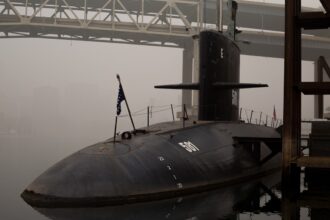
During the Cold War, the strategic importance of sound took on new dimensions as both the United States and the Soviet Union sought to gain an upper hand in their geopolitical rivalry. The era was characterized by a race for technological superiority, and sound became a critical element in various military strategies. One notable application was the use of underwater acoustics for submarine warfare.
Both superpowers invested heavily in sonar technology to detect and track enemy submarines, leading to an arms race beneath the waves. This focus on acoustic capabilities underscored the significance of sound in naval operations, where silence could mean survival or destruction. Moreover, psychological operations during the Cold War often employed sound as a means of influence and control.
Propaganda broadcasts, designed to demoralize enemy troops or sway public opinion, utilized audio messages that could penetrate enemy lines. The use of loudspeakers to disseminate information or misinformation became a common tactic, demonstrating how sound could be weaponized not just on the battlefield but also in the realm of public perception. This multifaceted approach to sound in Cold War strategy highlighted its versatility as a tool for both direct military engagement and psychological manipulation.
The Development of Acoustic Weapons

As military technology advanced, so too did the development of acoustic weapons designed specifically for offensive and defensive purposes. These weapons harnessed sound waves at various frequencies to achieve specific effects, ranging from disorientation to physical harm. One of the earliest forms of acoustic weaponry was the sonic weapon, which emitted high-decibel sounds capable of causing temporary hearing loss or disorientation in individuals within range.
Such devices were initially developed for crowd control but quickly found applications in military operations where incapacitating an enemy without lethal force was desired. In addition to sonic weapons, research into low-frequency sound waves led to the creation of infrasonic devices that could induce feelings of unease or panic among targeted populations. These developments raised questions about the ethical implications of using sound as a weapon, particularly when considering its potential psychological effects on civilians.
As nations continued to explore the capabilities of acoustic weapons, they also grappled with the moral dilemmas associated with their deployment, leading to ongoing debates about their place in modern warfare.
The Use of Acoustic Warfare in Espionage
Acoustic warfare has also played a significant role in espionage activities throughout history. The ability to gather intelligence through sound has been a valuable asset for intelligence agencies seeking to monitor enemy communications or movements. Techniques such as eavesdropping have evolved alongside advancements in acoustic technology, allowing operatives to capture conversations from considerable distances using highly sensitive microphones and recording devices.
This capability has proven essential in both military and political contexts, where understanding an adversary’s intentions can provide a critical advantage. Moreover, the use of acoustic surveillance has extended beyond traditional espionage methods. In some cases, nations have employed acoustic devices to disrupt enemy communications or create confusion during covert operations.
By manipulating sound waves, operatives can interfere with radio transmissions or create false signals that mislead adversaries. This innovative approach to espionage underscores the adaptability of acoustic warfare techniques and their relevance in contemporary intelligence-gathering efforts.
The Impact of Acoustic Warfare on Military Operations
| Metric | Description | Cold War Context | Impact |
|---|---|---|---|
| Frequency Range | Operational acoustic frequencies used in covert warfare | Low-frequency sonar and ultrasonic waves for submarine detection and disruption | Enabled stealth tracking and jamming of enemy vessels |
| Detection Range | Distance at which acoustic signals could be detected or disrupted | Up to several kilometers underwater depending on technology and environment | Improved early warning and tactical advantage in naval engagements |
| Signal Modulation | Techniques used to encode or mask acoustic signals | Frequency hopping and spread spectrum to avoid detection and interception | Increased security and effectiveness of acoustic communications |
| Countermeasures | Methods to neutralize or evade acoustic warfare tactics | Use of anechoic tiles on submarines and noise-canceling devices | Reduced vulnerability to sonar detection and acoustic attacks |
| Operational Units | Military branches or units specializing in acoustic warfare | Naval intelligence and special operations forces | Conducted covert acoustic surveillance and sabotage missions |
The integration of acoustic warfare into military operations has had profound implications for how conflicts are conducted. The ability to utilize sound as both a weapon and a tool for intelligence gathering has transformed battlefield dynamics. For instance, the deployment of sonic weapons can provide commanders with non-lethal options for incapacitating enemy forces while minimizing collateral damage.
This shift towards more humane forms of engagement reflects a growing recognition of the need for ethical considerations in modern warfare. Furthermore, acoustic technologies have enhanced situational awareness on the battlefield. Advanced sonar systems allow naval forces to detect submarines and underwater threats with remarkable precision, while ground forces can employ acoustic sensors to monitor enemy movements in real-time.
This increased awareness not only improves operational effectiveness but also contributes to strategic decision-making processes. As military operations continue to evolve, the role of acoustic warfare is likely to expand further, shaping future engagements in unpredictable ways.
The Psychological Effects of Acoustic Warfare

The psychological impact of acoustic warfare cannot be overstated. Sound has a unique ability to evoke emotional responses and influence behavior, making it a powerful tool for psychological operations. High-decibel sounds can induce fear and panic, while low-frequency sounds can create feelings of unease or disorientation.
These effects can be particularly pronounced in combat situations where soldiers are already under immense stress. The use of acoustic weapons can thus serve not only as a means of physical incapacitation but also as a method for undermining morale and cohesion among enemy forces. Moreover, the psychological ramifications extend beyond immediate combat scenarios.
The long-term exposure to acoustic warfare tactics can lead to lasting mental health issues among affected populations, including anxiety disorders and post-traumatic stress disorder (PTSD). As nations grapple with the consequences of their military actions, understanding the psychological effects of acoustic warfare becomes increasingly important for developing comprehensive strategies that address both immediate operational goals and long-term societal impacts.
The Ethical and Legal Implications of Acoustic Warfare
The deployment of acoustic warfare raises significant ethical and legal questions that demand careful consideration. As nations explore the capabilities of sound-based weapons, concerns about their potential misuse and unintended consequences come to the forefront. The distinction between non-lethal and lethal force becomes blurred when considering the physiological effects that high-intensity sound waves can have on individuals.
This ambiguity complicates discussions about compliance with international humanitarian law and raises questions about accountability for harm caused by such weapons. Furthermore, the use of acoustic warfare against civilian populations poses additional ethical dilemmas. While military forces may justify their actions based on strategic objectives, the potential for collateral damage and long-term psychological harm cannot be overlooked.
As international norms surrounding warfare continue to evolve, addressing these ethical concerns will be crucial for ensuring that acoustic weapons are used responsibly and in accordance with established legal frameworks.
The Evolution of Acoustic Warfare Technology
The evolution of acoustic warfare technology has been marked by rapid advancements that reflect broader trends in military innovation. From rudimentary sound-based tactics employed by ancient armies to sophisticated sonic weapons capable of precise targeting, the trajectory of acoustic warfare has been shaped by ongoing research and development efforts. Modern technologies such as digital signal processing and artificial intelligence have further enhanced the capabilities of acoustic systems, allowing for greater accuracy and effectiveness in various operational contexts.
As nations invest in developing next-generation acoustic technologies, they are also exploring new applications beyond traditional military uses. For instance, researchers are investigating how acoustic waves can be harnessed for non-military purposes such as disaster response or environmental monitoring. This dual-use potential highlights the versatility of acoustic technologies and raises important questions about their regulation and oversight in both civilian and military spheres.
The Legacy of Acoustic Warfare in Modern Warfare
The legacy of acoustic warfare is evident in contemporary military operations where sound continues to play a pivotal role in strategy and tactics. The lessons learned from past conflicts inform current practices as armed forces adapt to evolving threats and challenges. Acoustic technologies have become integral components of modern warfare, influencing everything from reconnaissance missions to crowd control measures during civil unrest.
Moreover, the historical context surrounding acoustic warfare serves as a reminder of its enduring relevance in shaping military doctrine and policy. As nations confront new security challenges in an increasingly complex global landscape, understanding the legacy of acoustic warfare will be essential for developing effective responses that balance operational effectiveness with ethical considerations.
The Future of Acoustic Warfare
Looking ahead, the future of acoustic warfare is likely to be characterized by continued innovation and adaptation as technological advancements reshape military capabilities. Emerging fields such as quantum acoustics may unlock new possibilities for sound-based applications that were previously unimaginable. Additionally, as artificial intelligence becomes more integrated into military systems, it may enable more sophisticated uses of acoustic technologies for both offensive and defensive purposes.
As nations race to develop advanced acoustic weapons, there is a pressing need for international dialogue on regulation and oversight to prevent misuse or escalation into broader conflicts. Establishing norms around the use of acoustic warfare will be crucial for ensuring that these technologies are employed responsibly and ethically in an increasingly interconnected world.
The Importance of Understanding Acoustic Warfare in the 21st Century
In an era marked by rapid technological change and evolving security dynamics, understanding acoustic warfare is more important than ever. As nations navigate complex geopolitical landscapes, recognizing the implications of sound as a weapon will be essential for informed decision-making at all levels—from policymakers to military strategists. Moreover, fostering public awareness about the potential consequences of acoustic warfare can contribute to broader discussions about ethics and accountability in modern conflict.
As societies grapple with the legacy of past conflicts and prepare for future challenges, engaging with the complexities surrounding acoustic warfare will be vital for promoting responsible practices that prioritize human rights and dignity. In this context, education and dialogue will play key roles in shaping perceptions and policies related to sound-based technologies in both military and civilian spheres—ensuring that lessons learned from history inform a more peaceful future.
Invisible acoustic warfare during the Cold War remains a fascinating topic, highlighting the lengths to which nations went to gain an advantage in espionage and military strategy. For a deeper understanding of the implications and developments in this area, you can explore a related article on the subject at In The War Room. This resource provides insights into the technological advancements and the psychological aspects of warfare that were prevalent during that era.
WATCH THIS! 🎖️ The Silent Underwater Network That Doomed Every Soviet Submarine
FAQs
What was invisible acoustic warfare during the Cold War?
Invisible acoustic warfare referred to covert operations and technologies used to detect, disrupt, or manipulate sound waves and underwater acoustics for military advantage. This included sonar detection, underwater listening devices, and acoustic countermeasures employed primarily by the United States and the Soviet Union.
Why was acoustic warfare important during the Cold War?
Acoustic warfare was crucial because submarines played a significant role in nuclear deterrence and intelligence gathering. Detecting enemy submarines and protecting one’s own required advanced acoustic technologies, making underwater sound detection and stealth a key aspect of naval strategy.
What technologies were used in invisible acoustic warfare?
Technologies included passive and active sonar systems, hydrophones, underwater listening posts, and acoustic decoys. These tools helped detect enemy submarines, track movements, and avoid detection by manipulating sound waves.
How did invisible acoustic warfare impact Cold War naval strategies?
It led to the development of quieter submarines, improved sonar detection capabilities, and sophisticated countermeasures. Both superpowers invested heavily in acoustic research to maintain underwater superiority and ensure the effectiveness of their nuclear deterrent forces.
Were there any notable incidents involving acoustic warfare during the Cold War?
Yes, there were several incidents where acoustic detection played a role, such as the tracking of Soviet submarines by U.S. forces and vice versa. Some submarine collisions and near encounters were influenced by acoustic detection and stealth technologies.
Is invisible acoustic warfare still relevant today?
Yes, acoustic warfare remains relevant in modern naval operations. Advances in sonar and underwater acoustics continue to be critical for submarine detection, anti-submarine warfare, and maritime security in contemporary military strategy.