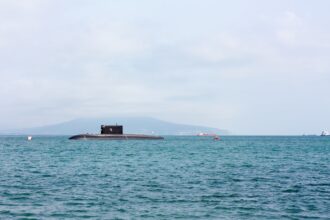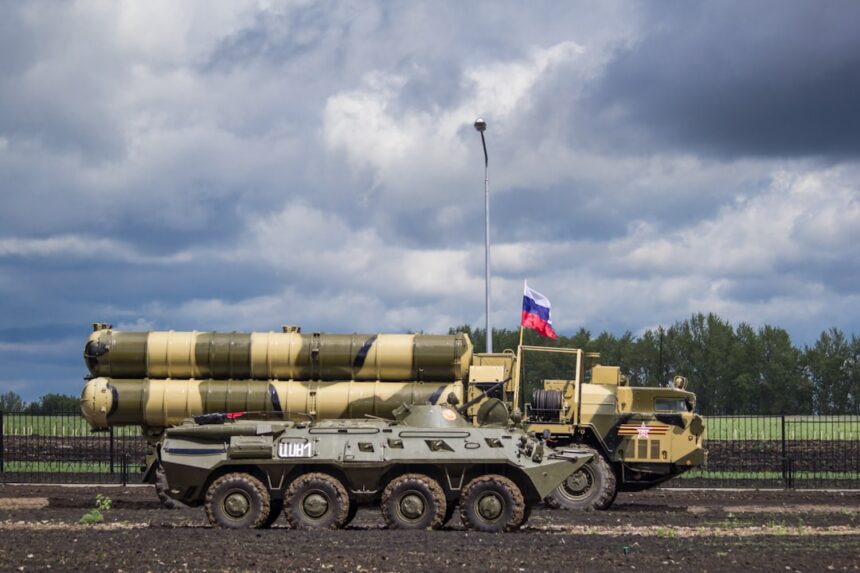
Nuclear deterrence stability describes a strategic equilibrium where the threat of nuclear retaliation prevents nations from initiating aggressive actions that could escalate to nuclear warfare. This framework operates on the principle that nuclear weapons create a balance of power through the prospect of mutually assured destruction, making rational state actors avoid actions that could trigger nuclear conflict. The effectiveness of nuclear deterrence depends on multiple interconnected elements: the credibility and survivability of a nation’s nuclear forces, clear communication of deterrent policies, command and control systems, and the broader international security environment.
The mechanics of nuclear deterrence stability extend beyond simple weapon stockpiles to encompass strategic doctrine, crisis management capabilities, and diplomatic engagement. States must maintain credible second-strike capabilities while avoiding postures that appear threatening enough to provoke preemptive attacks. The offense-defense balance in nuclear strategy creates inherent tensions, as modernization efforts intended to strengthen deterrence may be perceived as destabilizing by adversaries.
Critical factors that can undermine stability include technological developments that threaten second-strike capabilities, ambiguous signaling during crises, proliferation to additional actors, and the integration of nuclear weapons with conventional forces or emerging technologies like cyber warfare and artificial intelligence.
Key Takeaways
- Nuclear deterrence has historically played a crucial role in preventing large-scale conflicts through the threat of mutual destruction.
- Stability in nuclear deterrence depends on clear communication, transparency, and effective arms control agreements.
- Technological advancements and regional conflicts pose new challenges to maintaining nuclear deterrence stability.
- Instability in nuclear deterrence increases the risk of accidental or intentional nuclear escalation, threatening global security.
- Ongoing international cooperation and focus on deterrence stability are essential for future global peace and security.
Historical Context of Nuclear Deterrence
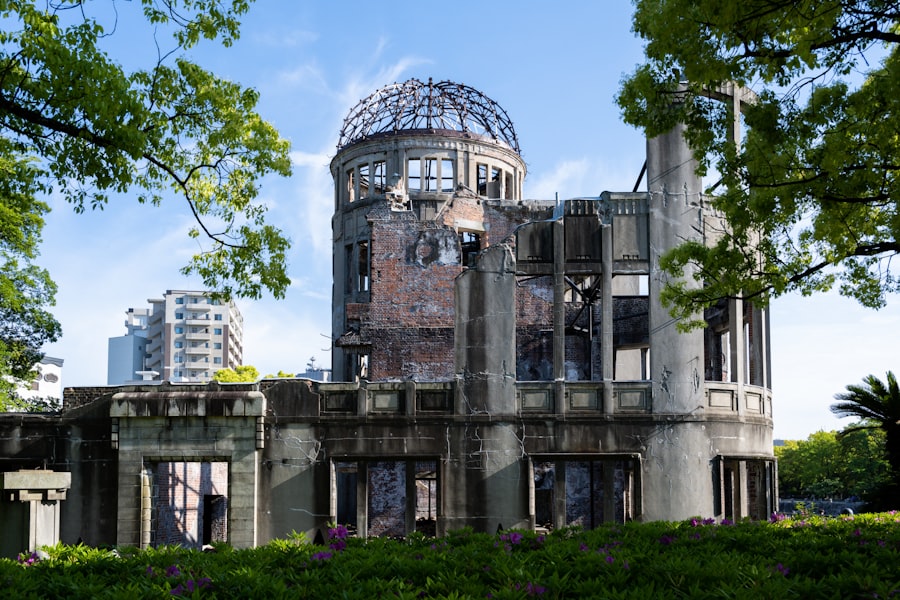
The origins of nuclear deterrence can be traced back to the aftermath of World War II, when the United States became the first nation to develop and use atomic weapons. The bombings of Hiroshima and Nagasaki not only demonstrated the devastating power of nuclear arms but also ushered in a new era of international relations characterized by the Cold War. During this period, the United States and the Soviet Union engaged in an arms race, each striving to outdo the other in terms of nuclear capabilities.
This competition was underpinned by the doctrine of mutually assured destruction (MAD), which posited that both superpowers would refrain from launching a first strike due to the certainty of catastrophic retaliation. As the Cold War progressed, various treaties and agreements emerged to regulate nuclear arsenals and promote stability. The Nuclear Non-Proliferation Treaty (NPT), established in 1968, aimed to prevent the spread of nuclear weapons while promoting peaceful uses of nuclear energy.
This historical context highlights how nuclear deterrence has evolved over time, shaped by geopolitical tensions and efforts at arms control. The lessons learned from past conflicts continue to inform contemporary discussions about deterrence strategies and their implications for global security.
The Role of Nuclear Deterrence in International Relations
Nuclear deterrence plays a pivotal role in shaping international relations, influencing how states interact with one another on the global stage. The presence of nuclear weapons can alter power dynamics, as nations with such capabilities often enjoy a strategic advantage over those without. This reality can lead to a hierarchy among states, where nuclear-armed countries wield greater influence in diplomatic negotiations and security arrangements.
Consequently, non-nuclear states may seek alliances or partnerships with nuclear powers to bolster their own security. Moreover, nuclear deterrence can serve as a stabilizing force in certain regions, deterring aggression and fostering a sense of security among allies. For instance, NATO’s collective defense strategy relies on the deterrent effect of its members’ nuclear arsenals to dissuade potential adversaries from launching attacks.
However, this reliance on nuclear deterrence can also create tensions, as states may perceive threats differently based on their own security concerns and historical grievances. Thus, while nuclear deterrence can enhance stability, it can also complicate international relations by introducing elements of mistrust and rivalry.
The Impact of Nuclear Deterrence on Global Security
The impact of nuclear deterrence on global security is profound and multifaceted. On one hand, it has arguably prevented large-scale conflicts between nuclear-armed states since World War II, as the catastrophic consequences of a nuclear war serve as a powerful disincentive for aggression. The existence of nuclear weapons has led to a form of strategic stability among major powers, where the fear of mutual destruction outweighs the desire for territorial or political gains.
On the other hand, the reliance on nuclear deterrence raises significant concerns about proliferation and the potential for accidental or unauthorized use of nuclear weapons. As more states acquire these capabilities, the risk of miscalculations or misunderstandings increases, potentially leading to crises that could spiral out of control. Additionally, non-state actors’ interest in acquiring nuclear materials poses a new challenge for global security, as traditional deterrence strategies may not be effective against such entities.
Therefore, while nuclear deterrence has contributed to a certain level of stability, it also presents ongoing risks that must be carefully managed.
Nuclear Deterrence and Arms Control
| Metric | Description | Typical Values / Examples | Relevance to Nuclear Deterrence Stability |
|---|---|---|---|
| Number of Deployed Nuclear Warheads | Total operational warheads ready for use | USA: ~1,550; Russia: ~1,600 (as per New START) | Indicates the scale of nuclear capability and potential for second-strike |
| Second-Strike Capability | Ability to retaliate after a nuclear attack | Submarine-launched ballistic missiles (SLBMs), Hardened silos | Ensures deterrence by guaranteeing retaliation, stabilizing deterrence |
| Launch-on-Warning Time | Time between detection of incoming attack and decision to launch | Typically 10-30 minutes | Shorter times increase risk of accidental or hasty launches, affecting stability |
| Early Warning Systems Accuracy | Reliability of detecting incoming nuclear attacks | False alarm rate <1% | Reduces risk of accidental war, enhancing stability |
| Number of Nuclear-Capable Delivery Systems | Variety and quantity of missiles, bombers, submarines | ICBMs, SLBMs, strategic bombers | Diversification supports survivability and credible deterrence |
| Mutual Assured Destruction (MAD) Threshold | Minimum force needed to guarantee unacceptable damage to adversary | Estimated at hundreds of warheads | Defines deterrence equilibrium and stability |
| Arms Control Agreements | International treaties limiting nuclear arsenals | New START, INF Treaty (historical) | Promote transparency and reduce arms race, enhancing stability |
| Command and Control Security | Measures to prevent unauthorized use of nuclear weapons | Permissive Action Links, secure communication | Prevents accidental or unauthorized launches, critical for stability |
Arms control agreements have been instrumental in shaping the landscape of nuclear deterrence. These treaties aim to limit the proliferation and development of nuclear weapons while promoting transparency and trust among states. Notable agreements include the Strategic Arms Reduction Treaty (START) and its successors, which have successfully reduced the number of deployed strategic warheads between the United States and Russia.
Such measures not only contribute to global security but also reinforce the principles underlying nuclear deterrence by ensuring that arsenals remain manageable and predictable. However, arms control efforts face significant challenges in today’s geopolitical climate. The resurgence of great power competition has led to a renewed focus on military modernization and an erosion of trust between states.
As countries pursue advanced technologies and develop new delivery systems, existing arms control frameworks may become outdated or ineffective.
The Risks of Nuclear Deterrence Instability
Despite its intended stabilizing effects, nuclear deterrence is fraught with risks that can lead to instability. One major concern is the potential for miscommunication or misinterpretation during crises, which could escalate tensions between adversaries. In high-stakes situations where time is limited, decision-makers may act on incomplete or inaccurate information, leading to unintended consequences.
The Cuban Missile Crisis serves as a historical example of how close the world came to nuclear conflict due to misunderstandings between superpowers. Additionally, technological advancements pose new challenges to nuclear deterrence stability. The development of hypersonic weapons and cyber capabilities can undermine traditional deterrent strategies by creating uncertainties about an adversary’s intentions or capabilities.
As states invest in these emerging technologies, they may inadvertently destabilize existing deterrent relationships, prompting an arms race that could further erode trust among nations. Addressing these risks requires ongoing dialogue and cooperation among states to ensure that deterrent strategies remain effective in an evolving security environment.
Nuclear Deterrence and Regional Conflicts
Nuclear deterrence is not limited to superpower dynamics; it also plays a critical role in regional conflicts around the world. In areas such as South Asia and the Middle East, the presence of nuclear weapons has shaped security calculations and influenced regional rivalries. For instance, India and Pakistan’s ongoing conflict is heavily influenced by their respective nuclear arsenals, with both nations relying on deterrence strategies to prevent full-scale war.
This situation illustrates how regional powers can leverage nuclear capabilities to assert their interests while simultaneously managing existential threats. However, regional conflicts involving nuclear-armed states also raise concerns about escalation and miscalculation. In volatile environments where tensions are high, even minor incidents can trigger significant military responses.
The risk of conventional conflicts escalating into nuclear exchanges remains a pressing concern for policymakers. Therefore, understanding the nuances of regional dynamics is essential for developing effective strategies that promote stability while addressing underlying grievances.
The Role of Technology in Nuclear Deterrence Stability
Technology plays a dual role in shaping nuclear deterrence stability; it can enhance both deterrent capabilities and vulnerabilities. On one hand, advancements in missile defense systems and early warning technologies can bolster a state’s ability to deter adversaries by providing greater assurance against potential attacks. Enhanced surveillance capabilities allow for more accurate assessments of threats, enabling decision-makers to respond more effectively during crises.
Conversely, technological developments can also introduce new uncertainties into deterrent relationships. The emergence of cyber warfare capabilities raises questions about the integrity of command-and-control systems for nuclear arsenals. If adversaries can disrupt communication channels or manipulate information flows, it could lead to dangerous miscalculations during critical moments.
As technology continues to evolve at a rapid pace, maintaining stability in nuclear deterrence will require ongoing assessments of how these advancements impact strategic calculations.
The Importance of Communication and Transparency in Nuclear Deterrence
Effective communication and transparency are vital components in maintaining nuclear deterrence stability. Open lines of communication between states can help mitigate misunderstandings and reduce the likelihood of escalation during crises. Diplomatic channels allow for dialogue on intentions, capabilities, and potential threats, fostering an environment where states can address concerns without resorting to military action.
Transparency regarding nuclear arsenals and doctrines is equally important for building trust among nations. When states openly share information about their capabilities and strategic intentions, it reduces uncertainty and enhances predictability in international relations. Initiatives such as confidence-building measures (CBMs) can facilitate greater understanding between adversaries and contribute to long-term stability in deterrent relationships.
The Future of Nuclear Deterrence Stability
Looking ahead, the future of nuclear deterrence stability remains uncertain amid evolving geopolitical landscapes and technological advancements. As new powers emerge on the global stage and existing rivalries intensify, maintaining effective deterrent relationships will require innovative approaches that adapt to changing circumstances. Policymakers must grapple with complex challenges such as non-state actors’ involvement in proliferation efforts and emerging technologies that could disrupt traditional deterrent strategies.
Moreover, fostering international cooperation will be essential for addressing these challenges effectively. Multilateral dialogues focused on arms control, crisis management, and confidence-building measures can help create frameworks that promote stability while reducing risks associated with nuclear weapons. Ultimately, ensuring a stable future for nuclear deterrence will depend on collective efforts to navigate an increasingly complex security environment.
The Need for Continued Focus on Nuclear Deterrence Stability
In conclusion, the importance of maintaining nuclear deterrence stability cannot be overstated in today’s interconnected world. While it has played a crucial role in preventing large-scale conflicts since World War II, ongoing risks associated with proliferation, technological advancements, and regional tensions necessitate continued vigilance and proactive measures. By prioritizing communication, transparency, and innovative arms control initiatives, states can work together to enhance stability while addressing emerging challenges.
As global dynamics continue to evolve, it is imperative for policymakers to remain committed to understanding the complexities surrounding nuclear deterrence. A sustained focus on these issues will not only contribute to international security but also foster an environment where dialogue prevails over conflict—a goal that remains essential for ensuring a safer world for future generations.
Nuclear deterrence stability is a critical aspect of international security, and understanding its dynamics can be enhanced by exploring various analyses and discussions on the topic. For a deeper insight, you can read the article on nuclear strategy and its implications for global peace at In the War Room. This resource provides valuable perspectives on how nuclear deterrence shapes geopolitical relationships and the potential risks involved in maintaining stability in an increasingly complex world.
WATCH THIS 🎬 DEAD HAND: The Soviet Doomsday Machine That’s Still Listening
FAQs
What is nuclear deterrence stability?
Nuclear deterrence stability refers to a strategic condition in which nuclear-armed states are deterred from initiating a nuclear conflict due to the assured and credible threat of a retaliatory strike. This stability aims to prevent nuclear war by maintaining a balance of power and reducing incentives for a first strike.
How does nuclear deterrence contribute to international security?
Nuclear deterrence contributes to international security by discouraging states from using nuclear weapons, as the potential consequences of retaliation are catastrophic. It creates a strategic environment where the costs of nuclear conflict outweigh any possible gains, thereby reducing the likelihood of nuclear war.
What factors influence nuclear deterrence stability?
Several factors influence nuclear deterrence stability, including the credibility of nuclear forces, second-strike capabilities, communication channels between nuclear states, technological advancements, and the political relationships among nuclear-armed countries.
What is second-strike capability and why is it important?
Second-strike capability is the assured ability of a country to respond to a nuclear attack with its own nuclear retaliation. It is crucial for deterrence stability because it guarantees that a first strike by an adversary will not eliminate the possibility of a devastating counterattack, thus deterring initial aggression.
Can nuclear deterrence stability be maintained indefinitely?
While nuclear deterrence has maintained relative stability since the Cold War, it is not guaranteed indefinitely. Changes in technology, geopolitical tensions, arms races, and breakdowns in communication can threaten deterrence stability, requiring ongoing diplomatic and strategic efforts to manage risks.
What role do arms control agreements play in nuclear deterrence stability?
Arms control agreements help maintain nuclear deterrence stability by limiting the number and types of nuclear weapons, establishing verification mechanisms, and promoting transparency. These agreements reduce the risk of misunderstandings and arms races that could destabilize deterrence.
How do emerging technologies affect nuclear deterrence stability?
Emerging technologies such as missile defense systems, cyber warfare, and hypersonic weapons can complicate nuclear deterrence stability by potentially undermining second-strike capabilities or creating new vulnerabilities. These developments require adaptation in deterrence strategies and international norms.
Is nuclear deterrence stability the same as nuclear disarmament?
No, nuclear deterrence stability and nuclear disarmament are different concepts. Deterrence stability focuses on preventing nuclear war through the threat of retaliation, while disarmament aims to reduce or eliminate nuclear weapons altogether. Both approaches seek to enhance global security but through different means.