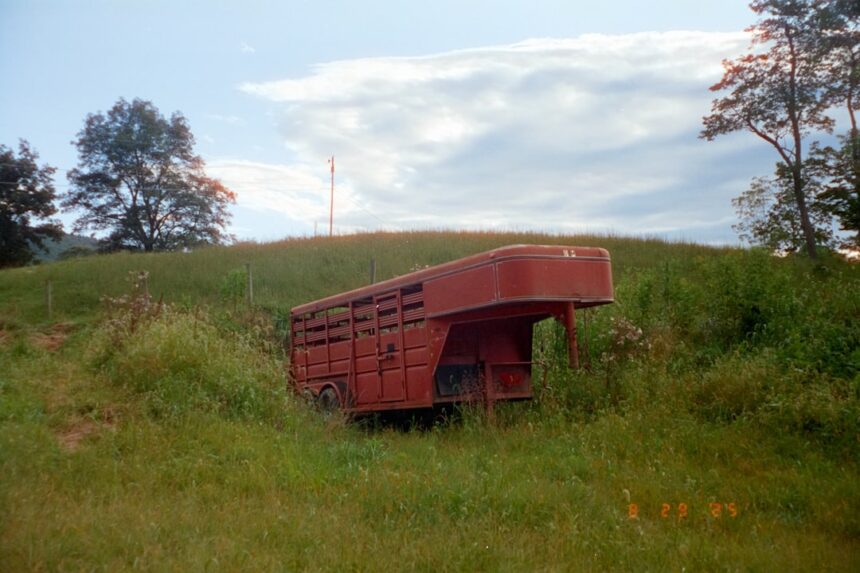
Abandoned equipment poses a significant threat to the environment, often leading to pollution and degradation of natural habitats. When machinery, vehicles, or electronic devices are left to decay, they can leak harmful substances such as oil, heavy metals, and other toxic chemicals into the soil and water systems. This contamination can have dire consequences for local ecosystems, affecting plant life, wildlife, and even human health.
The leaching of these hazardous materials can disrupt the delicate balance of local flora and fauna, leading to a decline in biodiversity and the potential extinction of vulnerable species. Moreover, the physical presence of abandoned equipment can obstruct natural processes. For instance, derelict vehicles can block waterways, leading to flooding and erosion.
In addition, the accumulation of waste can hinder the growth of vegetation, as it deprives the soil of essential nutrients. The visual pollution created by discarded machinery can also detract from the natural beauty of landscapes, impacting tourism and local economies that rely on pristine environments. Thus, the environmental ramifications of abandoned equipment extend far beyond immediate pollution; they can alter entire ecosystems and diminish the quality of life for both humans and wildlife.
Key Takeaways
- Abandoned equipment poses significant environmental, safety, and economic risks.
- Proper disposal and recycling are crucial to mitigate negative impacts.
- Legal responsibilities and government policies play key roles in managing abandoned equipment.
- Reuse opportunities can reduce waste and benefit local communities.
- Education and awareness are essential for effective management and prevention.
The Safety Hazards of Abandoned Equipment
The safety hazards associated with abandoned equipment are numerous and varied, posing risks not only to individuals who may encounter these items but also to the broader community. One of the most pressing concerns is the potential for accidents. Abandoned vehicles, for example, can create obstacles on roadways, leading to collisions or injuries for unsuspecting drivers and pedestrians.
Similarly, derelict machinery left in public spaces can present tripping hazards or cause injuries to children who may be drawn to explore these seemingly intriguing objects. In addition to physical dangers, abandoned equipment can also harbor dangerous materials. Old batteries, for instance, may contain corrosive acids or heavy metals that can pose health risks if disturbed.
Furthermore, abandoned structures may become havens for criminal activity or vandalism, creating unsafe environments for nearby residents. The presence of such hazards necessitates immediate attention and action to mitigate risks and ensure public safety.
The Economic Costs of Abandoned Equipment

The economic implications of abandoned equipment are profound and multifaceted. Local governments often bear the financial burden of cleaning up abandoned sites, which can divert funds from other essential services such as education and public safety. The costs associated with removal, remediation, and disposal can quickly accumulate, straining municipal budgets and leading to increased taxes or reduced services for residents.
Additionally, the presence of abandoned equipment can deter investment in local communities, as potential businesses may view these sites as indicators of neglect or instability. Moreover, the economic impact extends to property values in affected areas. Homes and businesses located near abandoned equipment may experience a decline in value due to perceived safety hazards and aesthetic concerns.
This depreciation can have a ripple effect on local economies, as lower property values reduce tax revenues and limit funding for community development projects. Ultimately, the economic costs associated with abandoned equipment underscore the need for proactive measures to address this issue before it escalates further.
The Legal Implications of Abandoned Equipment
| Aspect | Description | Potential Legal Issues | Relevant Laws/Regulations | Mitigation Strategies |
|---|---|---|---|---|
| Ownership | Determining who legally owns abandoned equipment | Disputes over property rights, claims by previous owners or creditors | Property law, abandoned property statutes | Clear documentation, title transfer procedures |
| Environmental Liability | Responsibility for environmental damage caused by abandoned equipment | Fines, cleanup costs, legal action for contamination | Environmental Protection Laws, EPA regulations | Proper disposal, environmental assessments |
| Safety Hazards | Risks posed by abandoned equipment to public safety | Liability for injuries or accidents | Occupational Safety and Health regulations, local safety codes | Secure storage, removal or maintenance |
| Abandonment Definition | Legal criteria defining when equipment is considered abandoned | Confusion over timing and status of equipment | State-specific abandonment laws | Regular audits, clear policies on equipment status |
| Salvage and Disposal | Legal procedures for salvaging or disposing of abandoned equipment | Unauthorized sale or disposal, theft allegations | Salvage laws, waste disposal regulations | Compliance with disposal laws, authorized sales |
| Notification Requirements | Obligations to notify authorities or previous owners | Penalties for failure to notify | Local government ordinances, state laws | Timely notifications, record keeping |
The legal landscape surrounding abandoned equipment is complex and often fraught with challenges. Property owners may find themselves liable for injuries or damages resulting from abandoned items on their land, even if they did not place them there. This liability can lead to costly lawsuits and insurance claims that further complicate the situation.
Additionally, local governments may enact ordinances that impose fines or penalties on property owners who fail to remove abandoned equipment in a timely manner. Furthermore, there are regulatory frameworks in place that govern the disposal of hazardous materials found in abandoned equipment. Failure to comply with these regulations can result in severe legal repercussions for individuals and businesses alike.
As such, understanding the legal implications of abandoned equipment is crucial for both property owners and local authorities seeking to navigate this intricate landscape effectively.
The Importance of Proper Disposal of Abandoned Equipment
Proper disposal of abandoned equipment is essential for mitigating its negative impacts on the environment and public safety. Responsible disposal practices not only prevent pollution but also ensure that hazardous materials are handled in accordance with legal regulations. Communities must prioritize establishing clear guidelines for the disposal of various types of equipment, including vehicles, electronics, and industrial machinery.
By providing accessible resources and facilities for proper disposal, municipalities can encourage residents and businesses to take action rather than allowing items to languish in disrepair. Moreover, proper disposal can facilitate recycling efforts that contribute to sustainability goals. Many components of abandoned equipment can be repurposed or recycled, reducing the demand for new materials and minimizing waste in landfills.
By promoting responsible disposal practices, communities can foster a culture of environmental stewardship that benefits both current residents and future generations.
The Role of Recycling in Managing Abandoned Equipment
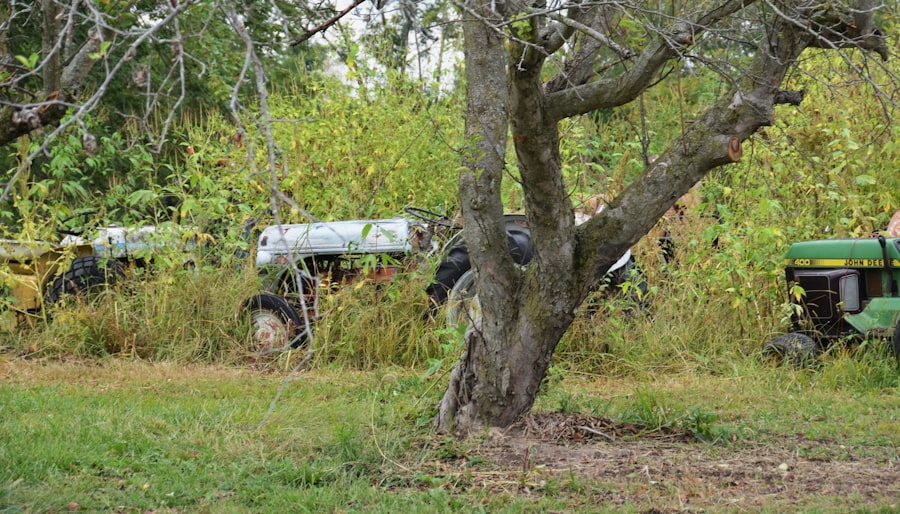
Recycling plays a pivotal role in managing abandoned equipment effectively. By reclaiming valuable materials from discarded items, recycling not only reduces waste but also conserves natural resources. Metals such as steel, aluminum, and copper are commonly found in old machinery and vehicles; recycling these materials can significantly decrease the environmental impact associated with mining and processing new resources.
Furthermore, recycling helps reduce greenhouse gas emissions by minimizing energy consumption during production processes. In addition to environmental benefits, recycling abandoned equipment can also create economic opportunities within local communities. Establishing recycling programs can generate jobs in collection, processing, and resale of reclaimed materials.
These initiatives not only contribute to economic growth but also promote community engagement as residents participate in sustainable practices that benefit their environment.
The Potential for Reuse of Abandoned Equipment
Beyond recycling, there exists significant potential for the reuse of abandoned equipment. Many items that are deemed obsolete or unwanted still possess functional components that can be refurbished or repurposed for new applications. For instance, old machinery may be restored for use in small-scale manufacturing or artisanal crafts, while vehicles could be repaired and sold at a lower cost to those in need of transportation.
Encouraging reuse not only extends the life cycle of products but also fosters creativity and innovation within communities. Local organizations or makerspaces could facilitate workshops that teach individuals how to repair or repurpose abandoned items, empowering residents to take ownership of their environment while simultaneously addressing waste issues. By promoting reuse initiatives, communities can cultivate a culture of sustainability that values resourcefulness and creativity.
The Impact of Abandoned Equipment on Local Communities
The presence of abandoned equipment can have far-reaching effects on local communities beyond environmental degradation and safety hazards. Visually unappealing sites can contribute to a sense of neglect and disinvestment in neighborhoods, leading to decreased community pride and cohesion.
Moreover, abandoned equipment can exacerbate social inequalities within communities. Areas with higher rates of abandonment often correlate with lower socioeconomic status, as marginalized populations may lack access to resources necessary for proper maintenance or disposal of equipment. This cycle perpetuates a sense of hopelessness among residents who may feel trapped in environments plagued by neglect.
Addressing the issue of abandoned equipment is thus not only an environmental concern but also a social justice imperative that requires collective action from all stakeholders.
The Responsibility of Companies and Individuals in Managing Abandoned Equipment
Both companies and individuals share responsibility for managing abandoned equipment effectively. Businesses must adopt practices that prioritize sustainability throughout their operations, including responsible disposal methods for outdated machinery or products. By implementing take-back programs or partnering with recycling organizations, companies can minimize their environmental footprint while demonstrating corporate social responsibility.
Individuals also play a crucial role in addressing this issue by being proactive about their own possessions. Responsible ownership includes understanding when items are no longer usable and seeking appropriate disposal methods rather than allowing them to become abandoned. Community engagement initiatives that raise awareness about the importance of proper management can empower individuals to take action within their neighborhoods.
The Importance of Education and Awareness about Abandoned Equipment
Education and awareness are vital components in tackling the issue of abandoned equipment effectively. Communities must prioritize outreach efforts that inform residents about the environmental impacts, safety hazards, and legal implications associated with neglecting abandoned items. Workshops, informational campaigns, and school programs can help foster a culture of responsibility among community members while equipping them with practical knowledge about proper disposal methods.
Furthermore, raising awareness about the potential for reuse and recycling can inspire innovative solutions within communities. By showcasing successful examples of repurposing abandoned equipment or highlighting local recycling initiatives, residents may feel motivated to participate actively in sustainable practices that benefit their environment.
The Role of Government Policies in Addressing Abandoned Equipment
Government policies play a critical role in addressing the challenges posed by abandoned equipment at both local and national levels. Effective legislation can establish clear guidelines for disposal practices while providing funding for cleanup efforts in affected areas. Additionally, policies that incentivize recycling initiatives or support community engagement programs can foster collaboration between government agencies and local organizations working towards sustainable solutions.
Moreover, governments must prioritize enforcement mechanisms that hold property owners accountable for neglecting abandoned equipment on their land. By implementing fines or penalties for non-compliance with regulations regarding abandoned items, authorities can encourage responsible management practices while ensuring public safety remains a priority. In conclusion, addressing the issue of abandoned equipment requires a multifaceted approach that encompasses environmental stewardship, community engagement, legal accountability, and education initiatives.
By recognizing the interconnectedness of these factors—alongside the roles played by individuals, companies, governments—and fostering collaboration among all stakeholders involved; communities can work towards creating cleaner environments while promoting sustainable practices that benefit future generations.
The significance of the abandoned equipment in military contexts cannot be overstated, as it often serves as a critical indicator of strategic decisions and resource allocation. For a deeper understanding of this topic, you may find the article on military logistics and its impact on operational effectiveness insightful. You can read more about it in this related article: Military Logistics and Operational Effectiveness.
WATCH THIS! The Disaster That Saved Them: How Eagle Claw’s Failure Freed the Hostages
FAQs
What is meant by abandoned equipment?
Abandoned equipment refers to machinery, tools, or devices that have been left unused or neglected for an extended period, often without proper maintenance or disposal.
Why is abandoned equipment significant?
Abandoned equipment is significant because it can pose safety hazards, environmental risks, and financial losses. It may also indicate inefficiencies in asset management and can impact operational productivity.
What are the common causes of equipment abandonment?
Common causes include equipment obsolescence, high repair costs, changes in technology, lack of proper maintenance, and organizational changes such as downsizing or relocation.
What are the potential risks associated with abandoned equipment?
Risks include physical hazards to workers, environmental contamination from leaking fluids or hazardous materials, theft or vandalism, and legal liabilities for property owners.
How can abandoned equipment be managed effectively?
Effective management involves regular inventory audits, timely maintenance, proper disposal or recycling, and implementing policies for equipment lifecycle management.
What environmental concerns are linked to abandoned equipment?
Abandoned equipment can leak harmful substances like oils, fuels, or chemicals, leading to soil and water contamination, which can harm ecosystems and public health.
Can abandoned equipment have any value?
Yes, abandoned equipment may have salvage value through resale, recycling of materials, or refurbishment for reuse, which can help recover costs and reduce waste.
Who is responsible for abandoned equipment?
Responsibility typically lies with the equipment owner or the organization managing the site where the equipment is located, including ensuring compliance with safety and environmental regulations.
What legal regulations apply to abandoned equipment?
Regulations vary by jurisdiction but often include requirements for safe storage, disposal, environmental protection, and reporting of abandoned or hazardous equipment.
How does abandoned equipment impact businesses?
It can lead to increased costs due to storage, cleanup, regulatory fines, reduced operational efficiency, and damage to company reputation.