Military readiness constitutes a fundamental component of national security, defined as the capacity of armed forces to respond efficiently to threats and emergencies. This concept includes multiple elements such as personnel training programs, equipment maintenance protocols, and logistical infrastructure. In today’s complex geopolitical environment, maintaining adequate military capabilities remains essential for national defense.
Budget reductions frequently create substantial obstacles to achieving optimal readiness levels, generating cascading effects that can undermine military operational effectiveness. The consequences of decreased funding affect multiple dimensions beyond financial metrics, including personnel morale, operational capacity, and overall national security posture. Budget constraints create complex challenges for military readiness across several domains.
When financial resources become limited, military leadership faces strategic decisions regarding fund allocation priorities. These circumstances typically result in emphasis on immediate operational requirements rather than long-term capability development, potentially degrading overall military preparedness. Given the continuously changing global security landscape, adequate funding and preparation of military forces becomes increasingly vital.
Comprehending the relationship between military readiness and budget limitations is crucial for both policymakers and the public, as these decisions directly influence future national defense capabilities and security outcomes.
Key Takeaways
- Budget cuts historically undermine military readiness by limiting training, equipment upgrades, and personnel retention.
- Reduced funding hampers effective training and modernization, weakening the military’s ability to respond to threats.
- Personnel retention suffers as budget constraints reduce incentives and career development opportunities.
- National security risks increase when military units are less prepared for deployment due to financial limitations.
- Strategic investment in innovation and balanced budgeting is essential to sustain military readiness and global influence.
Historical context: A brief overview of previous budget cuts and their effects on military readiness
Historically, military budget cuts have often been implemented during periods of perceived peace or economic downturns. For instance, after the Cold War, many nations, including the United States, significantly reduced defense spending, believing that the threat landscape had diminished. However, these cuts had profound implications for military readiness.
Training programs were scaled back, maintenance schedules for equipment were delayed, and modernization efforts were postponed. The result was a military that was ill-prepared for the unexpected challenges that arose in the following decades. The consequences of these historical budget cuts serve as a cautionary tale.
In the early 2000s, as conflicts in Iraq and Afghanistan escalated, the military found itself stretched thin, grappling with equipment shortages and personnel fatigue.
As nations face new threats from state and non-state actors alike, it becomes clear that historical patterns of budget cuts can lead to vulnerabilities that compromise national security.
Training: How limited funding affects the ability of military personnel to train effectively and maintain readiness
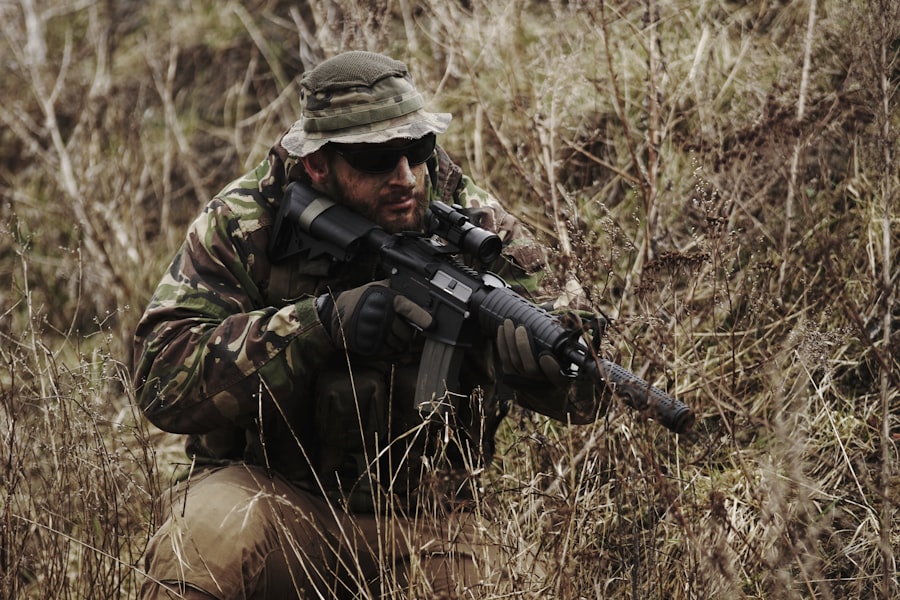
Training is a fundamental component of military readiness, ensuring that personnel are equipped with the skills and knowledge necessary to perform their duties effectively. However, when budgets are slashed, training programs often bear the brunt of these cuts. Limited funding can lead to fewer training exercises, reduced access to advanced simulation technologies, and diminished opportunities for joint exercises with allied forces.
As a result, service members may find themselves inadequately prepared for real-world scenarios. Moreover, the quality of training can suffer when resources are constrained. Instructors may be overworked or underqualified due to budget limitations, leading to a decline in training standards.
This not only affects individual soldiers but also impacts unit cohesion and overall operational effectiveness. The inability to conduct comprehensive training can create gaps in knowledge and skills that are difficult to bridge once personnel are deployed. Ultimately, inadequate training due to budget cuts can have dire consequences on mission success and troop safety.
Equipment upgrades: The challenges of modernizing and maintaining military equipment with a constrained budget
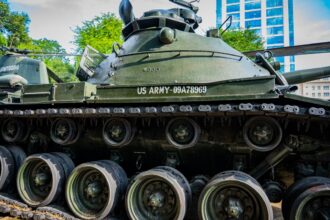
Modern warfare demands advanced technology and equipment capable of addressing evolving threats. However, budget cuts often hinder the ability to upgrade and maintain military assets effectively. Aging equipment can become increasingly unreliable and less effective in combat situations, putting service members at risk.
The challenge lies in balancing immediate operational needs with long-term modernization goals. When funding is limited, military leaders may be forced to prioritize short-term fixes over comprehensive upgrades. This can lead to a patchwork approach to maintenance and modernization, where critical systems are neglected while others receive attention based on immediate needs.
Such an approach can create vulnerabilities within the force structure, as outdated equipment may not perform adequately against modern adversaries. The inability to invest in new technologies not only affects current operations but also undermines future capabilities.
Personnel retention: The impact of budget cuts on the ability to attract and retain skilled personnel in the military
| Factor | Description | Impact on Military Readiness | Example Metrics |
|---|---|---|---|
| Budget Constraints | Insufficient funding for training, equipment, and maintenance | Limits ability to maintain and upgrade equipment and conduct training exercises | Percentage of budget cuts, deferred maintenance backlog |
| Personnel Shortages | Inadequate recruitment and retention of qualified personnel | Reduces available manpower and expertise for missions | Vacancy rates, attrition rates, recruitment shortfalls |
| Training Deficiencies | Insufficient or outdated training programs and facilities | Decreases combat readiness and operational effectiveness | Training hours per soldier, readiness test scores |
| Equipment Aging and Maintenance | Use of outdated or poorly maintained equipment | Increases failure rates and reduces operational capability | Percentage of equipment past service life, maintenance downtime |
| Operational Tempo | High deployment rates leading to fatigue and burnout | Impairs personnel health and unit cohesion | Average deployment length, number of deployments per year |
| Policy and Bureaucracy | Complex regulations and slow decision-making processes | Delays modernization and responsiveness | Time to approve new programs, procurement cycle length |
Attracting and retaining skilled personnel is vital for maintaining military readiness. However, budget cuts can create an environment where recruitment and retention become increasingly challenging. When financial resources are limited, benefits such as competitive salaries, bonuses, and educational opportunities may be reduced or eliminated altogether.
This can deter potential recruits from joining the military and lead to higher attrition rates among existing personnel. Moreover, morale can suffer when service members perceive that their compensation and benefits are not commensurate with their sacrifices. High turnover rates can disrupt unit cohesion and institutional knowledge, making it difficult for military organizations to maintain operational effectiveness.
As experienced personnel leave the service for better opportunities in the civilian sector, the military may struggle to fill critical roles with qualified individuals. This cycle of attrition exacerbates the challenges posed by budget cuts and threatens long-term readiness.
Readiness for deployment: How budget cuts affect the readiness of military units to deploy and respond to national security threats

The ability of military units to deploy rapidly in response to national security threats is a key indicator of overall readiness. Budget cuts can significantly impact this capability by limiting resources available for pre-deployment training, logistical support, and equipment maintenance. When units are not adequately prepared for deployment, they may face challenges in executing missions effectively.
In times of crisis, the consequences of reduced readiness can be severe. Units may find themselves lacking essential supplies or equipment necessary for successful operations. Additionally, if personnel have not received sufficient training or experience joint operations with allied forces, they may struggle to adapt to dynamic combat environments.
The inability to deploy effectively not only jeopardizes mission success but also places service members at greater risk during operations.
National security implications: The potential risks and consequences of reduced military readiness for the country’s security
The implications of reduced military readiness extend beyond immediate operational concerns; they pose significant risks to national security as a whole. A less prepared military may embolden adversaries who perceive weakness or vulnerability in a nation’s defense posture. This perception can lead to increased aggression from hostile states or non-state actors seeking to exploit perceived gaps in security.
Furthermore, diminished readiness can hinder a nation’s ability to respond effectively to emerging threats or crises. Whether facing conventional warfare or asymmetric challenges such as cyberattacks or terrorism, a well-prepared military is essential for safeguarding national interests. The consequences of failing to maintain readiness can reverberate throughout society, affecting not only military personnel but also civilians who rely on national defense for their safety and security.
Innovation and modernization: The importance of investing in new technologies and strategies to maintain military readiness despite budget constraints
In an era marked by rapid technological advancements and evolving threats, innovation is crucial for maintaining military readiness. While budget constraints may limit traditional funding avenues, investing in new technologies and strategies can yield significant returns in terms of operational effectiveness. Embracing innovation allows militaries to adapt to changing circumstances while maximizing available resources.
For instance, leveraging emerging technologies such as artificial intelligence, unmanned systems, and advanced data analytics can enhance decision-making processes and improve operational efficiency. By prioritizing research and development initiatives even within constrained budgets, militaries can position themselves at the forefront of modern warfare capabilities. This proactive approach not only addresses immediate challenges but also lays the groundwork for future success in an increasingly complex security environment.
Congressional and public debate: The ongoing discussions and controversies surrounding military budget cuts and their impact on readiness
The issue of military budget cuts often sparks intense debate among lawmakers and the public alike.
This ongoing discourse reflects broader societal values regarding defense spending and its role in ensuring safety.
Congressional discussions surrounding military budgets frequently involve contentious negotiations over funding levels and priorities. Lawmakers must balance competing interests while considering the implications of budget decisions on overall readiness. Public opinion also plays a significant role in shaping these debates; citizens’ perceptions of threats and their expectations for national defense influence how budgets are allocated.
Ultimately, finding common ground on these issues is essential for ensuring that military readiness remains a priority amid competing demands.
International perspective: How budget cuts affect the perception of the country’s military strength and influence on the global stage
On the international stage, perceptions of military strength are closely tied to a nation’s ability to project power and influence global affairs. Budget cuts can undermine this perception by signaling a lack of commitment to defense capabilities. Adversaries may interpret reduced funding as an opportunity to challenge a nation’s interests or expand their influence in contested regions.
Moreover, allies may question their partnerships with countries experiencing diminished military readiness. Trust is built on reliability; if allies perceive that a nation cannot fulfill its defense commitments due to budget constraints, it may lead them to reconsider their own security arrangements. This shift in perception can have far-reaching consequences for international alliances and geopolitical stability.
The need for strategic and sustainable approaches to balancing budget constraints with the imperative of maintaining military readiness
In conclusion, navigating the complexities of military readiness amid budget constraints requires strategic foresight and sustainable approaches. Policymakers must recognize that maintaining a robust defense posture is not merely an expenditure but an investment in national security. Balancing immediate fiscal realities with long-term preparedness is essential for ensuring that armed forces remain capable of addressing evolving threats.
As nations grapple with competing priorities in an increasingly uncertain world, it is imperative that discussions surrounding military budgets prioritize readiness as a fundamental component of national defense strategy. By fostering innovation, investing in personnel development, and ensuring adequate training and equipment maintenance despite financial limitations, countries can position themselves for success on both domestic and international fronts. Ultimately, a commitment to sustaining military readiness will serve as a cornerstone for safeguarding national interests in an ever-changing global landscape.
Military readiness can be significantly impacted by various factors, including budget constraints, personnel shortages, and outdated equipment. For a deeper understanding of these challenges, you can explore the article on military readiness at this link. The insights provided in the article highlight how these issues can compromise a nation’s ability to respond effectively to threats and maintain operational effectiveness.
FAQs
What is military readiness?
Military readiness refers to the ability of armed forces to perform their assigned missions effectively and promptly. It encompasses personnel training, equipment maintenance, logistical support, and overall operational capability.
What are common factors that cause military readiness to suffer?
Military readiness can suffer due to budget constraints, inadequate training, aging or insufficient equipment, personnel shortages, poor maintenance, and logistical challenges. Additionally, extended deployments and high operational tempo can lead to fatigue and reduced preparedness.
How do budget cuts impact military readiness?
Budget cuts can limit funding for training exercises, equipment upgrades, maintenance, and personnel recruitment or retention. This reduction in resources can degrade the overall capability and preparedness of military units.
Why is equipment maintenance important for military readiness?
Proper maintenance ensures that military equipment functions reliably during operations. Neglecting maintenance can lead to equipment failures, reducing the effectiveness and safety of military personnel.
How does personnel training affect military readiness?
Regular and realistic training ensures that military personnel are skilled, confident, and prepared to execute their missions. Insufficient training can result in decreased performance and increased risk during operations.
Can extended deployments affect military readiness?
Yes, extended or frequent deployments can lead to personnel fatigue, decreased morale, and burnout, which negatively impact readiness and the ability to sustain operations over time.
What role does logistics play in maintaining military readiness?
Effective logistics ensure that troops have the necessary supplies, equipment, and support to carry out missions. Disruptions or inefficiencies in logistics can hinder operational capabilities and readiness.
How do personnel shortages influence military readiness?
Shortages in skilled personnel can strain existing forces, reduce unit cohesion, and limit the military’s ability to perform multiple or sustained operations, thereby diminishing readiness.
Are there external factors that can affect military readiness?
Yes, geopolitical tensions, changes in defense policy, technological advancements by adversaries, and natural disasters can all impact military readiness by altering priorities or straining resources.
What measures can be taken to improve military readiness?
Improving military readiness involves adequate funding, regular and realistic training, timely equipment maintenance and modernization, effective personnel management, and robust logistical support.