Military espionage, often shrouded in a veil of secrecy and misdirection, serves as a clandestine yet fundamental component of statecraft and international relations. Its existence, while frequently sensationalized in popular culture, is a stark reality, constantly shaping geopolitical landscapes and influencing the course of conflicts, both overt and covert. This article delves into the concealed mechanisms and profound implications of military espionage, aiming to illuminate its intricate world for the discerning reader.
Military espionage is not merely a modern phenomenon; its roots extend deep into antiquity, evolving with the sophistication of warfare and state organization. From the scouts and spies of ancient empires to the complex intelligence agencies of today, the core objective remains constant: to gather information that confers a strategic advantage.
Historical Precedents and Early Methodologies
Ancient civilizations, including the Egyptians, Romans, and Chinese, recognized the value of intelligence operations. Sun Tzu’s Art of War, for example, dedicates an entire chapter to the use of spies, categorizing them and detailing their deployment. These early methodologies often involved human intelligence (HUMINT) – the deployment of individuals to infiltrate enemy territories or gather information through observation and seduction. The use of coded messages, disguised couriers, and disinformation campaigns were also prevalent, laying the groundwork for many contemporary practices.
The Evolution of Intelligence Gathering
The 20th century witnessed a revolutionary transformation in military espionage. The advent of radio communication, aerial reconnaissance during World War I, and later, signals intelligence (SIGINT) and imagery intelligence (IMINT) during World War II, dramatically broadened the scope and capabilities of intelligence collection. The Cold War further accelerated this evolution, introducing satellite surveillance, advanced cryptographic techniques, and the proliferation of intelligence agencies as permanent fixtures of national security apparatuses. These technological leaps transformed espionage from a primarily human-centric endeavor into a complex, multi-faceted operation integrating human ingenuity with technological prowess.
In exploring the hidden truths of military espionage, one can gain deeper insights by examining the article titled “The Shadows of Intelligence: Unveiling Military Secrets.” This piece delves into the intricate world of covert operations and the ethical dilemmas faced by those involved in espionage. For more information on this topic, you can read the article here: The Shadows of Intelligence: Unveiling Military Secrets.
The Modus Operandi of Modern Military Espionage
Modern military espionage operates within a highly complex and interconnected global environment. It is a multi-layered undertaking, employing a diverse array of methodologies and technologies, often remaining invisible to the public eye.
Human Intelligence (HUMINT) Operations
Despite the rise of advanced technologies, human intelligence remains a cornerstone of military espionage. This involves the recruitment and deployment of agents – individuals cultivated to provide information about an adversary’s capabilities, intentions, and vulnerabilities. These agents can be high-ranking officials with access to sensitive information, disaffected individuals seeking a new allegiance, or even unwitting sources manipulated into revealing details. The process of agent recruitment is often a slow, meticulous game of patience and psychological finesse, demanding extensive preparation, training, and ongoing support for the operative. Deception, persuasion, and the exploitation of personal weaknesses are integral tools in this challenging domain.
Signals Intelligence (SIGINT) and Cyber Espionage
The digital age has ushered in an era where the electromagnetic spectrum is as crucial a battlefield as land, air, or sea. Signals intelligence (SIGINT) involves the interception and analysis of electronic communications – from radio transmissions and telephone calls to encrypted digital data. This encompasses communications intelligence (COMINT), which focuses on intercepted conversations, and electronic intelligence (ELINT), which analyzes electronic emissions from enemy radar, missile systems, and other electronic devices.
Cyber espionage, a more recent but equally pervasive threat, involves the infiltration of computer networks and systems to steal sensitive data, intellectual property, or classified military information. This can range from sophisticated state-sponsored hacking groups targeting defense contractors to the deployment of malware designed to extract information from government servers. The digital landscape provides a vast new frontier for espionage, offering unparalleled access to information while simultaneously demanding constant vigilance and advanced cybersecurity measures to counter these threats.
Imagery Intelligence (IMINT) and Open-Source Intelligence (OSINT)
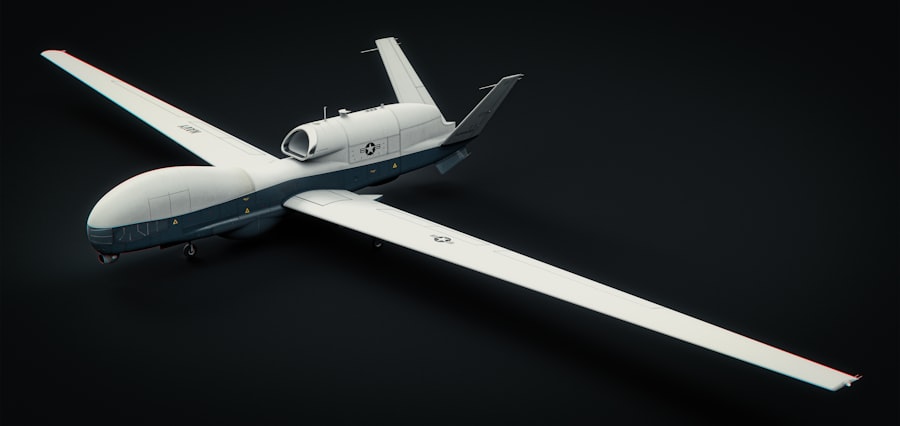
Imagery intelligence (IMINT) leverages satellite imagery, aerial reconnaissance, and even commercially available geospatial data to monitor troop movements, assess military infrastructure, and track weapons development. With advancements in satellite technology, resolutions have reached a point where even minute details of military installations can be discerned, providing invaluable insights into an adversary’s capabilities and deployments.
Open-Source Intelligence (OSINT), while seemingly less glamorous, is an increasingly vital component of modern intelligence gathering. It involves the collection and analysis of publicly available information, such as news reports, social media posts, academic papers, and government documents. In an age of information overload, the ability to sift through vast quantities of data, identify credible sources, and extract relevant intelligence is a highly specialized skill. OSINT often serves as a foundational layer, providing context and corroboration for information gathered through more clandestine means.
The Ethical and Legal Labyrinth
Military espionage, by its very nature, operates within a grey area of international law and ethical considerations. The pursuit of national security often necessitates actions that, in a civilian context, would be deemed illegal or immoral.
The Morality of Deception and Infiltration
For the intelligence operative, deception is not a flaw in character but a professional necessity. Agents are trained to lie, to manipulate, and to betray trust in the service of their nation. This raises profound ethical questions about the nature of truth and the boundaries of justifiable actions in pursuit of national interests. The human cost of espionage, often involving the psychological toll on agents and the potential for severe consequences for those discovered, remains a constant and somber undertone.
International Laws and Undefined Boundaries
While there are international conventions governing warfare, the realm of peacetime espionage remains largely unregulated by explicit international law. The widely accepted principle is that nations will engage in espionage, and those caught doing so will be punished under the laws of the host nation. This creates a delicate balance where nations tacitly acknowledge each other’s intelligence operations while simultaneously condemning and prosecuting them when discovered. This “gentlemen’s agreement” of perpetual suspicion underscores the inherent paradox of state-sponsored spying. The line between legitimate intelligence gathering and illegal incursions is a constantly shifting sand dune, often defined by political expediency rather than clear legal precedent.
The Impact on Geopolitics and Conflict

The intelligence gathered through military espionage is a potent force, capable of altering the trajectory of international relations and influencing the outcomes of conflicts. It acts as the hidden hand in the game of nations, occasionally revealing itself with dramatic consequences.
Deterrence and De-escalation
Accurate intelligence about an adversary’s military capabilities and intentions can serve as a powerful deterrent. If a nation possesses reliable information that its potential aggression would be met with an overwhelming response, it may choose to de-escalate rather than initiate conflict. Conversely, the lack of such intelligence can lead to miscalculations and unintended escalations. Espionage, therefore, can act as a crucial pillar of stability, providing the necessary foresight to avoid catastrophic confrontations.
Enabling Pre-emptive and Defensive Actions
Intelligence allows nations to anticipate threats, enabling them to take pre-emptive or defensive actions. This could involve intercepting weapon shipments, disrupting terrorist plots, or reinforcing borders in response to observed military build-ups. The ability to act before a crisis fully materializes can save lives, protect national assets, and maintain regional stability. Without the early warning provided by espionage, nations would be perpetually reactive, constantly playing catch-up against evolving threats.
Shaping Diplomatic and Economic Policies
Beyond direct military applications, intelligence gathered through espionage profoundly influences diplomatic and economic policies. Knowledge of a rival nation’s economic vulnerabilities, political factions, or diplomatic strategies can be leveraged in negotiations, sanctions regimes, or trade agreements. Espionage is not solely about tanks and missiles; it is also about understanding the complex tapestry of power and influence that underpins international relations. This information is a silent currency, traded not in public markets, but in the hushed corridors of power, shaping decisions that impact billions.
The world of military espionage is often shrouded in secrecy, revealing hidden truths that can alter the course of history. A fascinating exploration of this topic can be found in a related article that delves into the intricate web of intelligence operations and the ethical dilemmas they pose. For those interested in uncovering more about the covert activities that shape global conflicts, this insightful piece is a must-read. You can access it [here](https://www.inthewarroom.com/).
Counter-Espionage and Security Measures
| Aspect | Hidden Truth | Impact on Military Operations | Example |
|---|---|---|---|
| Double Agents | Many spies work as double agents, feeding false information to both sides. | Leads to misinformation and strategic miscalculations. | Operation Fortitude in WWII used double agents to mislead Nazis about D-Day location. |
| Technological Surveillance | Advanced tech like signal interception is often more effective than human spies. | Reduces reliance on risky human intelligence gathering. | NSA’s PRISM program intercepts global communications. |
| Espionage Failures | Many espionage missions fail silently and remain undisclosed. | Failure rates are high but rarely publicized, affecting morale and strategy. | Failed CIA operations during the Cold War often went unreported. |
| Psychological Manipulation | Espionage often involves psychological tactics to recruit or manipulate targets. | Can turn insiders into valuable assets without physical infiltration. | Use of “honey traps” or blackmail to recruit spies. |
| Legal and Ethical Boundaries | Espionage frequently operates in legal gray zones internationally. | Creates diplomatic tensions and potential international incidents. | US spying on allied leaders revealed by Snowden leaks. |
The pervasive nature of military espionage necessitates equally sophisticated counter-espionage efforts. Every nation engaged in intelligence gathering is also simultaneously a target, leading to a perpetual arms race in security and deception.
Protecting Sensitive Information
Robust security protocols are paramount in safeguarding classified military information. This includes physical security measures for government buildings and military installations, stringent protocols for handling sensitive documents, and advanced cybersecurity measures to protect digital networks. Personnel are subjected to rigorous background checks and continuous monitoring, with an emphasis on preventing insider threats – individuals who, from within, might betray national secrets. The weakest link in any security chain is often the human element, requiring constant training and vigilance.
Identifying and Neutralizing Adversary Agents
Counter-espionage agencies are tasked with identifying, tracking, and ultimately neutralizing foreign intelligence agents operating within their borders. This involves a complex interplay of surveillance, forensic analysis, and sometimes, the turning of adversary agents into double agents. The stakes are incredibly high, as a successful foreign intelligence operation can have devastating consequences for national security. The process is akin to a complex chess game, where each move and counter-move is calculated with meticulous precision, aiming to stay one step ahead of the adversary.
The Role of Deception and Disinformation
In the shadowy world of espionage, deception is a two-edged sword. While intelligence agencies actively seek to deceive their adversaries, they must also guard against being deceived themselves. Disinformation campaigns, designed to sow confusion and erode trust, are a common tactic. Creating false leads, leaking misleading information, and planting “fake news” are all part of the intelligence toolkit used to gain an advantage or protect critical assets. This constant dance of truth and falsehood is a testament to the intricate and often paradoxical nature of military intelligence.
The hidden truths of military espionage reveal a world far more complex and nuanced than popular portrayals suggest. It is a domain where cutting-edge technology intertwines with ancient human cunning, where ethical ambiguities are a constant companion, and where the clandestine actions of a few can profoundly shape the destinies of many. As the global landscape continues to evolve, so too will the methods and challenges of military espionage, forever remaining a silent, yet powerful, force in the grand theater of international affairs. Understanding its mechanisms is not just a matter of curiosity, but a critical step in comprehending the delicate balance of power that governs our world.

SHOCKING: How the KGB Read Our Nuclear Codes for 18 Years
FAQs
What is military espionage?
Military espionage refers to the practice of gathering confidential or classified information related to national defense and military operations through covert means. It involves intelligence activities aimed at gaining strategic advantages over adversaries.
How do military agencies conduct espionage?
Military agencies use a variety of methods for espionage, including human intelligence (HUMINT) through spies and informants, signals intelligence (SIGINT) by intercepting communications, cyber espionage to hack into enemy networks, and satellite reconnaissance for surveillance.
What are some common targets of military espionage?
Common targets include enemy troop movements, weapon development programs, strategic plans, communication systems, and technological advancements. Espionage aims to uncover vulnerabilities and intentions of opposing forces.
Is military espionage legal under international law?
The legality of military espionage is complex and varies by context. While espionage is generally considered illegal by the targeted state, it is often tolerated or overlooked in international relations. There is no comprehensive international treaty that explicitly regulates espionage activities.
What are the risks involved in military espionage?
Risks include exposure and capture of agents, diplomatic fallout, escalation of conflicts, and potential retaliation. Espionage operations require careful planning to avoid compromising national security and international relations.