The documentary, “The Hidden Costs of the Iraq War: A Strategic Examination,” offers a sobering and meticulously researched look beyond the immediate battlefield to unravel the profound and often overlooked consequences of the 2003 invasion of Iraq. Eschewing sensationalism, the film presents a dispassionate yet deeply impactful analysis of the long-term repercussions, arguing that the true price of the conflict extends far beyond financial expenditures and casualty figures, fundamentally reshaping regional stability, global perceptions, and even domestic priorities for an extended period. The narrative is structured to systematically peel back layers of complexity, revealing a cascade of interconnected issues that continue to reverberate years later.
The documentary dedicates significant attention to the sheer magnitude of the financial cost of the Iraq War, but crucially, it moves beyond simply reporting figures. It scrutinizes how these expenditures were allocated and the enduring economic ramifications they created, both for the United States and for Iraq. The film emphasizes that the initial projections for the war’s cost were wildly inaccurate, underestimating the duration and the scope of the military commitment required.
The Disappearing Dollars: Budgetary Overruns and Opportunity Costs
“The Hidden Costs” meticulously details the escalating budgetary overruns, illustrating how seemingly modest initial estimates ballooned into trillions of dollars over the course of the conflict and its aftermath. The documentary draws a clear line between the direct costs of military operations, troop deployment, equipment, and reconstruction efforts, and the indirect but equally significant costs that have since manifested. Of particular focus is the concept of “opportunity cost” – the vast sums of money that could have been invested in domestic infrastructure, education, healthcare, or research and development. The film makes a compelling case that these foregone investments represent a substantial, albeit less tangible, economic deficit stemming from the war. It interrogates the prioritization of military spending over civilian needs, highlighting the long-term implications of such choices on societal well-being and economic competitiveness.
The Long Shadow of Debt: Interest Payments and Future Obligations
A critical aspect explored is the impact of war financing on national debt. The documentary reveals how much of the war was funded through borrowing, leading to substantial interest payments that continue to accrue long after the active combat phases concluded. Experts interviewed within the film articulate the long-term burden this debt places on future generations, diverting resources that could otherwise be used for essential public services or investments in future economic growth. The film avoids hyperbole but calmly presents the statistical reality of how each dollar spent on interest represents a dollar not spent on schools, roads, or technological innovation.
Reconstruction and Remnants: The Cost of Rebuilding a Nation
The film critically examines the immense costs associated with attempting to rebuild Iraq. It scrutinizes the effectiveness and transparency of reconstruction funds, highlighting instances of waste, corruption, and misallocation. The documentary poses pointed questions about the feasibility and sustainability of such efforts, especially in a deeply fractured and war-torn environment. Beyond the financial outlay, the film also considers the immense physical and human cost of rebuilding, a process that has been slow, uneven, and fraught with challenges, contributing to an ongoing economic drain.
The documentary on the strategic costs of the Iraq War provides a comprehensive analysis of the financial, human, and geopolitical implications of the conflict. For those interested in exploring this topic further, a related article that delves into the economic impact and long-term consequences of military interventions can be found at this link. This article complements the documentary by offering additional insights and perspectives on the complexities surrounding the war’s costs and benefits.
The Human Toll: Visible Wounds and Invisible Scars
While the human cost of war is often measured in casualties, “The Hidden Costs” emphasizes the far broader and more enduring impact on individuals, families, and communities, both in Iraq and among the nations involved in the conflict. The documentary delves into the physical, psychological, and social ramifications, moving beyond simple statistics to explore the lived experiences of those most affected.
The Legacy of Trauma: Physical and Psychological Wounds
The film dedicates substantial segments to the physical injuries sustained by soldiers and civilians, documenting the lifelong impact of these wounds. More profoundly, it explores the pervasive psychological trauma experienced by those who served, including rates of PTSD, depression, and suicide. The documentary highlights the inadequate support systems that were in place for returning veterans, detailing the systemic failures and the long, arduous journey many have faced in seeking adequate care. For the Iraqi population, the film illustrates the intergenerational trauma inflicted by years of conflict, displacement, and the breakdown of societal structures.
The Refugee Crisis and Displacement: A Lingering Humanitarian Concern
“The Hidden Costs” underscores the significant human displacement that resulted from the war. It portrays the immense scale of the refugee crisis, both internally displaced persons within Iraq and those who sought refuge in neighboring countries and beyond. The documentary examines the prolonged suffering of these displaced populations, the challenges of achieving durable solutions, and the strain placed on host nations. The film argues that the humanitarian consequences of this displacement represent a profound and ongoing cost, a testament to the destabilizing effects of the war.
The Social Fabric: Erosion of Trust and Community Breakdown
Beyond individual suffering, the documentary addresses the deep erosion of social trust and community structures that the war precipitated. It details how years of sectarian violence, political instability, and economic hardship have fractured Iraqi society, making reconciliation and rebuilding a daunting task. The film also examines the impact on the social fabric of the nations involved in the conflict, exploring how prolonged deployments and the societal anxieties associated with war can affect families and communities at home.
Geopolitical Repercussions: A Shifting Global Landscape
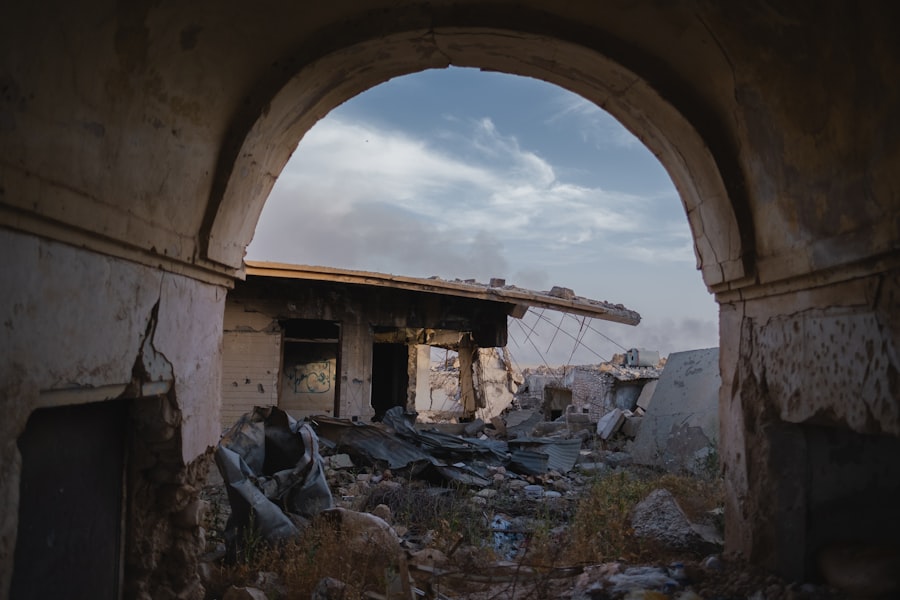
“The Hidden Costs” argues that the Iraq War did not merely alter the landscape of Iraq; it fundamentally reshaped the geopolitical dynamics of the Middle East and had ripple effects on global alliances and perceptions. The documentary meticulously traces the unintended consequences that have continued to influence international relations.
The Rise of Extremism: An Unforeseen Consequence
A central thesis of the film is the direct and indirect contribution of the Iraq War to the rise of extremist groups. The documentary presents evidence suggesting that the invasion created new vacuums, fostered resentment, and provided fertile ground for radical ideologies to take root and flourish. It critiques the initial assumptions that often overlooked the complex socio-political undertones of the region, leading to unforeseen and dangerous outcomes. The film avoids simplistic cause-and-effect narratives but meticulously builds a case for the war’s role in exacerbating existing tensions and creating new breeding grounds for insurgency.
Regional Instability and Proxy Conflicts: A Domino Effect
The documentary details how the war destabilized the broader Middle East, igniting or intensifying existing sectarian divides and fueling proxy conflicts. It examines how the power vacuum left by the toppling of Saddam Hussein led to increased assertiveness from regional powers, often through indirect means, further fragmenting the region and increasing the risk of wider conflagration. The film articulates how these proxy wars have had devastating human costs and have contributed to ongoing humanitarian crises in surrounding nations.
Damage to International Standing and Soft Power: A Loss of Credibility
“The Hidden Costs” critically assesses the impact of the war on the international standing and soft power of the United States. The documentary features interviews with international relations experts who argue that the unilateral nature of the invasion, the flawed justifications, and the subsequent handling of the occupation severely damaged global trust and undermined the nation’s moral authority. The film suggests that this erosion of credibility has had lasting consequences for diplomatic efforts and the ability to garner international cooperation on other pressing global issues.
Strategic Miscalculations: Lessons Learned and Unlearned

The documentary dedicates substantial attention to dissecting the strategic miscalculations that characterized the lead-up to and execution of the Iraq War. It argues that a failure to adequately understand the complexities of Iraqi society, the nuances of regional politics, and the potential long-term ramifications of military intervention set in motion a chain of negative consequences.
Intelligence Failures and Justifications: The Premise of Invasion
A significant portion of the film is dedicated to scrutinizing the intelligence failures that underpinned the rationale for the invasion. The documentary presents a dispassionate analysis of how pre-war intelligence assessments were often flawed, misinterpreted, or selectively emphasized, contributing to a faulty premise for war. It questions the accountability for these failures and the lasting impact on public trust in government institutions.
The Illusion of a Swift Victory: Underestimating the Insurgency
“The Hidden Costs” critiques the widespread assumption of a swift and relatively easy victory. The documentary illustrates how planners significantly underestimated the resilience of the Iraqi resistance and the complexities of post-invasion nation-building. It highlights the disconnect between the initial optimistic projections and the protracted and brutal insurgency that followed, leading to prolonged military engagement and escalating costs.
The Shifting Objectives: Mission Creep and Strategic Drift
The documentary explores the phenomenon of “mission creep,” whereby the initial objectives of the war evolved and expanded over time without clear strategic justification or adequate resources. It argues that this drift in objectives contributed to the prolonged engagement and the unanticipated consequences, as the nation found itself embroiled in nation-building and counter-insurgency operations that were not part of the original mandate.
The documentary on the strategic costs of the Iraq War provides a comprehensive analysis of the financial and human toll of the conflict, shedding light on the long-term implications for both the United States and Iraq. For those interested in exploring this topic further, a related article can be found at In the War Room, which delves into the broader geopolitical consequences and the lessons learned from military engagements in the region. This resource complements the documentary by offering additional insights into the complexities of war and its aftermath.
The Enduring Legacy: A Forewarning for the Future
| Year | Cost (in billions) | Source |
|---|---|---|
| 2003 | 50 | Congressional Research Service |
| 2004 | 75 | Department of Defense |
| 2005 | 101 | Government Accountability Office |
| 2006 | 138 | Special Inspector General for Iraq Reconstruction |
| 2007 | 144 | Department of Defense |
The concluding segments of “The Hidden Costs of the Iraq War: A Strategic Examination” are not focused on assigning blame but on extracting critical lessons for future policy decisions. The documentary urges viewers to consider the multifaceted nature of war and the enduring consequences that extend far beyond the battlefield, serving as a stark reminder of the complexities involved in international military intervention.
The Importance of Long-Term Planning and Assessment
The film emphasizes the critical need for meticulous, long-term strategic planning that accounts for a wide range of potential outcomes, including unintended consequences. It advocates for a more rigorous and skeptical approach to intelligence analysis and a greater understanding of the socio-political dynamics of target nations. The documentary suggests that a failure to engage in such comprehensive foresight inevitably leads to costly and damaging miscalculations.
Re-evaluating Interventionism: The Threshold for Military Action
“The Hidden Costs” implicitly, and sometimes explicitly, prompts a re-evaluation of the threshold for military intervention. The documentary presents a compelling argument for a higher bar, demanding a clearer understanding of achievable objectives, a robust exit strategy, and a comprehensive assessment of the potential human, economic, and geopolitical costs before committing to military action. It encourages a more nuanced understanding of national security that extends beyond immediate military threats.
A Call for Transparency and Accountability
Ultimately, the documentary serves as a call for greater transparency and accountability in decisions of war and peace. It argues that the public has a right to understand the full spectrum of costs associated with military engagements, both immediate and long-term. The film advocates for robust mechanisms to hold policymakers accountable for the decisions they make and the consequences that follow, ensuring that the lessons of past conflicts are heeded. The enduring legacy of the Iraq War, as presented by this documentary, is a powerful and sobering testament to the profound and often hidden costs of armed conflict.
FAQs
What is the strategic cost of the Iraq War documentary?
The strategic cost of the Iraq War documentary refers to the long-term consequences and impact of the war on various aspects such as political, economic, and social stability in the region.
What are some examples of strategic costs highlighted in the documentary?
Examples of strategic costs highlighted in the documentary may include the destabilization of the region, the rise of extremist groups, the loss of civilian lives, the strain on the global economy, and the impact on international relations.
How does the Iraq War documentary shed light on the strategic costs of the war?
The Iraq War documentary sheds light on the strategic costs of the war by presenting in-depth analysis, interviews with experts, and firsthand accounts of the impact of the war on various aspects of society and global stability.
What are the implications of the strategic costs of the Iraq War?
The implications of the strategic costs of the Iraq War include long-term consequences for the region, ongoing security challenges, political instability, economic repercussions, and the need for continued international engagement and support.
What can be learned from the strategic costs of the Iraq War documentary?
The documentary provides valuable insights into the complexities and repercussions of military interventions, the importance of understanding the strategic costs of war, and the need for informed decision-making in international affairs.