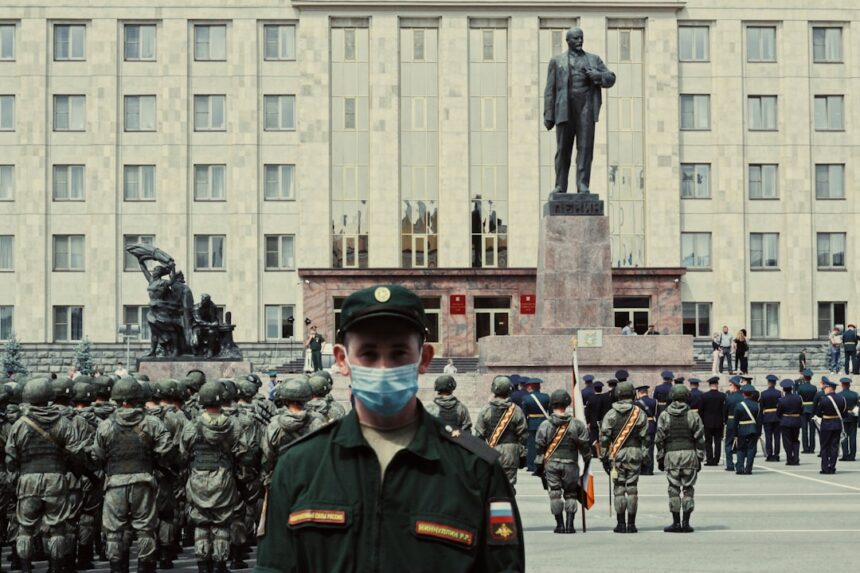
The Soviet Union, a vast expanse of land and a global superpower for much of the 20th century, poured an enormous portion of its resources into military modernization. While the visible manifestations of this effort – the formidable tanks, the sleek fighter jets, the imposing submarines – often dominated international perception, a deeper examination reveals a web of hidden costs that significantly impacted the nation’s economy, society, and eventual collapse. These weren’t just financial drains; they were silences in the marketplace, shortages in the shops, and choked innovations in civilian sectors.
The Soviet Union’s military-industrial complex operated as a colossal forge, its fires burning relentlessly to produce instruments of war. This was not a minor expenditure; it was the central pillar around which the entire Soviet economy was organized. Decisions about what to produce, where to allocate labor, and which technologies to prioritize were overwhelmingly dictated by the needs of the military. This single-minded focus, though it produced impressive military hardware, cast a long shadow over other critical areas of national life, acting like a powerful magnet pulling all available resources into its orbit.
The Sheer Scale of Expenditure: A Bottomless Pit
Estimates of Soviet defense spending vary, but consensus places it at a significant percentage of their Gross Domestic Product (GDP) throughout much of the Cold War. Figures often range from 15% to 25%, and some analyses suggest it rose even higher in certain periods. To put this into perspective, the United States, while also a heavily militarized nation, typically allocated a smaller proportion of its GDP to defense. This meant that for every ruble that could have been invested in improving living standards, developing civilian industries, or funding social programs, a substantial chunk was diverted to the relentless pursuit of military superiority. This perpetual outflow of capital was akin to a leaky bucket, constantly requiring more to be added without ever truly filling.
Opportunity Costs: The Roads Not Taken
The most insidious hidden cost was the opportunity cost. Every tank produced, every missile manufactured, represented a concrete item that wasn’t built – a hospital that wasn’t funded, a factory that wasn’t modernized for consumer goods, a university that didn’t receive cutting-edge scientific equipment for civilian research. Engineers who could have been designing more efficient tractors were instead designing more effective artillery. Scientists who might have been leading breakthroughs in medicine were instead focused on developing new forms of weaponry. This redirection of intellectual and productive capacity meant that the Soviet Union lagged behind the West in many non-military areas, leading to a noticeable gap in quality of life and technological advancement outside the defense sector.
The Command Economy’s Double-Edged Sword: Efficiency Sacrificed for Scale
The Soviet command economy, designed for centralized control and mass production, was theoretically well-suited for churning out vast quantities of standardized military equipment. However, this system also bred inefficiency. Without the competitive pressures of a market economy, there was little incentive to innovate for cost-effectiveness or to adapt quickly to changing needs. This often resulted in overproduction of obsolete designs and a persistent struggle to meet targets for quality and variety in consumer goods. The military, while receiving immense resources, also suffered from the inherent rigidity of the system, with lengthy development cycles and sometimes bureaucratic roadblocks hindering genuine technological leaps.
The hidden costs of Soviet military modernization have been a topic of extensive analysis, shedding light on the economic and social implications of the arms race during the Cold War. A related article that delves deeper into this subject can be found on In The War Room, which explores how the prioritization of military spending impacted civilian sectors and contributed to the eventual economic decline of the Soviet Union. For more insights, you can read the article here: In The War Room.
The Stunted Growth of Civilian Sectors: A Perpetual State of Scarcity
While the gleaming military factories churned out their wares, the civilian economy often resembled a parched landscape, struggling to yield sufficient crops or manufacture basic necessities. The unyielding demands of the military apparatus meant that vital inputs – raw materials, skilled labor, investment capital, and research and development – were systematically siphoned away from sectors that directly impacted the lives of ordinary citizens. This created a pervasive atmosphere of scarcity, where everyday items were often difficult to obtain, and the quality of available goods was frequently poor.
Consumer Goods: A Second-Class Citizen
The production of consumer goods was consistently deprioritized. Factories that could have been producing televisions, refrigerators, or clothing were instead focused on producing components for tanks or uniforms for soldiers. This led to chronic shortages, long queues, and a black market where desperate citizens sought to obtain basic necessities. The quality of available goods was often lamentable, with shoddy materials and poor craftsmanship being commonplace. The psychological impact of this constant scarcity cannot be overstated; it fostered a sense of perpetual deprivation and contributed to widespread dissatisfaction. Imagine a table laden with military feasts while the family’s daily bread is stale and rationed.
Innovation Bottlenecks: The Iron Curtain on Ingenuity
The focus on military R&D also created innovation bottlenecks in civilian sectors. While Soviet scientists achieved remarkable feats in areas like space exploration and theoretical physics, the practical application of their discoveries often stalled. The best minds and the most advanced facilities were dedicated to military projects, leaving civilian industries with limited access to cutting-edge research and development. This hindered the development of new technologies that could have improved agricultural yields, boosted industrial productivity, or enhanced the quality of life. The engine of innovation, when primarily fueled by the demands of war, often sputtered when tasked with the more nuanced needs of peacetime.
Infrastructure Neglect: The Cracks in the Foundation
The relentless military build-up also contributed to the neglect of crucial civilian infrastructure. Roads, bridges, housing, and public transportation often received insufficient investment. This made everyday life more difficult and inefficient for the vast majority of the population. Goods were more expensive to transport, commuting was a daily ordeal, and many cities suffered from inadequate housing and sanitation. The foundations of a prosperous society were cracking while the imposing facade of military might was being meticulously constructed.
The Human Cost: A Drained Workforce and Suppressed Potential
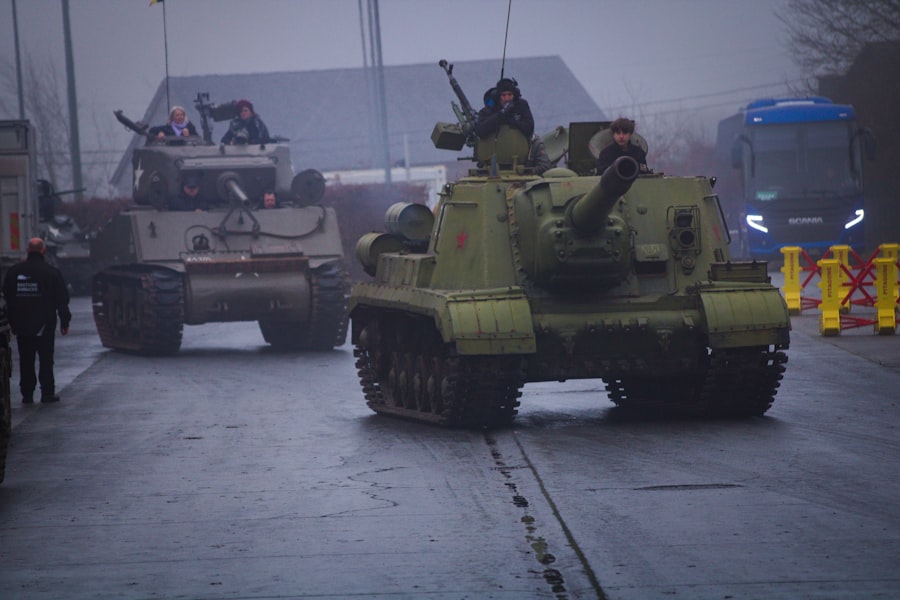
The impact of Soviet military modernization extended beyond mere economic indicators; it profoundly affected the human element of the nation. The immense demands placed on the workforce, the suppression of individual initiative, and the pervasive ideological control all contributed to a population whose full potential was often stifled, like a bird with clipped wings, capable of flight but unable to soar.
Mobilization and Conscription: The Backbone of the Red Army
The Soviet military relied on a vast pool of conscripted labor. Millions of young men were drafted into military service for extended periods, removing them from the civilian workforce and interrupting their education and career paths. While this provided the manpower for the Red Army, it represented a significant drain on the nation’s productive capacity. Furthermore, the constant state of readiness and the potential for mobilization meant that a significant portion of the male population was perpetually available for military duties, impacting family structures and economic planning.
The “Military Shadow” on the Workforce: A Perpetual Drain
Beyond direct conscription, the sheer scale of the military-industrial complex created a “military shadow” over the entire workforce. A disproportionate number of skilled workers, engineers, and scientists were employed in defense-related industries, leaving civilian sectors with a persistent shortage of qualified personnel. This was particularly acute in areas requiring advanced technical expertise. The Soviet Union, like a meticulously tended garden where only one species of flower is allowed to bloom, often found itself lacking in the diversity and richness of talent needed for a balanced economy.
Ideological Control and Suppressed Initiative: The Muzzled Voice
The pervasive ideological control inherent in the Soviet system also played a role in stifling initiative. While military endeavors were often presented as crucial to the nation’s survival and ideological purity, this mindset permeated other aspects of life. Individual creativity and entrepreneurial spirit were often viewed with suspicion, not aligned with the directives of the state. This stifled the organic development of new ideas and approaches, particularly outside the state-sanctioned military research programs. The silence of individual voices in favor of the clamor of official pronouncements left many potential innovations unheard.
Technological Disparities: The Myth of Parity
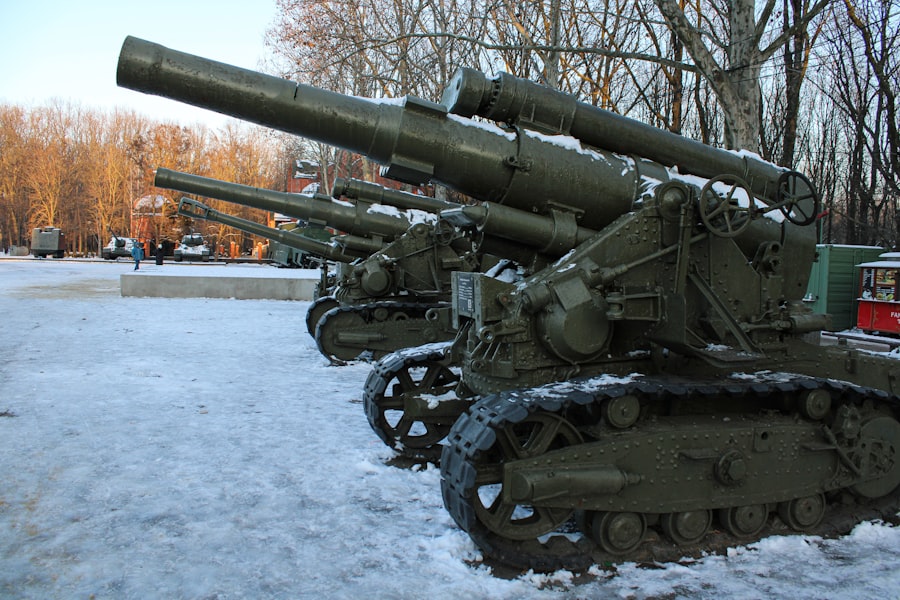
The Soviet Union’s pursuit of military modernization was driven by a desire to achieve parity with, and even surpass, the military might of the United States and its allies. While they were undoubtedly successful in producing formidable weaponry, this pursuit often created technological disparities between their military and civilian sectors, and even within the military itself when compared to the very cutting edge of Western innovation.
Military-Leaning R&D: A Selective Brilliance
Soviet military R&D was indeed impressive in areas deemed critical for defense. Think of their prowess in missile technology, their advancements in submarine warfare, and their robust tank designs. These were the jewels in the crown of their scientific efforts. However, this brilliance was highly selective. The same level of resources and focus was often absent in areas with less direct military application. This meant that while they might possess world-class intercontinental ballistic missiles, their civilian computing technology might be decades behind.
The “Window of Vulnerability”: A Strategic Obsession
The Soviet leadership was acutely aware of perceived technological gaps with the West. This obsession with closing any perceived “window of vulnerability” fueled the relentless drive for modernization, often leading to expensive and sometimes redundant development programs. The focus was on matching or exceeding Western capabilities in specific military domains, rather than fostering a broader ecosystem of technological advancement. It was like being so focused on building the strongest castle walls that the infrastructure for supplying the castle with water and food was neglected.
The Information Technology Lag: A Crippling Weakness
One of the most significant technological disparities that emerged in the later stages of the Cold War was in the field of information technology. While the West experienced a revolution in computing and telecommunications, the Soviet Union lagged far behind. This had profound implications, not only for civilian life and economic productivity but also for the efficiency of their own military operations. The inability to process and disseminate information effectively became a crippling weakness, even for a technologically advanced military.
The hidden costs of Soviet military modernization have often been overlooked in discussions about the Cold War, yet they played a crucial role in shaping the geopolitical landscape of the time. A related article explores the economic implications and societal impacts of these military expenditures, shedding light on how the focus on modernization affected civilian life and infrastructure. For a deeper understanding of these complexities, you can read more in this insightful piece on the subject. To learn more about the broader implications of military spending, check out this related article.
The Ultimate Price: Economic Stagnation and Systemic Collapse
| Category | Metric | Estimated Value | Impact Description |
|---|---|---|---|
| Economic | Percentage of GDP spent on military | 15-17% | High military expenditure diverted resources from consumer goods and infrastructure |
| Industrial | Reduction in civilian industrial output | 10-12% | Focus on military production led to decline in civilian manufacturing capabilities |
| Technological | R&D budget allocation to military | 40% | Heavy investment in military tech slowed civilian technological innovation |
| Social | Labor force diverted to military industries | 5 million workers | Reduced labor availability for agriculture and consumer sectors |
| Environmental | Pollution increase due to military production | 25% rise in industrial pollutants | Military factories contributed significantly to environmental degradation |
| Opportunity Cost | Foregone investment in healthcare and education | Estimated 8-10% of total state budget | Military spending limited social welfare improvements |
The cumulative effect of these hidden costs was a significant drag on the Soviet economy, contributing to economic stagnation and ultimately playing a crucial role in the systemic collapse of the Soviet Union. The immense resources poured into the military, combined with the inefficiencies of the command economy and the neglect of civilian sectors, created an unsustainable economic model. While the military might have projected an image of strength, the nation’s underlying economic foundations were slowly eroding, like a mighty tree with its roots starved of nourishment.
Unsustainable Burden: The Breaking Point
The continuous, massive expenditure on military modernization created an unsustainable economic burden. The Soviet Union, already facing internal economic challenges, found itself increasingly unable to compete with the technologically advancing and economically dynamic West. The arms race, while intended to project power, ultimately became a financial straitjacket, constricting economic growth and innovation.
Loss of Legitimacy: The Dissatisfaction of the People
The economic hardships and lack of consumer goods directly impacted the lives of ordinary Soviet citizens. The contrast between the propaganda extolling the virtues of socialism and the reality of empty shelves and poor-quality goods fueled widespread dissatisfaction and eroded the legitimacy of the ruling Communist Party. The hidden costs manifested not just in national accounts but in the daily struggles of the populace, leading to a quiet erosion of faith in the system.
The Role in Collapse: A Final Domino
While the military modernization was not the sole cause of the Soviet Union’s collapse, it was undoubtedly a significant contributing factor. The economic strain, coupled with the technological lag in critical areas and the widespread dissatisfaction of the population, created a volatile mix. The inability to maintain both military parity and a reasonable standard of living proved to be an insurmountable challenge for the Soviet system. The relentless pursuit of military might, through its hidden costs, ultimately sapped the very lifeblood of the nation, leading to its dissolution. The edifice of Soviet military power, while formidable, was built on foundations that were slowly but surely crumbling, a testament to the profound and often invisible consequences of prioritizing the instruments of war over the well-being of the people and the health of the economy.

SHOCKING: How Stealth Technology Bankrupted An Empire
FAQs
What were the main goals of Soviet military modernization?
The main goals of Soviet military modernization were to enhance the technological capabilities, improve the efficiency of the armed forces, and maintain parity or superiority with Western military powers, particularly NATO, during the Cold War era.
What types of hidden costs are associated with Soviet military modernization?
Hidden costs included economic strain on the Soviet economy, diversion of resources from civilian sectors, environmental damage from military production and testing, and social impacts such as reduced living standards and increased public dissatisfaction.
How did Soviet military modernization impact the Soviet economy?
The modernization efforts placed a heavy burden on the Soviet economy by allocating a significant portion of GDP to defense spending, which limited investment in consumer goods and infrastructure, contributing to economic stagnation and shortages.
Were there any long-term consequences of Soviet military modernization?
Yes, long-term consequences included economic decline, environmental degradation, and contributing factors to the eventual dissolution of the Soviet Union due to unsustainable military expenditures and internal pressures.
Did Soviet military modernization affect international relations during the Cold War?
Yes, it intensified the arms race with the United States and NATO, increased global tensions, and influenced diplomatic negotiations, including arms control agreements like the Strategic Arms Limitation Talks (SALT).