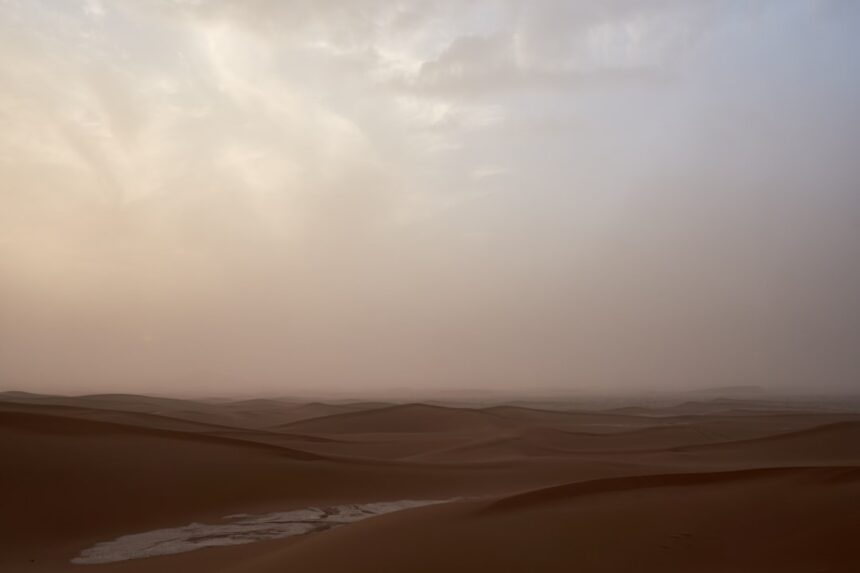
Haboob sandstorms are a striking meteorological phenomenon that captivates and terrifies those who encounter them.
Typically occurring in arid and semi-arid regions, particularly in the Middle East and North Africa, haboobs can rise to heights of over a mile and travel vast distances, often engulfing entire towns in a matter of minutes.
The sheer power and speed of these storms can leave a lasting impression on both the landscape and the people who experience them. The visual spectacle of a haboob is both awe-inspiring and daunting. As the storm approaches, it often appears as a massive wall of dust, darkening the sky and creating an eerie atmosphere.
For those living in affected areas, understanding the nature of haboobs is crucial for safety and preparedness. This article delves into the causes, impacts, and historical significance of haboob sandstorms, as well as practical advice for dealing with these formidable natural events.
Key Takeaways
- Haboob sandstorms are intense dust storms caused by strong winds from thunderstorms in arid regions.
- They significantly impact the environment by reducing visibility and damaging vegetation and infrastructure.
- Exposure to haboob sandstorms can lead to respiratory issues and other health problems in humans.
- Proper preparation and safety measures are crucial to minimize harm during a haboob event.
- Historically, haboob sandstorms have shaped local cultures and continue to pose challenges in desert areas.
What Causes a Haboob Sandstorm
Haboob sandstorms are primarily triggered by intense weather conditions, particularly those associated with thunderstorms. When a strong downdraft occurs during a thunderstorm, it can lift large amounts of dust and sand from the ground into the atmosphere. This downdraft creates a powerful gust front that can travel rapidly across the landscape, picking up additional particles along the way.
The combination of strong winds and loose soil creates the perfect conditions for a haboob to form. In addition to thunderstorms, other meteorological factors contribute to the development of haboobs. For instance, temperature differences between land and air can create instability in the atmosphere, leading to strong winds that can kick up dust.
Regions with dry soil, sparse vegetation, and loose sediment are particularly susceptible to these storms. As climate change continues to alter weather patterns, the frequency and intensity of haboobs may also be affected, raising concerns about their future impact on vulnerable regions.
The Impact of a Haboob Sandstorm on the Environment

The environmental consequences of haboob sandstorms are profound and multifaceted. One of the most immediate effects is the alteration of landscapes. As these storms sweep through an area, they can strip away topsoil, erode land surfaces, and reshape geographical features.
This erosion can lead to long-term changes in ecosystems, affecting plant life and animal habitats. In agricultural regions, the loss of fertile soil can have devastating effects on crop yields and food security. Moreover, haboobs can contribute to air quality issues by dispersing fine particulate matter into the atmosphere.
These particles can travel long distances, impacting regions far removed from the storm’s origin. The deposition of dust can also affect water bodies, leading to changes in water quality and aquatic ecosystems. In some cases, nutrients carried by dust storms can enhance soil fertility in distant areas; however, the overall impact is often detrimental, particularly in already fragile environments.
How Haboob Sandstorms Affect Human Health
| Health Metric | Effect of Haboob Sandstorms | Severity Level | Duration of Impact | Preventive Measures |
|---|---|---|---|---|
| Respiratory Issues | Increased incidence of asthma attacks, bronchitis, and other respiratory infections due to inhalation of fine dust particles. | High | Hours to days | Use of masks, staying indoors, air purifiers |
| Eye Irritation | Redness, itching, and conjunctivitis caused by sand and dust particles entering the eyes. | Moderate | Hours | Wearing protective eyewear, rinsing eyes with clean water |
| Cardiovascular Stress | Increased risk of heart attacks and strokes due to particulate matter affecting blood vessels. | Moderate to High | Days | Monitoring heart conditions, avoiding strenuous activity |
| Skin Problems | Dryness, irritation, and rashes from prolonged exposure to dust and sand. | Low to Moderate | Hours to days | Use of moisturizers, protective clothing |
| Allergic Reactions | Exacerbation of allergies due to airborne allergens mixed with dust. | Moderate | Hours to days | Antihistamines, avoiding exposure |
The health implications of haboob sandstorms are significant and warrant serious consideration. The fine dust particles lifted into the air during these storms can pose serious respiratory risks for individuals exposed to them. People with pre-existing conditions such as asthma or chronic obstructive pulmonary disease (COPD) may experience exacerbated symptoms during and after a haboob event.
Even healthy individuals can suffer from respiratory irritation, coughing, and difficulty breathing when exposed to high levels of dust. In addition to respiratory issues, haboobs can also have psychological effects on communities. The sudden onset of a storm can induce panic and anxiety among residents, particularly if they are unprepared for such an event.
The disruption caused by haboobs—such as power outages, transportation delays, and damage to property—can further contribute to stress levels in affected populations. Public health officials must be vigilant in addressing both the physical and mental health impacts associated with these formidable storms.
Historical Significance of Haboob Sandstorms
Haboob sandstorms have played a notable role in shaping human history, particularly in regions where they are prevalent. For centuries, these storms have influenced settlement patterns, agricultural practices, and even military strategies. In ancient civilizations such as Mesopotamia, the unpredictability of haboobs forced communities to adapt their lifestyles to cope with the challenges posed by these natural events.
Farmers learned to time their planting and harvesting around seasonal weather patterns that included the likelihood of dust storms. In more recent history, haboobs have been documented during significant military conflicts in the Middle East. For instance, during the Gulf War, U.S.
forces encountered massive haboobs that obscured visibility and complicated operations. These storms not only affected troop movements but also had implications for air support and logistics. The historical significance of haboobs extends beyond mere inconvenience; they have shaped human behavior and decision-making throughout history.
The Difference Between a Haboob Sandstorm and Other Types of Sandstorms

While all sandstorms share common characteristics—primarily involving strong winds lifting sand and dust into the atmosphere—haboobs are distinct in their formation and behavior. Unlike typical sandstorms that may arise from sustained wind patterns over dry terrain, haboobs are specifically associated with thunderstorms and their downdrafts. This connection to severe weather events gives haboobs their unique intensity and sudden onset.
Additionally, haboobs tend to be more localized than other types of sandstorms. While a typical sandstorm may cover vast areas over extended periods, a haboob often manifests quickly and dissipates just as rapidly. The wall of dust that characterizes a haboob can create dramatic visual effects but also poses immediate hazards due to its speed and unpredictability.
Understanding these differences is essential for meteorologists and residents alike when preparing for or responding to these events.
How to Prepare for a Haboob Sandstorm
Preparation is key when it comes to mitigating the impacts of haboob sandstorms. Individuals living in areas prone to these storms should stay informed about local weather forecasts and be aware of any warnings issued by meteorological agencies. Creating an emergency plan that includes provisions for sheltering in place is crucial; this plan should outline steps for securing windows and doors to prevent dust infiltration.
Stocking up on essential supplies is also advisable. Residents should ensure they have adequate food, water, medications, and other necessities on hand in case they need to remain indoors for an extended period during a storm. Additionally, having protective gear such as masks or respirators can help minimize health risks associated with inhaling dust particles during a haboob event.
What to Do During a Haboob Sandstorm
When a haboob strikes, immediate action is necessary to ensure safety. Individuals should seek shelter indoors as quickly as possible, closing all windows and doors to prevent dust from entering their homes. If caught outside or in a vehicle when a haboob approaches, it is advisable to pull over safely and wait out the storm while keeping windows closed.
Once indoors, it is important to monitor local news or weather updates for information about the storm’s duration and any potential hazards that may arise afterward. Staying calm during such an event is essential; panic can lead to poor decision-making that may exacerbate risks. Utilizing air purifiers or damp cloths over vents can help reduce indoor dust levels until the storm passes.
Aftermath of a Haboob Sandstorm
The aftermath of a haboob sandstorm often leaves communities grappling with various challenges. Once the storm subsides, residents may find their properties covered in layers of dust that require extensive cleanup efforts. Roads may be obstructed by debris or reduced visibility due to accumulated dust, complicating transportation and emergency response efforts.
Environmental recovery is another critical aspect following a haboob event. Soil erosion may necessitate restoration efforts to prevent long-term damage to agricultural land or natural habitats. Communities may also need to address public health concerns related to lingering dust particles in the air or on surfaces.
Local governments often play a vital role in coordinating recovery efforts and providing resources for affected residents.
Famous Haboob Sandstorms in History
Throughout history, several notable haboob sandstorms have left their mark on communities and landscapes alike. One such event occurred in Phoenix, Arizona, in July 2011 when a massive haboob swept through the city, reducing visibility to near-zero levels within minutes. This storm was so powerful that it disrupted air travel and prompted widespread emergency responses from local authorities.
Another significant instance took place in Iraq during Operation Iraqi Freedom when U.S. troops faced multiple haboobs that complicated military operations on the ground. These storms not only affected visibility but also posed challenges for equipment maintenance and troop morale.
Such historical events underscore the profound impact that haboobs can have on both civilian life and military endeavors.
The Future of Haboob Sandstorms and Desert One
As climate change continues to reshape weather patterns globally, the future of haboob sandstorms remains uncertain yet concerning. Increased temperatures and prolonged drought conditions may lead to more frequent occurrences of these storms in vulnerable regions. Communities must remain vigilant in adapting their preparedness strategies to account for potential changes in storm behavior.
Desert One serves as a poignant reminder of how natural phenomena like haboobs intersect with human activity and history. As societies evolve alongside changing climates, understanding the dynamics of these storms will be crucial for ensuring safety and resilience in affected areas. By fostering awareness and preparedness, communities can better navigate the challenges posed by haboob sandstorms while embracing their historical significance as part of our shared environmental narrative.
The phenomenon of haboob sandstorms, such as the one that occurred during Desert One, highlights the extreme weather conditions that can impact military operations in arid regions. For a deeper understanding of the challenges faced by troops in such environments, you can read more in the related article on military strategies and weather impacts at this link.
WATCH THIS! The Disaster That Saved Them: How Eagle Claw’s Failure Freed the Hostages
FAQs
What is a haboob sandstorm?
A haboob sandstorm is a type of intense dust storm carried on an atmospheric gravity current, typically occurring in arid regions. It is characterized by a wall of dust or sand that can reduce visibility to near zero and cause hazardous conditions.
Where do haboob sandstorms commonly occur?
Haboob sandstorms commonly occur in desert regions such as the Sahara Desert in Africa, the Arabian Peninsula, and parts of the southwestern United States, including Arizona.
What causes a haboob sandstorm?
Haboob sandstorms are caused by strong winds generated by thunderstorms or cold downdrafts that lift large amounts of dust and sand from the ground into the air, creating a moving wall of dust.
What is Desert One in relation to haboob sandstorms?
Desert One refers to a specific location in the Iranian desert that is historically significant, but it is also known for experiencing haboob sandstorms due to its arid desert environment.
How do haboob sandstorms affect visibility and safety?
Haboob sandstorms can drastically reduce visibility, sometimes to just a few meters, making travel dangerous. They can cause respiratory issues, damage to property, and disrupt transportation and daily activities.
How can people protect themselves during a haboob sandstorm?
During a haboob sandstorm, it is advised to stay indoors, close all windows and doors, use air purifiers if available, wear protective eyewear and masks if going outside, and avoid driving until conditions improve.
Are haboob sandstorms predictable?
Meteorologists can often predict haboob sandstorms by monitoring weather patterns, especially thunderstorm activity and wind conditions in desert regions, but the exact timing and intensity can be difficult to forecast precisely.
What is the environmental impact of haboob sandstorms?
Haboob sandstorms can transport large amounts of dust over long distances, affecting air quality, soil composition, and even weather patterns. They can also impact ecosystems by depositing nutrients or harmful particles in new areas.