The great game of espionage, played out under the shadow of nuclear annihilation, was a defining characteristic of the Cold War. Both the United States and the Soviet Union, locked in a titanic ideological struggle, deployed a vast network of intelligence operatives, clandestine operations, and counterintelligence efforts. This was a battlefield of whispers and shadows, where information was ammunition and a single slip of the tongue could ignite global conflict. To delve into the greatest Cold War spy operations is to uncover a hidden history, a narrative woven from daring infiltrations, audacious deceptions, and the constant, chilling awareness of mutually assured destruction.
Beneath the rubble and resilience of a divided city, a audacious feat of engineering and intelligence gathering was orchestrated. The Berlin Tunnel, a project born of desperation and ingenuity, became a potent symbol of the Cold War’s technological arms race in the realm of espionage.
Operation Gold and Silver
The genesis of the tunnel operation, codenamed “Operation Gold” by the Americans and “Silver” by the British, lay in the urgent need to intercept Soviet communications. Following the division of Berlin and the erection of the Berlin Wall, the Western Allies found themselves increasingly cut off from the vital pulse of Soviet activity in East Berlin. Traditional methods of surveillance were proving insufficient against the pervasive surveillance apparatus of the Stasi.
The concept was deceptively simple, yet incredibly ambitious: to tap into the main telephone lines of the Soviet military stationed in East Berlin. These lines, carrying troop movements, operational orders, and political directives, were considered the lifeblood of Soviet command and control in the region. The intelligence gleaned from these communications could provide invaluable insights into Soviet intentions, military readiness, and potential threats.
The Construction: A Shadow Beneath the Surface
Under the guise of routine maintenance and construction projects, Western intelligence agencies, primarily the CIA and MI6, with tacit approval from their British counterparts, began the painstaking process of excavating a tunnel from West Berlin into East Berlin. The chosen location was near the district of Zehlendorf in West Berlin, strategically selected for its proximity to key Soviet military installations and communication hubs in the East.
The engineering challenges were immense. Teams of construction workers, sworn to secrecy and often unaware of the true purpose of their labor, toiled under the constant threat of discovery. The ground in Berlin is notoriously waterlogged, presenting a significant hurdle. Moreover, the tunnel had to be constructed deep enough to avoid detection by seismic sensors or other listening devices that the Soviets might deploy.
The tunnel itself was a marvel of clandestine engineering. It was approximately 1,477 feet long, lined with concrete, and equipped with advanced ventilation systems to ensure the safety and comfort of the operatives who would work within its confines. Specialized chambers were constructed along the tunnel’s length, designed to house sophisticated eavesdropping equipment.
The Tapping of the Lines: A Digital Leash
Once construction was complete, the real work began. Operatives meticulously located and tapped into several key Soviet military telephone cables. The interception equipment, cutting-edge for its time, was capable of recording vast amounts of voice traffic. This was not merely passive listening; the tunnel provided a direct, physical conduit into the enemy’s communications network, a digital leash allowing Western intelligence to pull on the threads of Soviet discourse.
The Bombshell: Operation WADDLE
While the primary objective of the tunnel was intelligence gathering, its very existence, and the information it yielded, played a pivotal role in a separate, albeit related, operation. This operation, known as “Operation WADDLE,” involved a calculated deception that leveraged the intelligence gained from the tunnel.
The Soviets were aware of communications traffic, but they were unaware of its interception. The intelligence gathered from the tunnel revealed certain vulnerabilities and patterns in Soviet communication procedures. This information was used to craft a sophisticated disinformation campaign. Through carefully planted information and manufactured signals intelligence, the Soviets were subtly steered towards certain conclusions about Western military intentions during a period of heightened tension.
Perhaps the most significant revelation from the tunnel was not its mere existence, but the intelligence it facilitated. For over a year, the tunnel operated, gathering an estimated 50 million minutes of telephone conversations. This trove of information provided unparalleled insight into Soviet military planning, troop movements, and internal discussions. It was an invaluable resource, allowing the West to anticipate and react to Soviet actions with a degree of certainty previously unimaginable. The tunnel, a sub-terrestrial viper in the heart of Soviet control, provided a constant stream of intel that kept the West’s defenses on alert and informed.
The Betrayal and Demise
The operation, however, was not destined to last forever. In April 1956, the tunnel was discovered by Soviet forces. The intelligence about the tunnel’s existence and its operational status was compromised by a notorious British double agent, George Blake, who was working for the KGB. Blake’s betrayal, a dagger in the back of Western intelligence, exposed the audacious operation.
The Soviets, upon discovering the tunnel, did not immediately shut it down. Instead, they continued to allow it to operate, knowing they were privy to the Western powers’ eavesdropping. They even went so far as to feed misinformation through the intercepted lines, a dangerous game of cat and mouse played out in the silence of the underground. This period of continued operation, while the Soviets knew, became a double-edged sword, potentially revealing the extent to which the West had been manipulated.
The full extent of Blake’s treachery would only be revealed years later, but his initial leak sealed the fate of the Berlin Tunnel. The operation was subsequently exposed to the world by the Soviets, a propaganda victory for them, and a stark reminder of the constant threat of betrayal in the world of espionage. The tunnel, once a symbol of Western ingenuity, became a testament to the ever-present danger of moles within the system.
One of the most fascinating aspects of the Cold War was the intricate web of espionage that unfolded between the superpowers. For those interested in exploring this topic further, a related article titled “The Greatest Cold War Spy Operations” delves into some of the most daring and impactful intelligence missions of the era. You can read more about these thrilling operations by visiting this link: The Greatest Cold War Spy Operations.
The U-2 Incident: A Winged Spy in the Crosshairs
The skies above the Soviet Union were once a no-fly zone, a protected airspace guarded by a formidable air defense network. Yet, for years, a sophisticated American spy plane, the U-2, defied this aerial sovereignty, soaring at altitudes no enemy fighter could reach, gathering vital intelligence. The U-2 incident, however, shattered this illusion of invincibility and plunged the Cold War into a diplomatic crisis.
A High-Altitude Sentinel
The U-2 reconnaissance aircraft, developed in the mid-1950s by Lockheed’s Skunk Works, was a marvel of aerospace engineering. Its primary advantage was its operational altitude, capable of flying at over 70,000 feet, far above the reach of Soviet interceptors and surface-to-air missiles of the era. This allowed it to capture high-resolution photographs of sensitive military installations, missile sites, and industrial complexes across the Soviet Union.
The program, known internally as Project Oxcart, was shrouded in the utmost secrecy. Its existence was denied by the U.S. government, which claimed the flights were purely for meteorological research. This policy of “plausible deniability” was crucial in maintaining the element of surprise and potentially mitigating diplomatic fallout should a plane be lost.
Missions Over the USSR
Numerous U-2 missions were conducted over Soviet territory, providing the United States with invaluable intelligence. Photographs revealed the scale of Soviet industrial production, the location of strategic bomber bases, and, perhaps most critically, the development and deployment of intercontinental ballistic missile (ICBM) sites. This intelligence was instrumental in the U.S. understanding of the Soviet military threat and in shaping its own strategic defense planning, including the development of its own ICBM program and the formulation of its nuclear deterrence strategy.
The U-2 flights were a constant probing of the Soviet Union’s defenses, a silent, winged sentinel observing from the edge of space. Each mission was a calculated risk, a delicate dance with detection. The planes were equipped with advanced cameras and sensors, meticulously documenting the Soviet Union’s military might.
The Downfall of “Gary Powers”
On May 1, 1960, during a mission over Soviet territory, a U-2 piloted by Francis Gary Powers was shot down by a Soviet surface-to-air missile (SAM) near Sverdlovsk. Powers, who had ejected from the damaged aircraft, was captured by Soviet authorities. Unlike pilots in previous incidents, Powers was instructed by his training to feign amnesia or ignorance, but he was ultimately forced to admit his role in the spy mission.
The downing of the U-2 marked a significant intelligence failure for the United States. The sophisticated reconnaissance plane, designed to be undetectable, had been brought down by Soviet air defenses, demonstrating a surprising leap in their technological capabilities. The loss of the aircraft and the subsequent capture of its pilot presented a diplomatic quandary of immense proportions for President Eisenhower.
The Diplomatic Fallout: A Cold Shoulder
Initially, the United States maintained its story of a weather plane that had strayed off course. However, the Soviet Union, led by Nikita Khrushchev, presented irrefutable evidence of the U-2’s true purpose, including wreckage of the plane and captured photographs. This forced the U.S. to admit to the espionage mission, causing considerable embarrassment and undermining its credibility on the international stage.
The U-2 incident had a profound impact on Cold War diplomacy. It led to the collapse of the planned Paris Summit between Eisenhower and Khrushchev, a meeting intended to de-escalate tensions. The incident also spurred a renewed focus on improving air defense capabilities on both sides, as the U-2’s vulnerability had been exposed. The incident was a stark reminder that no technological advantage was permanent, and that the adversary was constantly evolving. The notion of an unassailable high-altitude spy plane became a casualty of the Cold War’s relentless technological race.
Operation Mongoose: The Shadow War in Cuba
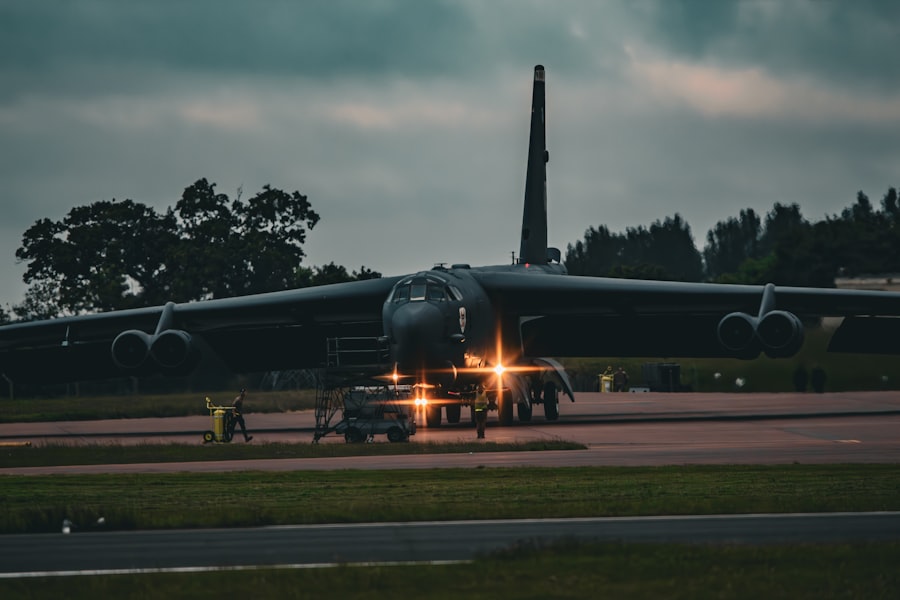
The Cuban Missile Crisis, a terrifying thirteen-day confrontation that brought the world to the brink of nuclear war, was not an isolated event. It was the dramatic crescendo of a prolonged period of intense covert operations and political maneuvering aimed at destabilizing and ultimately overthrowing Fidel Castro’s communist regime. Operation Mongoose, a multifaceted, officially sanctioned program of sabotage, propaganda, and paramilitary operations, was the chilling embodiment of this covert war.
The Genesis of Mongoose: A Neighbor’s Fear
Following the success of the Cuban Revolution in 1959 and the subsequent alignment of Cuba with the Soviet Union, the United States, under President John F. Kennedy, became deeply concerned about the presence of a communist state just 90 miles off its coast. The perceived threat of Soviet influence and potential missile deployment in Cuba fueled a desire to remove Castro from power. Operation Mongoose, approved in November 1961, was conceived as a comprehensive strategy to achieve this objective.
The operation was designed to be a multi-pronged assault on the Castro regime, employing both overt and covert tactics. It was a symphony of deception and destabilization, orchestrated with the ultimate goal of inciting an internal uprising, leading to Castro’s downfall.
Pillars of Operation Mongoose
Operation Mongoose was structured around several key pillars, each designed to weaken the Cuban government and erode its support among the population:
- Sabotage and Destabilization: This involved a wide range of activities aimed at disrupting Cuba’s economy and infrastructure. Agents were tasked with sabotaging sugar mills, power plants, and transportation networks. The goal was to create widespread discontent and economic hardship, thereby fueling opposition to the Castro regime. This included the poisoning of cattle, the disruption of agricultural production, and acts of industrial sabotage, all designed to cripple the Cuban economy.
- Psychological Warfare and Propaganda: The operation included a significant psychological warfare component. Radio broadcasts, leaflets, and other propaganda materials were disseminated to undermine Castro’s authority, highlight the perceived failures of his government, and promote the idea of a better alternative under U.S. influence. This was a battle for hearts and minds, a relentless barrage of information designed to erode the legitimacy of the revolutionary government.
- Paramilitary Operations and Support for Defectors: The CIA actively trained and supported anti-Castro Cuban exile groups, some of whom engaged in raids and incursions into Cuba. While the infamous Bay of Pigs invasion in April 1961 preceded the official launch of Mongoose, subsequent smaller-scale paramilitary actions continued. The aim was to create a sense of insecurity within Cuba and to provide a tangible military option for those seeking to overthrow the government.
- Intelligence Gathering: A crucial aspect of Mongoose was the continuous gathering of intelligence on Cuban military capabilities, political developments, and the activities of Soviet personnel. This intelligence was vital in shaping the operational plans and in assessing the effectiveness of the various Mongoose initiatives.
The Shadow Within the Shadow: The Role of “The Agency”
The Central Intelligence Agency (CIA) was the primary executor of Operation Mongoose. The agency recruited and trained a network of Cuban exiles and operatives who acted as agents on the ground within Cuba. These individuals played a critical role in carrying out sabotage missions, disseminating propaganda, and providing intelligence to U.S. authorities. The agency worked with considerable autonomy, pursuing a covert agenda that often operated on the fringes of public and even governmental knowledge.
The Cuban Missile Crisis and the Legacy of Mongoose
Operation Mongoose continued throughout the early 1960s, reaching its peak of activity in the months leading up to the Cuban Missile Crisis in October 1962. While direct causal links are complex, it is widely believed that the heightened tensions and the continuous covert pressure exerted by Mongoose contributed to the Soviet decision to deploy nuclear missiles in Cuba, viewing it as a means to deter further U.S. aggression and bolster Cuba’s defenses.
The ultimate failure of Operation Mongoose to achieve its primary objective – the overthrow of Fidel Castro – led to its eventual winding down. However, its legacy is a complex and controversial one. It highlights the lengths to which nations would go during the Cold War to advance their geopolitical interests, even if it meant engaging in sustained covert warfare. The operation serves as a stark reminder of the clandestine battles fought in the shadow of nuclear war, battles that shaped the destinies of nations and the course of history.
The Cambridge Five: A Serpent in the Academy’s Garden
In the hallowed halls of academia, where intellectual discourse and scholarly pursuits were meant to reign supreme, a chilling betrayal unfolded. The Cambridge Five, a group of British citizens recruited by the Soviet Union during their time as Cambridge University students, represent one of the most damaging and audacious intelligence penetrations in the history of the Cold War. Their allegiance was not to their nation, but to an ideology that promised a different future, and their actions left a gaping wound in Western intelligence.
The Seeds of Recruitment: Ideals and Exploitation
The mid-20th century was a period of ideological ferment, and many young intellectuals at prestigious institutions like Cambridge University were drawn to communist ideals, seeing in them a utopian alternative to the perceived injustices of capitalism. It was within this fertile ground of idealism that Soviet intelligence operatives, often disguised as students or academics, began their recruitment efforts.
The Cambridge Five – Kim Philby, Donald Maclean, Guy Burgess, Anthony Blunt, and John Cairncross – were all products of privileged backgrounds and attended elite schools. Their recruitment was not merely a matter of ideological conversion; it was a masterful exploitation of their intellectual curiosity, their social connections, and, in some cases, their personal vulnerabilities. The Soviets offered them a sense of purpose, a belief that they were part of a larger historical movement, and the promise of shaping a better world.
The Double Lives of Scholars
Once recruited, the members of the Cambridge Five embarked on lives of profound deception. While outwardly pursuing academic careers and holding positions within the British establishment, they secretly channeled a vast amount of highly sensitive information to the Soviet Union. Their access, due to their backgrounds and subsequent positions, was unparalleled.
- Kim Philby: Arguably the most successful and damaging of the five, Philby rose through the ranks of the British Secret Intelligence Service (MI6). He served as head of counter-intelligence for MI6 in the United Kingdom and later as MI6’s station chief in Washington D.C., where he had access to the innermost workings of American intelligence, including the CIA. His treachery directly contributed to the deaths of many double agents working for the West and compromised countless operations.
- Donald Maclean: Maclean served in the British Foreign Office and was privy to highly classified information regarding British and American diplomatic and military policy, including details of early atomic weapons development. His diplomatic postings provided a direct conduit for highly sensitive government secrets.
- Guy Burgess: Burgess’s career was more erratic, but he managed to secure positions within the Foreign Office and the BBC. His access provided him with significant intelligence, and his flamboyant and often reckless personal life masked his clandestine activities. He was known for his social connections and ability to extract information.
- Anthony Blunt: Blunt was a renowned art historian and advisor to the Royal Family. His position granted him access to sensitive personal and political information within the highest echelons of British society. His role was more subtle, but no less damaging.
- John Cairncross: The least publicly known of the group, Cairncross worked in vital government departments, including the War Office and GCHQ (Government Communications Headquarters). He provided a steady stream of intelligence, particularly concerning British military plans and code-breaking efforts.
The Unraveling: A Trail of Suspicion
For decades, the Cambridge Five operated with impunity, their loyalty to the Soviet Union unseen and unsuspected. The sheer audacity of their actions, coupled with the trust placed in them by the British establishment, allowed them to operate as invisible saboteurs within the very heart of Western intelligence. However, the sheer volume and nature of the compromised intelligence eventually began to raise suspicions.
The defection of Soviet KGB officer Anatoly Golitsyn in 1961 provided key information that began to unravel the network. Golitsyn identified a high-level mole within MI6, which led to a focused investigation. The eventual exposure and successful escape of Philby, Burgess, and Maclean (who defected to the Soviet Union in 1951, but their roles were not fully understood until later) created a massive scandal. Blunt was eventually unmasked in the early 1970s, and Cairncross’s role became clearer later.
The Long Shadow of Betrayal
The Cambridge Five were not merely spies; they were ideologically driven traitors who willingly compromised the security of their nation for a foreign power. Their actions had devastating consequences, including the loss of countless lives of agents who were betrayed and the compromise of vital Western military and intelligence secrets. The Cambridge Five serve as a chilling testament to the vulnerability of even the most secure institutions to determined and ideologically motivated infiltration. Their story is a stark reminder that the battle for minds and hearts could be as devastating as any military conflict, and that the most dangerous enemies can be the ones hidden in plain sight, cloaked in respectability and trust.
One of the most intriguing aspects of espionage during the Cold War was the elaborate spy operations that unfolded across the globe. For those interested in exploring this topic further, a related article can be found at In the War Room, which delves into the tactics and strategies employed by intelligence agencies during this tense period. The article provides a comprehensive overview of various missions, highlighting the risks and rewards faced by operatives as they navigated a world fraught with secrecy and deception.
Operation Dragonfly: The Ghost in the Machine of Soviet Technology
| Operation Name | Year(s) | Country Involved | Objective | Outcome |
|---|---|---|---|---|
| Operation Gold | 1953-1956 | USA & UK | Wiretap Soviet communication lines in East Berlin | Compromised by Soviet double agent; operation exposed |
| Operation Mincemeat | 1943 (WWII precursor) | UK | Deceive Axis about Allied invasion plans | Successful deception aiding Allied invasion of Sicily |
| U-2 Spy Plane Missions | 1956-1960 | USA | High-altitude reconnaissance over Soviet Union | Gathered critical intelligence; one plane shot down in 1960 |
| Operation Ivy Bells | 1970s | USA | Wiretap Soviet underwater communication cables | Successful intelligence gathering for years |
| Cambridge Five | 1930s-1950s | UK & USSR | Espionage by Soviet spies within British intelligence | Major intelligence breach for UK; exposed in 1950s |
| Operation CHAOS | 1967-1974 | USA | Domestic surveillance of anti-war activists | Controversial; led to public outcry and reforms |
The Cold War was as much a war of innovation as it was a war of ideologies. The Soviet Union, in its relentless pursuit of technological parity and superiority, poured immense resources into its scientific and industrial complex. Understanding the pace and direction of this development was paramount for the West, and within this pursuit, “Operation Dragonfly” emerged as a critical, albeit lesser-known, intelligence success.
The Prize: Soviet Technological Secrets
The Soviet Union’s scientific output, particularly in areas of military technology, rocketry, and nuclear development, was a closely guarded secret. Western intelligence agencies knew that the Soviets were making significant strides, but precise details about their research, development, and production capabilities were often obscure. The goal of operations like Dragonfly was to pierce this veil of secrecy and gain actionable intelligence on the Soviet Union’s technological advancements.
Unlike operations focused on immediate military troop movements or political intentions, Operation Dragonfly was a long-game strategy focused on understanding the future of Soviet capabilities. It was about predicting their next technological leap and ensuring that the West was not caught unawares.
The Infiltration: A Network of Assets
Operation Dragonfly involved the establishment and cultivation of a complex network of human intelligence assets within the Soviet scientific and industrial sectors. This was not a single, dramatic event, but rather a sustained, meticulous effort involving the recruitment and management of individuals who possessed access to the critical information.
These assets were diverse, ranging from disillusioned scientists and engineers within Soviet research institutes to factory workers with knowledge of production lines and materials. The recruitment process was often long and arduous, involving careful vetting, ideological assessment, and the exploitation of leverage, be it financial, personal, or ideological. The intelligence gathered was not just about finished products, but about the very blueprints of Soviet innovation.
The Data Flow: From Soviet Labs to Western Analysis
The intelligence gathered through Operation Dragonfly was then meticulously extracted and transmitted to Western analysis centers. This involved covert communication methods, ranging from dead drops and coded messages to more sophisticated methods that evolved as technology advanced. The information was typically in the form of technical specifications, research papers, blueprints, production figures, and even samples of materials.
The analysis was conducted by highly specialized teams of scientists, engineers, and intelligence analysts in the United States and its allies. They would pore over the data, attempting to discern trends, identify key advancements, and predict the implications for Soviet military capabilities. This was akin to assembling a massive, complex jigsaw puzzle with pieces scattered across a vast and hostile territory.
The Impact: Staying Ahead of the Curve
The intelligence acquired through Operation Dragonfly was invaluable. It provided Western military planners and defense contractors with crucial lead times, allowing them to:
- Anticipate Soviet Weaponry: Understanding the development trajectory of Soviet missiles, aircraft, and naval technology allowed the West to develop countermeasures and competing systems more effectively. For instance, knowing about the development of advanced Soviet radar systems allowed for the development of electronic warfare capabilities.
- Inform Research and Development: Insights into Soviet research priorities helped Western nations focus their own R&D efforts, avoiding duplication and ensuring that resources were allocated towards areas where the Soviet Union was also making significant investments.
- Assess Soviet Capabilities: The operation provided a more accurate picture of the actual capabilities of Soviet military hardware, moving beyond speculative assessments and providing concrete, evidence-based understanding. This was crucial in the strategic calculus of the Cold War.
Operation Dragonfly, while lacking the dramatic flair of a tunnel or a downed spy plane, represented the crucial, often unseen, intellectual and technical warfare that underpinned the Cold War. It was a testament to the power of persistent human intelligence work in understanding and countering the technological ambitions of an adversary. The ghost in the machine of Soviet technology was painstakingly uncovered, piece by piece, ensuring that the West remained not just reactive,, but proactively informed in the relentless race for technological dominance.
Operation HYACINTH: The Unseen Battle for Hearts and Minds
While the Cold War was often characterized by military posturing and nuclear brinkmanship, a significant battle was also waged in the realm of ideology and public perception. The Soviet Union, with its promise of a communist utopia, sought to win over hearts and minds around the globe. Operation HYACINTH, a broad and often controversial counter-propaganda and influence operation, was the Western response to this ideological challenge, aiming to undermine Soviet narratives and promote Western values and systems.
The Ideological Offensive: Soviet Narratives
The Soviet Union actively promoted its ideology through various channels, including state-controlled media, cultural exchanges, and support for communist movements worldwide. Their narratives often focused on themes of anti-imperialism, social equality, and the perceived decadence and exploitation of capitalist societies. These messages resonated with many in developing nations and within certain intellectual circles in the West, posing a significant challenge to the American and Western European spheres of influence.
The Counter-Narrative: Spreading the Western Gospel
Operation HYACINTH was not a single, discreet operation, but rather a multifaceted and enduring strategy that evolved throughout the Cold War. It encompassed a range of activities designed to counter Soviet propaganda and promote Western narratives:
- Information Dissemination: The United States Information Agency (USIA), later merged into the State Department, played a central role. Through radio broadcasts (like Voice of America), publications, film, and cultural programs, HYACINTH initiatives aimed to present a positive image of Western democracies, highlighting their freedoms, economic opportunities, and cultural achievements. This was about projecting an attractive alternative to the Soviet model.
- Cultural Diplomacy: The sponsorship of artistic tours, student exchange programs, and academic collaborations was designed to foster goodwill and understanding between nations, showcasing the richness and diversity of Western culture. This was intended to build bridges and create personal connections that transcended ideological divides.
- Support for Dissident Voices: In some instances, HYACINTH involved covert support for dissidents and anti-communist movements within Soviet-aligned countries. This could range from providing financial aid and communication channels to facilitating the dissemination of underground publications. This was about empowering internal opposition and challenging the monolithic control of communist regimes.
- Disinformation and Deception (Controversial Aspect): While the primary aim was to promote Western values, some aspects of HYACINTH, particularly in its more covert operations, involved disinformation and propaganda against the Soviet Union and its allies. This could include the fabrication of stories to discredit Soviet leaders, the exaggeration of internal problems within communist states, or the sowing of discord among communist factions. This aspect of the operation, while intended to counter Soviet propaganda, often blurred the lines of ethical conduct.
The Ethical Tightrope
Operation HYACINTH, like many covert operations during the Cold War, operated on an ethical tightrope. The declared goal of promoting freedom and democracy was often at odds with the methods employed, particularly those involving deception and manipulation. The operation raised questions about the extent to which a nation should interfere in the internal affairs of other countries and the legitimacy of using propaganda as a tool of foreign policy.
The Enduring Impact
The long-term impact of Operation HYACINTH is difficult to quantify precisely. However, it is undeniable that the sustained effort to counter Soviet narratives played a role in shaping global perceptions. By actively challenging Soviet propaganda and promoting Western ideals, the operation contributed to a global debate about the merits of different political and economic systems. It helped to ensure that the Soviet Union did not have a monopoly on ideological discourse, and that alternative visions of governance and society were actively presented to the world. The battle for hearts and minds, waged through operations like HYACINTH, was a crucial element of the Cold War, a testament to the fact that conflict can extend beyond the battlefield and into the very consciousness of nations.
FAQs
What were some of the most significant spy operations during the Cold War?
Some of the most significant Cold War spy operations include the U-2 incident, the Cambridge Five espionage ring, Operation Gold (a joint CIA-MI6 tunnel project in Berlin), and the activities of the KGB and CIA in infiltrating each other’s governments and military.
How did espionage impact the Cold War between the United States and the Soviet Union?
Espionage played a critical role in the Cold War by providing both sides with intelligence on military capabilities, political intentions, and technological developments. It helped prevent surprises, influenced diplomatic strategies, and sometimes escalated tensions when spies were caught.
What methods were commonly used in Cold War spy operations?
Common methods included human intelligence (HUMINT) through spies and double agents, signals intelligence (SIGINT) such as wiretapping and radio interception, surveillance, covert communications, and the use of technology like spy planes and satellites.
Who were some famous spies involved in Cold War operations?
Famous Cold War spies include Kim Philby and other members of the Cambridge Five, Aldrich Ames, a CIA officer who spied for the Soviet Union, and Oleg Penkovsky, a Soviet military intelligence officer who provided critical information to the West.
What was the outcome of Cold War spy operations after the conflict ended?
After the Cold War, many spy operations were declassified, revealing the extent of espionage activities. Some spies were prosecuted or defected, while intelligence agencies adapted to new global threats. The legacy of Cold War espionage continues to influence modern intelligence practices.