
The shadow of the mushroom cloud looms large in the collective human consciousness, a stark reminder of our capacity for self-destruction. Nuclear weapons represent a technological paradox, the pinnacle of scientific ingenuity harnessed for ultimate devastation. Their invention and proliferation have irrevocably altered the geopolitical landscape, creating a permanent undercurrent of existential dread while simultaneously, paradoxically, ushering in an era of unprecedented global stability through the concept of Mutually Assured Destruction. Understanding their global impact requires a multifaceted examination, encompassing the immediate horrors of their use, the lingering environmental consequences, the intricate web of international relations they have shaped, the economic burdens they impose, and the ongoing efforts to disarm and prevent their future deployment.
The sheer destructive power of nuclear weapons is almost beyond human comprehension. A single detonation can obliterate an entire city, vaporizing buildings and incinerating everything within its blast radius. The immediate aftermath is a scene of unimaginable horror, a landscape of ash and rubble where life as it was known ceases to exist.
The Blast Wave: A Force of Nature Unleashed
The primary destructive force of a nuclear explosion is the blast wave, a rapidly expanding bubble of air pressure. This wave travels at supersonic speeds, exerting immense force on everything in its path. Buildings are ripped apart, infrastructure is annihilated, and anything not deeply entrenched is thrown with lethal velocity. Imagine a colossal hammer, swung with the force of a thousand earthquakes, striking the earth – this is the magnitude of the blast wave.
The Thermal Radiation: A Second Sun on Earth
Alongside the blast wave, nuclear explosions release an intense burst of thermal radiation. This is a wave of heat so powerful that it can ignite fires over vast distances, far beyond the initial blast zone. Within a certain radius, exposed human skin would suffer third-degree burns instantaneously, and objects could spontaneously combust. It is as if a miniature sun has materialized on Earth for a fleeting, terrifying moment, scorching everything it touches.
Initial Radiation: The Invisible Killer
Nuclear detonations also release a torrent of prompt ionizing radiation. This invisible, penetrating radiation can cause severe cellular damage to living organisms, leading to acute radiation sickness. Symptoms can include nausea, vomiting, hair loss, internal bleeding, and a severely compromised immune system, often resulting in a painful death days or weeks after exposure. This insidious aspect of nuclear warfare introduces a silent, invisible killer that lingers long after the initial shockwave has faded.
The Psychological Scars: A Trauma Etched in Memory
Beyond the physical destruction, the use of nuclear weapons would inflict profound psychological trauma on survivors and populations worldwide. The sheer scale of destruction, the loss of loved ones, and the utter breakdown of societal order would create scars that would transcend generations. The memory of such an event, even for those who did not directly experience it, would be a heavy burden to bear.
In recent discussions surrounding global security, the implications of nuclear weapons have come to the forefront, highlighting the urgent need for disarmament and international cooperation. For a deeper understanding of the current landscape of nuclear armament and its potential consequences, you can read a related article that explores these critical issues in detail. Check it out here: Nuclear Weapons and Global Security.
The Lingering Shadow: Long-Term Environmental and Health Consequences
The destructive power of nuclear weapons extends far beyond the immediate blast. The lingering effects on the environment and human health create a long-term legacy of devastation that can persist for decades, even centuries.
The Specter of Nuclear Winter: A Global Ecological Collapse
Perhaps the most terrifying long-term consequence of large-scale nuclear war is the hypothetical but plausible phenomenon of “nuclear winter.” The massive fires ignited by nuclear explosions would inject vast quantities of soot and smoke into the upper atmosphere. This atmospheric debris would spread globally, blocking sunlight and causing a drastic drop in global temperatures.
The Fading Sun: A World Plunged into Darkness
The reduction in sunlight would have a devastating impact on agriculture. Crops would fail due to insufficient light and freezing temperatures, leading to widespread famine. Photosynthesis, the very engine of terrestrial life, would be severely hampered. Imagine a prolonged, global twilight, where the sun becomes a distant, hazy memory, and the earth shivers under a perpetual, chilling gloom.
The Collapse of Ecosystems: A Fragile Balance Shattered
The sudden and drastic climatic changes associated with nuclear winter would shatter delicate ecological balances. Many plant and animal species, unable to adapt to the rapid cooling and altered environmental conditions, would face extinction. The interconnected web of life, carefully woven over millennia, would unravel, leaving behind a drastically impoverished biosphere.
The Persistent Threat of Radiation: An Invisible Contaminant
Beyond the immediate effects of prompt radiation, nuclear detonations release radioactive isotopes into the environment. These isotopes can persist for extremely long periods, contaminating soil, water, and air. This fallout can lead to increased rates of cancer, birth defects, and other serious health problems in exposed populations, even generations later. The invisible hand of radiation continues to affect life long after the audible fury has subsided.
Fallout Patterns: A Deadly Rain
The distribution of radioactive fallout depends on various factors, including the yield of the weapon, the altitude of the detonation, and prevailing wind patterns. This fallout can be deposited over vast distances, creating hazardous zones far from the initial blast sites. A seemingly innocuous breeze can carry the unseen seeds of illness across continents.
Genetic Mutations: The Scars on Future Generations
The long-term exposure to radiation can induce genetic mutations in living organisms. These mutations can be passed down to offspring, increasing the risk of hereditary diseases and developmental abnormalities. The genetic code, the very blueprint of life, can be subtly, yet profoundly, altered by the lingering presence of radioactive particles.
Long-Term Health Impacts: A Legacy of Suffering
The health consequences of nuclear weapons extend beyond immediate radiation sickness. Chronic exposure to low levels of radiation can increase the risk of various cancers, including leukemia, thyroid cancer, and lung cancer. Studies of populations exposed to nuclear fallout, such as those in Hiroshima and Nagasaki, have documented these long-term health effects, providing a grim testament to the enduring damage.
A New World Order: Nuclear Weapons and International Relations
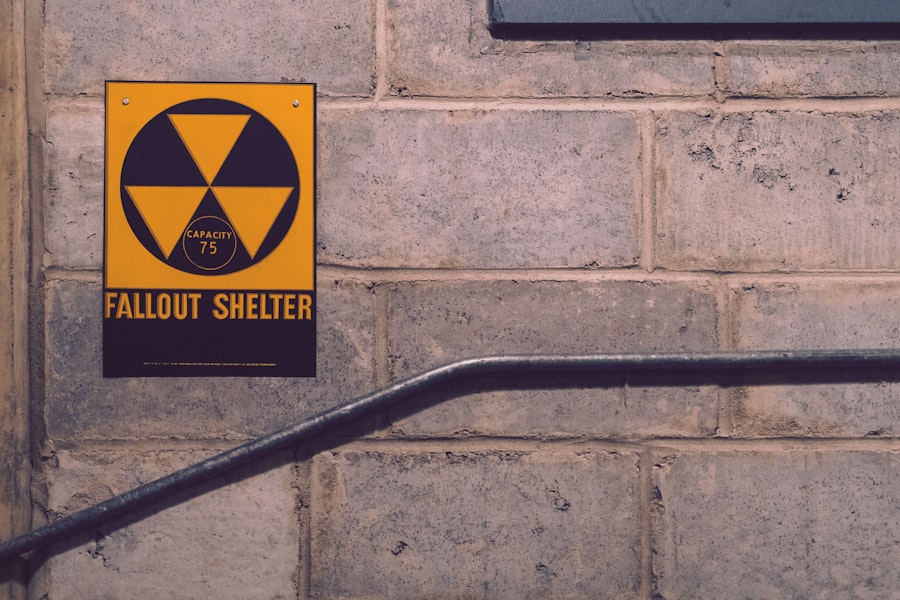
The advent of nuclear weapons fundamentally reshaped the dynamics of international relations, introducing a new calculus of power and a precarious balance of terror.
The Cold War and the Nuclear Standoff: A Tense Peace
The period between the late 1940s and the early 1990s, known as the Cold War, was characterized by a tense standoff between two superpowers, the United States and the Soviet Union, each possessing vast arsenals of nuclear weapons. While direct military conflict was avoided, the threat of nuclear annihilation loomed constantly. This was a period where peace was maintained not through harmony, but through the terrifying understanding that any aggression would lead to mutual destruction.
Mutually Assured Destruction (MAD): The Ultimate Deterrent
The doctrine of Mutually Assured Destruction (MAD) became the cornerstone of nuclear strategy during the Cold War. It posited that any nuclear attack by one superpower would result in an overwhelming retaliatory strike by the other, leading to the annihilation of both. This chilling logic, while terrifying, is credited by many with preventing a direct, large-scale war between the nuclear-armed states.
Proxy Wars and Nuclear Brinkmanship: The Shadows of Conflict
While direct confrontation was avoided, the Cold War saw numerous proxy wars fought in various parts of the world, often fueled by the ideological rivalry between the superpowers and their fear of escalating to nuclear conflict. Accidental launches, miscalculations, and moments of extreme tension brought the world to the brink of nuclear war on several occasions, highlighting the inherent instability of living under the nuclear shadow.
Nuclear Proliferation: The Spread of the Ultimate Weapon
The post-Cold War era has seen the continued proliferation of nuclear weapons and related technologies to new states. The desire for security, regional influence, or perceived parity has driven several nations to pursue nuclear capabilities, creating new flashpoints and increasing the risk of nuclear conflict. The proliferation of nuclear weapons is akin to handing out loaded firearms in a crowded room; the potential for accidental discharge or malicious intent escalates with each new recipient.
The Nuclear Club: Exclusive and Dangerous Membership
A select group of nations, known as the “nuclear club,” currently possesses nuclear weapons. This exclusivity, while intended to maintain a certain order, creates a dangerous dynamic where the perceived power and security of these states are amplified, while those without nuclear weapons may feel compelled to acquire them to counter perceived threats.
The Risk of State Failure and Non-State Actors: Unpredictable Variables
A significant concern regarding nuclear proliferation is the potential for nuclear weapons or materials to fall into the wrong hands. The collapse of a nuclear-armed state or the infiltration of terrorist organizations could lead to unimaginable consequences, as these weapons could be used for blackmail, terrorism, or even launched in a desperate act of defiance. The ghost of the atomic bomb in the hands of an extremist group is a nightmare that haunts global security.
Arms Control and Disarmament: The Fragile Pursuit of Peace
In response to the ever-present threat of nuclear catastrophe, numerous international treaties and initiatives have been established to control the spread of nuclear weapons and to pursue disarmament.
The Non-Proliferation Treaty (NPT): A Cornerstone of Global Security Efforts
The Treaty on the Non-Proliferation of Nuclear Weapons (NPT), signed in 1968, is a landmark international agreement aimed at preventing the spread of nuclear weapons and weapons technology, promoting the peaceful uses of nuclear energy, and furthering the goal of nuclear disarmament. However, its effectiveness is constantly challenged by non-compliance and the evolving geopolitical landscape.
The Comprehensive Test Ban Treaty (CTBT): A Step Towards De-Escalation
The Comprehensive Nuclear-Test Ban Treaty (CTBT), adopted in 1996, seeks to prohibit all nuclear explosions for any purpose. While it has not yet entered into force, it has significantly reduced the number of nuclear tests conducted globally, contributing to a de-escalation of the arms race.
The Economic Burden: The Cost of the Nuclear Shadow
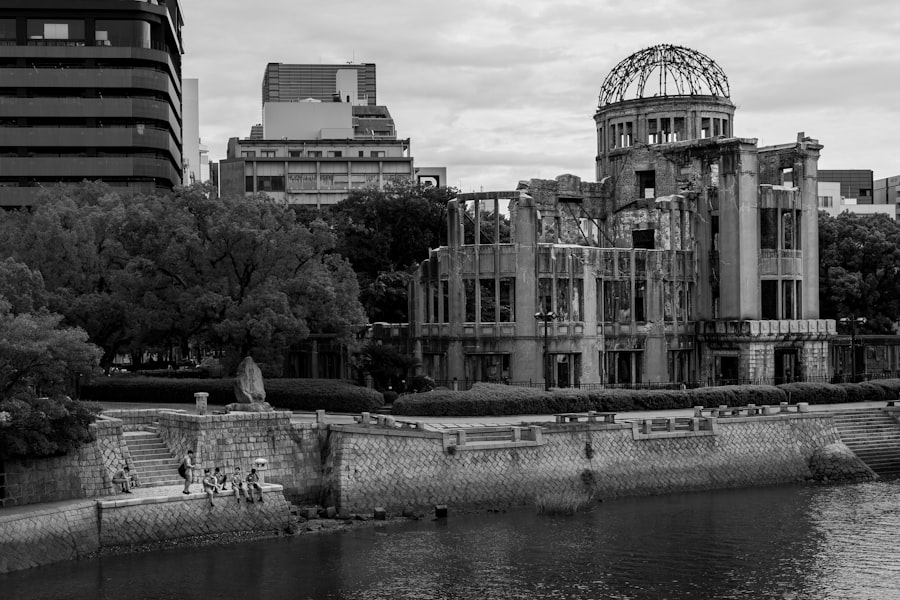
The maintenance of nuclear arsenals represents a colossal drain on national and global resources, diverting funds that could be used for development, healthcare, education, and addressing other pressing global challenges.
The Astronomical Costs of Maintaining Arsenals: A Bottomless Pit
The development, production, maintenance, and modernization of nuclear weapons require immense financial investment. Billions of dollars are spent annually by nuclear-armed states on these programs, encompassing research and development, the construction and upkeep of missile systems, delivery vehicles, and personnel. This is a continuous expenditure, a bottomless pit of financial resources dedicated to instruments of destruction.
Diversion of Resources from Essential Needs: Sacrificing the Present for a Perilous Future
The vast sums allocated to nuclear weapons divert critical resources from areas such as poverty reduction, healthcare services, education, infrastructure development, and environmental protection. Imagine the number of schools that could be built, the lives that could be saved through medical advancements, or the sustainable energy solutions we could implement if these funds were redirected. The opportunity cost of maintaining nuclear arsenals is enormous.
Economic Sanctions and Trade Implications: The Ripple Effect of Nuclear Ambitions
The pursuit of nuclear weapons by certain states can lead to international condemnation, economic sanctions, and trade restrictions, impacting not only the aspiring nuclear power but also its trading partners and the broader global economy. This can hinder economic development and create further instability.
The ongoing discussions about nuclear weapons and their implications for global security are critical in today’s geopolitical landscape. A related article that delves into the complexities of nuclear deterrence and the evolving strategies of various nations can be found on In The War Room. This piece offers valuable insights into how countries navigate the delicate balance of power while addressing the risks associated with nuclear arsenals. For more information, you can read the article here.
The Unseen Human Cost: The Psychological and Social Impact of Nuclear Weapons
| Country | Estimated Nuclear Warheads | Year of First Test | Delivery Systems | Maximum Yield (kilotons) |
|---|---|---|---|---|
| United States | 5,428 | 1945 | ICBMs, SLBMs, Strategic Bombers | 50000 |
| Russia | 5,889 | 1949 | ICBMs, SLBMs, Strategic Bombers | 50000 |
| China | 350 | 1964 | ICBMs, SLBMs, Bombers | 3200 |
| France | 290 | 1960 | SLBMs, Strategic Bombers | 600 |
| United Kingdom | 225 | 1952 | SLBMs, Strategic Bombers | 200 |
| India | 160 | 1974 | Ballistic Missiles, Aircraft | 45 |
| Pakistan | 165 | 1998 | Ballistic Missiles, Aircraft | 40 |
| North Korea | 40-50 | 2006 | Ballistic Missiles | 10-20 |
Beyond the immediate devastation and environmental fallout, the existence of nuclear weapons casts a long and insidious shadow over the human psyche and social fabric.
The Pervasive Fear and Anxiety: A Constant Undercurrent of Dread
The knowledge that humanity possesses the means to obliterate itself creates a pervasive sense of fear and anxiety. This existential dread can manifest in various ways, influencing individual well-being, social discourse, and cultural expressions. It is a constant whisper of doom in the background of our daily lives.
The Impact on Generations: A Legacy of Trauma and Uncertainty
The threat of nuclear war has impacted generations, shaping their outlooks and instilling a sense of uncertainty about the future. The stories and anxieties of those who lived through the Cold War have been passed down, creating a historical memory of potential annihilation.
The Ethics of Deterrence: A Moral Quagmire
The ethical implications of nuclear deterrence are a subject of intense debate. While proponents argue that nuclear weapons have prevented large-scale wars, critics highlight the inherent immorality of holding entire populations hostage and the unacceptable risk of accidental or intentional use. Can the threat of mass destruction truly be considered a guarantor of peace?
The Path Forward: Disarmament and a Nuclear-Free World
Despite the formidable challenges, the pursuit of a world free from nuclear weapons remains a crucial goal for global security and human survival.
The Importance of Diplomacy and Dialogue: Building Bridges, Not Walls
Effective diplomacy, open dialogue, and transparent communication between states are essential for de-escalating tensions, fostering trust, and building a sustainable framework for nuclear disarmament. The path to a nuclear-free world requires persistent engagement and a commitment to finding common ground.
Strengthening International Treaties and Verification Mechanisms: Holding Accountable
Robust international treaties, coupled with stringent verification mechanisms, are vital for ensuring compliance with disarmament commitments and preventing the illicit acquisition of nuclear weapons. Transparency and accountability are the cornerstones of any effective disarmament regime.
Public Awareness and Advocacy: The Power of the People
Engaging the public in discussions about the dangers of nuclear weapons and advocating for disarmament is crucial. Grassroots movements, educational initiatives, and widespread public pressure can significantly influence governmental policies and accelerate progress towards a nuclear-free world. The collective voice of humanity can be a powerful force for change.
Investing in Peace: Reallocating Resources for a Better Future
The ultimate goal of nuclear disarmament is to reallocate the vast resources currently dedicated to nuclear weapons towards addressing pressing global challenges and fostering sustainable development. By investing in peace, humanity can unlock its potential for progress and well-being.
In conclusion, the global impact of nuclear weapons is a multifaceted and profound reality. From the immediate devastation of their potential use to the lingering environmental and health consequences, and the complex geopolitical and economic burdens they impose, their existence demands our unwavering attention. While the shadow of the mushroom cloud remains a stark reminder of our destructive capabilities, the ongoing pursuit of disarmament and the collective commitment to a nuclear-free world offer a beacon of hope for a safer and more secure future for all. The future of our planet hinges on our ability to dismantle these instruments of ultimate annihilation, to finally step out of the shadow and bask in the light of genuine peace.
FAQs
What are nuclear weapons?
Nuclear weapons are explosive devices that derive their destructive power from nuclear reactions, either fission (splitting atomic nuclei) or a combination of fission and fusion (combining atomic nuclei). They release massive amounts of energy, causing widespread destruction and radiation.
How do nuclear weapons work?
Nuclear weapons work by initiating a rapid chain reaction of nuclear fission or fusion. In fission bombs, atoms of heavy elements like uranium-235 or plutonium-239 are split, releasing energy. Fusion bombs, or hydrogen bombs, use the energy from fission to fuse light nuclei such as isotopes of hydrogen, producing even greater explosive power.
Which countries currently possess nuclear weapons?
As of now, nine countries are known to possess nuclear weapons: the United States, Russia, China, France, the United Kingdom, India, Pakistan, North Korea, and Israel (though Israel has not officially confirmed its arsenal).
What are the effects of a nuclear weapon detonation?
A nuclear detonation causes an intense blast wave, extreme heat, and radiation. Immediate effects include massive destruction of infrastructure, fires, and loss of life. Long-term effects include radiation sickness, environmental contamination, and genetic damage to living organisms.
What international efforts exist to control nuclear weapons?
Several international treaties and organizations aim to control nuclear weapons, including the Treaty on the Non-Proliferation of Nuclear Weapons (NPT), which seeks to prevent the spread of nuclear weapons and promote disarmament. Other efforts include arms reduction agreements like New START and organizations such as the International Atomic Energy Agency (IAEA) that monitor nuclear activities.