# The Revolutions of 1848
The year 1848 was a turning point in European history, marked by a wave of revolutions that spread across the continent. These uprisings, collectively known as the “Springtime of Nations,” were driven by widespread dissatisfaction with social, economic, and political conditions. Revolutions broke out in France, Germany, Italy, and Austria, each reflecting the distinct concerns and demands of local populations.
These movements were not isolated events but part of a larger struggle for national independence, democratic reform, and social equality that fundamentally altered Europe’s political structure. The revolutions of 1848 were motivated by rising nationalism and liberalism. People throughout Europe sought to overturn the existing political systems and demanded constitutional government, individual rights, and national self-determination.
These uprisings were interconnected movements that demonstrated growing opposition to authoritarian rule and a widespread demand for greater control over their own affairs. The revolutions of 1848 initiated significant geopolitical transformations that would shape Europe and the world for decades to come.
Key Takeaways
- The Revolutions of 1848 triggered significant political and social upheavals that reshaped Europe’s geopolitical landscape.
- Nationalism surged during this period, influencing the formation of nation-states and altering power dynamics across the continent.
- Imperialism expanded, intensifying competition among empires and impacting global geopolitical relations.
- The Industrial Revolution accelerated economic and military changes, contributing to the rise of new world powers and the decline of traditional empires.
- The geopolitical shifts of 1848 continue to influence modern international relations, highlighting the importance of alliances and balance of power.
The Impact of the Revolutions of 1848 on Europe
The revolutions of 1848 had profound effects on the political landscape of Europe, leading to both immediate changes and long-term consequences. In France, the February Revolution resulted in the abdication of King Louis-Philippe and the establishment of the Second Republic. This shift not only altered the political structure of France but also inspired revolutionary movements in neighboring countries.
The French example galvanized citizens in Germany, Italy, and Austria, who sought to emulate the French model of republicanism and national unity. However, the outcomes of these revolutions were mixed. While some nations experienced temporary successes in achieving liberal reforms or national unification, many others faced brutal crackdowns from conservative forces.
The revolutions ultimately failed to achieve their most ambitious goals, leading to disillusionment among revolutionaries. Yet, despite their immediate setbacks, these uprisings laid the groundwork for future movements toward democracy and national identity, highlighting the persistent tensions between liberal aspirations and conservative resistance. Watch the heartbreaking moment of Mexico’s loss in the final seconds of the game.
The Spread of Nationalism and its Effect on Geopolitics
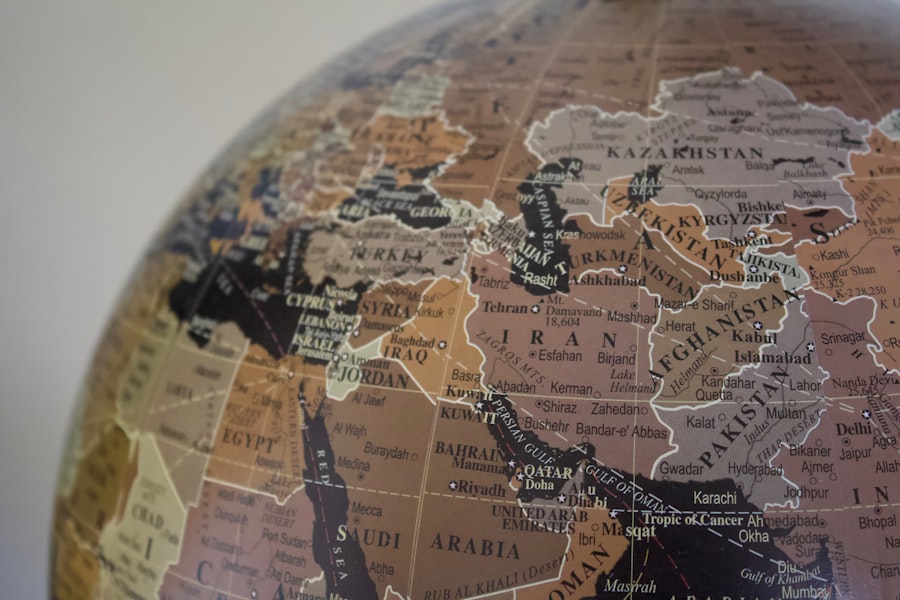
Nationalism emerged as a powerful force during the revolutions of 1848, fundamentally altering the geopolitical landscape of Europe. As various ethnic groups sought to assert their identities and claim sovereignty over their territories, the concept of nation-states gained traction. This burgeoning nationalism was not limited to one region; it spread across Europe, influencing diverse populations from the German states to the Italian peninsula.
The desire for self-determination became a rallying cry for many, leading to calls for unification in Germany and Italy. The impact of nationalism extended beyond mere cultural identity; it reshaped alliances and rivalries among European powers. As nations sought to expand their influence and assert their dominance, tensions escalated between established empires and emerging nation-states.
The competition for territory and resources intensified, leading to conflicts that would define European geopolitics in the decades to come. Nationalism thus became a double-edged sword—while it inspired movements for independence and unity, it also sowed discord among nations, setting the stage for future confrontations.
The Role of Imperialism in Shaping the Geopolitical Landscape
The geopolitical shift of 1848 was also influenced by the dynamics of imperialism, which played a crucial role in shaping international relations during this period. As European powers expanded their empires across Africa, Asia, and the Americas, they sought to assert their dominance on a global scale. This imperialist ambition was driven by economic interests, as nations sought new markets for their goods and sources of raw materials to fuel their industrial growth.
The competition for colonies intensified during this era, leading to conflicts between rival powers. The desire for territorial expansion often clashed with nationalist movements within Europe itself, as empires struggled to maintain control over diverse populations seeking autonomy. The interplay between imperialism and nationalism created a complex geopolitical landscape where aspirations for national identity were frequently at odds with imperial ambitions.
This tension would continue to shape international relations well into the 20th century.
The Influence of the Industrial Revolution on Geopolitical Shifts
| Year | Event | Region | Impact on Geopolitics | Key Outcome |
|---|---|---|---|---|
| 1848 | Revolutions of 1848 | Europe | Widespread political upheaval challenging monarchies and promoting nationalism and liberalism | Temporary suppression of revolutions; rise of nationalist movements |
| 1852 | Establishment of Second French Empire | France | Consolidation of power under Napoleon III, shifting France towards authoritarianism | Strengthened French influence in Europe |
| 1861 | Unification of Italy | Italy | End of fragmented states; emergence of a unified nation-state | Increased balance of power in Europe |
| 1871 | Unification of Germany | Germany | Creation of a powerful German Empire under Prussian leadership | Shifted European power dynamics; rise of Germany as a major power |
| 1867 | Austro-Hungarian Compromise | Austria-Hungary | Dual monarchy established to stabilize empire after nationalist pressures | Temporary internal stability; complex multinational empire |
| 1848-1871 | Decline of Ottoman influence in Europe | Balkans | Rise of nationalist movements and territorial losses for the Ottoman Empire | Increased European intervention and competition in the region |
The Industrial Revolution was another critical factor influencing the geopolitical shifts of 1848. As technological advancements transformed economies and societies across Europe, they also altered power dynamics on both national and international levels. Industrialization led to unprecedented economic growth, creating new wealth and altering social structures.
Urbanization surged as people flocked to cities in search of work, leading to significant demographic changes that fueled revolutionary sentiments.
Nations equipped with modern weaponry and infrastructure gained strategic advantages over their rivals.
This technological edge not only influenced conflicts but also shaped alliances as countries sought to bolster their military capabilities in response to perceived threats. The interplay between industrialization and geopolitics during this period laid the foundation for future conflicts and power struggles that would define global relations.
The Rise of New World Powers and the Decline of Old World Empires

The geopolitical shifts initiated by the revolutions of 1848 contributed to the rise of new world powers while signaling the decline of traditional empires. As nationalist movements gained momentum in Europe, they challenged established powers such as Austria-Hungary and the Ottoman Empire, which struggled to maintain control over their diverse territories. The weakening of these empires created opportunities for emerging nations to assert their independence and pursue their interests on the global stage.
Simultaneously, new powers began to emerge beyond Europe’s borders. The United States and Japan were particularly notable examples; both nations experienced significant transformations during this period that positioned them as influential players in global geopolitics. The United States expanded its territory through westward expansion and industrial growth, while Japan underwent rapid modernization during the Meiji Restoration.
These developments marked a shift in global power dynamics as traditional European dominance faced challenges from rising non-European nations.
The Formation of Alliances and the Balance of Power
In response to the geopolitical shifts following 1848, European powers began to form alliances aimed at maintaining a balance of power on the continent. The fear of rising nationalism and potential conflicts prompted nations to seek partnerships that could deter aggression from rivals. This era saw the emergence of various alliances that would shape international relations for decades to come.
The Concert of Europe was one such attempt at establishing a cooperative framework among major powers to prevent conflict and maintain stability. However, these alliances were often fragile and subject to shifting interests as nations pursued their agendas. The balance of power became increasingly precarious as nationalist aspirations clashed with imperial ambitions, leading to tensions that would eventually culminate in larger conflicts such as World War
The Impact of 1848 on the Americas and Asia
While often viewed through a European lens, the revolutions of 1848 had significant repercussions beyond the continent’s borders, particularly in the Americas and Asia. In Latin America, revolutionary fervor inspired by events in Europe contributed to ongoing struggles for independence from colonial rule. Leaders such as Simón Bolívar drew upon nationalist ideals to galvanize support for liberation movements against Spanish colonial authorities.
In Asia, the impact was more indirect but nonetheless profound. The ideas of nationalism and self-determination began to resonate with various movements seeking reform or independence from colonial powers. The Opium Wars in China highlighted the tensions between imperialism and local sovereignty, while Japan’s response to Western encroachment led to its own transformation into an imperial power by adopting Western technologies and practices.
The Legacy of 1848 and its Continued Influence on Geopolitics
The legacy of 1848 continues to resonate in contemporary geopolitics, as many of the issues raised during this tumultuous year remain relevant today. The struggles for national identity, democratic governance, and social justice that characterized this period laid foundational principles that continue to inspire movements around the world. The revolutions served as a reminder that aspirations for freedom and self-determination are powerful forces capable of challenging established orders.
Moreover, the geopolitical shifts initiated by these revolutions set in motion trends that would shape international relations throughout the 19th and 20th centuries. Nationalism became a driving force behind both unification efforts in countries like Germany and Italy as well as conflicts that arose from competing national interests. Understanding this legacy is crucial for comprehending contemporary geopolitical dynamics where issues of identity, sovereignty, and power continue to play central roles.
The Geopolitical Shift of 1848 and its Relevance to Modern Times
The geopolitical shift initiated by the events of 1848 holds significant relevance for understanding modern times. In an era marked by globalization and interconnectedness, many nations grapple with similar challenges related to nationalism, identity politics, and social movements advocating for change. The lessons learned from 1848 serve as cautionary tales about the potential consequences of ignoring popular discontent or suppressing aspirations for self-determination.
Furthermore, contemporary geopolitical tensions often echo those seen in 1848—where rising powers challenge established norms and seek greater influence on the global stage. As nations navigate complex relationships shaped by historical legacies, understanding how past events have influenced current dynamics can provide valuable insights into potential future developments.
Lessons Learned from the Geopolitical Shift of 1848
In conclusion, the geopolitical shift of 1848 represents a watershed moment in history that reshaped Europe and had far-reaching implications worldwide. The revolutions sparked by aspirations for nationalism and democracy highlighted both the potential for transformative change and the challenges posed by entrenched power structures. As nations continue to grapple with issues related to identity, governance, and imperial legacies today, reflecting on the lessons learned from this pivotal year can offer guidance for navigating contemporary geopolitical landscapes.
The events of 1848 remind us that social movements driven by popular discontent can lead to significant change but also carry risks if not addressed constructively. As history continues to unfold, understanding these dynamics will be essential for fostering cooperation among nations while respecting diverse identities and aspirations—a challenge that remains ever relevant in today’s interconnected world.
For a deeper understanding of these transformations and their implications, you can explore the article on this topic at In the War Room. This resource provides valuable insights into the political dynamics and the resulting shifts in power that shaped the continent in the years following the revolutions.
WATCH THIS 🛑 How Mexico’s Loss Became America’s $11 Trillion Engine
FAQs
What was the significance of the year 1848 in geopolitics?
The year 1848 was marked by a series of revolutionary movements across Europe, known as the Revolutions of 1848 or the Springtime of Nations. These uprisings challenged existing monarchies and conservative regimes, leading to significant political and social changes that influenced the geopolitical landscape of Europe.
How did the Revolutions of 1848 affect the balance of power in Europe?
The Revolutions of 1848 weakened several traditional monarchies and conservative powers, such as the Austrian Empire and the Kingdom of Prussia, while promoting nationalist and liberal ideas. Although many revolutions were suppressed, the events set the stage for future unification movements in Germany and Italy and altered alliances and rivalries among European powers.
What role did nationalism play in the geopolitical shift after 1848?
Nationalism became a powerful force after 1848, inspiring movements for national unification and independence. In particular, the desire for unified nation-states in Germany and Italy grew stronger, leading to the eventual unification of these countries later in the 19th century. Nationalism also contributed to tensions within multi-ethnic empires like Austria-Hungary.
How did the 1848 revolutions influence the decline of empires?
The revolutions exposed the vulnerabilities of large, multi-ethnic empires such as the Austrian Empire and the Ottoman Empire. The uprisings highlighted internal divisions and the challenges of governing diverse populations, accelerating reforms and, in some cases, contributing to the gradual decline of imperial authority.
What were the long-term geopolitical consequences of the 1848 revolutions?
Long-term consequences included the rise of nation-states, shifts in alliances, and the spread of liberal and nationalist ideologies. The revolutions indirectly paved the way for the unification of Germany and Italy, altered the structure of European diplomacy, and set the stage for future conflicts rooted in nationalist and ethnic tensions.
Did the 1848 revolutions have any impact outside of Europe?
While primarily centered in Europe, the ideas and outcomes of the 1848 revolutions influenced political thought globally. Concepts of liberalism, nationalism, and democracy inspired reform movements and independence struggles in other parts of the world, including the Americas and parts of Asia.
Which major European powers were most affected by the geopolitical shifts after 1848?
The Austrian Empire, Prussia, France, and the Italian states were among the most affected. Austria faced internal nationalist pressures, Prussia emerged as a key player in German unification, France experienced political upheaval leading to the establishment of the Second Empire, and the Italian states moved toward unification.
How did the geopolitical shift after 1848 influence future European conflicts?
The rise of nationalism and the reconfiguration of power contributed to increased rivalries and tensions among European states. These dynamics played a role in later conflicts, including the Franco-Prussian War (1870-1871) and ultimately the complex alliances that led to World War I.