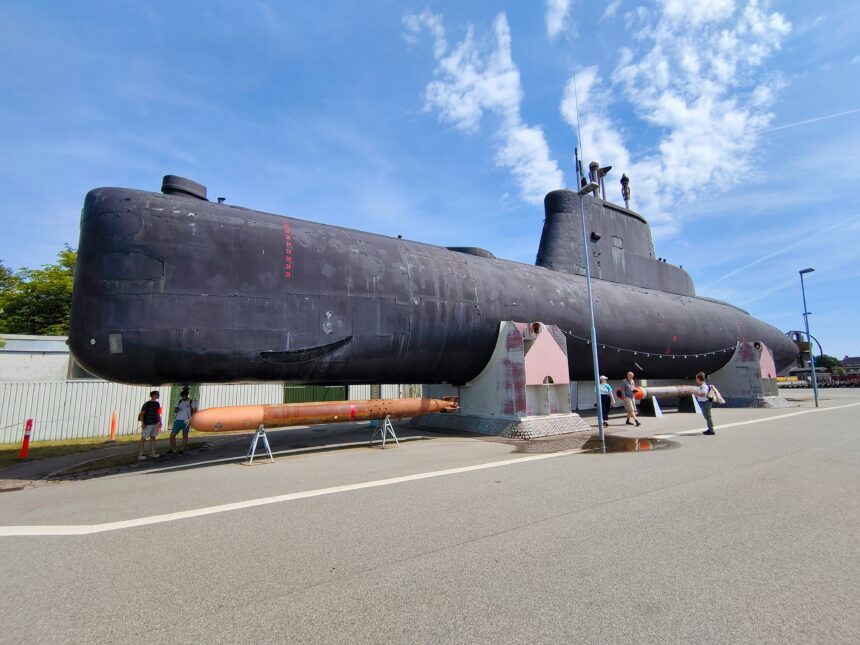
The quiet giants of the deep hold a disproportionate sway in the intricate dance of international relations. Stealth submarines, by their very nature, operate in a liminal space, simultaneously present and invisible, their presence a whisper on the ocean currents that can echo with the force of a thunderclap in strategic calculations. Their geopolitical importance stems from an inherent ability to project power, conduct reconnaissance, and act as a potent deterrent, all while minimizing the risk of immediate detection. This unique combination of qualities renders them indispensable tools for nations aiming to navigate the complex maritime domain, secure their interests, and maintain a delicate balance of power.
Stealth submarines are not merely submerged vessels; they are manifestations of sophisticated engineering designed to outwit the most advanced detection systems. Their operational effectiveness is rooted in a confluence of cutting-edge technologies.
Acoustic Signature Reduction: The Art of Silence
The primary characteristic of a stealth submarine is its minimized acoustic signature. This is achieved through a multi-pronged approach, beginning with the very hull design. Modern stealth submarines often feature boat-shaped hulls or other hydrodynamically optimized forms that reduce water flow noise, the churning of the ocean against the vessel’s exterior, which is a significant source of sound.
- Anechoic Coatings: Perhaps the most visually striking aspect of stealth submarines are the special coatings applied to their hulls. These anechoic (literally “without echo”) tiles are designed to absorb sonar pings, much like the soundproofing in a recording studio absorbs sound waves. Instead of reflecting acoustic energy back to the source, these tiles scatter and dampen it, making it far more difficult for enemy sonar to get a clear “picture” of the submarine. These coatings are not a uniform layer but are often precisely placed and shaped to address specific frequencies where sonar is most effective.
- Advanced Machinery Mounting: The machinery within a submarine, from the propulsion systems to life support, generates vibrations that translate into sound. Stealth submarines employ sophisticated shock mounts and acoustic insulation to isolate these vibrating components from the hull. This effectively decouples the noisy machinery from the silent hull, preventing sound from radiating outwards into the water. Think of it like placing sensitive equipment on a rubber mat to prevent vibrations from traveling through a table.
- Propulsion System Innovation: Traditional propeller noise is a significant acoustic giveaway. Stealth submarines have moved towards quieter propulsion methods.
- Pump-jet Propulsors: These systems replace the exposed propeller with a stationary nozzle that surrounds a rotating impeller. The water passes through a duct, creating a more uniform and less turbulent flow, thus reducing cavitation and the associated noise. This is analogous to a fan enclosed within a shroud versus an exposed fan, where the shroud helps to direct and quiet the airflow.
- Air-Independent Propulsion (AIP): AIP systems allow submarines to operate submerged for extended periods without relying on diesel engines that require air intake and thus necessitate surfacing or snorkeling, thereby revealing their position. Various AIP technologies exist, including fuel cells, Stirling engines, and closed-cycle diesel engines. These systems not only enhance submerged endurance but also reduce the need for the noisy diesel engines to run, contributing further to acoustic stealth.
Non-Acoustic Detection Avoidance: Beyond Sonar
While sonar is the primary method for detecting submarines, militaries are also developing and employing methods to detect subs through other means. Stealth submarines are designed with these in mind as well.
- Magnetic Anomaly Detection (MAD) Mitigation: Submarines, being large metallic objects, can create disturbances in the Earth’s magnetic field, which can be detected by MAD sensors. Stealth submarines are often designed with careful consideration of their magnetic signature, employing techniques to minimize these anomalies or utilizing specialized materials that have reduced magnetic properties.
- Visual and Radar Stealth: While submerged, visual and radar detection are less of a concern. However, during operations near the surface, or when deploying airborne systems or periscopes, minimizing visual and radar signatures becomes important. Some submarines have radar-absorbent materials on exposed surfaces and specialized coatings to reduce their reflectivity. Their hull shapes are also designed to break up radar reflections.
- Thermal Signature Reduction: While challenging underwater, submarines do generate heat. Advanced cooling systems and hull designs aim to minimize the thermal plume that might be detectable by specialized infrared sensors.
Advanced Sensors and Communications: The Eyes and Ears of the Deep
The ability to detect and communicate without revealing one’s own presence is equally critical. Stealth submarines are equipped with highly advanced sensor suites.
- Passive Sonar Arrays: These arrays are designed to “listen” to the underwater acoustic environment without emitting any sound. They can detect and classify the sounds of other vessels, marine life, and underwater structures with remarkable accuracy. The longer and more sophisticated the sonar array, the better it is at discerning faint sounds and pinpointing their origin.
- Active Sonar (Used Sparingly): While active sonar, which emits a ping and listens for the echo, is a powerful detection tool, its use by stealth submarines is extremely limited due to its noisiness. When used, it is typically in short bursts and at frequencies less likely to be detected by traditional acoustic sensors.
- Non-Acoustic Sensors: Research and development continue in areas like optical sensors for very shallow water operations, and limited-use towed arrays that can extend the submarine’s listening range without compromising its hull’s stealth.
- Secure and Low-Probability of Intercept (LPI) Communications: Communicating from beneath the waves is a significant challenge. Stealth submarines utilize highly directional, encrypted communication systems that are difficult to intercept and jam. The use of satellite communications, often deployed via buoyant antennas, is carefully managed to minimize transmission time and signal strength.
Stealth submarines play a crucial role in modern geopolitics, as they provide nations with the ability to conduct covert operations and maintain strategic deterrence without being easily detected. The significance of these underwater vessels is highlighted in a related article that discusses their impact on global military strategies and power dynamics. For a deeper understanding of why stealth submarines matter in the context of international relations, you can read more in this insightful piece at In The War Room.
Projecting Power from the Depths: Strategic Deterrence and Offense
The very existence of stealth submarines serves as a powerful deterrent. Their ability to operate unseen and strike with precision transforms them into formidable tools of strategic projection.
The Unseen Sword: Deterrence in Action
The primary geopolitical impact of stealth submarines lies in their deterrent capability. The knowledge that an unseen adversary might be lurking in the deep, capable of launching a devastating attack, can significantly influence the decision-making of potential aggressors.
- First Strike Prevention: A stealth submarine patrol in strategic waters can make an enemy think twice before launching a first strike. The risk of immediate, undetected retaliation from the sea can be a powerful disincentive to pre-emptive aggression. It introduces a level of uncertainty and risk that can derail aggressive military planning.
- Naval Supremacy and Sea Lane Control: In contested waters, a fleet of stealth submarines can deny an adversary freedom of movement. They can effectively shadow and threaten enemy naval assets, making it perilous for large convoys or warships to operate. This control over sea lanes is vital for trade and military logistics, and their presence can choke an adversary’s ability to project power or sustain their economy.
- Inflicting Asymmetric Damage: Stealth submarines can inflict disproportionate damage on conventionally larger and more visible naval forces. A single torpedo from an undetectable submarine can cripple or sink a capital ship, representing an enormous military and symbolic loss for the affected nation. This asymmetry of power is a key element of their deterrent value.
The Silent Strike: Offensive Capabilities
Beyond deterrence, stealth submarines are potent offensive platforms. Their ability to approach targets undetected allows for a range of strike options.
- Land Attack Missions: Modern stealth submarines are increasingly equipped with vertical launching systems (VLS) capable of firing land-attack cruise missiles. These missiles can strike targets far inland, giving submarines a strategic reach comparable to land-based bomber aircraft or missile silos, but with the added advantage of extreme survivability and mobility. This allows a nation to project power directly into an adversary’s homeland without risking its more vulnerable air or land-based assets.
- Anti-Ship Strikes: Their traditional role, anti-ship warfare remains a core capability. Stealth submarines can lie in ambush for enemy warships, deploying a variety of torpedoes and anti-ship missiles with devastating accuracy. The advantage of surprise means the target often has little to no warning, significantly increasing the likelihood of a successful strike.
- Special Operations Insertion and Extraction: Stealth submarines are ideal platforms for inserting and extracting special forces teams into hostile territory. Their quiet approach and ability to remain submerged allow for covert operations, such as reconnaissance, sabotage, or hostage rescue, to be conducted with a significantly reduced risk of detection by enemy forces.
The Unseen Eyes: Intelligence Gathering and Reconnaissance

The deep ocean is a vast and often unobserved realm. Stealth submarines, with their silent presence, are unparalleled intelligence-gathering platforms, providing invaluable insights into adversary activities.
Maritime Domain Awareness: A Deep Dive into Enemy Operations
Understanding what adversaries are doing at sea is crucial for national security. Stealth submarines excel at providing this critical intelligence, often in real-time.
- Fleet Tracking and Monitoring: Stealth submarines can shadow enemy naval fleets for extended periods, meticulously logging their movements, formations, and operational patterns. This data is invaluable for predicting enemy intentions, identifying vulnerabilities, and developing counter-strategies. Imagine a detective patiently observing a suspect’s every move from an unseen vantage point.
- Electronic Intelligence (ELINT) and Signals Intelligence (SIGINT): While submerged, submarines can deploy specialized antennas or utilize towed sensor arrays to intercept enemy radar emissions, radio communications, and other electronic signals. This intelligence can reveal valuable information about an adversary’s command and control structures, weapon systems, and operational readiness.
- Bottom Mapping and Seabed Intelligence: Stealth submarines can conduct detailed surveys of the ocean floor, mapping submarine routes, identifying potential minefields, and assessing the suitability of locations for future naval operations. This “seabed intelligence” is critical for planning amphibious landings, submarine deployments, and the installation of undersea infrastructure.
Battlefield Preparation: Laying the Groundwork for Future Operations
The intelligence gathered by stealth submarines can significantly shape the operational environment before a conflict even begins.
- Minefield Identification and Clearance: Stealth submarines can identify and map enemy minefields, allowing friendly forces to navigate safely or plan clearance operations. Conversely, they can also be used to secretly deploy mines in strategic locations, creating significant hazards for enemy shipping.
- Oceanographic Data Collection: Accurate oceanographic data is vital for naval operations. Stealth submarines can collect detailed information on currents, water temperature, salinity, and water depth, which can be used to optimize sonar performance, predict the behavior of naval vessels, and plan for operations in specific environments.
- Forward Reconnaissance: Before a major naval operation, stealth submarines can conduct deep reconnaissance into enemy waters, identifying defensive positions, patrol routes of enemy submarines and surface vessels, and the presence of any shore-based threats. This pre-conflict intelligence is akin to a scout venturing into enemy territory to gather vital information for the main force.
The Shifting Sands of Geopolitics: Stealth Submarines in Modern Power Dynamics
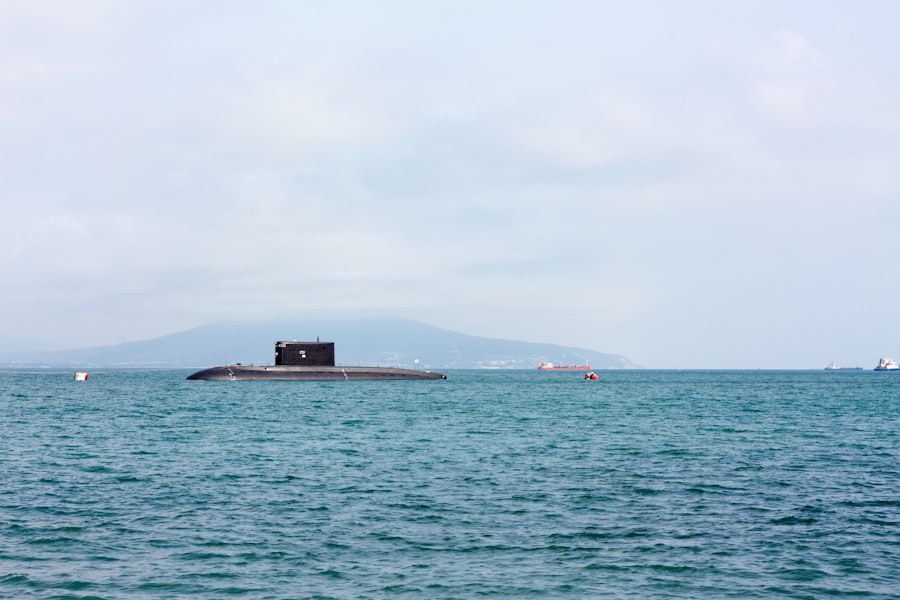
The proliferation and advancement of stealth submarine technology are directly influencing the geopolitical landscape, particularly in regions with significant maritime interests.
Great Power Competition: A Submarine Arms Race
The acquisition and development of advanced stealth submarines have become a hallmark of great power competition. Nations are investing heavily in these platforms to maintain a strategic edge.
- Naval Balance of Power: The number and capability of stealth submarines a nation possesses directly impact its standing in the global naval hierarchy. Countries like the United States, Russia, China, and increasingly India and the United Kingdom, are all actively modernizing and expanding their submarine fleets. This has created a subtle but powerful submarine arms race, where advancements in one nation’s capabilities spur investment and innovation in others.
- Regional Power Projection: Beyond the major powers, regional players are also recognizing the value of stealth submarines. Countries like South Korea, Japan, and Australia are developing or acquiring more capable submarines to secure their maritime interests in the Indo-Pacific, a region of increasing geopolitical significance.
- Technological Superiority as a Differentiator: The nations that can successfully develop and field the most technologically advanced stealth submarines gain a significant advantage. This includes not only the submarine itself but also the supporting infrastructure for training, maintenance, and intelligence sharing. The ability to maintain a technological edge is a critical component of sustained geopolitical influence.
Maritime Chokepoints and Strategic Arteries: The Vulnerability of Global Trade
The world’s reliance on maritime trade means that controlling or disrupting key maritime chokepoints is a potent geopolitical lever. Stealth submarines are ideally suited to exploit these vulnerabilities.
- Strait of Hormuz, Malacca Strait, and Suez Canal: These narrow waterways are vital arteries for global trade and energy transport. A stealth submarine operating within these chokepoints, even for a limited time, could significantly disrupt global commerce, creating immense economic pressure on nations that rely on these routes.
- Denial of Access: In the event of a conflict, stealth submarines can be used to deny an adversary access to critical sea lanes, effectively isolating them economically and militarily. This is a powerful tool of coercive diplomacy, where the threat of economic strangulation can force a nation to reconsider its actions.
- Escalation Control: Paradoxically, the covert nature of stealth submarines might also offer a degree of escalation control. Their ability to operate without immediate attribution and inflict damage without widespread collateral damage could, in theory, offer a pathway for limited actions that de-escalate rather than immediately escalate a conflict. However, this remains a highly debated and uncertain aspect of their strategic utility.
Stealth submarines play a crucial role in modern geopolitics, as their ability to operate undetected allows nations to maintain a strategic advantage in maritime conflicts. These advanced vessels can gather intelligence, conduct surveillance, and execute precision strikes without revealing their presence, making them essential for national security. For a deeper understanding of the implications of stealth technology in naval warfare, you can read more in this insightful article on the subject. Check it out here.
The Future of Underwater Warfare: Emerging Threats and Adaptations
| Metric | Description | Geopolitical Impact |
|---|---|---|
| Stealth Capability | Ability to operate undetected by sonar and radar systems | Enables covert intelligence gathering and surprise military operations, shifting power balances |
| Strategic Deterrence | Deployment of nuclear-armed submarines as second-strike platforms | Maintains nuclear deterrence stability and prevents first-strike incentives among rival states |
| Surveillance and Reconnaissance | Monitoring of maritime activities and enemy movements | Provides critical intelligence that influences diplomatic negotiations and military readiness |
| Force Projection | Ability to deploy special forces or launch missile strikes from underwater | Extends a nation’s military reach and influence in contested regions |
| Maritime Security | Protection of sea lanes and exclusive economic zones | Secures vital trade routes and natural resources, impacting global economic stability |
| Technological Edge | Advanced propulsion, noise reduction, and weapon systems | Demonstrates military innovation, affecting alliances and arms races |
The evolution of stealth submarine technology is a continuous process, driven by the need to counter emerging threats and enhance existing capabilities.
The Countermeasures Race: Detecting the Undetectable
As stealth submarine technology advances, so too do the methods to detect them. This ongoing “cat and mouse” game shapes future developments.
- Advanced Anti-Submarine Warfare (ASW): Nations are investing heavily in developing more sophisticated ASW capabilities. This includes improved sonar systems for surface ships and aircraft, advanced towed arrays, and the development of autonomous underwater vehicles (AUVs) designed to hunt submarines. The deployment of networked sensors that can share data across multiple platforms creates a more comprehensive picture of the underwater environment.
- Quantum Sensing and Other Novel Detection Methods: Research into entirely new methods of submarine detection is underway. Quantum sensing, for example, holds the potential to detect subtle magnetic disturbances with unprecedented sensitivity, potentially offering a way to track submarines even if they minimize their acoustic signatures.
- Cyber Warfare and Electronic Attack: The reliance of modern submarines on complex digital systems makes them vulnerable to cyberattacks and electronic warfare. Jamming communication signals, disrupting navigation systems, or even compromising control software could render a stealth submarine ineffective or even a danger to its own crew.
The Autonomous Submarine and the Swarm Concept
The future of underwater warfare may see a shift towards greater autonomy and the use of swarms of unmanned systems.
- Autonomous Underwater Vehicles (AUVs): AUVs are becoming increasingly sophisticated, capable of conducting independent reconnaissance, mine countermeasures, and even offensive missions. In a larger conflict, a swarm of these AUVs could overwhelm an adversary’s defenses, acting as a force multiplier for manned submarines.
- The “Swarm” Tactic: The concept of deploying a large number of smaller, potentially less sophisticated but highly networked and coordinated unmanned systems – a “swarm” – presents a new challenge for traditional ASW. This swarm could overwhelm an enemy’s sensor capabilities or act as decoys, allowing more valuable manned assets to operate more safely.
- Miniaturization and Persistent Presence: The ongoing miniaturization of submersible technology could lead to the development of very small, highly stealthy unmanned submarines that can be deployed in vast numbers to create a persistent surveillance or offensive presence in enemy waters.
In conclusion, stealth submarines are far more than just advanced pieces of military hardware. They are sophisticated instruments of geopolitical strategy, capable of shaping deterrence, projecting power, and gathering vital intelligence from the silent depths. Their ability to operate with impunity beneath the waves makes them a constant strategic consideration for nations navigating the complex and often perilous currents of international affairs. As technology continues to evolve, the silent giants of the deep will undoubtedly remain central to the global balance of power, their unseen presence a continuous and profound influence on the geopolitical landscape.

WATCH NOW ▶️ WARNING: The $17M Deal That Blinded The US Navy
FAQs
What is a stealth submarine?
A stealth submarine is a type of underwater vessel designed to operate with minimal noise and radar detection, making it difficult for adversaries to detect and track. These submarines use advanced technologies in hull design, sound dampening, and propulsion to reduce their acoustic signature.
Why are stealth submarines important in geopolitics?
Stealth submarines play a critical role in geopolitics because they provide strategic military advantages, such as intelligence gathering, surveillance, and the ability to launch surprise attacks. Their covert nature allows nations to project power and maintain deterrence without escalating visible tensions.
How do stealth submarines influence global security dynamics?
Stealth submarines influence global security by enhancing a country’s second-strike nuclear capability, ensuring deterrence in conflicts. They also contribute to naval dominance, affect maritime territorial disputes, and impact the balance of power among rival nations.
Which countries are known for operating advanced stealth submarines?
Countries with advanced stealth submarine capabilities include the United States, Russia, China, the United Kingdom, and France. These nations invest heavily in submarine technology to maintain strategic advantages in underwater warfare and intelligence operations.
What challenges do stealth submarines pose to anti-submarine warfare?
Stealth submarines challenge anti-submarine warfare by being difficult to detect with traditional sonar and radar systems. Their low noise levels and advanced countermeasures require continuous development of new detection technologies and tactics to effectively track and neutralize them.