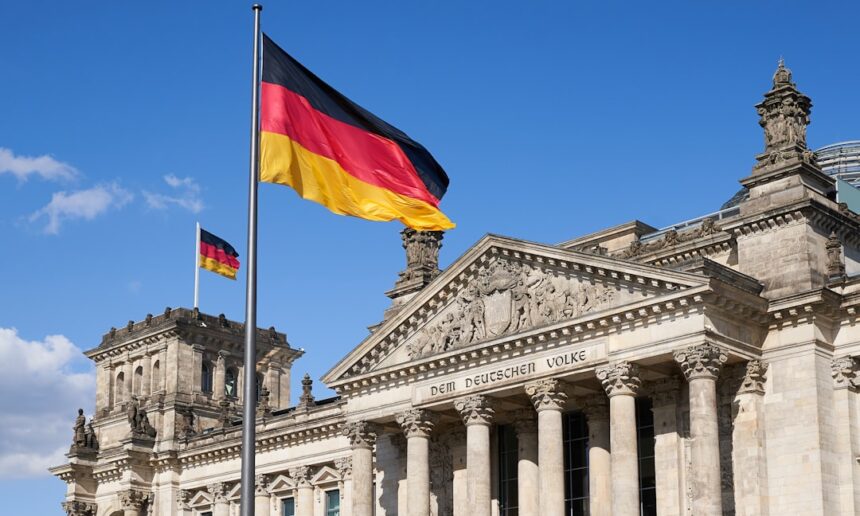
The economic resurgence of West Germany in the 1950s, commonly referred to as the “Wirtschaftswunder” or Economic Miracle, remains a subject of considerable historical and economic analysis. This period witnessed a remarkable transformation of a nation shattered by war and division into a leading industrial power. Understanding the foundations of this miracle requires examining a complex interplay of external aid, internal policy decisions, demographic shifts, and a societal recalibration following the immense destruction of World War II. It was not a spontaneous event but rather the culmination of deliberate actions and opportune circumstances that allowed for rapid recovery and sustained growth.
The immediate aftermath of World War II left Germany in a state of profound devastation. Cities lay in ruins, infrastructure was crippled, and industrial capacity was severely diminished. The division of the country into occupation zones further complicated the process of rebuilding and economic recovery.
The Physical Scars of War
- The bombing campaigns of the war had obliterated large sections of German urban centers, destroying homes, factories, and essential public services.
- Transportation networks, including railways, roads, and bridges, were extensively damaged, hindering the movement of goods and people.
- Industrial machinery had been destroyed or was technologically outdated, requiring significant investment and modernization.
The Human and Social Toll
- Millions of German citizens had been killed or wounded during the conflict, leaving a demographic imbalance and a shortage of skilled labor in many sectors.
- The displacement of populations, including refugees and those returning from captivity, created immense social strain and housing shortages.
- A sense of national defeat and uncertainty permeated society, requiring a psychological and ideological shift to reorient the nation’s future.
The Divided Nation
- The division of Germany into four occupation zones (American, British, French, and Soviet) initially led to disparate economic policies and hindered a unified recovery effort.
- The subsequent formation of West Germany (Federal Republic of Germany – FRG) and East Germany (German Democratic Republic – GDR) solidified this division, creating two distinct economic and political systems.
The German economic miracle, known as the “Wirtschaftswunder,” was a remarkable period of rapid economic growth in West Germany during the 1950s, largely attributed to the Marshall Plan and the country’s industrial base. For a deeper understanding of the factors that contributed to this transformation, you can read a related article that explores the foundational elements of this economic resurgence. For more insights, visit this article.
The Marshall Plan: External Catalyst for Recovery
The role of the Marshall Plan, officially the European Recovery Program, is undeniably central to understanding the initial impetus for West Germany’s economic miracle. While not the sole factor, it provided crucial financial and material assistance that allowed for the rebuilding of essential infrastructure and industries.
Financial Injection and Raw Material Supply
- The United States provided significant financial aid to Western Europe, with West Germany being a major recipient. This capital injection was vital for purchasing raw materials, machinery, and essential goods that Germany could not self-produce in its weakened state.
- The plan facilitated the import of vital resources such as coal, steel, and petroleum, which were critical for jump-starting industrial production.
Technical Assistance and Modernization
- Beyond financial aid, the Marshall Plan also offered technical assistance and expertise. American advisors helped German industrialists adopt more efficient production methods and learn about modern management techniques.
- This transfer of knowledge contributed to the modernization of German industry, laying the groundwork for its future competitiveness.
Psychological Impact and Confidence Building
- The Marshall Plan sent a powerful signal of international support and confidence in West Germany’s potential for recovery. This psychological boost was invaluable in a nation grappling with defeat and uncertainty.
- It fostered a sense of partnership and integration into the Western economic order, encouraging investment and trade.
Domestic Policy and Liberalization: Ludwig Erhard’s Ordoliberalism
The economic policies implemented in West Germany, particularly under the guidance of Ludwig Erhard, played a pivotal role in shaping the direction and sustainability of the economic miracle. His adherence to the principles of ordoliberalism, a form of social market economy, provided a framework for economic freedom within a regulated environment.
The Role of the Social Market Economy
- The core tenet of the social market economy was the pursuit of free market principles while ensuring social welfare and stability. This approach sought to balance economic efficiency with social justice.
- It emphasized competition as the primary driver of economic growth, but with a strong regulatory framework to prevent monopolies and cartels.
Currency Reform and Stabilization
- The currency reform of 1948, introducing the Deutsche Mark, was a critical step in stabilizing the economy. It eliminated the lingering effects of wartime inflation and created a sound basis for economic transactions.
- This reform effectively wiped out much of the accumulated debt and provided a stable currency that instilled confidence in businesses and consumers.
Deregulation and Liberalization of Trade
- Erhard’s policies championed the deregulation of markets and the liberalization of trade. Restrictions on prices, production, and distribution were systematically dismantled.
- The removal of price controls, for instance, allowed supply and demand to dictate prices, leading to increased efficiency and a greater availability of goods.
Promoting Competition and Entrepreneurship
- Fostering a competitive environment was central to Erhard’s strategy. Policies were enacted to encourage the establishment of new businesses and to break up existing monopolies.
- This encouraged innovation and entrepreneurship, as businesses were incentivized to improve their products and services to gain a competitive edge.
The Labor Factor: Demographics, Work Ethic, and Integration
The availability of a large and motivated labor force was another crucial element in the rapid reconstruction of West Germany. This was influenced by both demographic trends and a societal reorientation towards work and reconstruction.
The Post-War Demographic Dividend
- Despite the war’s casualties, West Germany benefited from a relatively young population with a high proportion of individuals in their prime working years.
- The influx of refugees and expellees from Eastern Europe further augmented the labor pool, providing workers for various industries.
The “Need to Rebuild” Mentality
- Following the widespread destruction, there was a strong societal imperative to rebuild and restore living standards. This created a widespread work ethic and a willingness to engage in demanding labor.
- The desire for a better future and the tangible results of hard work instilled a sense of purpose and drive across the population.
Integration of Refugees and Expellees
- The successful integration of millions of refugees and expellees into the West German workforce was a remarkable achievement. Despite initial challenges, these individuals contributed significantly to skilled and unskilled labor sectors.
- Their determination to rebuild their lives and contribute to their new society was an important engine of economic growth.
Skilled Labor and Vocational Training
- While some skilled labor was lost during the war, Germany retained a strong tradition of vocational training and apprenticeships. This ensured a steady supply of skilled workers for its industrial sector.
- The emphasis on practical skills and craftsmanship continued to be a hallmark of German industry.
The German economic miracle of the 1950s, known as the “Wirtschaftswunder,” was a remarkable period of rapid industrial growth and recovery following World War II. This transformation was largely fueled by a combination of effective government policies, the Marshall Plan, and a strong work ethic among the German population. For a deeper understanding of the factors that contributed to this extraordinary economic revival, you can explore a related article that delves into the historical context and key events of the era. To read more about this fascinating topic, visit this article.
Export-Oriented Growth and Industrial Revival
| Metrics | Data |
|---|---|
| GDP Growth Rate | 8.7% (1950-1959) |
| Industrial Production Growth | 15% per year (1950-1959) |
| Unemployment Rate | 2.5% (1950-1959) |
| Trade Surplus | Increased from 1.9 billion DM in 1950 to 12.9 billion DM in 1959 |
| Investment in Infrastructure | Significant investment in roads, railways, and energy |
The success of the “Wirtschaftswunder” was intrinsically linked to West Germany’s ability to re-establish its industrial base and, crucially, to become a major player in international trade. This export-oriented strategy fueled sustained growth.
Revitalization of Key Industries
- Industries such as steel, coal mining, chemicals, and engineering, which had been the backbone of the pre-war German economy, were systematically revitalized and modernized.
- Investments in new machinery and technologies allowed these sectors to regain their productivity and competitiveness.
Focus on Quality and Innovation
- German manufacturers emphasized the quality and reliability of their products, a reputation that had been established before the war and was now carefully rebuilt.
- A continued focus on innovation and engineering excellence allowed German goods to command a premium in international markets.
The Role of the Exchange Rate
- The initial exchange rate of the Deutsche Mark was set at a level that made German exports highly competitive internationally. This provided an early advantage for burgeoning export industries.
- This competitive pricing mechanism helped to quickly gain market share in various global sectors.
Integration into Global Markets
- The establishment of the European Economic Community (EEC) in 1957 was a significant step in integrating West Germany into a larger European market. This facilitated trade and economic cooperation among member states.
- The opening of global markets, coupled with a strong demand for manufactured goods in the post-war era, provided ample opportunities for German exports to flourish.
In conclusion, the German Economic Miracle of the 1950s was not a singular event but the result of a confluence of factors. The critical external aid from the Marshall Plan provided the initial capital and impetus. Domestically, the adoption of ordoliberal policies under Ludwig Erhard fostered a framework of free enterprise within a regulated social context, coupled with crucial currency reform. The availability of a motivated labor force, buoyed by a societal drive to rebuild and the integration of refugees, provided the human capital. Finally, a strategic focus on revitalizing key industries and pursuing an export-oriented growth model allowed West Germany to reclaim its position as an industrial powerhouse. Understanding these interwoven foundations is essential to appreciating the scale and speed of this remarkable economic recovery.
FAQs
What was the German Economic Miracle of the 1950s?
The German Economic Miracle, also known as the Wirtschaftswunder, refers to the rapid reconstruction and recovery of the West German economy after World War II, particularly during the 1950s.
What were the key factors that contributed to the German Economic Miracle?
Key factors that contributed to the German Economic Miracle included the implementation of economic reforms, the Marshall Plan aid from the United States, the currency reform of 1948, and the establishment of the social market economy.
What were the main industries that drove the German Economic Miracle?
The main industries that drove the German Economic Miracle included manufacturing, particularly in the automotive and machinery sectors, as well as the steel and coal industries.
How did the German Economic Miracle impact the standard of living in West Germany?
The German Economic Miracle led to a significant improvement in the standard of living in West Germany, with rising wages, increased employment opportunities, and improved infrastructure and housing.
What is the legacy of the German Economic Miracle?
The legacy of the German Economic Miracle includes the establishment of West Germany as an economic powerhouse, the foundation of the modern German economy, and the development of the social market economy model.