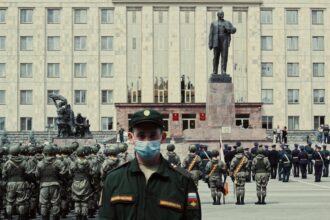
The Cold War, a period of geopolitical tension that lasted from the end of World War II until the early 1990s, was characterized by a profound ideological divide between the capitalist West, led by the United States, and the communist East, spearheaded by the Soviet Union. This era was marked not by direct military confrontation but by a series of proxy wars, political maneuvering, and an arms race that shaped international relations for decades. The ideological battle between capitalism and communism permeated various aspects of life, influencing not only military strategies but also economic policies, cultural exchanges, and social dynamics across the globe.
As nations aligned themselves with either side of the divide, the Cold War fostered an environment of suspicion and rivalry. The establishment of military alliances such as NATO and the Warsaw Pact further entrenched these divisions. The conflict was not merely a struggle for power; it was also a contest for influence over emerging nations in Africa, Asia, and Latin America.
The repercussions of this ideological battle would resonate through subsequent decades, leaving a legacy that continues to shape global politics and economics today.
Key Takeaways
- The Cold War was a period of political tension and military rivalry between the United States and its allies and the Soviet Union and its allies from the end of World War II until the early 1990s.
- The economic costs of the Cold War were significant, with both the US and the Soviet Union spending trillions of dollars on military and defense.
- Military spending during the Cold War reached unprecedented levels, with both superpowers investing heavily in nuclear weapons, conventional forces, and military technology.
- The Cold War had a major impact on global trade and commerce, leading to the division of the world into two economic blocs and the establishment of trade barriers and embargoes.
- The cost of the nuclear arms race was staggering, with both the US and the Soviet Union devoting a large portion of their budgets to the development and maintenance of nuclear weapons.
- The economic impact on Eastern Bloc countries was severe, with the Soviet Union and its allies suffering from economic stagnation, shortages, and inefficiency.
- The financial burden on Western countries was also significant, as they had to bear the costs of maintaining a large military presence and supporting their allies in the face of Soviet aggression.
- International organizations played a crucial role in the post-Cold War economic recovery, providing aid, investment, and technical assistance to former Soviet bloc countries.
- The end of the Cold War presented economic opportunities in former Soviet bloc countries, as they transitioned to market economies and opened up to foreign investment and trade.
- The cost of reunification in Germany was substantial, as the country had to absorb the economic and social disparities between East and West and invest in the development of the former East Germany.
- The long-term economic effects of the end of the Cold War were profound, leading to the integration of former Soviet bloc countries into the global economy and the expansion of trade and investment opportunities.
Economic costs of the Cold War
The economic costs of the Cold War were staggering, affecting both superpowers and their respective allies. The United States and the Soviet Union invested heavily in military capabilities, diverting resources from essential domestic programs. In the U.
, vast sums were allocated to defense spending, which included the development of advanced weaponry and military technology.
This focus on military expenditure often came at the expense of social programs aimed at addressing poverty, education, and healthcare. The long-term implications of these choices contributed to growing income inequality and social unrest within American society. On the other side of the Iron Curtain, the Soviet Union faced its own economic challenges.
The centralized planning model struggled to meet the needs of its citizens while simultaneously funding an extensive military apparatus. Resources were often misallocated, leading to shortages in consumer goods and a decline in living standards for many Soviet citizens. The economic strain was exacerbated by the need to support satellite states in Eastern Europe, which required significant financial assistance to maintain loyalty to Moscow.
Ultimately, the economic burdens of the Cold War contributed to systemic weaknesses that would later play a role in the collapse of the Soviet Union.
Military spending during the Cold War
Military spending during the Cold War reached unprecedented levels as both superpowers sought to outdo each other in terms of military capability. The arms race became a defining feature of this period, with each side investing heavily in nuclear arsenals, conventional forces, and advanced technologies. The United States adopted a strategy of deterrence, believing that a robust military presence would prevent Soviet aggression.
This led to significant increases in defense budgets, which peaked during various crises such as the Cuban Missile Crisis and the Vietnam War. The Soviet Union, in response, also ramped up its military spending, striving to match or exceed American capabilities. This competition extended beyond nuclear weapons to include conventional forces and technological advancements such as space exploration.
The launch of Sputnik in 1957 symbolized Soviet prowess in space technology and intensified American fears of falling behind.
Impact on global trade and commerce
| Metrics | Data |
|---|---|
| Global Trade Volume | Decreased by 5% in 2020 |
| Supply Chain Disruptions | Increased by 30% due to pandemic |
| Global GDP Impact | Decreased by 3.5% in 2020 |
| Trade Tariffs | Increased by 10% in the last 2 years |
The Cold War had a profound impact on global trade and commerce, as nations aligned themselves with either the capitalist or communist bloc. Trade patterns shifted dramatically during this period, with countries often restricted from engaging with those on the opposing side. For instance, Western nations imposed embargoes on Eastern Bloc countries, limiting their access to advanced technologies and consumer goods.
Conversely, Eastern Bloc countries were often forced to trade among themselves or rely on Soviet support for their economic needs. This division created a fragmented global economy where trade alliances were heavily influenced by political ideologies rather than market forces. The establishment of organizations like COMECON (Council for Mutual Economic Assistance) aimed to facilitate trade among communist countries but often resulted in inefficiencies due to lack of competition and innovation.
Meanwhile, Western nations benefited from more dynamic trade relationships, leading to greater economic growth and technological advancement. The long-term effects of these trade barriers would linger even after the Cold War ended, as countries sought to re-establish connections across ideological lines.
The cost of nuclear arms race
The nuclear arms race was one of the most significant aspects of the Cold War, with both superpowers amassing vast arsenals of nuclear weapons in a bid for supremacy. This competition not only had dire implications for global security but also imposed enormous financial costs on both nations. The development and maintenance of nuclear weapons systems required substantial investments in research, production facilities, and delivery mechanisms such as intercontinental ballistic missiles (ICBMs) and submarines.
The financial burden of maintaining these arsenals extended beyond immediate military expenditures; it also encompassed costs related to safety measures, environmental cleanup from testing sites, and ongoing research into new technologies. As both sides raced to develop more sophisticated weapons systems, they often prioritized military spending over social welfare programs, leading to significant domestic challenges. The fear of mutual assured destruction (MAD) created a precarious balance that ultimately shaped international relations for decades.
Economic impact on Eastern Bloc countries
Eastern Bloc countries experienced significant economic challenges as a result of their alignment with the Soviet Union during the Cold War. The centralized planning model imposed by Moscow stifled innovation and entrepreneurship, leading to inefficiencies in production and distribution. Many Eastern European nations relied heavily on Soviet support for energy resources and raw materials, creating a dependency that hindered their economic development.
As a result, living standards in these countries lagged behind those in Western Europe. Citizens faced shortages of consumer goods and limited opportunities for personal advancement. The lack of competition within state-controlled economies stifled creativity and technological progress, leaving many Eastern Bloc nations ill-prepared for the transition to market economies after the fall of communism.
The economic struggles experienced during this period would have lasting effects on these countries’ ability to integrate into the global economy in subsequent decades.
Financial burden on Western countries
While Western nations generally enjoyed more prosperous economies during the Cold War, they too faced significant financial burdens due to their commitment to countering Soviet influence. The United States bore the brunt of military expenditures as it sought to maintain its global presence through alliances and interventions in various conflicts around the world. This commitment required substantial financial resources that could have been allocated to domestic priorities such as education, healthcare, and infrastructure development.
European nations also faced economic pressures as they aligned themselves with NATO and participated in collective defense initiatives. Countries like West Germany invested heavily in their militaries while simultaneously rebuilding their economies after World War
Role of international organizations in post-Cold War economic recovery
In the aftermath of the Cold War, international organizations played a crucial role in facilitating economic recovery and integration for former communist countries. Institutions such as the International Monetary Fund (IMF) and World Bank provided financial assistance and technical expertise to help these nations transition from centrally planned economies to market-oriented systems. This support was essential for stabilizing economies that had been severely impacted by years of mismanagement and isolation.
Additionally, regional organizations like the European Union (EU) sought to promote economic cooperation among former Eastern Bloc countries by offering incentives for reform and integration into European markets. The prospect of EU membership became a powerful motivator for many nations as they implemented necessary reforms to align with European standards. Through these efforts, international organizations helped pave the way for greater economic stability and growth in regions previously dominated by Soviet influence.
Economic opportunities in former Soviet bloc
The end of the Cold War opened up new economic opportunities for former Soviet bloc countries as they transitioned toward market economies. With the lifting of trade barriers and increased access to global markets, these nations began to attract foreign investment and foster entrepreneurship. Many countries implemented reforms aimed at privatizing state-owned enterprises and encouraging private sector growth, which spurred innovation and job creation.
As these economies began to stabilize, they also became attractive destinations for multinational corporations seeking new markets for their products and services. Countries like Poland and Hungary emerged as key players in Europe’s supply chain due to their skilled labor forces and competitive production costs. This shift not only improved living standards but also integrated these nations into the global economy, allowing them to benefit from increased trade and investment opportunities.
The cost of reunification in Germany
The reunification of Germany in 1990 marked a significant turning point in European history but came at a considerable economic cost. The integration of East Germany into a unified Federal Republic required substantial investments in infrastructure development, social services, and economic revitalization efforts. The West German government committed billions of dollars to modernize East German industries and improve living conditions for its citizens.
Despite these efforts, challenges persisted as many East German industries struggled to compete in a market-driven economy. Unemployment rates soared as factories closed or downsized due to inefficiencies inherited from decades of centralized planning. The financial burden of reunification placed strain on West Germany’s economy as well; taxpayers faced increased contributions to support integration efforts while grappling with their own economic challenges.
Long-term economic effects of the end of the Cold War
The end of the Cold War ushered in a new era characterized by globalization and increased interdependence among nations. As former communist countries embraced market reforms and integrated into global trade networks, they experienced significant economic growth that transformed their societies. However, this transition was not without its challenges; disparities between regions persisted as some areas thrived while others lagged behind.
In Western countries, particularly those that had invested heavily in defense during the Cold War, there was a shift toward reallocating resources toward social programs and infrastructure development following the reduction in military spending. This reorientation allowed for renewed focus on domestic issues such as education and healthcare but also raised questions about how best to address lingering inequalities exacerbated by decades of conflict. Overall, while the end of the Cold War brought about opportunities for growth and collaboration among nations previously divided by ideology, it also highlighted ongoing challenges related to economic disparities that would require continued attention in order to foster sustainable development globally.
The financial aspects of how the Cold War came to an end are intricately linked to various geopolitical strategies and economic policies of the time. For a deeper understanding of the financial implications and the broader context of this historical period, you can explore the article on In the War Room, which provides insightful analysis and discussions related to the economic factors that influenced the conclusion of the Cold War.
WATCH THIS! The War That Secretly Bankrupted An Empire: How Afghanistan Destroyed the USSR
FAQs
What were the financial factors that contributed to the end of the Cold War?
The financial factors that contributed to the end of the Cold War included the economic strain on the Soviet Union due to its military spending, the inefficiency of its centrally planned economy, and the inability to keep up with the technological advancements of the West.
How did the economic policies of the United States and its allies impact the end of the Cold War?
The economic policies of the United States and its allies, such as the implementation of trade embargoes and the support of anti-communist movements, put pressure on the Soviet Union and contributed to its economic decline, ultimately leading to the end of the Cold War.
What role did the collapse of the Soviet Union’s economy play in ending the Cold War?
The collapse of the Soviet Union’s economy played a significant role in ending the Cold War as it weakened the Soviet government’s ability to maintain its military and political dominance, leading to the eventual dissolution of the Soviet Union and the end of the Cold War.
How did the financial aspects of the arms race contribute to the end of the Cold War?
The financial aspects of the arms race, including the heavy burden of military spending on the Soviet economy and the inability to keep up with the technological advancements of the West, contributed to the economic strain on the Soviet Union and ultimately played a role in ending the Cold War.