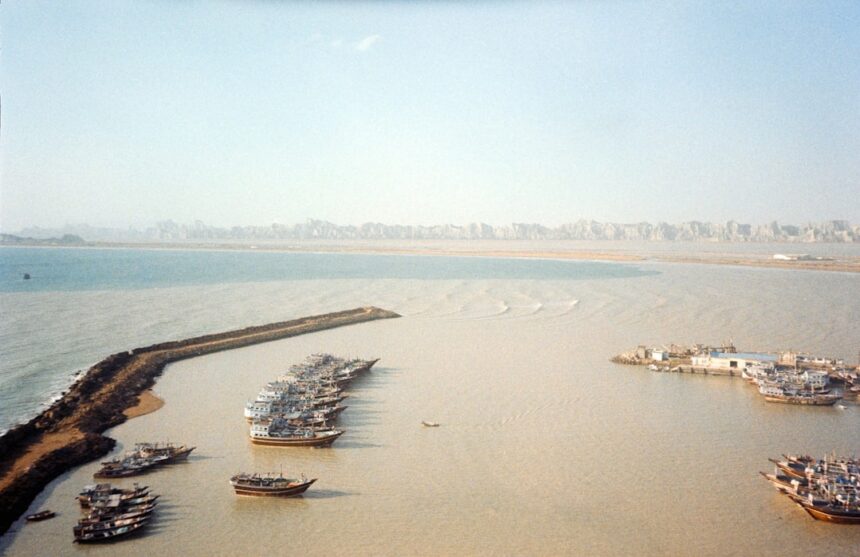
The Suez Canal, a monumental engineering feat, was constructed in the mid-19th century, fundamentally altering global trade routes. Initiated in 1859 under the leadership of Ferdinand de Lesseps, the canal was designed to create a direct maritime passage between Europe and Asia, eliminating the lengthy journey around the southern tip of Africa. The project faced numerous challenges, including harsh working conditions, disease, and political opposition.
Thousands of laborers, many of whom were Egyptian, toiled under grueling circumstances, often facing perilous health risks from malaria and cholera. Despite these adversities, the canal was completed in 1869, standing as a testament to human ingenuity and ambition. The opening of the Suez Canal marked a significant turning point in maritime history.
It not only reduced travel time for ships but also facilitated increased trade between nations. The canal’s strategic location allowed it to become a vital artery for international commerce, connecting the Mediterranean Sea to the Red Sea. This unprecedented access transformed global shipping patterns and established the canal as one of the most important waterways in the world.
The construction of the Suez Canal was not merely an engineering triumph; it was a catalyst for economic growth and globalization that would resonate for generations.
Key Takeaways
- The construction of the Suez Canal was a monumental engineering feat that connected the Mediterranean Sea to the Red Sea, providing a crucial shortcut for global trade.
- Early financial challenges and funding for the Suez Canal project were overcome through a combination of international investment and loans from European powers.
- World War I had a significant impact on Suez Canal finances, leading to a decline in revenue and increased financial strain on the canal’s operations.
- The nationalization of the Suez Canal by Egypt in 1956 had major financial repercussions, leading to international condemnation and a decline in revenue for the canal.
- Modernization and expansion efforts have been ongoing to improve the efficiency and capacity of the Suez Canal, attracting investment and increasing its economic importance.
Early Financial Challenges and Funding
From its inception, the Suez Canal faced considerable financial hurdles. The ambitious project required substantial investment, and initial funding came primarily from French investors and the Egyptian government. However, as costs escalated due to unforeseen complications and delays, financial strains began to surface.
The reliance on foreign capital created a precarious situation, as investors grew increasingly wary of the project’s viability. The Egyptian government, under Ismail Pasha, found itself in a precarious position, balancing the need for foreign investment with rising nationalistic sentiments. In an effort to secure additional funding, de Lesseps sought partnerships with various international stakeholders.
The financial landscape was further complicated by political tensions in Europe and the Middle East. Despite these challenges, the canal’s eventual completion led to a surge in shipping traffic that would ultimately validate the initial investments. However, the early financial struggles set a precedent for future economic challenges that would continue to plague the canal’s operations.
The Impact of World War I on Suez Canal Finances
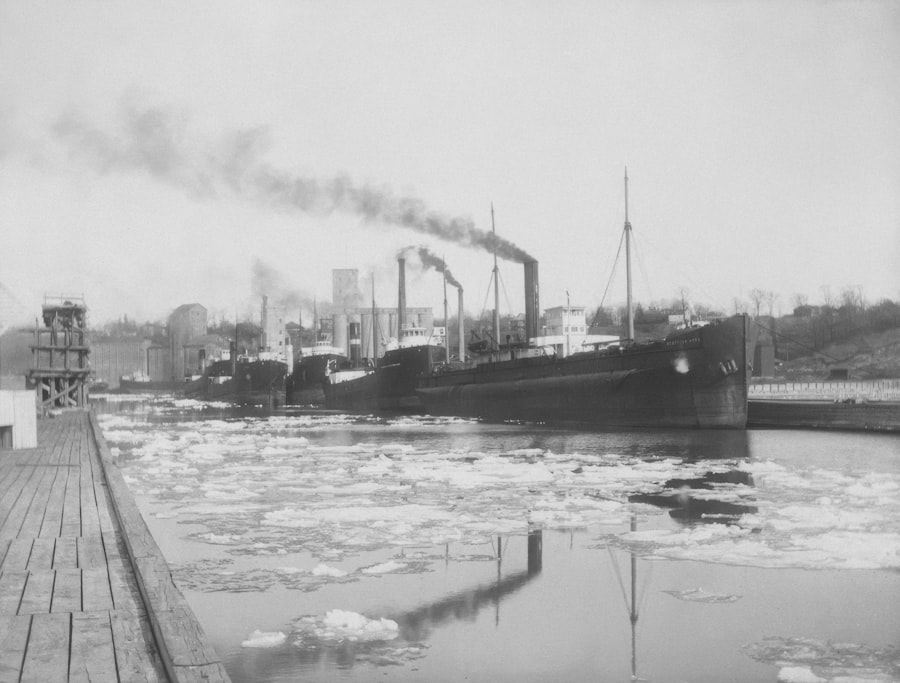
World War I had profound implications for the Suez Canal’s financial stability. As a critical supply route for Allied forces, the canal became a focal point during the conflict. The increased military activity necessitated significant investments in security and infrastructure to protect this vital asset from potential threats.
The British government, which had taken control of Egypt during the war, recognized the canal’s strategic importance and allocated resources to fortify its defenses. However, while the canal’s role in wartime logistics bolstered its significance, it also strained its finances. The war disrupted global trade patterns and led to fluctuations in shipping traffic.
Many commercial vessels were repurposed for military use or faced delays due to wartime restrictions. Consequently, revenue from tolls diminished during this period, creating a financial shortfall that would take years to recover from. The war underscored the canal’s dual role as both a commercial asset and a strategic military resource, highlighting its importance in shaping geopolitical dynamics.
Nationalization and Financial Repercussions
| Country | Nationalization Date | Financial Repercussions |
|---|---|---|
| Venezuela | 2007 | Decrease in foreign investment, economic instability |
| Argentina | 2012 | Legal disputes, decreased investor confidence |
| Bolivia | 2006 | Decrease in private sector investment, economic uncertainty |
The nationalization of the Suez Canal in 1956 marked a pivotal moment in its financial history. Egyptian President Gamal Abdel Nasser’s decision to seize control of the canal from the Suez Canal Company was driven by a desire for national sovereignty and economic independence. This bold move was met with fierce opposition from Britain and France, leading to military intervention known as the Suez Crisis.
The conflict not only had immediate geopolitical ramifications but also significant financial repercussions for both Egypt and international stakeholders. Following nationalization, Egypt faced challenges in managing the canal’s operations and finances. While the move was initially celebrated as a triumph of nationalism, it also resulted in decreased foreign investment and strained relationships with Western powers.
The subsequent military conflict disrupted shipping traffic and led to a temporary decline in revenue.
The nationalization of the Suez Canal ultimately reshaped its financial landscape, emphasizing the complex interplay between politics and economics.
Modernization and Expansion Efforts
In response to evolving global trade demands, modernization and expansion efforts have been integral to the Suez Canal’s ongoing relevance. Recognizing that larger vessels were increasingly dominating maritime trade, Egyptian authorities initiated significant upgrades to accommodate these changes. The expansion project, which began in 2014, aimed to widen and deepen sections of the canal to allow for simultaneous passage of larger ships.
This ambitious initiative not only sought to enhance operational efficiency but also aimed to boost revenue by attracting more shipping traffic. The modernization efforts have yielded positive results, with increased capacity leading to higher toll revenues. By investing in infrastructure improvements and technological advancements, Egypt has positioned the Suez Canal as a competitive player in global shipping markets.
These enhancements have not only improved transit times but have also reinforced the canal’s status as a critical hub for international trade. As global shipping continues to evolve, ongoing modernization will be essential for maintaining the canal’s economic significance.
The Suez Crisis and Financial Consequences
The Suez Crisis of 1956 had far-reaching financial consequences that reverberated through international markets. Following Egypt’s nationalization of the canal, Britain and France launched a military intervention aimed at regaining control over this vital waterway. The ensuing conflict disrupted shipping operations and led to widespread condemnation from other nations, particularly the United States and the Soviet Union.
As a result of this geopolitical turmoil, shipping traffic through the canal plummeted, causing significant revenue losses for Egypt. In addition to immediate financial repercussions, the crisis also altered perceptions of risk among international investors. Many shipping companies began to reconsider their reliance on the canal as a primary route for global trade.
This shift had long-term implications for Egypt’s economy, as reduced traffic translated into diminished toll revenues and economic instability. The crisis underscored how geopolitical events could profoundly impact financial outcomes, highlighting the interconnectedness of politics and economics in shaping global trade dynamics.
Revenue Streams and Economic Importance
The Suez Canal remains a crucial source of revenue for Egypt, generating billions of dollars annually through tolls levied on passing vessels. This income is vital for funding national development projects and supporting public services within the country. The canal’s strategic location ensures that it remains an essential artery for global trade, with thousands of ships transiting each year.
As such, it plays a pivotal role in bolstering Egypt’s economy while simultaneously contributing to international commerce. Moreover, the economic importance of the Suez Canal extends beyond direct revenue generation. It serves as a catalyst for job creation within Egypt, providing employment opportunities in various sectors related to shipping, logistics, and tourism.
The canal’s operations stimulate local economies along its route, fostering growth in surrounding communities. As global trade continues to expand, maintaining and enhancing these revenue streams will be crucial for Egypt’s economic stability and development.
Investment and Infrastructure Development
Investment in infrastructure development has been paramount for ensuring the continued success of the Suez Canal as a global trade hub. Recognizing that modern shipping demands require advanced facilities and services, Egyptian authorities have actively sought foreign investment to support ongoing projects. Collaborations with international partners have facilitated improvements in port facilities, logistics centers, and transportation networks linked to the canal.
These investments not only enhance operational efficiency but also position Egypt as an attractive destination for global shipping companies seeking reliable transit routes. By fostering an environment conducive to investment and innovation, Egypt aims to capitalize on its strategic location while ensuring that infrastructure keeps pace with evolving maritime trends. Continued investment will be essential for maintaining competitiveness in an increasingly dynamic global trade landscape.
The Suez Canal Authority and Financial Management
The Suez Canal Authority (SCA) plays a critical role in overseeing operations and managing finances related to this vital waterway. Established shortly after nationalization in 1956, the SCA is responsible for maintaining safety standards, regulating tolls, and ensuring efficient navigation through the canal. Effective financial management is essential for sustaining operations and funding ongoing development projects.
The authority has implemented various strategies to optimize revenue generation while balancing operational costs. By leveraging technology and data analytics, the SCA can monitor traffic patterns and adjust toll rates accordingly to maximize income without deterring shipping companies from using the canal. This proactive approach has allowed Egypt to maintain its position as a key player in global maritime trade while ensuring that financial management remains aligned with broader economic goals.
Economic Impact on Egypt and Global Trade
The economic impact of the Suez Canal extends far beyond Egypt’s borders; it is intricately linked to global trade dynamics. As one of the busiest maritime routes in the world, the canal facilitates approximately 12% of total global trade volume. This significance underscores its role as a critical conduit for goods moving between Europe and Asia, influencing supply chains across various industries.
For Egypt, the canal serves as a cornerstone of economic development by generating substantial revenue that supports public services and infrastructure projects. Additionally, it fosters job creation within sectors related to shipping and logistics while stimulating local economies along its route. The canal’s ability to adapt to changing global trade patterns ensures that it remains an essential asset not only for Egypt but also for countries reliant on efficient maritime transportation.
Future Financial Prospects and Challenges
Looking ahead, the future financial prospects of the Suez Canal are intertwined with both opportunities and challenges. As global trade continues to evolve with advancements in technology and shifts in consumer behavior, maintaining competitiveness will require ongoing investment in modernization efforts. The rise of mega-ships necessitates continuous upgrades to infrastructure while ensuring that operational efficiency remains paramount.
However, challenges such as geopolitical tensions, environmental concerns, and competition from alternative routes pose potential risks to future revenues. Navigating these complexities will require strategic planning and collaboration among stakeholders within Egypt and beyond.
The financial history of the Suez Canal is a fascinating topic that highlights the economic implications of this vital waterway. For a deeper understanding of the geopolitical and financial dynamics surrounding the canal, you can explore a related article on the subject at In the War Room. This resource provides valuable insights into the historical context and the ongoing significance of the Suez Canal in global trade.
WATCH THIS! The Suez Canal Crisis: The 7-Day War That Broke The British Empire’s Bank
FAQs
What is the Suez Canal?
The Suez Canal is an artificial waterway in Egypt, connecting the Mediterranean Sea to the Red Sea. It allows for a shorter maritime route between Europe and Asia, saving ships from having to travel around the southern tip of Africa.
When was the Suez Canal constructed?
The construction of the Suez Canal began in 1859 and was completed in 1869. It was overseen by the Suez Canal Company, which was formed by Ferdinand de Lesseps, a French diplomat and engineer.
What is the significance of the Suez Canal in financial history?
The Suez Canal has played a significant role in global trade and finance. It has provided a crucial shortcut for maritime trade between Europe and Asia, leading to substantial economic benefits for the countries involved in this trade route.
How has the ownership of the Suez Canal changed over time?
Initially, the Suez Canal was owned by the Suez Canal Company, which was controlled by French and Egyptian interests. In 1875, the British government purchased a controlling stake in the company. In 1956, the canal was nationalized by Egyptian President Gamal Abdel Nasser, leading to the Suez Crisis.
What impact did the Suez Crisis have on the financial history of the Suez Canal?
The Suez Crisis had a significant impact on the financial history of the Suez Canal. The nationalization of the canal by Egypt led to a military intervention by Britain, France, and Israel. This resulted in a temporary closure of the canal and disrupted global trade, leading to financial losses for the countries involved.
How has the Suez Canal contributed to Egypt’s economy?
The Suez Canal has been a major source of revenue for Egypt. The tolls collected from ships using the canal have contributed significantly to the country’s economy, providing funds for infrastructure development and other projects.