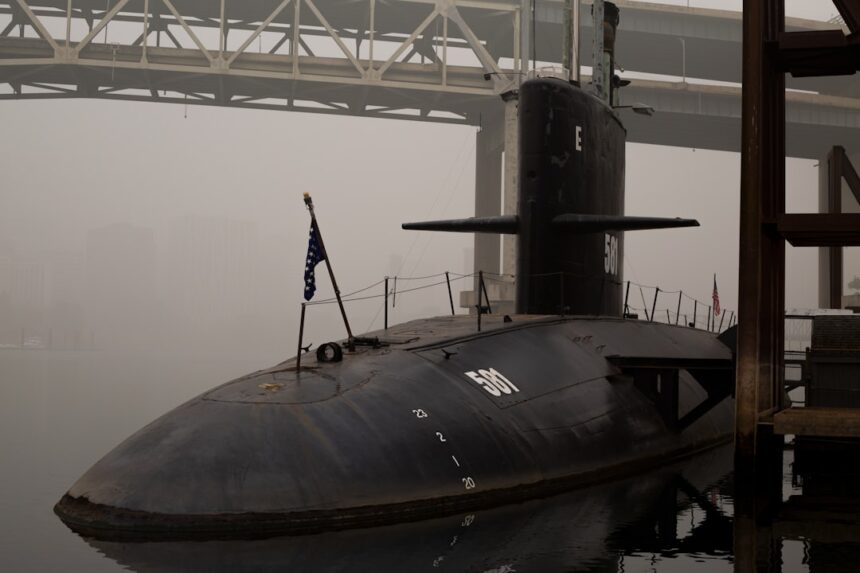
The history of submarine warfare can be traced back to the late 17th century, when the first rudimentary submarines were conceived. These early vessels, such as the Dutch “duikboot” and later innovations like the American “Turtle,” were primarily experimental and lacked the sophistication of modern submarines. However, they laid the groundwork for future developments in underwater combat.
By the time of the American Civil War, submarines like the “Hunley” demonstrated their potential for stealthy attacks against surface ships, albeit with limited success and significant risks to their crews. As the 20th century approached, the role of submarines began to evolve dramatically. The introduction of more advanced technologies, such as diesel engines and improved hull designs, allowed submarines to operate more effectively and for longer durations.
The First World War marked a significant turning point in submarine warfare, as nations recognized the strategic advantages of these vessels. The German U-boats became infamous for their effectiveness in disrupting Allied shipping, leading to a new era of naval warfare that emphasized stealth and surprise. This period set the stage for the development of acoustic signature technology, which would become crucial in detecting and countering submarine threats.
Key Takeaways
- Submarine acoustic signatures have been crucial for detection and stealth since early submarine warfare.
- World Wars I and II saw significant advancements in acoustic technology, enhancing submarine detection and evasion.
- The Cold War intensified the development of sophisticated acoustic signature technologies for strategic advantage.
- Modern submarine tactics heavily rely on managing and interpreting acoustic signatures for operational success.
- Future submarine warfare will focus on evolving acoustic detection methods amid ongoing technological and ethical challenges.
The Role of Acoustic Signatures in Submarine Detection
Acoustic signatures refer to the unique sounds produced by submarines as they navigate through water. These sounds can include engine noise, propeller cavitation, and even the sounds generated by onboard machinery. Understanding and analyzing these acoustic signatures is vital for detecting submarines, as they provide critical information about a vessel’s location and operational status.
The ability to identify and differentiate between various acoustic signatures has become a cornerstone of modern anti-submarine warfare (ASW) tactics. The significance of acoustic signatures lies in their ability to reveal a submarine’s presence without relying on visual confirmation.
Instead, navies around the world have invested heavily in sonar technology to listen for these underwater sounds. Passive sonar systems, which listen for sounds without emitting signals, have become particularly important in this regard. By analyzing the acoustic signatures of submarines, naval forces can track their movements and anticipate their actions, thereby enhancing their own strategic capabilities.
World War I: Advancements in Acoustic Signature Technology
World War I marked a pivotal moment in the evolution of acoustic signature technology. As submarine warfare intensified, both sides sought innovative ways to detect enemy vessels lurking beneath the waves. The British Royal Navy, in particular, recognized the need for improved detection methods to counter the growing threat posed by German U-boats.
This led to the development of early sonar systems, which utilized sound waves to locate submerged objects. One notable advancement during this period was the introduction of hydrophones—devices designed to detect underwater sounds. These early hydrophones were relatively rudimentary but represented a significant step forward in ASW capabilities.
By deploying hydrophones on ships and at fixed coastal locations, navies could listen for the telltale sounds of submarines operating in their vicinity. Although these systems were not foolproof and often produced false positives, they laid the groundwork for more sophisticated sonar technologies that would emerge in subsequent decades.
The Interwar Period: Innovations in Submarine Acoustic Signatures
| Year | Innovation | Description | Impact on Acoustic Signature | Notable Submarine/Class |
|---|---|---|---|---|
| 1920 | Improved Propeller Design | Introduction of skewback propellers to reduce cavitation noise. | Significantly lowered propeller noise, making detection harder. | British O-class |
| 1925 | Hull Streamlining | Refined hull shapes to minimize flow noise and turbulence. | Reduced hydrodynamic noise, improving stealth underwater. | German Type VII (early prototypes) |
| 1928 | Sound Dampening Mounts | Use of rubber and other materials to isolate machinery vibrations. | Lowered internal noise transmission to hull, reducing acoustic signature. | US S-class |
| 1930 | Improved Sonar Absorbing Coatings | Application of early anechoic tiles to absorb active sonar pings. | Decreased sonar echo strength, complicating enemy detection. | Experimental British Submarines |
| 1935 | Quieting of Diesel Engines | Enhanced engine mounts and mufflers to reduce noise emissions. | Reduced acoustic signature during surface and snorkeling operations. | French Redoutable-class |
| 1938 | Improved Propeller Cavitation Control | Refined blade shapes and speeds to minimize cavitation bubbles. | Further reduction in noise, especially at higher speeds. | Japanese I-15 class |
The interwar period saw a surge of innovation in submarine technology and acoustic signature detection methods. As nations rebuilt their naval forces following World War I, they recognized the importance of developing more effective ASW capabilities. This era witnessed significant advancements in hydrophone technology, leading to improved sensitivity and range.
Researchers began to understand better how different types of submarine operations produced distinct acoustic signatures, allowing for more accurate identification. During this time, various countries experimented with different sonar systems and techniques. The United States Navy, for instance, invested in research aimed at enhancing its ability to detect submarines through sound.
This included developing more advanced hydrophones and exploring the potential of active sonar systems that emitted sound waves to locate submerged vessels. These innovations not only improved detection capabilities but also contributed to a growing understanding of how submarines could be designed to minimize their own acoustic signatures.
World War II: The Height of Submarine Acoustic Signature Warfare
World War II represented a dramatic escalation in submarine warfare and the use of acoustic signature technology. As both Axis and Allied powers deployed submarines on a massive scale, the need for effective detection methods became paramount. The war saw significant advancements in sonar technology, with both sides racing to develop systems capable of identifying enemy submarines amidst the chaos of battle.
The introduction of more sophisticated sonar systems during this period revolutionized ASW tactics. The Allies developed advanced passive sonar arrays that could detect even faint sounds produced by submarines at considerable distances. Meanwhile, active sonar systems became increasingly prevalent, allowing naval forces to emit sound waves and analyze their echoes to locate submerged vessels accurately.
This technological arms race led to a deeper understanding of acoustic signatures and how they could be exploited or minimized by submarines themselves.
The Cold War: The Race to Develop Advanced Acoustic Signature Technology
The Cold War ushered in a new era of submarine warfare characterized by intense competition between superpowers. Both the United States and the Soviet Union recognized that submarines would play a crucial role in their naval strategies, leading to significant investments in acoustic signature technology. This period saw remarkable advancements in sonar systems, with both sides striving to develop more sensitive and accurate detection methods.
One notable development during this time was the introduction of digital signal processing (DSP) technology, which allowed for more sophisticated analysis of acoustic signatures. By leveraging advanced algorithms and computing power, naval forces could filter out background noise and enhance their ability to detect submarines operating at great depths or distances. Additionally, research into stealth technologies led to innovations that enabled submarines to reduce their own acoustic signatures significantly, complicating detection efforts for adversaries.
Post-Cold War Era: Modern Developments in Submarine Acoustic Signatures
In the post-Cold War era, advancements in submarine acoustic signature technology continued at a rapid pace. With the end of bipolar tensions, naval forces shifted their focus toward addressing new threats and challenges in an increasingly complex global security environment. This period saw further refinements in sonar systems, including improvements in passive and active detection capabilities.
Modern submarines are now equipped with highly sophisticated sonar arrays that can detect even the faintest sounds produced by enemy vessels. Additionally, advancements in materials science have led to quieter submarine designs that minimize their own acoustic signatures. These developments have made it increasingly challenging for adversaries to detect submarines effectively, leading to a continuous cycle of innovation as navies adapt to evolving threats.
The Impact of Acoustic Signature Technology on Submarine Tactics
The evolution of acoustic signature technology has had a profound impact on submarine tactics throughout history. As detection methods have improved, submarines have had to adapt their operational strategies to remain effective in an environment where stealth is paramount. Modern submarines employ various tactics designed to minimize their acoustic signatures while maximizing their effectiveness in combat scenarios.
For instance, submarines may alter their speed or depth to reduce noise generated by propellers or machinery. Additionally, they may employ advanced noise-reduction technologies that dampen vibrations within the hull or utilize specialized coatings that absorb sound waves. These tactics not only enhance survivability but also allow submarines to operate more effectively in contested waters where detection is likely.
The Future of Submarine Warfare: Evolving Acoustic Signature Detection
Looking ahead, the future of submarine warfare will undoubtedly be shaped by ongoing advancements in acoustic signature detection technology. As artificial intelligence (AI) and machine learning continue to evolve, navies are likely to leverage these tools to enhance their ability to analyze vast amounts of acoustic data quickly and accurately.
Moreover, as underwater warfare becomes increasingly complex with the rise of unmanned underwater vehicles (UUVs) and other advanced technologies, navies will need to adapt their tactics accordingly. The integration of AI-driven systems into ASW operations may enable real-time analysis and decision-making capabilities that were previously unimaginable. As nations invest in research and development efforts focused on acoustic signature technology, the landscape of submarine warfare will continue to evolve dramatically.
Challenges and Controversies in Submarine Acoustic Signature Warfare
Despite its advancements, submarine acoustic signature warfare is not without challenges and controversies. One significant issue is the potential for false positives generated by sonar systems, which can lead to misidentification or unnecessary escalation during military operations. As navies rely increasingly on automated systems for detection and analysis, ensuring accuracy becomes paramount to avoid unintended conflicts.
Additionally, ethical considerations surrounding submarine warfare have emerged as a topic of debate among military strategists and policymakers. The use of advanced technologies raises questions about accountability and decision-making processes during combat scenarios. As nations grapple with these challenges, it is essential for military leaders to strike a balance between technological innovation and responsible warfare practices.
The Ongoing Evolution of Submarine Acoustic Signatures
In conclusion, the evolution of submarine acoustic signatures has played a pivotal role in shaping naval warfare throughout history. From its early days during World War I to the sophisticated technologies employed today, understanding and analyzing acoustic signatures has become essential for both offensive and defensive strategies in underwater combat. As nations continue to invest in research and development efforts focused on enhancing ASW capabilities, it is clear that this field will remain dynamic and ever-evolving.
The future promises further advancements driven by emerging technologies such as AI and machine learning, which will likely redefine how navies approach submarine warfare. However, alongside these innovations come challenges that must be addressed responsibly to ensure ethical conduct in military operations. Ultimately, as long as submarines remain a critical component of naval power projection, the study and application of acoustic signature technology will continue to be at the forefront of maritime strategy.
The history of acoustic signature submarine warfare is a fascinating topic that highlights the evolution of naval technology and tactics. For a deeper understanding of this subject, you can explore a related article on the strategic implications of submarine acoustics in modern warfare. Check it out here: In The War Room. This resource provides valuable insights into how submarines have adapted their acoustic signatures to evade detection and the ongoing arms race between detection technologies and stealth capabilities.
WATCH THIS! The Billion-Dollar Whisper: How One KGB Mole Made Every Soviet Submarine Visible
FAQs
What is an acoustic signature in submarine warfare?
An acoustic signature refers to the unique sound profile produced by a submarine, including noises from its engines, propellers, and onboard machinery. This signature is used to detect, identify, and track submarines during naval operations.
Why is the acoustic signature important in submarine warfare history?
The acoustic signature has been crucial in submarine warfare because it allows opposing forces to detect and classify submarines underwater. Advances in sonar technology and acoustic analysis have significantly influenced submarine design and tactics throughout history.
How have submarines evolved to reduce their acoustic signature?
Over time, submarines have incorporated quieter propulsion systems, sound-dampening materials, and improved hull designs to minimize noise. These innovations help reduce detectability by enemy sonar and improve stealth capabilities.
What role did acoustic signatures play during World War II?
During World War II, the development of sonar and hydrophone technology enabled navies to detect submarines by their acoustic signatures. This led to improved anti-submarine warfare tactics and the design of quieter submarines.
How do modern navies use acoustic signatures today?
Modern navies use sophisticated sonar systems and acoustic signature databases to identify and track submarines. Acoustic intelligence helps in strategic planning, threat assessment, and enhancing submarine stealth technology.
Can acoustic signatures be altered or masked?
Yes, submarines can employ noise-reduction techniques and deploy countermeasures such as decoys or noise-makers to mask or alter their acoustic signature, making detection and identification more difficult for adversaries.
What is the relationship between sonar technology and acoustic signatures?
Sonar technology detects underwater sounds, including the acoustic signatures of submarines. By analyzing these sounds, sonar operators can locate, classify, and track submarines, making acoustic signatures a key element in sonar-based detection systems.
How has the study of acoustic signatures influenced submarine design?
Understanding acoustic signatures has driven innovations in submarine engineering, leading to quieter propulsion systems, vibration isolation, and hull modifications aimed at reducing noise emissions and enhancing stealth capabilities.