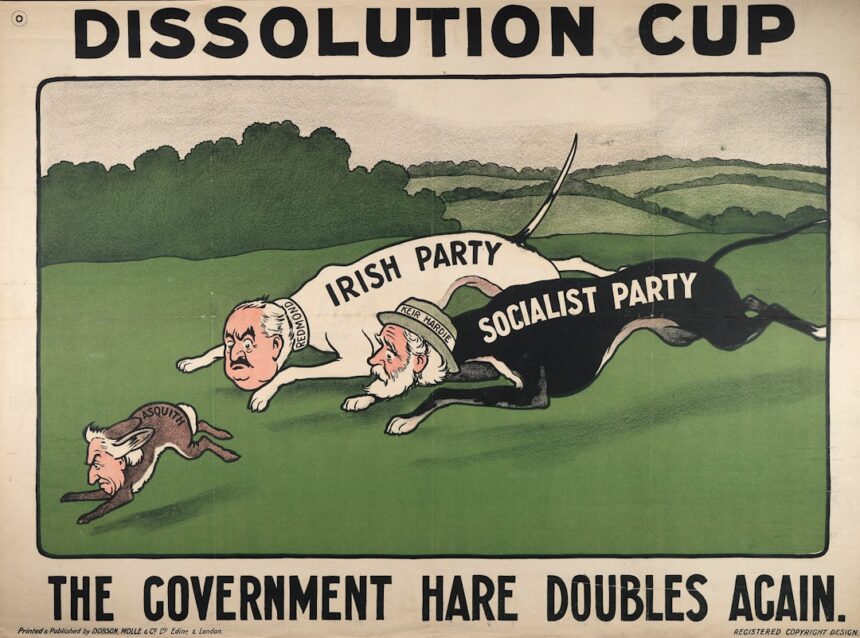
The gradual dismantling of an autocracy is a complex and often brutal process, characterized by a discernible erosion of the dictator’s grip on power. It is rarely a sudden implosion, but rather a protracted series of events that chip away at the foundations of their absolute authority. Understanding this erosion requires examining the multifaceted aspects of a regime’s decline, from internal fractures to external pressures.
At the core of any dictatorship lies a meticulously constructed edifice of control, designed to suppress dissent and maintain the leader’s perpetual dominance. However, this control, however seemingly absolute, is inherently fragile. As the regime weakens, these mechanisms of coercion begin to falter, revealing the underlying vulnerabilities.
The Diminishing Returns of Propaganda
The Shift from Fear to Indifference
The Cracks in the Security Apparatus
The Rise of Alternative Narratives
In examining the dynamics of power within collapsing dictatorships, a thought-provoking article titled “The Erosion of Authority: How Power Drains Away from Collapsing Dictatorships” provides valuable insights into the mechanisms that lead to the downfall of authoritarian regimes. This article delves into the psychological and social factors that contribute to the weakening of a dictator’s grip on power, illustrating how popular dissent and international pressure can accelerate their decline. For a deeper understanding of this phenomenon, you can read the full article [here](https://www.inthewarroom.com/sample-page/).
Internal Fissures and Elite Discontent
Dictatorial regimes often present a unified front, but beneath the veneer of absolute loyalty, internal tensions are frequently simmering. As the regime’s legitimacy wanes and its ability to reward its supporters diminishes, these fissures deepen, leading to fragmentation within the ruling elite.
As we observe the dynamics of collapsing dictatorships, it becomes evident that power often drains away in a series of unexpected events and societal shifts. An insightful article that delves into this phenomenon can be found on In the War Room, where the complexities of political instability are explored in depth. The piece highlights how grassroots movements and international pressures can accelerate the decline of authoritarian regimes, ultimately reshaping the political landscape. For more information, you can read the article here.
The Scramble for Succession and Influence
The aging dictator, or one facing mounting crises, often becomes a focal point for ambitious subordinates. This is where the carefully curated image of unwavering loyalty begins to fray. Courtiers, who once vied for the dictator’s favor, now subtly or overtly maneuver to position themselves for a post-regime future. This can manifest as internal power struggles, attempts to build independent patronage networks, or even secret negotiations with opposition forces. The dictator’s inability to decisively quell these nascent challenges signifies a loss of his supreme authority.
Factions and Internal Power Struggles
The ruling party, military, or intelligence agencies are not monolithic entities. Within them, distinct factions often emerge, each with its own interests and allegiances. As the dictator’s power erodes, these factions see an opportunity to advance their own agendas, sometimes at the expense of others. This can lead to infighting, sabotage of policy initiatives, and a general paralysis within the government. The dictator’s role shifts from absolute arbiter to a figure struggling to mediate between increasingly powerful and divergent groups.
The Temptation of Defection
For those deeply entrenched within the regime, the prospect of the regime’s collapse can be a powerful motivator for defection. This is particularly true for individuals who perceive themselves as having made significant compromises or engaged in illicit activities under the dictator’s command, and who now fear retribution. Such defections, especially from individuals with high-level access or influence, can provide invaluable intelligence to opposition groups and further demoralize the remaining loyalists.
The Bureaucratic Standstill
Even loyal bureaucrats, who once executed the dictator’s will without question, can become an impediment to his power when the regime begins to buckle. Faced with conflicting orders, mounting pressure from various factions, or a growing sense of futility, the administrative machinery can grind to a halt. Decisions are delayed, policies are poorly implemented, and the day-to-day functions of government become increasingly dysfunctional. This bureaucratic inertia directly weakens the regime’s capacity to respond to crises and maintain order.
The Economic Strain and Patronage Breakdown
Economic hardship is a potent catalyst for the erosion of dictatorial power. A regime that can no longer deliver prosperity or distribute resources effectively loses a critical pillar of its support.
The Shrinking Spoils of Power
The economic underpinnings of a dictatorship often rely on the controlled distribution of wealth and resources to maintain loyalty. This can involve state-owned enterprises, corruption networks, and patronage systems. When the economy falters, either due to mismanagement, sanctions, or external shocks, the amount of wealth available for distribution diminishes. This directly impacts the ability of the dictator to reward his loyalists and, consequently, their commitment to his rule.
The Rise of Black Markets and Corruption Beyond Control
As formal economic channels weaken, informal or illicit economies often flourish. While dictatorships may initially benefit from and control corruption, in a state of decline, corruption can become a force that operates beyond the dictator’s ability to manage. This can lead to a “hollowing out” of the state, where officials prioritize personal enrichment over state functions, further undermining the regime’s authority and effectiveness. The black market can also act as a conduit for foreign currency and goods, bypassing state controls and providing an alternative economic lifeline for some segments of the population.
The Silent Exodus of Capital
When elites perceive an impending collapse or a significant shift in power, they often seek to protect their assets. This can lead to a rapid outflow of capital, further destabilizing the economy and depriving the regime of much-needed revenue. This “silent exodus” is a clear signal of declining confidence in the regime’s long-term viability.
The Shifting Sands of Public Opinion

While dictatorships thrive on suppressing public expression, deep-seated grievances and a growing sense of disillusionment can fester beneath the surface. As the regime weakens, these sentiments can coalesce into organized opposition.
The Growing Disillusionment of the Masses
The initial benefits that might have accrued to some under a dictatorship, such as a semblance of order or economic stability, often erode over time. Citizens become increasingly aware of the freedoms they lack, the corruption that pervades the system, and the arbitrary nature of the regime’s power. This widespread disillusionment can create fertile ground for dissent, even in the absence of organized opposition.
The Impact of Repression on Public Psyche
While repression is a tool of control, it can also have the unintended consequence of breeding resentment. Years of fear and injustice can create a deeply ingrained desire for change. When the perceived invincibility of the regime begins to crumble, this pent-up frustration can erupt with significant force.
The Appeal of Alternative Ideologies and Movements
The vacuum left by a failing dictatorship can be filled by various alternative ideologies. These can range from democratic aspirations to more radical movements, depending on the specific context. The regime’s inability to effectively counter these competing narratives further signifies its weakening grip.
The Emerging Power of Civil Society
In many collapsing dictatorships, nascent civil society organizations, once suppressed, begin to find their voice and coalesce. These groups, though often starting from a position of weakness, can play a crucial role in mobilizing public opinion and providing an organizational framework for dissent.
The Re-emergence of Independent Media
Independent media, whether online, through clandestine radio broadcasts, or word-of-mouth, can become a critical force in spreading information and countering state propaganda. The regime’s inability to silence these alternative sources of news further erodes its control over the narrative.
The Role of Religious or Ethnic Organizations
In societies where ethnic or religious divisions run deep, these organizations can become powerful centers of resistance. They can offer a sense of community, identity, and a platform for articulating grievances that transcend the political sphere.
External Pressures and International Isolation
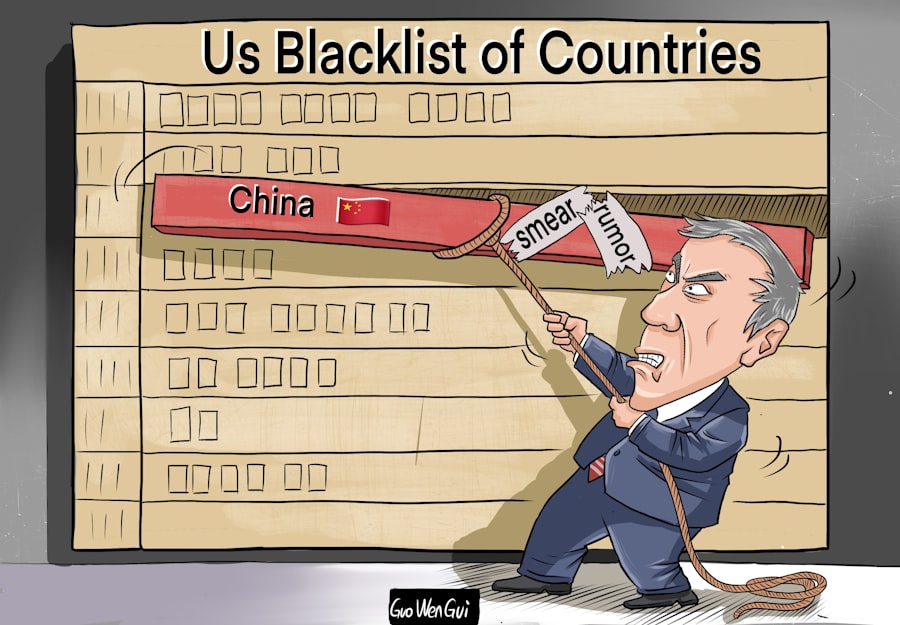
Dictatorships are rarely entirely isolated entities. They often rely on external support, trade, or international legitimacy. When these external factors begin to shift, the regime’s vulnerabilities are exposed.
The Impact of Sanctions and Economic Pressure
Targeted sanctions, aimed at individuals, entities, or the broader economy, can significantly weaken a dictatorial regime. These measures can restrict access to finance, disrupt trade, and limit the government’s ability to fund its operations and patronage networks.
The Erosion of Foreign Investment and Trade
As a regime weakens and its stability is questioned, foreign investors are likely to withdraw, and trade partners may become hesitant. This economic isolation further exacerbates internal economic problems and diminishes the regime’s resources.
The Shifting Alliances of External Patrons
Dictators often rely on specific foreign powers for financial, military, or diplomatic support. When these patron states shift their allegiances, perhaps due to changing geopolitical priorities or their own internal pressures, the dictatorship is left vulnerable. This loss of external backing can be a critical blow to its survival.
The Condemnation of International Bodies and Opinion
International condemnation, whether from governments, intergovernmental organizations, or influential NGOs, can chip away at a dictatorship’s legitimacy. While dictators may initially dismiss such criticism, sustained international pressure can lead to diplomatic isolation, hindering their ability to engage in international affairs and potentially impacting their access to resources and allies.
The Role of Human Rights Monitoring Organizations
Human rights organizations play a vital role in documenting abuses and raising international awareness about the realities of life under a dictatorship. Their reports can mobilize international pressure and provide evidence for accountability measures.
The Shifting Geopolitical Landscape
Geopolitical shifts can also play a significant role. The decline of a powerful patron state, the rise of new global actors
FAQs
1. What are some common factors that contribute to the collapse of dictatorships?
Some common factors that contribute to the collapse of dictatorships include economic instability, loss of support from key allies, internal power struggles, and widespread public discontent.
2. How does power gradually drain away from collapsing dictatorships?
Power gradually drains away from collapsing dictatorships as key supporters defect or withdraw their support, the economy deteriorates, and public protests and uprisings gain momentum. Additionally, international pressure and sanctions can further weaken the regime’s hold on power.
3. What role do external factors play in the downfall of dictatorships?
External factors, such as international sanctions, withdrawal of support from key allies, and diplomatic isolation, can significantly contribute to the downfall of dictatorships by weakening their ability to maintain power and control.
4. How do power struggles within the ruling elite impact the collapse of dictatorships?
Power struggles within the ruling elite can create internal divisions and weaken the regime’s ability to maintain control. This can lead to further instability and contribute to the eventual collapse of the dictatorship.
5. What are some historical examples of dictatorships that have collapsed due to draining power?
Historical examples of dictatorships that have collapsed due to draining power include the fall of the Soviet Union, the overthrow of Muammar Gaddafi in Libya, and the ousting of Nicolae Ceaușescu in Romania.