Giulio Andreotti, a towering figure in post-war Italian politics, remains an enigma. For decades, he navigated the treacherous currents of Italian democracy, holding the reins of power in various capacities, most notably as Prime Minister seven times. His career, a tapestry woven with intricate political maneuvering, shrewd alliances, and a seemingly inexhaustible capacity to survive scandals, is inextricably linked to the shadowy and controversial saga of Operation Gladio. This clandestine network, a relic of the Cold War, has cast a long and unsettling shadow over Italy’s recent history, and Andreotti, as a key figure in its establishment and alleged management, has become synonymous with its lingering mysteries.
Giulio Andreotti’s journey from a young civil servant to a seasoned statesman was nothing short of remarkable. His early involvement in politics began in the burgeoning Christian Democracy party, a force that would dominate Italian politics for nearly half a century. His sharp intellect, disciplined work ethic, and an uncanny ability to read the political landscape made him a formidable presence. He ascended through the ranks, demonstrating a talent for compromise and a mastery of the intricate parliamentary system.
The Early Years and the Rise of Christian Democracy
Born in Rome in 1919, Andreotti’s formative years were marked by the rise of Fascism and the devastating impact of World War II. He earned a law degree and quickly found his calling in public service, joining the newly formed Christian Democracy party shortly after the war. The party, born out of the ashes of the pre-fascist era, aimed to provide a moderate, Catholic-inspired alternative to both communism and extreme right-wing ideologies. Andreotti’s early dedication and strategic acumen within this nascent movement quickly set him apart.
A Master of Bureaucracy and Politics
Andreotti’s early career saw him appointed to various governmental roles, where he honed his administrative skills. His methodical approach and deep understanding of the state apparatus allowed him to navigate complex bureaucratic challenges. This foundation proved invaluable as he transitioned into more prominent political positions. He understood how to leverage institutions and wield influence from within the corridors of power, a skill that would serve him throughout his long career.
The Seven-Time Prime Minister: A Symbol of Italian Resilience
His seven stints as Prime Minister are a testament to his enduring political power and his ability to forge coalitions in a highly fragmented political system. Each premiership was a delicate balancing act, requiring him to appease diverse factions within his own party and negotiate with potential coalition partners. His leadership, often characterized by a pragmatic and sometimes Machiavellian approach, was credited by supporters with maintaining a degree of stability during often turbulent times in Italy. Critics, however, pointed to his perceived inaction on pressing social and economic issues and his alleged tolerance of corruption.
Giulio Andreotti’s involvement in Operation Gladio has been a topic of significant debate and investigation, particularly regarding the covert activities conducted during the Cold War. For those interested in exploring this complex historical narrative further, a related article can be found at this link: Operation Gladio: The Secret War in Italy. This article delves into the implications of Andreotti’s actions and the broader context of clandestine operations in Europe during that era.
Operation Gladio: A Cold War Legacy
The narrative of Giulio Andreotti cannot be fully understood without delving into the shadowy world of Operation Gladio. This clandestine network, established across Western Europe by NATO and the CIA, was intended to prepare for and combat potential Soviet invasion and communist insurrections behind enemy lines during the Cold War. Its existence, officially acknowledged by the Italian government in 1990, sent shockwaves through the nation and raised profound questions about the state’s involvement in covert activities.
The Genesis of Stay-Behind Networks
The concept of “stay-behind” networks emerged in the immediate aftermath of World War II. The fear of Soviet expansionism and the potential for communist parties to gain power through democratic or revolutionary means led Western intelligence agencies to devise strategies for resistance in occupied territories. These networks were to be composed of trained individuals, often with military or paramilitary backgrounds, who would operate as resistance cells in the event of a communist takeover.
Gladio in Italy: “La Rose des Vents”
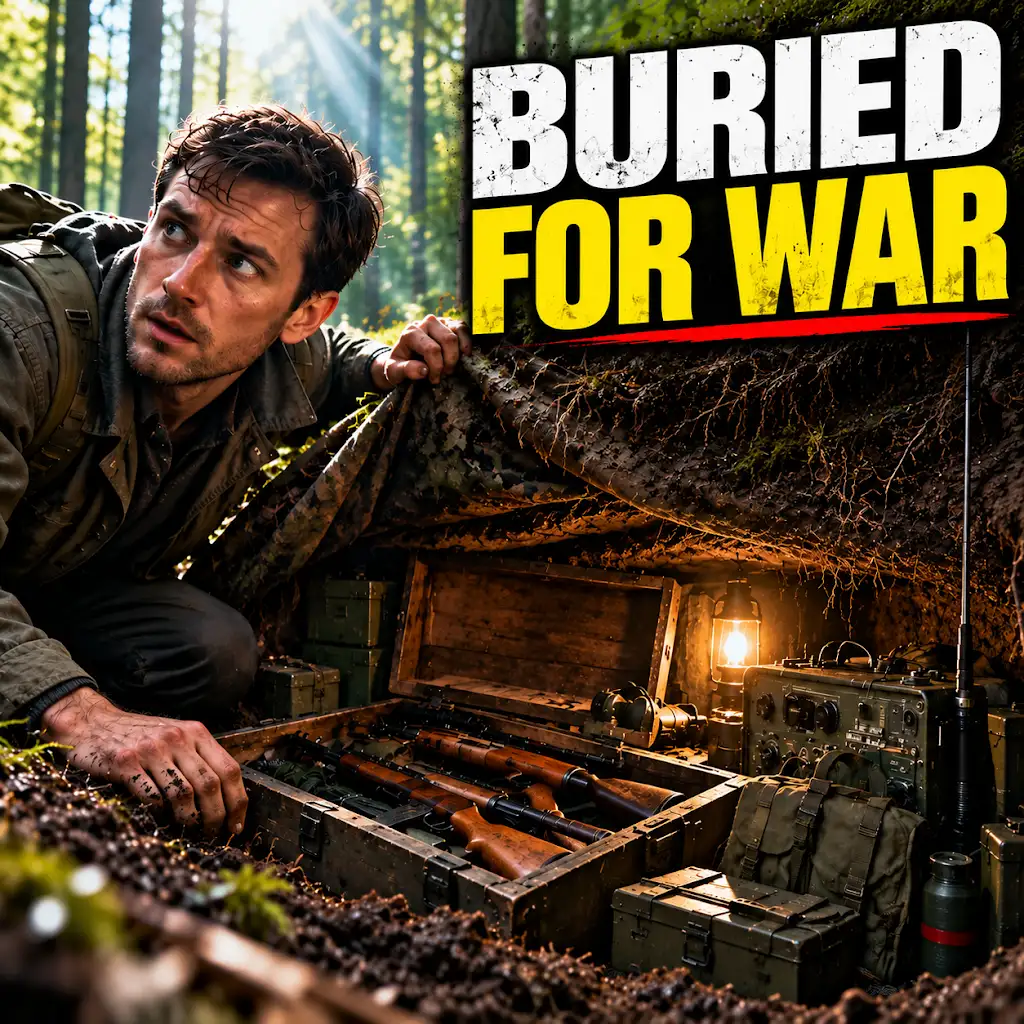
In Italy, the network was reportedly known as “Gladio,” meaning “sword” in Latin, or “La Rose des Vents” (The Compass Rose). Its primary objective was to disrupt Soviet occupation and facilitate Allied intervention. Members were allegedly recruited from various sectors of society, including former military personnel, intelligence operatives, and even individuals with connections to paramilitary groups. They were trained in sabotage, espionage, and guerrilla warfare, and stockpiles of weapons and explosives were allegedly hidden in various locations across the country.
The Unanswered Questions: Allegations of Misconduct
The official revelation of Gladio’s existence only scratched the surface of its complexities. Numerous investigations and parliamentary inquiries in Italy have attempted to unravel the full extent of its operations and its alleged involvement in domestic political events. Disturbing allegations emerged suggesting that elements within Gladio, perhaps with the tacit approval of some politicians, may have been involved in acts of terrorism and political violence aimed at destabilizing the country and discrediting the left-wing political movements.
Andreotti’s Role: The Hand on the Rudder of Secrecy
Giulio Andreotti’s intimate connection with Operation Gladio is a central and highly contentious aspect of his legacy. As a key figure in Italian governments during the Cold War, and holding crucial ministerial portfolios, his alleged awareness and potential involvement in the network have been the subject of intense scrutiny and speculation. While he consistently denied direct knowledge of any illegal activities, his long tenure in government and his access to classified information make his official stance a subject of ongoing debate.
Minister of Defense and the Shadow of Gladio
During his extensive political career, Andreotti served as Minister of Defense on multiple occasions. This position placed him at the apex of the military and intelligence apparatus, making it highly improbable that he would have been entirely unaware of significant clandestine operations like Gladio. Critics argue that his role as Defense Minister provided him with the authority and oversight necessary to both facilitate and potentially direct the activities of such a network.
The “Confidential Letter” and Suspicions
A crucial piece of evidence that fueled suspicions surrounding Andreotti’s involvement was a confidential letter, reportedly from the then-head of the Italian secret services, which acknowledged the existence of Gladio and requested the Minister of Defense’s authorization for its continued operation. While Andreotti later claimed that he had signed the letter without full comprehension of its implications, this document has been widely cited as evidence of his direct involvement.
Denials and the Weight of Evidence
Throughout his life, Andreotti vehemently denied any personal responsibility for or knowledge of illegal activities undertaken by Gladio. He often framed the network as a legitimate Cold War defense strategy. However, the persistent allegations, coupled with testimonies from former intelligence operatives and the findings of various investigations, have led many to believe that his denials were not entirely truthful. The weight of circumstantial evidence and the nature of the accusations continue to cloud his reputation.
The Gladio Trials and Andreotti’s Entanglements
The unearthing of Operation Gladio in 1990 triggered a series of investigations and trials that sought to bring to light the truth behind the network’s alleged transgressions. Giulio Andreotti, due to his prominent role and alleged connections, found himself increasingly entangled in these legal proceedings, though he was never convicted of direct involvement in Gladio-related terrorism.
The Bologna Bombing and the “Strategy of Tension”
One of the most significant events linked to the alleged activities of Gladio was the 1980 Bologna train station bombing, which killed 85 people and injured hundreds more. This attack, and others like it during the so-called “Years of Lead,” were attributed by some investigators to a “strategy of tension,” designed to create fear and instability, thereby justifying authoritarian measures and preventing the rise of the Communist Party. While Andreotti was never formally charged in relation to the Bologna bombing, the context of Gladio’s existence and its alleged role in destabilization efforts inevitably linked him to the broader tragedy.
The Judicial Battles and Acquittals
Andreotti faced numerous judicial investigations and trials throughout his later years. While he was acquitted of charges related to mafia association and bribery, the shadow of Gladio and its alleged connection to terrorism continued to loom. The legal complexities and the secrecy surrounding the network made it exceedingly difficult to definitively prove direct links and assign responsibility, leading to acquittals or cases that were ultimately dropped.
The Persistent Unanswered Questions
Despite the legal proceedings, many questions surrounding Operation Gladio and Andreotti’s precise role remain unanswered. The classified nature of many documents, the passage of time, and the alleged involvement of various state actors and foreign intelligence services have created a persistent fog of uncertainty. The full truth about the network’s actions and the extent of its influence on Italian politics continues to be a subject of historical debate and ongoing research.
Giulio Andreotti’s involvement in Operation Gladio has long been a subject of intrigue and controversy, shedding light on the covert operations that shaped post-war Europe. For those interested in exploring the implications of these clandestine activities further, a related article can be found on In the War Room, which delves into the broader context of Cold War strategies and their impact on democratic institutions. You can read more about it in this insightful piece here.
The Enigma Persists: Andreotti’s Legacy in the Shadow of Gladio
| Operation Gladio | Giulio Andreotti |
|---|---|
| Duration | 1956-1990s |
| Purpose | Anti-communist |
| Activities | Covert operations, sabotage, intelligence gathering |
| Allegations | Links to terrorism, political manipulation |
| Investigations | Multiple inquiries and hearings |
Giulio Andreotti’s death in 2013 at the age of 93 marked the end of an era. He was a figure of immense political power and influence, a man who embodied the complexities and contradictions of post-war Italy. His legacy is indelibly marked by the enigma of Operation Gladio, a clandestine network that continues to be a potent symbol of the Cold War’s dark underbelly and the difficult questions it left behind.
A Symbol of the Cold War’s Moral Ambiguities
Andreotti, by his own admission and by the accusations leveled against him, represents the moral ambiguities that permeated the Cold War. The perceived necessity of clandestine operations to combat communism led to the creation of networks like Gladio, whose actions, if proven, blurred the lines between state security and state-sponsored terror. His long career, navigating these murky waters, makes him a focal point for understanding this complex historical period.
The Challenge of Historical Truth
The story of Giulio Andreotti and Operation Gladio highlights the enduring challenge of uncovering historical truth, particularly when state secrets and clandestine operations are involved. The fragmented evidence, the conflicting testimonies, and the political motivations that often surround such narratives make definitive pronouncements difficult. The public’s fascination with the subject stems from this very elusiveness, a perpetual quest for clarity in the face of deliberate obfuscation.
An Unsettled Chapter in Italian History
The unresolved questions surrounding Operation Gladio continue to haunt Italian society. It represents a period where the very foundations of democracy were allegedly undermined by shadowy forces operating behind the scenes. For many, the legacy of Andreotti is inextricably linked to this unresolved chapter, a reminder that the fight for transparency and accountability is a continuous struggle, even long after the key figures have departed the political stage. The enigma of Giulio Andreotti and Operation Gladio remains a potent and unsettling testament to the hidden currents that have shaped modern Italy.
The Secret Armies NATO Prepared for a Soviet Invasion
FAQs
What is Operation Gladio?
Operation Gladio was a clandestine NATO operation that was established after World War II to counter potential Soviet invasion in Europe. It involved the creation of secret “stay-behind” armies in several European countries, including Italy.
Who was Giulio Andreotti and what was his role in Operation Gladio?
Giulio Andreotti was an Italian politician who served as Prime Minister of Italy multiple times. He was also accused of having knowledge of and involvement in Operation Gladio, although he denied any direct involvement.
What were the allegations against Giulio Andreotti in relation to Operation Gladio?
Giulio Andreotti was accused of having knowledge of and possibly being involved in the illegal activities of Operation Gladio, including acts of terrorism and political manipulation. However, he was acquitted of these charges in a highly publicized trial.
What was the significance of Operation Gladio in Italy?
Operation Gladio had significant implications for Italy, as it raised questions about the extent of NATO’s involvement in domestic affairs and the potential manipulation of Italian politics by foreign powers. It also led to a period of political turmoil and public distrust in the government.
What is the current status of Operation Gladio and its impact?
Operation Gladio was officially disbanded in 1990, but its legacy continues to be a subject of controversy and investigation. The operation has had a lasting impact on European politics and has raised concerns about the balance of power between national governments and international organizations.