
In the realm of military operations, the pursuit of improvement is an unending journey. Armed forces around the world are perpetually engaged in a quest to enhance their capabilities, driven by the necessity to adapt to evolving threats and challenges. This relentless drive for advancement is not merely a matter of pride or prestige; it is a fundamental requirement for maintaining national security and ensuring the safety of citizens.
The need for improvement is often catalyzed by historical events that expose weaknesses in military strategies or technologies. For instance, conflicts such as World War I and II highlighted the importance of mechanization and air power, prompting nations to invest heavily in these areas.
Similarly, the Cold War era saw a significant focus on nuclear capabilities and intelligence gathering, as countries sought to outmaneuver one another in a high-stakes game of deterrence. Each conflict serves as a lesson, pushing military organizations to reassess their approaches and implement changes that will better prepare them for future engagements.
Key Takeaways
- Military technology continuously evolves driven by the need for constant improvement and global conflicts.
- Government funding and innovation play crucial roles in advancing military capabilities.
- Ethical, moral, environmental, and economic considerations are significant factors in military upgrades.
- Military alliances and the race for superiority heavily influence technological development and national security.
- Future military advancements will have profound implications for global stability and security dynamics.
The Evolution of Military Technology
The evolution of military technology has been marked by groundbreaking innovations that have transformed the nature of warfare. From the introduction of gunpowder in the Middle Ages to the development of advanced cyber capabilities in the 21st century, each technological leap has redefined how conflicts are fought. The advent of mechanized warfare during World War I, for example, revolutionized battlefield tactics and strategies, leading to the widespread use of tanks and aircraft.
These advancements not only changed the dynamics of ground combat but also influenced naval engagements and aerial warfare. In recent decades, the rise of information technology has ushered in a new era of military capabilities. The integration of artificial intelligence, drones, and precision-guided munitions has enabled armed forces to conduct operations with unprecedented accuracy and efficiency.
This shift towards high-tech warfare has also led to the emergence of cyber warfare as a critical component of national defense strategies. As militaries increasingly rely on digital infrastructure, the need for robust cybersecurity measures has become paramount, highlighting the ongoing evolution of military technology in response to contemporary threats.
The Impact of Global Conflict on Military Upgrades

Global conflicts have historically served as catalysts for military upgrades, prompting nations to reassess their capabilities and invest in new technologies. The aftermath of major wars often leads to a surge in defense spending as countries seek to modernize their armed forces and address vulnerabilities exposed during combat. For instance, the Gulf War in the early 1990s demonstrated the effectiveness of precision-guided munitions and advanced surveillance systems, leading many nations to prioritize these technologies in their military budgets.
Moreover, ongoing regional conflicts continue to influence military upgrades on a global scale. Nations involved in protracted disputes often find themselves compelled to enhance their arsenals in response to perceived threats from adversaries. This arms race mentality can lead to significant advancements in military technology, as countries strive to maintain a competitive edge.
However, it also raises concerns about escalating tensions and the potential for conflict, as nations invest heavily in military capabilities rather than diplomatic solutions.
The Role of Government Funding in Military Advancements
Government funding plays a crucial role in driving military advancements, as defense budgets determine the extent to which armed forces can pursue research and development initiatives. In many countries, military spending is a significant portion of national budgets, reflecting the prioritization of defense in government policy. This financial support enables militaries to invest in cutting-edge technologies, conduct extensive training programs, and maintain operational readiness.
The allocation of funds often reflects geopolitical considerations and national security priorities. For instance, countries facing imminent threats may increase their defense budgets to bolster their military capabilities, while those with more stable security environments may focus on modernization efforts without drastic increases in spending. Additionally, government funding can foster collaboration between military organizations and private industry, leading to innovative solutions that enhance operational effectiveness.
This partnership between public and private sectors is essential for advancing military technology and ensuring that armed forces remain at the forefront of global defense capabilities.
The Influence of Innovation on Military Upgrades
| Reason | Description | Impact on Military Upgrades | Example Metric |
|---|---|---|---|
| Technological Advancements | Continuous innovation in technology drives the need for updated equipment and systems. | Frequent introduction of new tech requires ongoing upgrades. | Average tech refresh cycle: 3-5 years |
| Changing Threat Landscape | Emerging threats and new warfare tactics necessitate constant adaptation. | Military must upgrade to counter evolving threats. | Number of new threat types identified annually: 10+ |
| Budget Allocation | Steady or increasing defense budgets enable continuous procurement and upgrades. | Funds availability sustains upgrade programs. | Annual defense budget growth rate: 2-4% |
| Political and Strategic Priorities | Shifts in policy and strategy influence upgrade focus and urgency. | New priorities lead to new upgrade initiatives. | Number of strategic reviews per decade: 3-5 |
| Obsolescence of Equipment | Wear and tear or outdated systems require replacement or modernization. | Maintaining operational readiness demands upgrades. | Average lifespan of military hardware: 15-20 years |
| Industrial and Technological Competition | Competition among defense contractors drives continuous innovation and upgrades. | Market dynamics push for constant improvements. | Number of new defense patents filed annually: 500+ |
Innovation is a driving force behind military upgrades, shaping the development of new technologies and strategies that enhance operational effectiveness. The military’s embrace of innovation often leads to breakthroughs that can redefine how conflicts are conducted. For example, advancements in artificial intelligence have enabled militaries to analyze vast amounts of data quickly, improving decision-making processes and operational planning.
Moreover, innovation extends beyond technological advancements; it encompasses new tactics and strategies that can significantly impact military operations. The adoption of asymmetric warfare tactics by non-state actors has prompted conventional militaries to rethink their approaches to combat. In response, armed forces have developed counterinsurgency strategies and hybrid warfare techniques that blend traditional military operations with unconventional methods.
This adaptability underscores the importance of fostering a culture of innovation within military organizations to remain effective in an ever-changing landscape.
The Ethical and Moral Considerations of Military Advancements
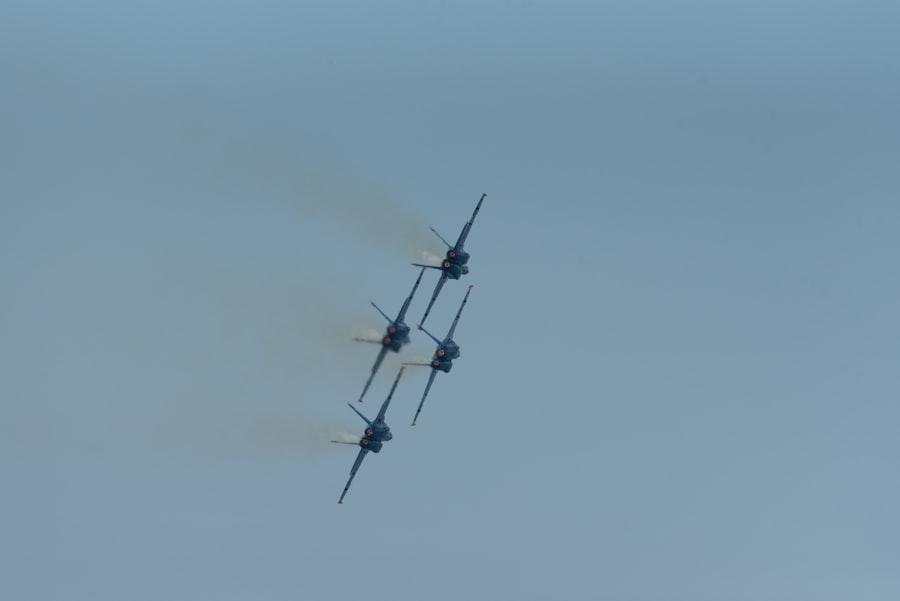
As military technology continues to evolve, ethical and moral considerations become increasingly prominent in discussions surrounding advancements. The development of autonomous weapons systems raises profound questions about accountability and decision-making in warfare. The potential for machines to make life-and-death decisions without human intervention challenges traditional notions of responsibility and ethics in combat.
Furthermore, the use of advanced surveillance technologies raises concerns about privacy and civil liberties. As militaries adopt more sophisticated monitoring systems, the line between national security and individual rights becomes blurred. These ethical dilemmas necessitate ongoing dialogue among policymakers, military leaders, and ethicists to ensure that advancements in military technology align with societal values and principles.
The Race for Superiority in Military Capabilities
The race for superiority in military capabilities is a defining characteristic of international relations in the modern era. Nations are constantly striving to outpace one another in terms of technological advancements and operational effectiveness. This competition is fueled by a desire for deterrence, as countries seek to project strength and deter potential adversaries from engaging in conflict.
The pursuit of military superiority often leads to significant investments in research and development, resulting in rapid advancements in weaponry and defense systems. However, this arms race can also create instability, as nations may feel compelled to respond to perceived threats with their own upgrades. The cycle of escalation can lead to heightened tensions between rival powers, underscoring the need for diplomatic efforts to mitigate conflicts arising from competition in military capabilities.
The Interplay Between Military Upgrades and National Security
Military upgrades are intrinsically linked to national security considerations, as countries seek to protect their interests and safeguard their citizens from external threats. The modernization of armed forces is often viewed as a necessary measure to ensure that nations can effectively respond to emerging challenges, whether they stem from state actors or non-state groups. The interplay between military upgrades and national security is evident in defense policies that prioritize specific capabilities based on perceived threats.
For instance, nations facing regional instability may focus on enhancing their air defense systems or cyber capabilities to counter potential aggressors. This strategic alignment between military investments and national security objectives underscores the importance of maintaining a robust defense posture while also considering diplomatic avenues for conflict resolution.
The Role of Military Alliances in Driving Technological Advancements
Military alliances play a pivotal role in driving technological advancements within member nations. Collaborative efforts among allied countries often lead to shared research initiatives and joint development programs that enhance collective defense capabilities. Organizations such as NATO exemplify this collaborative approach, where member states pool resources and expertise to address common security challenges.
Through joint exercises and information sharing, military alliances foster an environment conducive to innovation and technological progress. The exchange of ideas and best practices among allied forces can lead to breakthroughs that benefit all members involved. Additionally, alliances can serve as platforms for standardizing equipment and interoperability among forces, ensuring that allied nations can operate seamlessly together during joint operations.
The Environmental and Economic Costs of Military Upgrades
While military upgrades are essential for maintaining national security, they come with significant environmental and economic costs that warrant consideration. The production and deployment of advanced weaponry often result in substantial resource consumption and environmental degradation. From manufacturing processes that generate pollution to the ecological impact of military exercises conducted in sensitive areas, the environmental footprint of military operations cannot be overlooked.
Economically, the prioritization of defense spending can divert resources away from critical social programs such as education and healthcare. As governments allocate substantial portions of their budgets to military upgrades, questions arise about the long-term sustainability of such investments. Balancing national security needs with social welfare considerations presents a complex challenge for policymakers who must navigate competing priorities while ensuring the well-being of their citizens.
The Future of Military Upgrades and the Implications for Global Stability
Looking ahead, the future of military upgrades will likely be shaped by emerging technologies such as artificial intelligence, quantum computing, and biotechnology. These advancements hold the potential to revolutionize warfare further but also raise concerns about escalation and destabilization on a global scale. As nations race to harness these technologies for military purposes, the risk of miscalculation or unintended consequences increases.
Conversely, collaborative efforts among nations to establish norms governing emerging technologies could foster greater stability and reduce the likelihood of conflict. Ultimately, navigating the future landscape of military upgrades will require a delicate balance between innovation, ethical considerations, and diplomatic engagement to ensure a more secure world for all nations involved.
The continuous cycle of military upgrades can be attributed to the ever-evolving nature of warfare and technological advancements. As nations strive to maintain a strategic edge, they invest in modernizing their forces, which often leads to an arms race. For a deeper understanding of this phenomenon, you can read more in the article available at In the War Room, which discusses the implications of ongoing military enhancements and their impact on global security dynamics.
FAQs
Why do military upgrades never seem to end?
Military upgrades are ongoing due to continuous advancements in technology, evolving threats, and the need to maintain strategic superiority. As new technologies emerge and adversaries develop new capabilities, militaries must constantly update their equipment and systems to stay effective and secure.
How often are military systems upgraded?
The frequency of military upgrades varies depending on the system and its role. Some systems may receive incremental updates annually, while others undergo major overhauls every few years. The pace is influenced by technological innovation, budget availability, and changing defense requirements.
What factors drive the need for continuous military upgrades?
Key factors include technological innovation, changing geopolitical threats, wear and tear on equipment, interoperability requirements with allied forces, and the need to address vulnerabilities exposed by testing or combat experience.
Are military upgrades costly?
Yes, military upgrades can be very expensive. They often involve research and development, procurement of new components, testing, training, and integration with existing systems. However, these costs are considered necessary investments to maintain national security.
Do military upgrades only involve hardware?
No, military upgrades encompass both hardware and software improvements. Modern military systems rely heavily on software for functionality, cybersecurity, and communication, so software updates are a critical part of ongoing upgrades.
How do military upgrades impact soldiers and personnel?
Upgrades can improve the safety, effectiveness, and efficiency of military personnel by providing better equipment, enhanced communication tools, and improved training systems. However, they may also require additional training and adaptation to new technologies.
Can military upgrades extend the lifespan of existing equipment?
Yes, upgrades can significantly extend the operational life of military equipment by modernizing components, improving performance, and addressing obsolescence, thereby delaying the need for complete replacement.
Is there a limit to how much a military system can be upgraded?
While many systems can be upgraded multiple times, there are practical limits due to technological compatibility, cost-effectiveness, and physical constraints. Eventually, some systems become obsolete and are replaced with new platforms.
How do military upgrades affect defense strategy?
Upgrades can enable new tactics, improve force readiness, and enhance deterrence capabilities. They allow militaries to adapt their strategies to current and future threats by leveraging advanced technologies and improved operational capabilities.
Who is responsible for military upgrades?
Military upgrades are typically managed by defense departments or ministries in collaboration with defense contractors, research institutions, and technology companies. These entities work together to design, develop, test, and implement upgrades.