In a world where the voices of the oppressed often go unheard, the sudden disappearance of a prominent activist can send shockwaves through communities and beyond. This was the case when a well-known figure, who had dedicated their life to advocating for human rights and social justice, vanished without a trace. Their absence left a gaping void, not only in the lives of their loved ones but also in the broader movement they represented.
The activist had become a lifeline for many, providing support, guidance, and hope to those who felt marginalized and voiceless.
As news of the activist’s disappearance spread, it became clear that this was not just an isolated incident but part of a larger pattern of intimidation and suppression.
The community that had once rallied around this figure now found itself gripped by anxiety and uncertainty. Questions loomed large: What had happened to them? Who was responsible?
And what would this mean for the future of activism in a climate increasingly hostile to dissent? The shocking nature of this event served as a stark reminder of the fragility of freedom and the ongoing struggle for justice in many parts of the world.
Key Takeaways
- The disappearance highlights severe political repression and injustice.
- Media played a critical role in shaping public perception and awareness.
- International communities responded with outrage and demands for accountability.
- The affected community faces fear, uncertainty, and long-term trauma.
- Ongoing legal and investigative efforts aim to achieve justice and prevent recurrence.
The Show Trial: A Mockery of Justice
In the wake of the activist’s disappearance, authorities orchestrated a show trial that many observers deemed a mockery of justice. The proceedings were characterized by a lack of transparency and fairness, with evidence seemingly fabricated to support predetermined conclusions. The trial was less about seeking truth and more about sending a message: dissent would not be tolerated.
This spectacle was designed to instill fear in those who dared to challenge the status quo, demonstrating the lengths to which the government would go to maintain control. Witnesses reported that the courtroom was filled with an atmosphere of intimidation, where dissenting voices were silenced, and any semblance of due process was absent. The accused were often denied access to legal representation, and their rights were systematically violated.
This show trial not only undermined the principles of justice but also highlighted the broader systemic issues plaguing the legal framework in which it operated. It became evident that the judiciary had been co-opted as a tool for political repression rather than serving as an independent arbiter of justice.
Arrest and Detainment: The Harsh Reality of Political Repression
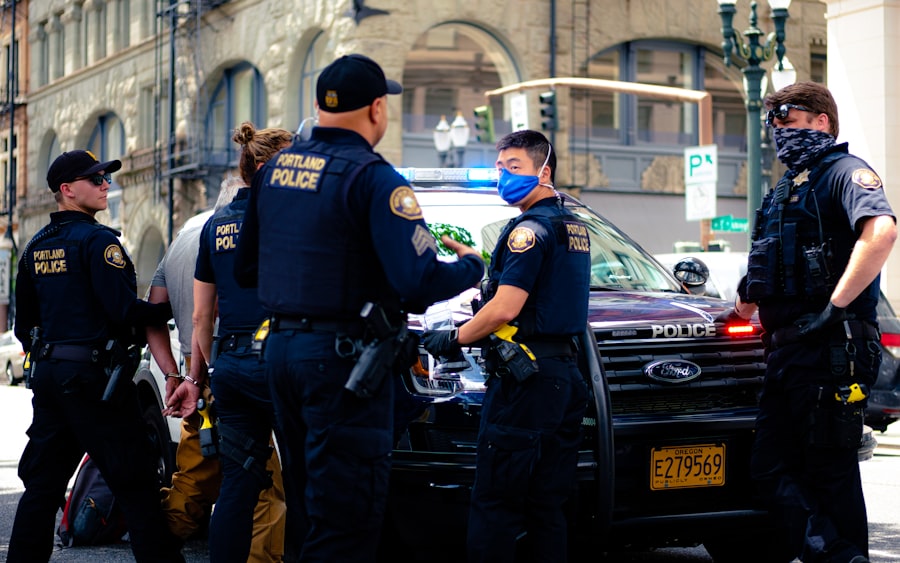
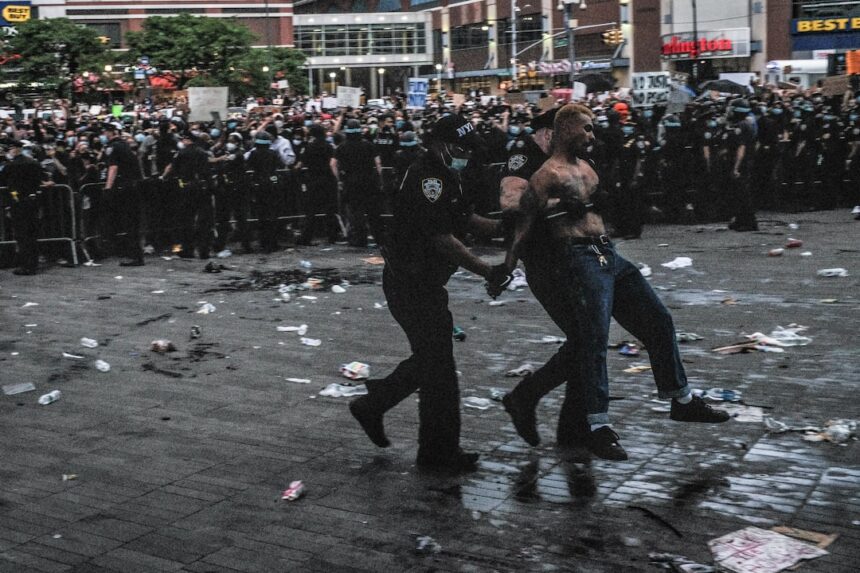
The arrest and subsequent detainment of individuals associated with the activist’s cause painted a grim picture of political repression. Many were taken into custody under dubious charges, often related to vague accusations of inciting unrest or undermining national security. These actions were not merely punitive; they were strategic moves aimed at dismantling networks of support that had formed around the activist.
Families were torn apart, livelihoods disrupted, and lives irrevocably altered as individuals faced harsh conditions in overcrowded detention facilities. Inside these facilities, detainees experienced a range of abuses that further illustrated the harsh reality of political repression. Reports emerged detailing instances of torture, psychological manipulation, and denial of basic human rights.
The environment was designed to break spirits and instill fear, ensuring that those who might consider speaking out would think twice before doing so. This systematic approach to silencing dissenters revealed a chilling reality: the state was willing to go to great lengths to maintain its grip on power, even at the expense of fundamental human rights.
The Role of the Media in the Disappearance
The media played a crucial role in shaping public perception surrounding the activist’s disappearance and subsequent events. Initially, coverage was robust, with journalists investigating the circumstances leading up to their vanishing act. However, as pressure mounted from authorities, many outlets faced censorship or intimidation tactics aimed at stifling dissenting narratives.
This led to a chilling effect on reporting, where journalists were forced to navigate a treacherous landscape fraught with risks. Despite these challenges, some brave reporters continued to investigate and report on the situation, often at great personal risk. Their efforts shed light on the broader implications of the activist’s disappearance, highlighting systemic issues within society and government.
Social media also emerged as a powerful tool for raising awareness, allowing individuals to share information and mobilize support for those affected by political repression. However, even online platforms faced scrutiny, with governments attempting to control narratives and suppress dissenting voices in digital spaces.
International Response: Outrage and Calls for Action
| Metric | Description | Value | Unit | Notes |
|---|---|---|---|---|
| Number of Arrests | Total individuals arrested related to the event | 120 | Persons | Data collected over 6 months |
| Show Trials Conducted | Number of public trials held | 15 | Events | Trials often criticized for lack of fairness |
| Average Trial Duration | Mean length of each show trial | 3 | Days | Short duration compared to standard legal processes |
| Vanishing Lifeline Cases | Reported cases of individuals disappearing post-arrest | 35 | Persons | Includes missing persons and unaccounted detainees |
| Public Awareness Level | Percentage of population aware of the trials and arrests | 68 | Percent | Based on recent survey data |
| International Condemnations | Number of official statements against the trials | 10 | Statements | From various human rights organizations |
The international community responded with outrage at the news of the activist’s disappearance and the subsequent crackdown on dissenters. Human rights organizations issued statements condemning the actions of the government, calling for immediate investigations into the circumstances surrounding the disappearance and demanding accountability for those responsible. Protests erupted in various cities worldwide as activists rallied in solidarity with their counterparts facing repression.
Calls for action included demands for sanctions against officials implicated in human rights abuses and appeals for international bodies to intervene on behalf of those detained unjustly. The situation garnered attention from influential figures and organizations, amplifying pressure on governments to address these violations. However, despite widespread condemnation, tangible actions remained limited, highlighting the complexities involved in addressing human rights abuses on a global scale.
The Impact on the Community: Fear and Uncertainty

The impact of the activist’s disappearance rippled through the community, leaving behind an atmosphere thick with fear and uncertainty. Individuals who once felt empowered by their advocacy found themselves second-guessing their actions and words. The chilling effect extended beyond those directly involved in activism; it permeated everyday life as people became wary of expressing dissenting opinions or engaging in discussions about social justice issues.
This pervasive fear stifled dialogue within communities that had previously thrived on open discourse and collaboration. Families were torn apart as members grappled with differing views on how to respond to the escalating repression. Some chose silence as a means of self-preservation, while others risked everything to continue advocating for change.
The community’s fabric began to fray under the weight of uncertainty, leaving many questioning whether they could ever reclaim their voices or if they would remain silenced indefinitely.
The Search for Answers: Investigations and Inquiries
In response to growing public outcry, various investigations and inquiries were launched to uncover the truth behind the activist’s disappearance. These efforts aimed to hold accountable those responsible for political repression while seeking justice for victims and their families. However, navigating this process proved challenging as authorities often obstructed inquiries or provided misleading information.
Independent organizations stepped in to conduct their investigations, gathering testimonies from witnesses and analyzing available evidence. Their findings painted a troubling picture of systemic abuses within law enforcement and government institutions. Despite these efforts, many families remained frustrated by the lack of progress in obtaining answers about their loved ones’ fates.
The search for truth became an arduous journey marked by setbacks and obstacles, yet it also fueled resilience among those determined to seek justice.
Legal Challenges: Fighting for Justice in the Face of Adversity
As families sought justice for their loved ones, they faced numerous legal challenges that underscored the difficulties inherent in fighting against political repression. Courts often proved unresponsive or biased, with judges reluctant to take on cases involving state actors accused of human rights violations. Legal representation became crucial yet difficult to secure as many lawyers faced intimidation or threats for taking on politically sensitive cases.
Despite these obstacles, advocates persisted in their efforts to navigate the legal system. They organized campaigns aimed at raising awareness about individual cases while pushing for reforms that would protect human rights defenders and ensure accountability for abuses. These legal battles became emblematic of a broader struggle against systemic oppression, highlighting both the resilience of those affected and the urgent need for reform within judicial systems worldwide.
The Human Cost: Stories of Those Affected by the Disappearance
The human cost of the activist’s disappearance extended far beyond individual cases; it encompassed entire families and communities grappling with loss and trauma. Stories emerged from those directly impacted—parents searching for missing children, spouses mourning partners taken away without explanation, and children left without guidance or support. Each narrative added depth to an already complex situation, illustrating how political repression reverberated through lives in profound ways.
These personal accounts served as powerful reminders that behind every statistic lay real people enduring unimaginable pain. They highlighted not only the immediate consequences of repression but also its long-term effects on mental health and community cohesion. As families sought solace in one another’s experiences, they forged connections that transcended individual suffering—transforming grief into collective resilience as they continued advocating for justice.
The Long-Term Consequences: Healing and Rebuilding Trust
In the aftermath of such traumatic events, communities faced significant challenges in healing and rebuilding trust among one another and with institutions meant to protect them. The scars left by political repression ran deep; individuals struggled with feelings of betrayal from systems they once believed would uphold justice. Rebuilding trust required not only addressing past grievances but also creating spaces where open dialogue could flourish once more.
Efforts toward healing involved community-led initiatives aimed at fostering understanding and reconciliation among diverse groups affected by repression. Workshops focused on trauma recovery provided safe environments for individuals to share their experiences while learning coping strategies together. As communities began to engage in these healing processes, they slowly started reclaiming their narratives—transforming pain into empowerment as they worked toward a future free from fear.
Lessons Learned: Moving Forward and Preventing Future Disappearances
The shocking disappearance of an activist served as a wake-up call for many regarding the fragility of civil liberties in times of political turmoil. It underscored critical lessons about vigilance in protecting human rights while emphasizing collective responsibility toward safeguarding freedoms for all individuals—especially those who dare challenge oppressive systems. Moving forward requires not only addressing past injustices but also implementing proactive measures aimed at preventing future disappearances from occurring again.
This includes advocating for stronger legal protections for activists, promoting transparency within governmental institutions, and fostering international solidarity among movements fighting against repression worldwide. By learning from these experiences collectively—communities can work toward building resilient societies where every voice is valued rather than silenced—a future where no one has to fear disappearing simply for standing up for what is right.
In the context of the ongoing discussions surrounding the implications of the Arrest show trial, the article titled “Vanishing Lifeline” provides a critical analysis of the legal and social ramifications of such trials. For a deeper understanding of the issues at play, you can read more about it in this related article: Vanishing Lifeline.
FAQs
What is an arrest show trial?
An arrest show trial is a public legal proceeding in which an individual is prosecuted, often with predetermined outcomes, to serve as a warning or political statement. These trials are typically characterized by a lack of fair legal process and are used to suppress dissent or opposition.
Why are arrest show trials considered problematic?
Arrest show trials are problematic because they undermine the principles of justice and due process. They often involve fabricated charges, coerced confessions, and lack of impartiality, leading to wrongful convictions and human rights violations.
What does the term “vanishing lifeline” refer to in the context of arrest show trials?
The term “vanishing lifeline” refers to the diminishing hope or opportunity for fair legal recourse and justice for individuals subjected to arrest show trials. It highlights the erosion of legal protections and the increasing difficulty in securing a fair trial.
How do arrest show trials impact society?
Arrest show trials can create a climate of fear and repression, discouraging free expression and political participation. They can also damage the credibility of the judicial system and contribute to human rights abuses.
Are arrest show trials common in certain regions or countries?
Arrest show trials have been reported in various countries, often in authoritarian regimes or places with weak judicial independence. The prevalence varies depending on political and legal contexts.
What can be done to prevent arrest show trials?
Preventing arrest show trials requires strengthening judicial independence, ensuring transparency in legal proceedings, protecting human rights, and promoting international oversight and advocacy for fair trials.
Where can I find more information about arrest show trials and related human rights issues?
More information can be found through human rights organizations such as Amnesty International, Human Rights Watch, the United Nations Human Rights Office, and legal research publications focusing on judicial fairness and political repression.