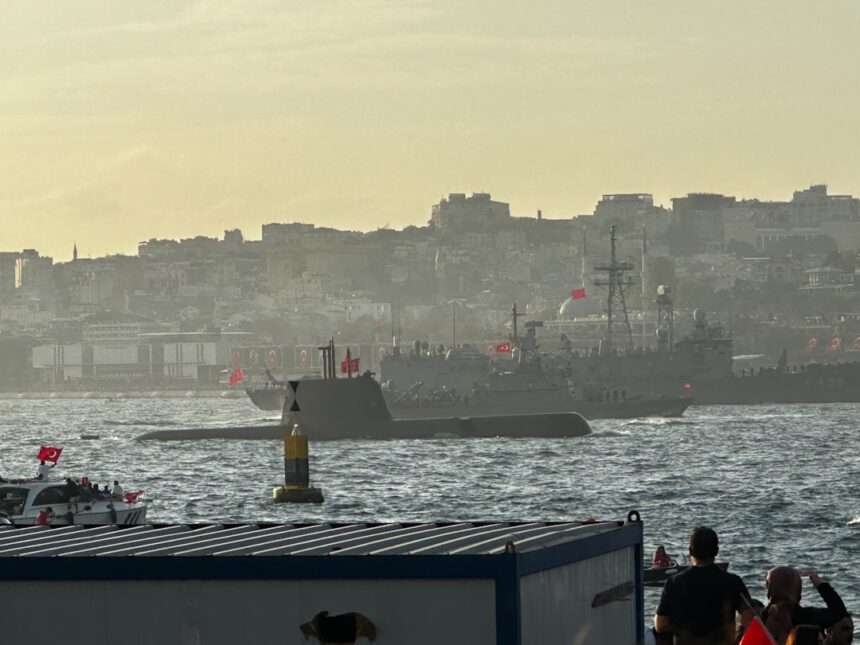
The history of naval warfare is a tapestry woven with threads of innovation, strategy, and, at times, terrifying technological advancement. Among the most chilling chapters is the development and deployment of weapon systems designed to deliver unprecedented destruction. The Soviet Union, in its pursuit of strategic parity and dominance during the Cold War, explored a myriad of such systems, and few were as shrouded in secrecy and as potentially devastating as the nuclear-tipped torpedoes that armed its Golf II-class submarines. These were not mere instruments of war; they were a grim manifestation of humanity’s ability to engineer its own annihilation, a ghost in the machine of deterrence.
The early days of nuclear weapons were characterized by a race to miniaturize and deliver these powerful payloads through any means possible. For naval strategists, the submarine presented an unparalleled advantage: stealth. An attacker lurking beneath the waves could strike with little warning, making it a formidable opponent. The Soviet Union, a nation facing a technologically superior United States navy, keenly understood this. Their answer was a weapon that combined the submarine’s inherent concealment with the overwhelming destructive power of a nuclear warhead.
Early Concepts: Beyond Conventional Warfare
The idea of a nuclear torpedo was born out of the desire to overcome the limitations of conventional torpedoes. While effective, conventional torpedoes relied on sheer explosive force and penetration. A Soviet nuclear torpedo, however, could deliver a blast that dwarfed any conventional explosive, capable of disabling or destroying entire fleets with a single detonation beneath the ocean’s surface. This represented a paradigm shift in naval combat, transforming submarines from potent but localized threats into instruments of mass destruction on a naval scale.
The Strategic Landscape: A Nuclear Arms Race Beneath the Waves
The Cold War was, at its heart, a period of intense technological competition, a relentless arms race that spanned continents and, crucially, oceans. The United States had its own formidable submarine fleet, and the development of nuclear torpedoes by the Soviets was a direct response to, and an escalation of, this overarching strategic rivalry. The ability to deploy nuclear weapons from submarines offered a crucial second-strike capability, a way to retaliate even after a devastating first strike on the homeland. This was a dangerous game of nuclear chess, where each move was countered by an even more potent threat.
The Soviet Golf II class submarine, known for its strategic capabilities during the Cold War, was equipped with nuclear torpedoes that significantly enhanced its offensive potential. For a deeper understanding of the implications and technological advancements surrounding these submarines, you can explore a related article that delves into their operational history and impact on naval warfare. For more information, visit this article.
The Golf II Submarine: A Silent, Deadly Cradle
The Golf II-class submarines, a diesel-electric powered fleet developed by the Soviet Union, were not initially conceived as platforms for nuclear torpedoes. However, their design and operational capabilities made them suitable candidates for carrying and deploying these revolutionary, and terrifying, weapons. These submarines, while not as advanced as their later nuclear-powered counterparts, represented a significant portion of the Soviet underwater arsenal.
Design and Operational Capabilities
The Golf II submarines (NATO reporting name: Golf II) were a modification of the earlier Golf I class. They were designed for coastal defense and reconnaissance, but their larger size and improved endurance allowed for extended patrol missions. Their diesel-electric propulsion meant they were quieter when operating on batteries, making them harder to detect than early nuclear submarines, a significant tactical advantage given their deadly payload. Their hull design, while not optimized for deep diving like later classes, was robust enough for their intended operational environment. The integration of nuclear torpedoes into this platform was a testament to Soviet engineering and their willingness to adapt existing technology for strategic purposes.
The Strategic Role: Deterrence and First Strike Options
The primary role of Golf II submarines armed with nuclear torpedoes was deterrence. The knowledge that these silent killers could appear anywhere, at any time, and unleash a nuclear blast would have given pause to any potential aggressor. However, the potential for a first-strike capability also existed. A coordinated attack by a wolf pack of Golf II submarines could, in theory, cripple an enemy’s naval forces before they could effectively respond. This duality—deterrence and offensive capability—made these submarines a crucial, albeit terrifying, component of Soviet military strategy. They were like embers in the dark, capable of igniting a conflagration.
The Nuclear Torpedoes: A Fusion of Power and Peril
The heart of the “Deadly Arsenal” lay not just in the submarines themselves, but in the terrifying payloads they carried. These were not your grandfather’s torpedoes; these were weapons that harnessed the untamed power of the atom. The development of such weapons was a testament to a period of intense scientific and engineering effort, albeit driven by a destructive purpose.
The Soviet Atomic Thunderbolt: SEALUG and other developments
The most well-known Soviet nuclear torpedo was the SEALUG (or similar designations in Western intelligence). These were designed to deliver a nominal yield nuclear warhead, measured in kilotons. The specifics of their design and exact capabilities remain classified, but it is understood that they were intended to be fired at a range of distances, with the understanding that detonating a nuclear weapon underwater would have catastrophic consequences for naval vessels and potentially even submarines in the vicinity. The Soviets also explored other nuclear torpedo designs, reflecting their commitment to developing a comprehensive underwater nuclear arsenal.
The Mechanics of Destruction: Launch and Detonation
The launch sequence for a nuclear torpedo would have been functionally similar to that of a conventional torpedo, but with far greater strategic implications. Once launched, the torpedo would have navigated towards its target. Upon reaching the designated proximity, the onboard guidance system would have initiated the detonation sequence. The resulting explosion would have been unlike anything experienced in conventional naval warfare. The sheer energy released would have created a massive underwater shockwave, capable of vaporizing smaller vessels and critically damaging or sinking larger ones. The intense heat and radiation would have further contributed to the destruction, leaving behind a toxic, radioactive aftermath.
Yield and Impact: A Cascade of Devastation
The yield of these nuclear torpedoes, while likely not in the megaton range reserved for strategic ballistic missiles, was still significant. Even a few kilotons unleashed underwater could create a devastating tsunami-like wave and a widespread area of destruction. For a submarine operating in relative proximity, the detonation of a nuclear torpedo would have been an existential threat. The shockwave alone could have crushed a submarine’s hull, while the heat and radiation could have rendered it uninhabitable. This was a weapon designed for overwhelming, indiscriminate destruction.
Operational History and Deployment: The Ghost Fleets
The actual operational history of Soviet Golf II submarines armed with nuclear torpedoes is a matter of record and speculation. While these submarines were certainly built and deployed, their specific patrols and the actual carriage of nuclear torpedoes on all missions are not publicly detailed. Nevertheless, their existence and potential deployment cast a long shadow over naval strategy.
Patrols and Readiness: A Constant Threat
Golf II submarines conducted numerous patrols throughout the Cold War. While not every patrol necessarily involved the loading of nuclear torpedoes, their readiness to do so was a constant factor in strategic calculations. These submarines could have been tasked with specific missions to target critical enemy naval assets, or they could have been held in reserve as part of a broader nuclear deterrent posture. Their diesel-electric nature meant they could operate in shallower waters and remain submerged for extended periods, making their movements difficult to track.
The Shadow of the Unknown: Intelligence and Secrecy
Much of what is known about Soviet nuclear torpedoes and their deployment comes from intelligence gathering and analysis. The Soviet Union maintained a high degree of secrecy surrounding its most sensitive military programs, and the existence and capabilities of these weapons were no exception. Western intelligence agencies worked tirelessly to understand the Soviet naval threat, knowing that the deployment of such weapons could dramatically alter the balance of power. The true extent of their deployment, and the close calls that may have occurred, remain largely in the realm of classified history, whispering of potential confrontations that never fully erupted.
Notable Deployments (or Lack Thereof): The Unseen Sword
While specific instances of nuclear torpedo deployment on Golf II submarines during operational patrols are not widely documented in open sources, the very readiness of these weapons meant they were a constant factor in strategic planning. The potential for their use was enough to shape naval doctrine and defensive measures. They were like a hidden blade, its presence informing every move on the battlefield, even if it was never drawn.
The Soviet Golf II class submarines were notable for their ability to launch nuclear torpedoes, significantly enhancing the strategic capabilities of the Soviet Navy during the Cold War. These submarines, equipped with advanced technology for their time, played a crucial role in the naval arms race. For a deeper understanding of the implications of such military advancements, you can read more about the historical context and technological developments in this related article. The Golf II class remains a fascinating subject for military historians and enthusiasts alike.
The Legacy of the Nuclear Torpedo: A Perilous Lesson
| Metric | Specification | Details |
|---|---|---|
| Submarine Class | Golf II (Project 629B) | Diesel-electric ballistic missile submarine |
| Primary Armament | R-21 (SS-N-5 Serb) ballistic missiles | Launched from 4 missile tubes |
| Torpedo Tubes | 6 x 533 mm | Standard torpedo armament |
| Torpedo Types | 53-65K, Type 53 torpedoes | Includes nuclear-capable torpedoes |
| Nuclear Torpedo | Type 53-65K with nuclear warhead | Yield estimated around 5-20 kilotons |
| Torpedo Range | Up to 19 km (53-65K) | Varies by torpedo model |
| Torpedo Speed | 40-50 knots | Depends on torpedo variant |
| Launch Method | Submerged torpedo tubes | Standard submarine torpedo launch |
| Operational Period | 1960s – 1990s | Golf II class in service during Cold War |
The era of nuclear torpedoes, represented by the formidable Golf II submarines and their deadly payloads, eventually faded as naval technology advanced and arms control treaties evolved. However, the lessons learned from this period are profound and serve as a stark reminder of the destructive potential lurking within humanity’s technological reach.
The Evolution of Naval Warfare: A Shifting Landscape
As nuclear ballistic missile submarines (SSBNs) became more advanced and more capable of delivering strategic nuclear warheads, the role of tactical nuclear weapons like torpedoes began to diminish in strategic importance for the superpowers. The focus shifted to the long-range, devastating power of ICBMs and SLBMs. However, the threat of tactical nuclear weapons on submarines never entirely disappeared, and its legacy continues to inform discussions about the future of naval warfare and arms control.
The Dangers of Proliferation and the Specter of Accidental War
The development of nuclear torpedoes by the Soviet Union raises concerns about proliferation. The technological knowledge required to develop such weapons, while complex, is not insurmountable. The specter of these or similar weapons falling into the hands of rogue states or terrorist organizations remains a chilling possibility. Furthermore, the inherent risks of accidental launch or detonation, especially during periods of heightened tension, were a significant concern during the Cold War. These weapons, like a lit fuse, posed a constant danger of an uncontrolled conflagration.
A Warning from History: The Importance of De-escalation
The story of the Soviet Golf II submarine and its nuclear torpedoes is a powerful testament to the dangers of an unchecked arms race. It underscores the critical importance of diplomacy, de-escalation, and arms control in preventing the existential threats that nuclear weapons pose. The lessons learned from this period of chilling innovation must not be forgotten, lest humanity repeat the mistakes of the past and unleash forces beyond its control. The silent threat beneath the waves serves as a perpetual reminder of the thin line between deterrence and disaster.
FAQs
What is the Soviet Golf II class submarine?
The Soviet Golf II class submarine is a type of diesel-electric ballistic missile submarine developed by the Soviet Union during the Cold War. It was designed to carry and launch nuclear ballistic missiles, serving as a strategic deterrent.
What nuclear capabilities did the Golf II class submarines have?
Golf II class submarines were equipped with nuclear ballistic missiles, specifically the R-21 (SS-N-5 Serb) missiles, which had the capability to carry nuclear warheads. This allowed the submarines to perform nuclear strike missions from underwater.
How many missiles could a Golf II class submarine carry?
A Golf II class submarine was typically armed with three ballistic missile launch tubes, each capable of launching a single nuclear missile, giving it a total missile capacity of three nuclear ballistic missiles.
What was the primary role of the Golf II class submarines in the Soviet Navy?
The primary role of the Golf II class submarines was strategic nuclear deterrence. They were intended to provide a second-strike capability by launching nuclear missiles from underwater, making it difficult for adversaries to neutralize the Soviet nuclear arsenal.
Are Golf II class submarines still in service today?
No, the Golf II class submarines have been retired from active service. They were gradually phased out and replaced by more advanced nuclear-powered ballistic missile submarines in the Russian Navy after the end of the Cold War.