
Potassium bromate is a chemical compound, potassium bromide (KBrO₃), that has historically been used as an oxidizing agent in baking. Its inclusion in flour, particularly in the United States and some other countries, was intended to improve dough characteristics and bread texture. However, scientific research has raised significant concerns regarding its safety, leading to widespread bans and restrictions in many parts of the world.
Potassium bromate functions as a dough conditioner. It acts by oxidizing sulfhydryl groups in gluten proteins, which strengthens the gluten network. This strengthened network can trap more gas produced by yeast, resulting in a loaf with a finer crumb, increased volume, and a more desirable texture.
Mechanism of Action
During the baking process, potassium bromate initiates a series of oxidative reactions within the dough. It liberates bromine, which then interacts with the disulfide bonds of gluten. This process cross-links the gluten strands, enhancing elasticity and resilience. Imagine the gluten network as a scaffolding; potassium bromate acts like a rebar, reinforcing the structure to withstand the pressure of rising dough and resulting in a more stable product.
Benefits for Bakers
For bakers, potassium bromate offered several perceived advantages. It could speed up the dough conditioning process, making it more efficient. The improved dough elasticity also contributed to a more consistent and predictable outcome, reducing the likelihood of loaves collapsing or having a dense texture. This made it a valuable tool for commercial bakeries seeking to optimize production and shelf appeal.
Potassium bromate is a controversial additive used in bread-making, primarily for its ability to strengthen dough and improve rise. However, concerns have been raised regarding its potential side effects, including links to cancer in animal studies and its classification as a possible human carcinogen. For a more in-depth exploration of the implications of potassium bromate in our food supply, you can read a related article that discusses these health risks and the ongoing debate surrounding its use in commercial baking. For further information, visit this article.
Health Concerns and Carcinogenicity
The primary concern surrounding potassium bromate is its classification as a potential human carcinogen. Scientific studies, primarily on laboratory animals, have demonstrated a link between exposure to potassium bromate and the development of tumors in various organs.
Animal Studies and Tumorigenesis
Extensive research conducted on rodents, such as rats and mice, has provided compelling evidence of potassium bromate’s carcinogenic effects. These studies exposed animals to varying doses of potassium bromate, and observations revealed a statistically significant increase in tumor incidence. The most commonly observed tumors were in the kidneys, thyroid, and abdomen. These findings serve as alarm bells, indicating a potential danger to human health if consumed.
IARC Classification
The International Agency for Research on Cancer (IARC), a leading authority on cancer research, has classified potassium bromate as a Group 2B carcinogen. This classification means that it is “possibly carcinogenic to humans.” This designation is based on sufficient evidence of carcinogenicity in experimental animals, but limited or inadequate evidence in humans. While not as definitive as a Group 1 (carcinogenic to humans) classification, it signifies a substantial level of concern that warrants precautionary measures.
Mechanisms of Carcinogenesis
The precise mechanisms by which potassium bromate induces cancer are still under investigation, but several pathways have been proposed. One prominent theory is that it acts as an oxidizing agent, damaging DNA and leading to mutations. Another possibility is its genotoxic nature, meaning it can directly harm genetic material. Furthermore, it has been suggested that potassium bromate can generate reactive oxygen species, which contribute to cellular damage and inflammation, creating a fertile ground for cancer development.
Regulatory Status and Bans
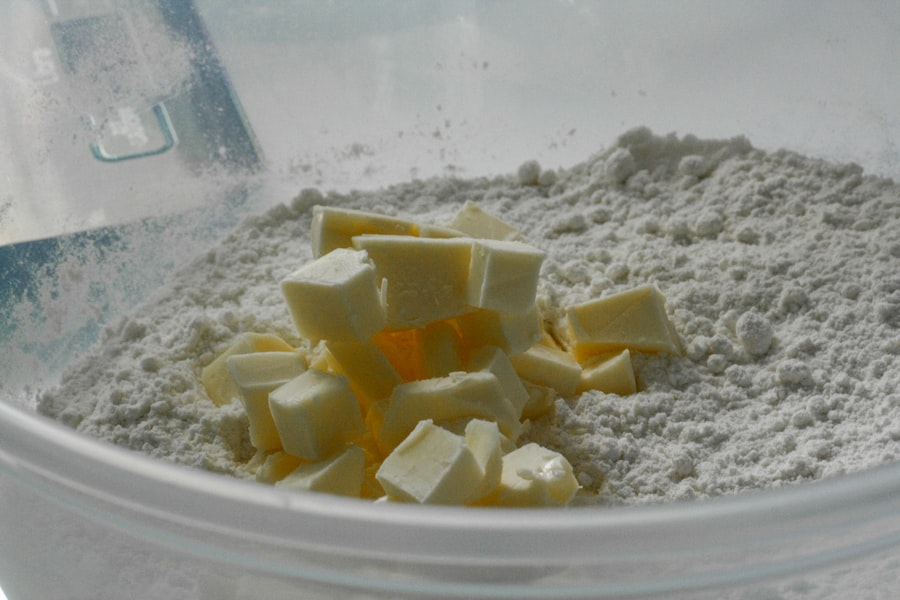
Due to the health concerns, potassium bromate has been banned or severely restricted in numerous countries and regions across the globe. This regulatory action reflects a growing consensus among health authorities about the unacceptable risks associated with its use.
European Union Ban
The European Union has prohibited the use of potassium bromate as a food additive under Directive 2006/16/EC. This directive amended Council Directive 89/107/EEC on food additives, effectively removing potassium bromate from the list of authorized substances. The ban was enacted to protect public health and ensure that food products sold within the EU meet stringent safety standards.
Restrictions in Other Countries
Beyond the EU, many other countries have also taken action. In Canada, its use is prohibited in unstandardized and standardized foods. In Brazil, it is banned. Japan and Australia also have regulations prohibiting its use. These widespread bans highlight a global shift towards prioritizing food safety and minimizing exposure to potentially harmful chemicals.
United States Status and Consumer Awareness
In the United States, the use of potassium bromate in bread is not explicitly banned but is instead regulated by the Food and Drug Administration (FDA). It is permitted as a “Conditioner” for flour with limitations on its quantity and requires careful control during the baking process to ensure it is largely eliminated from the finished product. However, there is ongoing debate and increasing consumer awareness about its presence and potential risks. Advocacy groups and some scientists continue to call for a complete ban, citing concerns that the current regulations may not provide adequate protection. The situation in the US is a complex web of established regulations and evolving scientific understanding, leaving consumers in a position where vigilance is advisable.
Alternatives to Potassium Bromate
The absence or restriction of potassium bromate in baking has spurred the development and adoption of various safe and effective alternatives that can achieve similar or even superior results. These alternatives offer bakers the ability to produce high-quality bread without compromising consumer safety.
Ascorbic Acid (Vitamin C)
Ascorbic acid, also known as Vitamin C, is a widely used and safe alternative dough conditioner. It functions as an oxidizing agent, similar to potassium bromate, but without the associated health risks. Ascorbic acid strengthens the gluten network by promoting the formation of disulfide bonds, leading to improved dough elasticity and loaf volume. It is a common ingredient in many commercially available bread improvers and is considered an integral component of modern baking.
Enzymes
Enzymes are biological catalysts that can significantly improve dough properties. Amylases, proteases, and lipases are commonly used in baking. Amylases break down starches into simpler sugars, providing food for yeast and contributing to crust color. Proteases can modify gluten proteins, affecting dough extensibility and texture. Lipases can affect dough strength and volume. When used in combination, enzymes offer a comprehensive approach to dough conditioning, addressing various aspects of bread quality. This approach can be likened to a toolbox, where different enzymes are used for specific tasks to build a superior structure.
L-Cysteine
L-cysteine is an amino acid that can be used to relax the gluten network. While it might seem counterintuitive compared to the strengthening effect of potassium bromate, in some applications, a more relaxed gluten structure can lead to improved extensibility and handling. It is often used in conjunction with other dough conditioners to achieve the desired balance of properties.
Other Oxidizing Agents
Other oxidizing agents, such as azodicarbonamide and calcium peroxide, have also been used as alternatives. However, concerns have also been raised about the safety of these substances, leading to further scrutiny and, in some cases, their own restrictions or bans. The search for ideal dough conditioners is an ongoing process of scientific evaluation and adaptation.
Potassium bromate is a chemical additive commonly used in bread-making to improve dough strength and rise, but concerns about its potential side effects have led to increased scrutiny. Many studies have suggested that potassium bromate may pose health risks, including links to cancer when consumed in significant amounts. For a deeper understanding of the implications of this additive, you can read a related article that discusses the potential dangers of potassium bromate in baked goods. This information can be found in detail at this link.
Conclusion and Consumer Choice
| Side Effect | Description | Severity | Frequency | Notes |
|---|---|---|---|---|
| Carcinogenicity | Potassium bromate is classified as a possible human carcinogen, linked to kidney and thyroid tumors in animal studies. | High | Rare (dependent on exposure) | Banned in many countries; long-term exposure increases risk. |
| Kidney Damage | Exposure can cause oxidative stress leading to kidney toxicity. | Moderate to High | Rare | Observed mainly in animal studies; human data limited. |
| Thyroid Effects | May disrupt thyroid function and hormone levels. | Moderate | Rare | Linked to thyroid tumors in rodents. |
| Gastrointestinal Irritation | Ingestion of high doses can cause nausea, vomiting, and abdominal pain. | Low to Moderate | Very Rare | Usually from accidental ingestion of concentrated potassium bromate. |
| Allergic Reactions | Some individuals may experience allergic responses. | Low | Very Rare | Not well documented; sensitivity varies. |
The history of potassium bromate in baking serves as a potent reminder that seemingly beneficial ingredients can harbor hidden dangers. The scientific evidence linking it to carcinogenicity has led to a global movement towards its prohibition, underscoring the importance of robust food safety regulations and ongoing scientific research.
The Shift Towards Safer Baking
The widespread bans and restrictions on potassium bromate demonstrate a commitment to public health. This shift reflects a growing understanding that the benefits derived from its use in baking do not outweigh the potential risks to human well-being. As consumer awareness increases, it is likely that the demand for potassium bromate-free products will continue to grow, further incentivizing bakers to adopt safer alternatives.
Informed Consumer Decisions
For consumers, understanding the issue of potassium bromate is crucial. While regulatory bodies have taken steps to protect the public, vigilance and informed choices remain important. Reading ingredient labels, while not always straightforward due to varying terminology and regulations, can empower consumers to make decisions that align with their health priorities. The conversation around food additives and their safety is a dynamic one, and staying informed is a key aspect of navigating the modern food landscape. It’s about being a discerning navigator in the vast ocean of food products.
The Future of Bread Additives
The ongoing research into food additives and their effects on human health will undoubtedly shape the future of baking. As science advances, so too will our understanding of the intricate ways in which chemicals interact with our bodies. The experience with potassium bromate underscores the need for continuous evaluation and a proactive approach to food safety, ensuring that the bread on our tables is not only delicious but also contributes positively to our health. The pursuit of the perfect loaf is a journey that must always be paved with safety and scientific integrity.

▶️ Your Pantry Is A Lie: 33 Secrets Big Food Is Hiding From You
FAQs
What is potassium bromate and why is it used in bread?
Potassium bromate is a chemical additive used as a flour improver to strengthen dough and promote higher rising in bread. It helps produce a finer crumb and a better texture in baked goods.
Are there any health risks associated with potassium bromate in bread?
Yes, potassium bromate is considered a potential carcinogen. Studies have shown that it can cause cancer in laboratory animals, and it may pose health risks to humans if consumed in significant amounts.
Is potassium bromate banned in any countries?
Yes, potassium bromate is banned or strictly regulated in many countries, including the European Union, Canada, Brazil, and China, due to its potential health risks. However, it is still permitted in some countries, including the United States, with usage limits.
How can consumers avoid potassium bromate in bread?
Consumers can avoid potassium bromate by checking ingredient labels for its presence or choosing bread products labeled as “potassium bromate-free.” Opting for organic or artisanal breads may also reduce the likelihood of exposure.
What are the side effects of consuming potassium bromate?
Potential side effects of consuming potassium bromate include kidney and thyroid damage, as well as an increased risk of cancer. Long-term exposure to potassium bromate residues in food is the primary concern for adverse health effects.