The Cuban Missile Crisis, a pivotal moment in Cold War history, can be traced back to the complex interplay of geopolitical tensions that characterized the post-World War II era. Following the war, the world was divided into two ideological camps: the capitalist West, led by the United States, and the communist East, spearheaded by the Soviet Union. This ideological rift was exacerbated by a series of events, including the Korean War and the establishment of NATO, which heightened fears of communist expansion.
Cuba, under Fidel Castro’s leadership, became a focal point of this tension after its revolution in 1959, as it aligned itself with the Soviet Union, much to the alarm of the United States. The origins of the crisis can also be linked to the failed Bay of Pigs invasion in 1961, where U.S.-backed Cuban exiles attempted to overthrow Castro’s government. This debacle not only embarrassed the Kennedy administration but also solidified Castro’s resolve to seek military support from the Soviet Union.
The U.S. perceived Cuba as a direct threat to its national security, especially given its proximity—just 90 miles from Florida. As tensions escalated, both superpowers began to position themselves strategically, setting the stage for a confrontation that would bring the world to the brink of nuclear war.
Key Takeaways
- The Cuban Missile Crisis originated from Cold War tensions and the secret Soviet deployment of missiles in Cuba.
- U.S. intelligence agencies played a crucial role in uncovering the missile sites, prompting a strong American response.
- Intense negotiations between the U.S. and Soviet Union, including Cuban involvement, helped avert nuclear conflict.
- Declassified documents have revealed new insights into the crisis and its impact on global diplomacy.
- The crisis remains a key lesson in international relations, emphasizing the importance of communication and crisis management.
The Secret Deployment of Soviet Missiles in Cuba
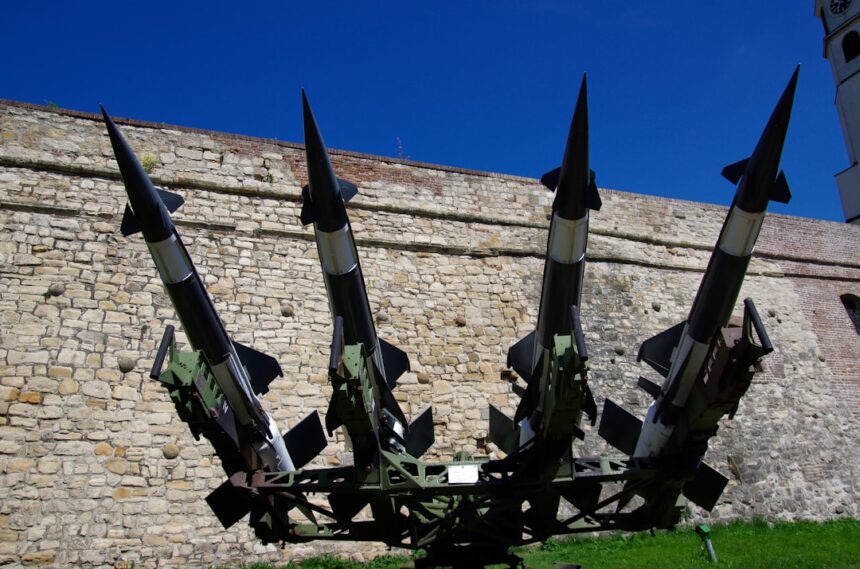
In the summer of 1962, unbeknownst to the United States, the Soviet Union began secretly deploying nuclear missiles in Cuba. This operation was part of a broader strategy by Soviet Premier Nikita Khrushchev to counterbalance U.S. nuclear capabilities and protect Cuba from further American aggression.
The decision to place missiles in Cuba was not made lightly; it was a calculated risk aimed at demonstrating Soviet strength and resolve in the face of perceived U.S. imperialism. The missiles were capable of reaching major U.S.
cities within minutes, fundamentally altering the strategic landscape of the Cold War. The deployment involved extensive logistical planning and coordination between Soviet military officials and Cuban authorities. The missiles were transported to Cuba under the guise of agricultural equipment and other non-military supplies.
This covert operation was designed to maintain secrecy while establishing a formidable deterrent against any future U.S. interventions in Cuba. As construction progressed on missile sites across the island, the stakes grew higher, setting the stage for a confrontation that would soon capture global attention.
The United States’ Response to the Soviet Threat
Upon discovering the presence of Soviet missiles in Cuba, the United States faced an unprecedented crisis that demanded immediate action. President John F. Kennedy convened a group of advisors known as the Executive Committee of the National Security Council (ExComm) to assess the situation and formulate a response.
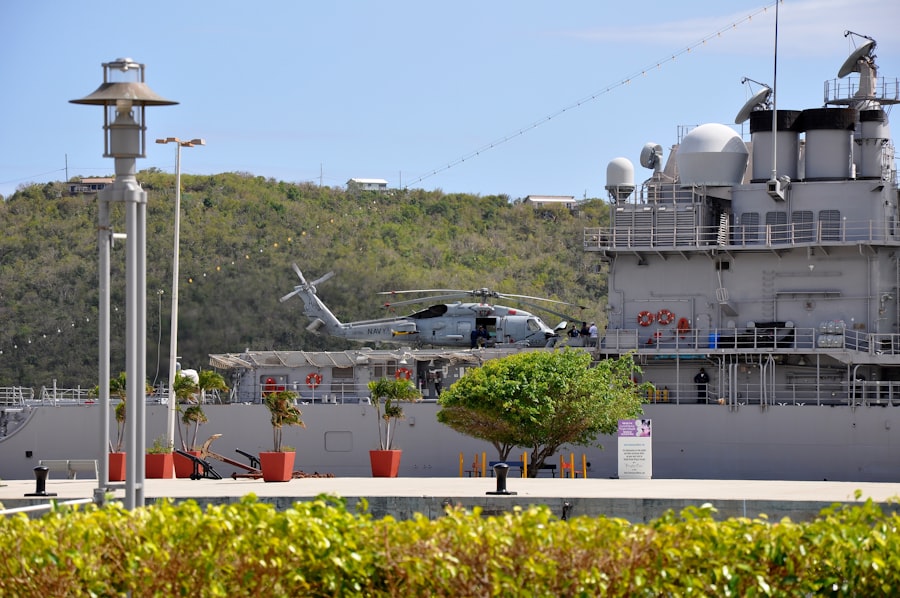
The options ranged from military action to diplomatic negotiations, but each carried significant risks. Ultimately, Kennedy opted for a naval blockade—termed a “quarantine”—to prevent further shipments of military supplies to Cuba while avoiding direct military confrontation. The decision to impose a blockade was fraught with tension and uncertainty.
Kennedy understood that any miscalculation could lead to catastrophic consequences, including nuclear war. He addressed the nation on October 22, 1962, informing Americans about the situation and justifying his actions as necessary for national security. The world held its breath as U.S.
naval forces prepared to enforce the blockade, and tensions escalated as Soviet ships approached Cuban waters. The stakes were higher than ever, with both superpowers on high alert and prepared for potential military engagement.
The Role of Intelligence Agencies in Uncovering the Missile Deployment
Intelligence agencies played a crucial role in uncovering the secret deployment of Soviet missiles in Cuba. The Central Intelligence Agency (CIA) was instrumental in gathering information through aerial reconnaissance missions that provided photographic evidence of missile sites under construction. These missions utilized U-2 spy planes that flew at high altitudes, capturing detailed images that revealed the extent of Soviet military activity on the island.
The intelligence gathered was pivotal in shaping U.S. policy and response during this critical period.
Initial assessments varied among intelligence officials regarding the nature and purpose of the missile installations. Some believed they were defensive measures, while others recognized their offensive capabilities. This uncertainty added to the complexity of decision-making within the Kennedy administration.
Ultimately, it was through careful analysis and collaboration among intelligence agencies that U.S. leaders were able to grasp the gravity of the situation and respond effectively to what would become one of history’s most dangerous standoffs.
The Tense Negotiations Between the United States and Soviet Union
| Aspect | Detail |
|---|---|
| Date | October 16–28, 1962 |
| Key Figures | John F. Kennedy, Nikita Khrushchev, Fidel Castro |
| Secret Negotiations | Back-channel communications between the US and USSR to avoid escalation |
| Number of Soviet Missiles in Cuba | Approximately 42 medium-range ballistic missiles |
| US Naval Blockade | Implemented to prevent further Soviet shipments to Cuba |
| Untold Story: Soviet Submarine Incident | Three Soviet submarines armed with nuclear torpedoes nearly launched weapons due to miscommunication |
| Duration of Crisis | 13 days |
| Outcome | US agreed not to invade Cuba; USSR removed missiles; US secretly removed missiles from Turkey |
| Casualties | None directly from the crisis, but heightened global nuclear tension |
As tensions reached a boiling point, negotiations between the United States and the Soviet Union became increasingly critical in averting disaster. Both sides recognized that a military confrontation could lead to catastrophic consequences, prompting back-channel communications aimed at finding a resolution. The negotiations were fraught with tension, as each side sought to maintain its position while avoiding escalation into open conflict.
Khrushchev sent letters to Kennedy proposing various solutions, including a potential withdrawal of missiles in exchange for U.S. concessions regarding Turkey’s Jupiter missiles aimed at the Soviet Union.
Ultimately, after days of intense negotiations and public posturing, an agreement was reached: the Soviets would dismantle their missile sites in Cuba in exchange for a U.S. pledge not to invade Cuba and a secret agreement to remove U.S. missiles from Turkey.
The Untold Stories of Cuban Involvement in the Crisis
While much attention has been focused on U.S. and Soviet actions during the Cuban Missile Crisis, Cuba itself played a significant role that is often overlooked in historical narratives. Fidel Castro was not merely a passive participant; he actively sought Soviet support and encouraged their military presence on the island as a means of bolstering his regime against perceived threats from the United States.
Castro’s motivations were rooted in his desire for sovereignty and protection against American intervention. Moreover, Castro’s perspective during the crisis was one of urgency and fear for his nation’s survival. He believed that U.S.
aggression could lead to an invasion or assassination attempt against him, prompting him to advocate for a more aggressive stance against American forces during negotiations. His calls for preemptive action reflected his deep-seated mistrust of U.S. intentions and underscored how Cuban leaders viewed their sovereignty as being directly threatened by external powers.
The Impact of the Crisis on Global Politics and Diplomacy
The Cuban Missile Crisis had far-reaching implications for global politics and diplomacy that extended well beyond its immediate resolution. It marked a turning point in Cold War dynamics, leading both superpowers to recognize the need for improved communication and crisis management mechanisms to prevent future confrontations from escalating into nuclear war. In its aftermath, both nations established direct communication lines—often referred to as the “hotline”—to facilitate rapid dialogue during crises.
Additionally, the crisis prompted a reevaluation of nuclear strategy on both sides. The realization that nuclear weapons could lead to mutual destruction led to increased efforts toward arms control agreements, culminating in treaties such as the Nuclear Non-Proliferation Treaty (NPT) established in 1968. The lessons learned from this tense standoff influenced subsequent diplomatic efforts aimed at reducing nuclear arsenals and fostering international cooperation on security issues.
Declassified Documents and Newly Revealed Information
In recent years, declassified documents have shed new light on various aspects of the Cuban Missile Crisis, providing historians and scholars with valuable insights into decision-making processes during this critical period. These documents reveal previously unknown details about internal debates within both U.S. and Soviet leadership regarding military options and diplomatic strategies.
They also highlight how close both sides came to miscalculating their actions, emphasizing just how precarious global security was at that time. One particularly revealing aspect is how intelligence failures contributed to misunderstandings between superpowers during this crisis. Newly released materials indicate that there were significant gaps in intelligence assessments regarding both countries’ military readiness and intentions, which could have led to catastrophic miscalculations had tensions escalated further.
These revelations underscore the importance of accurate intelligence in international relations and highlight how historical narratives can evolve with new information.
The Legacy of the Cuban Missile Crisis in Modern History
The legacy of the Cuban Missile Crisis continues to resonate in modern history as it serves as a cautionary tale about nuclear brinkmanship and international diplomacy. It remains one of the most studied events in political science and history courses worldwide due to its profound implications for global security dynamics. The crisis exemplifies how miscommunication and misunderstanding can escalate conflicts between nations with vastly different ideologies.
Moreover, it has influenced contemporary discussions about nuclear proliferation and disarmament efforts among nations today. The lessons learned from this crisis have informed policies aimed at preventing similar confrontations from occurring in an increasingly multipolar world where new nuclear powers are emerging. As nations grapple with complex geopolitical challenges, understanding this historical event remains crucial for navigating contemporary international relations.
Lessons Learned from the Crisis and its Relevance Today
The Cuban Missile Crisis offers several critical lessons that remain relevant today as nations navigate complex geopolitical landscapes marked by rising tensions and potential conflicts over nuclear capabilities. One key takeaway is the importance of effective communication between rival powers; misunderstandings can lead to catastrophic outcomes if leaders fail to engage constructively during crises. Additionally, it highlights how domestic politics can influence foreign policy decisions during times of heightened tension; leaders may feel pressured to adopt aggressive stances rather than pursue diplomatic solutions due to public opinion or political considerations at home.
Recognizing these dynamics is essential for contemporary leaders who must balance national interests with global security concerns.
The Continued Relevance of the Crisis in Shaping International Relations
The Cuban Missile Crisis remains a touchstone for understanding contemporary international relations as it underscores enduring themes such as power dynamics between nations, deterrence strategies, and diplomatic negotiations under pressure. As new challenges arise—ranging from regional conflicts to emerging nuclear states—the lessons learned from this historical event continue to inform policymakers’ approaches toward conflict resolution. In an era where nuclear proliferation remains a pressing concern, revisiting events like the Cuban Missile Crisis serves as a reminder that diplomacy must always be prioritized over military confrontation whenever possible.
As nations strive for stability amidst uncertainty, understanding past crises can provide valuable insights into navigating future challenges on the global stage.
The Cuban Missile Crisis remains one of the most pivotal moments in Cold War history, yet many aspects of the event are often overlooked. For a deeper understanding of the untold stories surrounding this crisis, you can explore the article available at this link. It provides insights into the lesser-known factors that influenced the decisions made during this tense period, shedding light on the complexities of international relations at the time.
FAQs
What was the Cuban Missile Crisis?
The Cuban Missile Crisis was a 13-day confrontation in October 1962 between the United States and the Soviet Union over the presence of Soviet ballistic missiles in Cuba. It is considered one of the closest moments the Cold War came to escalating into a full-scale nuclear war.
When did the Cuban Missile Crisis take place?
The crisis occurred from October 16 to October 28, 1962.
What triggered the Cuban Missile Crisis?
The crisis was triggered when American reconnaissance flights over Cuba discovered Soviet nuclear missile installations being constructed on the island, just 90 miles from the U.S. mainland.
Who were the key leaders involved in the Cuban Missile Crisis?
The key leaders were U.S. President John F. Kennedy, Soviet Premier Nikita Khrushchev, and Cuban leader Fidel Castro.
What was the outcome of the Cuban Missile Crisis?
The crisis ended with the Soviet Union agreeing to dismantle and remove its missiles from Cuba in exchange for the U.S. promising not to invade Cuba and secretly agreeing to remove U.S. missiles from Turkey.
What is the “untold story” of the Cuban Missile Crisis?
The “untold story” often refers to lesser-known details such as secret communications, back-channel negotiations, the role of advisors, and the tense decision-making processes that prevented nuclear war. It may also include newly declassified information or personal accounts that provide deeper insight into the crisis.
How did the Cuban Missile Crisis impact U.S.-Soviet relations?
The crisis led to a temporary thaw in Cold War tensions, resulting in the establishment of direct communication lines between Washington and Moscow (the “Hotline”) and the signing of nuclear arms control agreements.
Why is the Cuban Missile Crisis considered a significant event in history?
It is significant because it was the closest the world has come to nuclear war, highlighting the dangers of Cold War brinkmanship and the importance of diplomacy and communication in international relations.
Were there any military actions during the Cuban Missile Crisis?
No direct military conflict occurred, but the U.S. imposed a naval blockade (termed a “quarantine”) around Cuba to prevent further Soviet shipments of missiles and prepared for possible invasion.
What role did Cuba play in the crisis?
Cuba was the location of the missile installations and was a key player, with Fidel Castro supporting the Soviet deployment of missiles as a deterrent against U.S. invasion. However, Cuba was not directly involved in the negotiations that ended the crisis.