The landscape of national security is punctuated by moments of profound vulnerability, where the seams of carefully constructed defense mechanisms unravel, exposing the core of state secrets. While quantifying the true cost of an intelligence breach is a complex endeavor, encompassing not just financial repercussions but also diplomatic fallout, loss of life, and strategic setbacks, certain incidents stand as stark reminders of the high price of espionage and internal compromise. This article explores an event widely considered among the most devastating intelligence leaks in history, analyzing its origins, mechanisms, impacts, and the profound lessons it imparted.
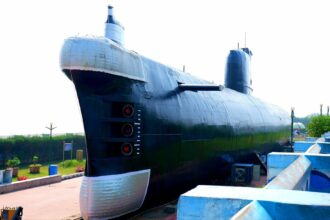
To understand the scale of the breach, we must first delve into the nature of the compromised asset. Imagine a chess game where one player’s moves are dictated by a secret, invaluable piece – a Cold War-era Soviet submarine, the K-129. In the spring of 1968, this Golf II-class submarine, armed with three R-21 ballistic missiles carrying nuclear warheads and state-of-the-art cryptographic equipment, vanished in the Pacific Ocean. The Soviet Navy conducted extensive but unsuccessful search operations.
The K-129’s Ill-Fated Voyage
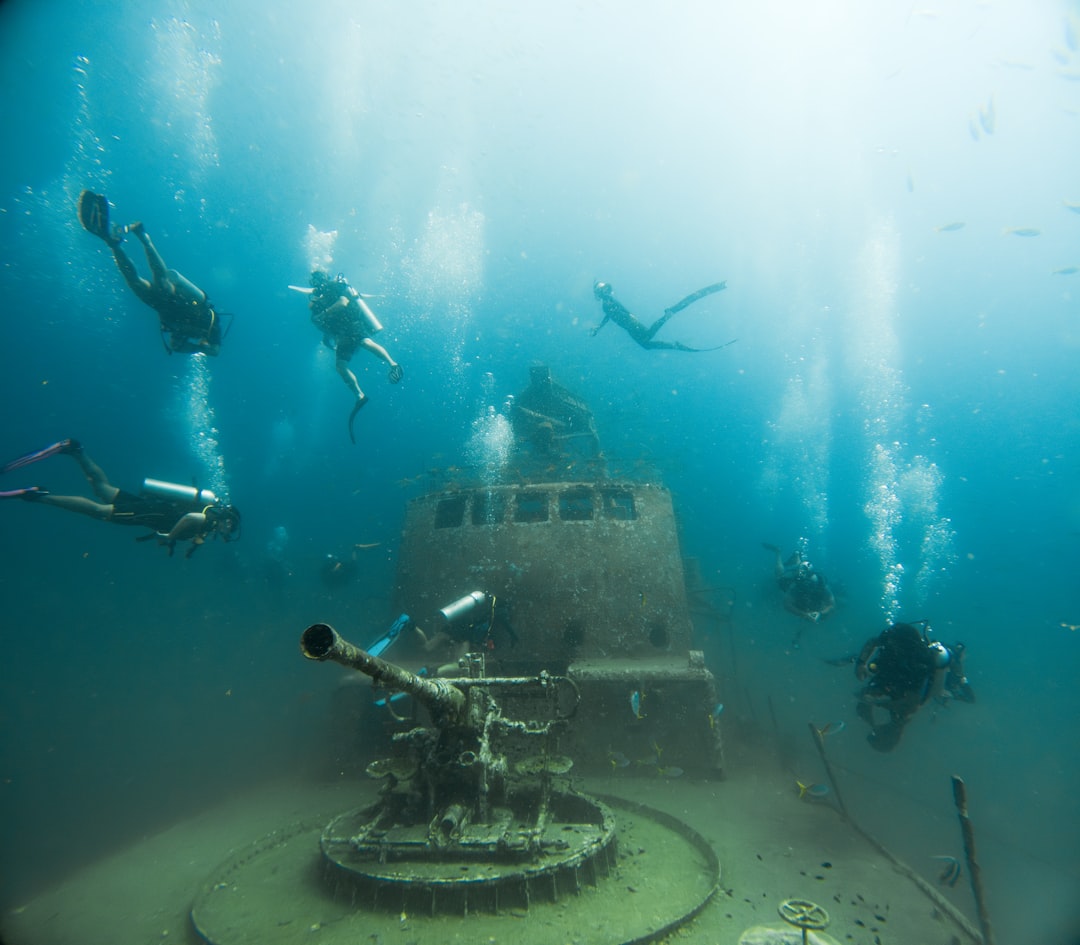
The K-129 departed from its base in Petropavlovsk-Kamchatsky on February 24, 1968, for a routine patrol mission. Its objective was to patrol a designated area northwest of Midway Atoll. Communications ceased on March 8, 1968, leading to the assumption of a catastrophic event. Investigations by both Soviet and later American intelligence suggested an internal explosion or structural failure while the submarine was at test depth. The vessel eventually settled at a depth of approximately 16,000 feet (4,900 meters) on the ocean floor, roughly 1,560 miles (2,510 km) northwest of Hawaii.
The US Discovery: Operation SAND LANCE
Unbeknownst to the Soviets, the United States intelligence community had indeed detected the K-129’s sinking. The American SOSUS (Sound Surveillance System) network, a chain of hydrophones stretching across the ocean floor designed to track Soviet submarines, registered the distinctive acoustic signature of a large implosion event. This detection provided the critical, albeit imprecise, location of the vessel. This initial clue was a single thread, but in the hands of astute intelligence analysts, it could lead to the unraveling of a much larger tapestry.
One of the most significant events in recent cybersecurity history is the intelligence breach that has been labeled the most expensive of all time. This incident not only exposed sensitive information but also highlighted vulnerabilities in even the most secure systems. For a deeper understanding of the implications and details surrounding this breach, you can read a related article at In The War Room.
Project AZORIAN: The Unprecedented Recovery Attempt
The potential intelligence haul from the K-129 was immense. Recovering the submarine, or at least portions of it, promised to yield invaluable insights into Soviet naval technology, nuclear missile design, cryptographic systems, and operational procedures. The Central Intelligence Agency (CIA), in collaboration with the U.S. Navy, conceived Project AZORIAN, an audacious and unprecedented deep-sea recovery operation.
The Glomar Explorer: A Ship Like No Other
Central to Project AZORIAN was the construction of a purpose-built vessel: the Hughes Glomar Explorer. This ship was a marvel of engineering, disguised as a commercial deep-sea mining vessel operated by Howard Hughes’s Summa Corporation. Its true purpose was to retrieve the K-129 using a massive mechanical claw, affectionately termed the “Clementine,” designed to operate almost three miles beneath the ocean’s surface. The scale of this deception was as monumental as the engineering feat itself. Imagine building an entire city block, only for it to be a cleverly camouflaged vault designed to extract a hidden treasure from under unsuspecting eyes.
The Retrieval Operation and Partial Success
The Glomar Explorer arrived at the recovery site in the summer of 1974. The operation was fraught with technical challenges and inherent risks. During the lifting process, a catastrophic structural failure occurred in the “Clementine” claw, causing a significant portion of the submarine, including the critical missile sections, to break away and fall back to the seabed. Despite this setback, a section of the K-129 containing two nuclear torpedoes, cryptographic equipment, and the remains of six Soviet sailors was successfully recovered. The intelligence value, though not as comprehensive as initially hoped, was still substantial.
The Leak: Seymour Hersh and The Washington Post
The secrecy surrounding Project AZORIAN was paramount. The operation was among the most tightly guarded secrets of the Cold War. However, like water seeping through a dam, information began to leak. The first hints appeared in late 1974, but the dam truly broke in early 1975, when journalist Seymour Hersh of The New York Times and later The Washington Post published details of the operation.
The Nexus of Disclosures: Internal Sources and Media Scrutiny
The leaks originated from various sources, including disgruntled former employees of the Glomar Explorer project and, crucially, from congressional sources who had been briefed on the operation. The sheer scale and cost of the project, combined with a climate of increased government transparency following the Watergate scandal, made it an irresistible target for investigative journalists. Hersh’s reporting, meticulously piecing together fragments of information, forced the US government to acknowledge the existence of Project AZORIAN.
The Domino Effect: From Rumor to Public Confirmation
Initially, the CIA attempted to employ a “neither confirm nor deny” (NCND) policy, but the weight of journalistic inquiry and public interest proved too formidable. The story swiftly gained traction, becoming a sensation. The public, captivated by the tale of a secret deep-sea mission to recover a Soviet nuclear submarine, eagerly consumed every detail. The disclosure led to a flurry of investigations and intense scrutiny of intelligence agencies, which were already under pressure. This wasn’t merely a factual disclosure; it was a revelation that challenged the very notion of maintainable secrecy in an increasingly interconnected world.
The Immediate and Long-Term Repercussions
The revelation of Project AZORIAN had profound and far-reaching consequences, extending beyond the immediate embarrassment of the US government. The estimated financial cost of the operation alone was approximately $800 million (equivalent to over $4 billion in 2023), making it one of the most expensive intelligence operations attempted. However, the true cost goes far beyond dollars and cents.
Diplomatic Fallout and Soviet Reaction
The Soviet Union, initially caught off guard, reacted with a mixture of anger and carefully managed indignation. While they publicly condemned the operation as a violation of international law and a provocative act, their private assessment was more constrained. The Soviets were acutely aware that any aggressive response could escalate tensions. The incident underscored the deep mistrust underlying Cold War diplomacy and fueled an arms race driven by both open and covert technological superiority. It reinforced the Soviet perception of American espionage as relentless and sophisticated.
Erosion of Trust: Public and International Perspectives
Domestically, the leak contributed to a growing public cynicism towards government secrecy and intelligence operations. In the aftermath of Watergate and the Vietnam War, the American public was already wary of unchecked executive power. Project AZORIAN became another example, in the eyes of many, of government overreach and deception. Internationally, the incident highlighted the extensive reach of American intelligence and further complicated already delicate diplomatic relations. For other countries, it served as a stark reminder that even the deepest secrets might not be safe.
Operational Security Breaches and Future Operations
Perhaps the most significant long-term impact was on operational security (OPSEC). The AZORIAN leak became a textbook case study in how not to manage a highly classified program. The multiple points of failure – from internal disgruntled employees to congressional oversight committees – exposed vulnerabilities that intelligence agencies subsequently worked to address. The incident forced a re-evaluation of how intelligence operations were conceived, executed, and, critically, protected from disclosure. It was a brutal lesson in the porosity of even the most elaborate security protocols.
The most expensive intelligence breach in history has raised significant concerns about cybersecurity measures across various sectors. As organizations scramble to enhance their defenses, it is crucial to understand the implications of such breaches on national security and economic stability. For a deeper insight into the ramifications of this incident, you can read a related article that explores the broader impacts of cyber threats on businesses and governments. This comprehensive analysis can be found here.
Lessons Learned: The Enduring Legacy
| Incident | Year | Estimated Cost (in billions) | Description | Country Affected |
|---|---|---|---|---|
| Office of Personnel Management (OPM) Data Breach | 2015 | 21 | Massive theft of sensitive personnel data of US government employees and contractors. | United States |
| Equifax Data Breach | 2017 | 4 | Exposure of personal data of approximately 147 million people, including social security numbers. | United States |
| Yahoo Data Breach | 2013-2014 | 3 | Compromise of 3 billion user accounts, largest known data breach in history. | United States |
| Target Data Breach | 2013 | 1.8 | Credit and debit card information of 40 million customers stolen. | United States |
| Sony Pictures Hack | 2014 | 1 | Leak of confidential data, emails, and unreleased films attributed to North Korean hackers. | United States |
The AZORIAN leak, while a severe blow to US intelligence, also provided invaluable lessons that shaped the future of covert operations and information security. It forced a critical introspection into the balance between secrecy and accountability, particularly in a democratic society.
The Imperative of Compartmentalization and Need-to-Know
The leak reinforced the critical importance of robust compartmentalization and the “need-to-know” principle. Information regarding Project AZORIAN was distributed across various government agencies and private contractors, creating numerous potential points of failure. Subsequent intelligence operations adopted more stringent compartmentalization to limit the number of individuals with access to sensitive information. Imagine a network of interconnected rooms, where only those absolutely necessary have keys to specific chambers.
Balancing Secrecy and Oversight
The congressional role in the AZORIAN leak highlighted the inherent tension between the executive branch’s need for secrecy in intelligence operations and the legislative branch’s constitutional mandate for oversight. This dynamic continues to be a subject of debate. The incident spurred efforts to refine oversight mechanisms, aiming to provide sufficient congressional review without jeopardizing ongoing operations. It’s a tightrope walk, where too much transparency can be as damaging as too little.
The Power of the Press and Public Information
The AZORIAN leak served as a powerful testament to the investigative power of a free press and the public’s right to information. Despite government efforts to suppress the story, the media ultimately prevailed. This episode contributed to the ongoing debate about press freedom, government secrecy, and the role of journalists in holding powerful institutions accountable. It proved that in the information age, controlling narratives becomes increasingly difficult, even for the most powerful national security apparatuses. The information, once it finds a crack, will spread like wildfire.
The story of Project AZORIAN and its dramatic exposure remains a pivotal chapter in the history of intelligence. It stands as a stark reminder of the immense financial, diplomatic, and strategic costs associated with intelligence breaches. More importantly, it underscored the enduring challenges of maintaining secrecy in an open society and the complex interplay between technological ambition, national security, and democratic accountability. The K-129 still largely rests on the ocean floor, but the echoes of its recovery attempt and subsequent leak continue to resonate through the corridors of power, serving as an immutable lesson in the vulnerabilities of the intelligence world.
WATCH NOW ▶️ STOP: The $100 Billion Titanium Myth Exposed
FAQs
What was the most expensive intelligence breach in history?
The most expensive intelligence breach in history is widely considered to be the 2013 Edward Snowden leaks, where classified information from the National Security Agency (NSA) was disclosed, causing significant financial and strategic damage.
Who was responsible for the most expensive intelligence breach?
Edward Snowden, a former NSA contractor, was responsible for the breach by leaking thousands of classified documents to the media.
What kind of information was compromised in the breach?
The breach exposed extensive details about global surveillance programs, intelligence operations, and the methods used by the NSA and its allies to collect data on individuals and governments worldwide.
What were the consequences of the intelligence breach?
The breach led to diplomatic tensions, changes in surveillance laws, increased cybersecurity measures, and significant financial costs related to damage control, legal actions, and reforms in intelligence agencies.
How did governments respond to the breach?
Governments around the world increased their focus on cybersecurity, revised intelligence-sharing agreements, implemented stricter data protection policies, and conducted internal reviews to prevent future breaches.