The echoes of the Cold War resonate even today, not merely in geopolitical strategies or technological advancements, but also in the financial ledgers of nations. Among its most audacious and expensive covert operations, Project Azorian stands as a stark testament to the lengths to which superpowers would go to gain an advantage. This article delves into the contemporary understanding of Project Azorian, examining its historical context, the immediate financial outlay, and the less tangible, yet equally significant, costs that continue to impact international relations and intelligence operations.
The genesis of Project Azorian lies in the chilling depths of the Pacific Ocean, where a Soviet Golf II-class submarine, the K-129, met its catastrophic end in March 1968. Equipped with three R-21 nuclear ballistic missiles, two nuclear torpedoes, and cryptographic materials, the K-129 represented an intelligence goldmine for the United States. Its loss, initially unnoticed by the Soviets, became a beacon for American intelligence agencies, particularly the CIA.
The K-129 Incident
The K-129 incident remains shrouded in some mystery. While the official Soviet explanation cited an internal explosion due to a hydrogen leak in a battery compartment, other theories persist, including a collision with a U.S. submarine. Regardless of the precise cause, the submarine’s sinking approximately 1,600 miles northwest of Oahu, Hawaii, in water nearly three miles deep, presented an unprecedented intelligence opportunity.
The Impetus for Recovery
The potential intelligence haul was immense. The recovery of the K-129’s missiles, torpedoes, and cryptographic systems promised invaluable insights into Soviet naval capabilities, nuclear technology, and communication protocols. This potential gain outweighed the immense logistical and financial challenges, setting the stage for one of history’s most ambitious salvage operations. The perceived immediate strategic advantage acted as a powerful catalyst, propelling the project forward with considerable momentum.
Project Azorian, the ambitious CIA operation to recover a sunken Soviet submarine from the depths of the Pacific Ocean, has been a topic of interest for historians and military enthusiasts alike. For those looking to explore the financial implications and current costs associated with such covert operations, a related article can be found at In the War Room, which delves into the economic aspects of historical military projects and their relevance today.
The Immediate Financial Outlay: A Billion-Dollar Bet
The initial financial commitment to Project Azorian was staggering, even by Cold War standards. It represented an investment of unparalleled proportions for a single intelligence operation. The declassified figures, though likely conservative, provide a glimpse into the sheer scale of expenditure.
Construction of the Hughes Glomar Explorer
Central to the success of Project Azorian was the construction of a purpose-built vessel: the Hughes Glomar Explorer. This specialized salvage ship, financed by the CIA and disguised as a deep-sea mining vessel for Howard Hughes’s Summa Corporation, was a marvel of engineering. Its design incorporated a massive recovery claw, often referred to as the “Clementine,” capable of lifting significant tonnage from extreme depths, and a vast internal moonpool for discreet operations.
Design and Engineering Costs
The design phase alone, involving extensive research and development into deep-sea recovery technologies, consumed substantial resources. The actual construction of the Glomar Explorer in the bustling shipyards of Pennsylvania and California pushed the envelope of maritime engineering, incurring costs that ran into hundreds of millions of dollars. The vessel’s unique specifications, including its dynamic positioning system and specialized lifting equipment, necessitated bespoke solutions and advanced materials.
Cover Story and Operational Infrastructure
Maintaining the elaborate cover story for the Glomar Explorer as a deep-sea mining vessel also added significantly to the project’s ledger. This included fictitious research, public relations efforts, and the establishment of a plausible corporate front. Furthermore, the operational infrastructure required to support the Glomar’s missions, such as logistics, supply chains, and personnel, collectively represented a gargantuan financial undertaking.
Operational Expenditures
Beyond the capital investment in the Glomar Explorer, the operational costs for Project Azorian were equally formidable. These included the highly specialized crew, advanced instrumentation, fuel, and the continuous intelligence support required for such a sensitive mission.
Specialized Personnel and Training
The project demanded an elite team of engineers, submariners, technicians, and intelligence officers, many of whom underwent specialized training for the unique challenges of deep-sea recovery in a clandestine environment. The compensation for such highly skilled personnel, coupled with their extensive training programs, contributed significantly to the overall cost. Their expertise, a rare commodity even today, commanded a premium.
Equipment and Logistics
The cutting-edge equipment deployed for the recovery attempt, including sonar systems, remotely operated vehicles (ROVs), and the massive recovery claw itself, represented a substantial investment. The logistical challenges of sustaining operations in a remote oceanic location for extended periods, necessitating regular resupply and personnel rotations, further inflated the operational budget. The continuous flow of resources, from specialist parts to provisions, created an intricate and expensive logistical network.
The Tangible Returns: Fragments of a Prize

Despite the immense investment, the immediate tangible returns from Project Azorian were, by some measures, partial. The complete recovery of the K-129 proved elusive, a stark reminder of the unforgiving nature of deep-sea operations.
Partial Recovery
During the 1974 recovery attempt, the “Clementine” claw encountered structural failure, resulting in the fracturing of the K-129 and the loss of a significant portion of its forward section back into the abyss. Only the forward section, containing two nuclear torpedoes and some cryptographic materials, was successfully brought to the surface.
Recovered Intelligence
The recovered section yielded valuable intelligence, including the two nuclear torpedoes and various cryptographic documents. These materials offered undeniable insights into Soviet naval weaponry and communication methods, confirming the initial intelligence estimates and validating, to an extent, the project’s strategic rationale. The value of this intelligence, while significant, was arguably diminished by the incomplete recovery.
Unrecovered Secrets
The bulk of the K-129, including its nuclear ballistic missiles and the majority of its cryptographic systems, remained on the ocean floor. This unrecovered treasure represented a missed opportunity for even broader intelligence gains, underscoring the inherent risks and uncertainties of such an audacious undertaking. The full strategic prize remained out of reach, a testament to the unpredictable variables of the deep ocean.
The Continuing Costs: Beyond the Balance Sheet
The costs of Project Azorian extend far beyond the initial billions of dollars and the tangible intelligence yield. It created a complex legacy that continues to influence international relations, intelligence ethics, and technological development.
Public Exposure and Diplomatic Fallout
The exposure of Project Azorian in 1975, largely due to a break-in at Howard Hughes’s offices where classified documents were allegedly stolen, generated significant international scrutiny. This incident sent ripples through the intelligence community and strained diplomatic relations.
Credibility of Covert Operations
The public disclosure of Azorian dealt a blow to the credibility of covert operations. It highlighted the risks of undertaking such ambitious projects, not only in terms of financial cost and operational risk but also in the potential for public embarrassment and political fallout. The intricate web of deception, once exposed, raised questions about governmental transparency and accountability.
Espionage Backlash
The revelations led to a predictable backlash from the Soviet Union, further exacerbating Cold War tensions. While no direct military confrontation arose, the incident served as a potent reminder of the ongoing espionage warfare and contributed to an environment of mutual suspicion. Such incidents often fuel a spiraling cycle of counter-intelligence and mistrust, impacting long-term diplomatic stability.
The Technological Ripple Effect
While driven by military and intelligence imperatives, Project Azorian also spurred advancements in deep-sea technology. However, these advancements were not without their own sets of associated costs and considerations, often influencing future exploration and exploitation of the deep ocean.
Dual-Use Technologies
The technologies developed for Azorian, particularly in deep-sea recovery and remote sensing, had significant dual-use potential. While initially conceived for clandestine intelligence gathering, they found applications in legitimate scientific research, commercial deep-sea mining, and subsea cable repair. The transfer of these advanced capabilities to the civilian sector, while beneficial, also posed questions regarding control and oversight.
Environmental Impact Considerations
The large-scale operations undertaken in Project Azorian, while not extensively documented for their environmental impact at the time, raise contemporary concerns. The disturbance of deep-sea ecosystems, the potential contamination from recovered materials, and the sheer footprint of such operations are now subjects of greater scrutiny in deep-sea exploration, highlighting an evolving understanding of environmental responsibility.
The costs associated with Project Azorian have been a topic of interest for many researchers and historians, especially when considering its implications during the Cold War. A recent article delves into the financial aspects of this ambitious underwater recovery mission, providing insights into how much it would cost today. For those looking to explore this topic further, you can read the full analysis in the article available here.
Azorian’s Enduring Legacy: A Costly Lesson
| Metric | Value | Notes |
|---|---|---|
| Original Project Cost (1974) | Approximately 800 million | Estimated cost at the time of the project |
| Inflation Adjustment Factor (1974 to 2024) | ~5.7 | Based on US inflation rates over 50 years |
| Estimated Cost Today | Approximately 4.56 billion | Original cost multiplied by inflation factor |
| Project Scope | Recovery of Soviet submarine K-129 | Deep-sea salvage operation |
| Technological Complexity | High | Advanced engineering and secrecy required |
Project Azorian stands as a monumental undertaking, a testament to Cold War ingenuity and paranoia. Its total cost, when viewed through a contemporary lens, far exceeds the initial financial outlay, casting a long shadow on international relations and the ethics of technological advancement.
The Price of Secrecy
Maintaining the elaborate secrecy surrounding Azorian incurred significant hidden costs. The human resources dedicated to crafting and maintaining the cover story, the organizational restructuring within intelligence agencies to compartmentalize knowledge, and the perpetual vigilance against leaks all contributed to an unseen burden. The intricate dance of deception consumed resources that could have been allocated elsewhere.
Opportunity Costs
Beyond direct expenditures, the opportunity costs of Azorian are substantial. The billions of dollars poured into this single project could have been invested in alternative intelligence-gathering methods, advanced research in other fields, or even domestic programs. While the strategic value of the recovered intelligence was undeniable, the allocation of such immense resources to one high-risk venture presents a compelling case for considering the alternative uses of capital.
Lessons in Risk and Ambition
Project Azorian serves as a powerful case study in the perils and promises of ambitious, high-risk endeavors. It demonstrates the allure of a strategic prize, the capabilities of human ingenuity under pressure, and the inherent limitations of technology when confronted with the unforgiving forces of nature. The “glamour” of such operations, a term playfully woven into the Glomar Explorer‘s name, often masks the immense complexities and potential for failure.
In conclusion, the cost of Project Azorian, when fully accounted for, is a multifaceted entity that continues to be debited against the strategic ledger. It represents not just a historical financial transaction but an ongoing dialogue about the ethics of intelligence, the limits of technology, and the enduring human fascination with uncovering hidden truths, no matter the price. Readers are therefore encouraged to consider Azorian not merely as a relic of the past, but as a living case study whose lessons remain acutely relevant in an era of ever-advancing intelligence capabilities and increasingly complex geopolitical landscapes. The ghost of the K-129, and the billions spent in its pursuit, continues to haunt the corridors of power, a solemn reminder of the true cost of covert operations.
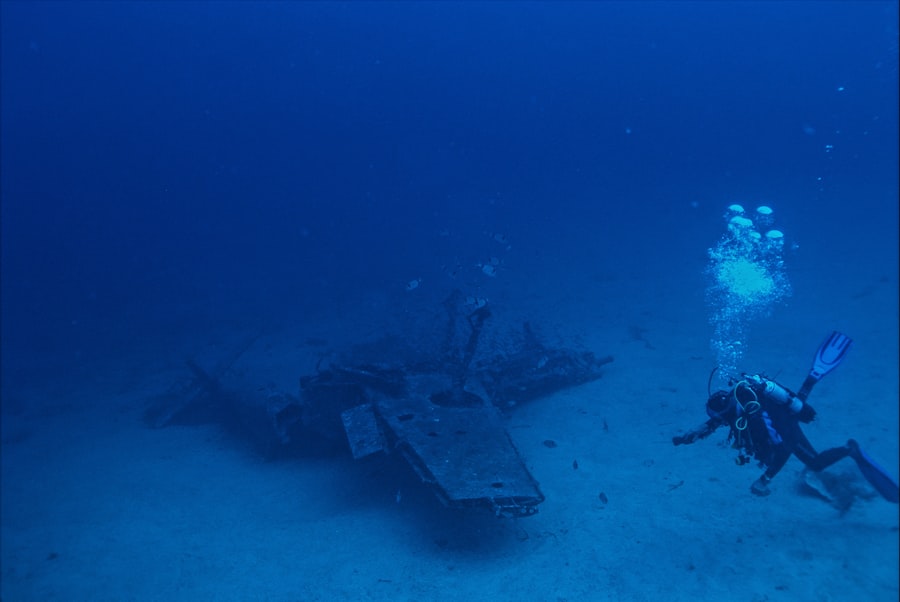
WATCH NOW ▶️ The CIA’s Impossible Mission To Steal A Nuclear Submarine
FAQs
What was the original cost of Project Azorian?
Project Azorian, the secret CIA mission to recover a sunken Soviet submarine in the early 1970s, originally cost approximately $800 million at the time.
How much would Project Azorian cost in today’s dollars?
Adjusting for inflation, the estimated cost of Project Azorian today would be roughly $5 billion, reflecting the complexity and scale of the operation.
What factors contributed to the high cost of Project Azorian?
The high cost was due to the development of specialized deep-sea recovery technology, the construction of the Hughes Glomar Explorer ship, extensive secrecy measures, and the logistical challenges of operating in deep ocean environments.
Is Project Azorian considered a successful mission despite its cost?
While the mission only partially succeeded in recovering the submarine, it is considered a significant technological and intelligence achievement given the unprecedented nature of the operation.
Are there any publicly available detailed breakdowns of Project Azorian’s expenses?
Due to the classified nature of the mission, detailed financial records remain largely undisclosed, though some cost estimates and general information have been declassified over time.