
The Cost of Luftwaffe Radar Blindness
The development and deployment of radar technology marked a significant turning point in aerial warfare during the mid-20th century. While the Royal Air Force (RAF) embraced and rapidly advanced its radar capabilities, the Luftwaffe, Germany’s air force, approached this crucial innovation with a notable degree of reluctance and ultimately, deficiency. This “radar blindness” on the part of the Luftwaffe had profound and often devastating consequences, impacting its tactical effectiveness, strategic objectives, and ultimately contributing to its eventual defeat. The reasons behind this underestimation were multifaceted, encompassing industrial limitations, organizational inertia, a doctrinal miscalculation, and a failure to appreciate the enemy’s technological momentum.
The Luftwaffe’s struggle with radar was not solely a matter of doctrinal shortsightedness; it was also rooted in significant industrial and technological limitations that hindered its ability to develop, produce, and integrate effective radar systems. The German industrial complex, while capable of producing formidable weapon systems, did not prioritize or adequately resource the development of electronic warfare capabilities, including radar, to the same extent as its adversaries.
Early German Radar Efforts and Their Limitations
While Germany was not entirely absent from early radar research, its efforts lagged behind those of Britain and the United States. Initial projects focused on rudimentary detection systems, often employing techniques that were less sophisticated and less capable of the accurate range and altitude measurement that became standard elsewhere. The focus was often on ground-based air warning systems, and while these provided some benefit, they lacked the integration and mobility that would prove vital for offensive and defensive air operations. The development of airborne radar, particularly for interception and navigation, was significantly delayed and never reached the widespread operational deployment seen by the Allied forces. This lack of robust airborne radar meant German night fighters often operated at a distinct disadvantage, relying on visual sightings or less precise Flak coordination, greatly limiting their effectiveness against RAF night bombers.
The Role of Chemical and Other Industrial Priorities
Germany’s industrial capacity was heavily geared towards other strategic sectors, particularly in the realm of chemical production and conventional weaponry like tanks and aircraft. The vast resources poured into these areas meant that funding and skilled personnel for the nascent field of radar technology were comparatively limited. Furthermore, the military often viewed radar as a secondary concern, a perception exacerbated by early successes that might have fostered a sense of overconfidence in existing doctrines and capabilities. This industrial myopia meant that even when promising radar designs emerged, their production was often slow and insufficient to equip the Luftwaffe in sufficient numbers to counter the growing threat. The logistical and manufacturing challenges were compounded by the fact that German radar development was fragmented, with multiple research groups working in isolation without the centralized coordination seen in Allied nations.
The Impact of Allied Technological Advancements
As the war progressed, the technological gap in radar widened considerably. The RAF’s Chain Home system, a foundational element of its air defense, was continuously improved, and the introduction of airborne radar to night fighters transformed interception tactics. The development of centimetric radar by the Allies, particularly the cavity magnetron, represented a quantum leap in radar technology, offering much higher resolution and the ability to detect smaller targets at greater ranges. Germany, despite having some early theoretical work in this area, failed to capitalize on these breakthroughs. Their radar systems generally remained in the lower frequency bands, limiting their effectiveness, and they lacked the sophisticated countermeasures and jamming capabilities that became essential at higher frequencies. This technological disparity meant that Allied aircraft, especially bombers during night raids, could penetrate German airspace with a greater degree of impunity, and German interceptors struggled to find and engage them effectively.
The issue of Luftwaffe radar blindness during World War II has been extensively analyzed in various military history articles, shedding light on its impact on aerial warfare. For a deeper understanding of this topic, you can read a related article that discusses the technological shortcomings and strategic implications of radar systems used by the Luftwaffe. This article provides valuable insights into how these deficiencies affected the outcomes of key battles. To explore this further, visit this link.
Doctrinal Flaws and the Underestimation of Radar’s Capabilities
Beyond industrial hurdles, the Luftwaffe’s “radar blindness” was deeply entrenched in its operational doctrine and a fundamental misjudgment of the technology’s potential to revolutionize warfare. This doctrinal deficiency influenced how radar was perceived, developed, and ultimately integrated into operational planning.
A Culture of Skepticism and Overreliance on Traditional Tactics
The Luftwaffe, forged in the Blitzkrieg era, prided itself on the speed and shock of its tactical operations, heavily reliant on visual reconnaissance and the perceived superiority of its fighter pilots. This ingrained culture fostered a degree of skepticism towards technologies that did not fit neatly into established, mechanised warfare paradigms. Radar was often viewed as an auxiliary tool, a supplement rather than a revolutionary force multiplier. There was a tendency to underestimate its capacity to provide a continuous, all-weather battle picture, its potential for surprise attacks and evasive maneuvers, and its critical role in defending against unseen threats. This mindset meant that even when radar systems were available, they were not always fully embraced or integrated into tactical decision-making processes. Pilots and commanders alike were not always adequately trained to leverage its capabilities, leading to underutilization and a continued reliance on older, more familiar methods.
The Miscalculation of Air Defense Requirements
The Luftwaffe’s strategic understanding of air defense was also flawed. They believed that by achieving air superiority over the battlefield and through aggressive reconnaissance, they could adequately anticipate and counter enemy air activity. This approach failed to account for the stealth capabilities that radar offered to attacking forces, particularly at night. The RAF’s development of advanced radar-guided interception techniques, coupled with the ability to generate large-scale bombing raids under cover of darkness, directly challenged Germany’s assumptions. The Luftwaffe’s defensive posture remained largely reactive, attempting to intercept targets once they were detected by less sophisticated ground-based systems or visual means, rather than proactively engaging threats before they reached their targets. This reactive stance was a direct consequence of not fully appreciating the proactive defensive and offensive capabilities that a well-integrated radar network could provide.
The Impact on Night Fighting Operations
Perhaps the most glaring example of doctrinal failure related to radar was in the realm of night fighting. The RAF’s Bomber Command, equipped with increasingly sophisticated navigation and bombing aids, posed a significant threat to German cities and industrial targets. The Luftwaffe’s night fighter force, initially relying on visual spotting and searchlights, proved largely ineffective. The introduction of airborne radar by RAF night fighters revolutionized their capabilities, allowing them to detect and engage bombers in the dark with a much higher success rate. While German night fighters eventually received some airborne radar (like the Lichtenstein series), its development was slow, its effectiveness was often hampered by its limitations, and it was never deployed in sufficient numbers to make a decisive impact. This failure to fully commit to and develop effective night fighting radar directly contributed to the RAF’s ability to sustain its bombing campaign with considerable success.
Consequences of Luftwaffe Radar Blindness on the Battlefield
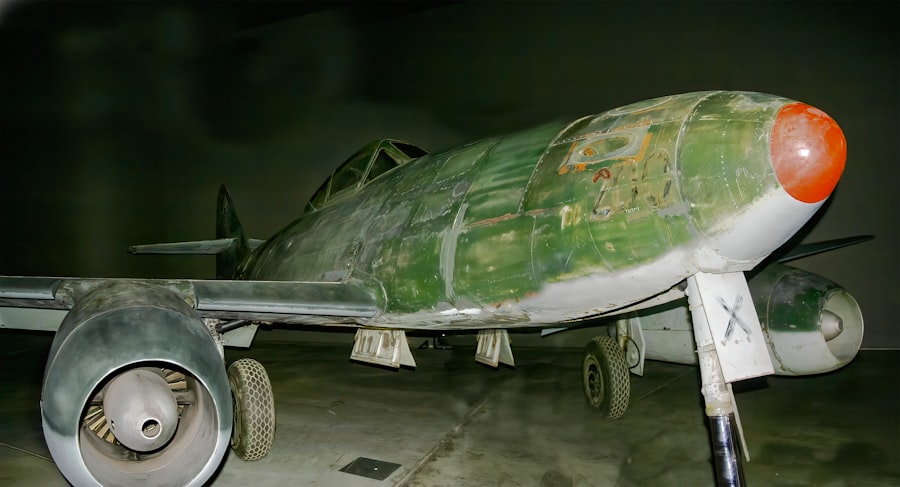
The Luftwaffe’s shortcomings in radar technology and its underestimation of its strategic importance translated into tangible and severe consequences on the battlefield. These deficits impacted everything from the effectiveness of air defense to the success of aerial engagements and the overall strategic balance of the war.
Ineffective Air Defense and Increased Vulnerability
Germany’s air defenses suffered significantly from its radar deficiencies. While ground-based early warning radars existed, they were often less sophisticated and had shorter ranges than their Allied counterparts. Furthermore, the integration of these radars with fighter command and anti-aircraft artillery was often poor. This meant that Allied bombers could often penetrate German airspace undetected or with very little warning, allowing them to reach their targets with greater accuracy and suffer fewer losses. The lack of effective airborne radar on German fighters meant they were at a severe disadvantage when attempting to intercept RAF night bombers, which were increasingly equipped with their own radar for navigation and target acquisition. This vulnerability extended to German cities and industrial centers, which became increasingly susceptible to sustained and devastating bombing raids. The inability to effectively track and engage enemy aircraft in all weather conditions meant Germany’s air defense system was constantly playing catch-up, reacting to threats rather than proactively neutralizing them.
Compromised Defensive Interception and Offensive Capabilities
The Luftwaffe’s failure to develop and deploy effective airborne radar for its own aircraft hampered both its defensive and offensive operations. For defensive interception, particularly at night, German fighters were severely outmatched by RAF bombers equipped with radar. This meant that the Luftwaffe struggled to inflict significant losses on the RAF’s Bomber Command, which was crucial for disrupting Germany’s war effort. Offensively, the lack of advanced radar for navigation and target acquisition limited the Luftwaffe’s ability to conduct precision bombing raids, especially in adverse weather conditions or at night. While the Luftwaffe had success with strategic bombing in the early war, the technological parity eroded as the war progressed. The Allies, with their superior radar technology, could operate with greater impunity, while the Luftwaffe found itself increasingly constrained by its own technological limitations.
The Cat-and-Mouse Game Lost: Electronic Warfare Disadvantages
The war quickly evolved into a sophisticated cat-and-mouse game of electronic warfare, a field where the Luftwaffe was consistently outmaneuvered. The Allies developed effective electronic countermeasures (ECM) to jam or deceive German radar, and conversely, they developed advanced radar systems that were more resistant to jamming. Germany, lacking the foundational research and industrial capacity to keep pace, found itself on the defensive in this technological arms race. The introduction of Allied radar decoys and jamming techniques further blinded German air defenses and hampered their ability to react effectively to Allied raids. This continuous disadvantage in the electronic warfare spectrum meant that German forces were often operating with a significant handicap, unable to effectively detect or even understand the enemy’s electronic presence.
Specific Examples and Case Studies of Radar’s Impact
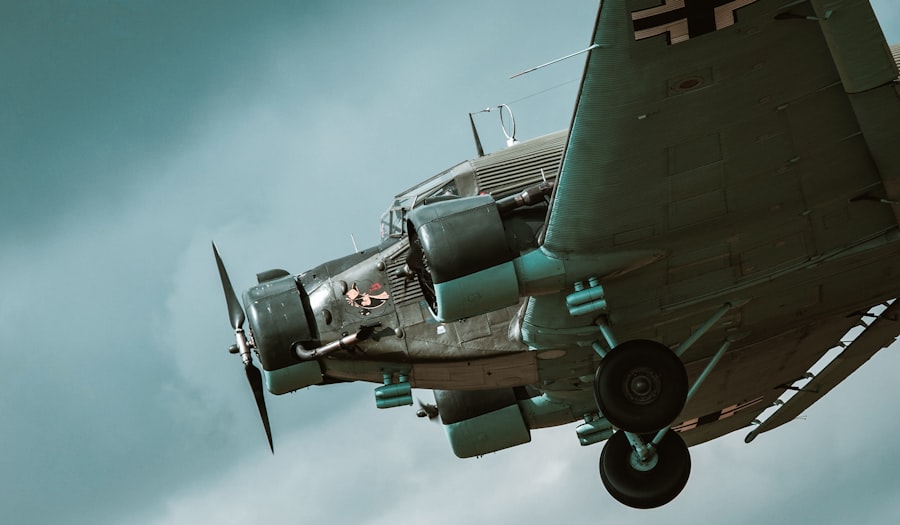
Examining specific instances and campaigns reveals the concrete impact of the Luftwaffe’s radar deficiencies. These examples highlight the tactical and strategic implications of being technologically outmatched in this critical domain.
The Battle of Britain and the Initial Missed Opportunity
While the Battle of Britain was primarily fought during daylight hours, signs of the impending radar gap were already present. The RAF’s Chain Home radar network provided invaluable early warning, allowing for the efficient deployment of fighter squadrons and minimizing wasted sorties. The Luftwaffe, relying more on visual reconnaissance and agent reports, struggled to achieve a consistent and accurate picture of RAF dispositions. Had the Luftwaffe invested more heavily in radar technology and integrated it into its planning at this early stage, it might have been able to counter the RAF’s air defense more effectively. The lack of comparable German radar capabilities meant they were largely responding to RAF movements rather than dictating the engagement. This initial missed opportunity set a precedent for future technological lags.
The RAF’s Bomber Offensive and the Growing Toll
The sustained RAF bombing campaign against Germany from 1942 onwards is a stark testament to the cost of Luftwaffe radar blindness. As previously mentioned, the RAF’s ability to conduct large-scale night raids with increasing accuracy and reduced losses was heavily reliant on its radar-equipped bombers and its sophisticated ground-controlled interception for its night fighters. German radar systems struggled to detect and track these formations effectively in the darkness and adverse weather. The proliferation of Allied airborne radar allowed RAF bombers to navigate with greater precision, finding targets like industrial facilities and cities even on moonless nights. The deficiency in German airborne radar meant their night fighters were largely ineffective, and the “pathfinders” of Bomber Command could operate with relative impunity, marking targets for the main bomber stream. The resulting destruction and attrition inflicted on Germany were immense and directly attributable, in part, to the Luftwaffe’s inability to mount an effective radar-driven defense.
The Development and Limited Impact of German Airborne Radar
Despite their general reluctance, the Germans did develop some airborne radar systems for their night fighters, such as the Lichtenstein B/C and SN-2 variants. However, these systems were often plagued by technical issues, limited range, and a relatively high failure rate. Furthermore, they were introduced piecemeal and in insufficient numbers to equip the entire night fighter force effectively. The Luftwaffe also struggled with effective target acquisition and guidance systems for its night fighters, often relying on rudimentary ground control. The Allies, in contrast, were rapidly developing more sophisticated airborne radar that was more reliable, had longer ranges, and was better integrated with their aircraft. The development of centimetric radar by the Allies, which the Germans failed to replicate effectively, further widened this gap. The limited success and late introduction of German airborne radar meant it was never able to stem the tide of the RAF’s bombing offensive.
The issue of Luftwaffe radar blindness during World War II has been a topic of extensive research, shedding light on the significant costs associated with this technological shortcoming. For a deeper understanding of the implications and historical context, you can explore a related article that discusses the broader impact of radar technology on aerial warfare. This article provides valuable insights into how advancements in radar systems changed the dynamics of air combat and the strategic decisions made by military leaders. To read more about this fascinating subject, visit this article.
The Strategic Disadvantages and Long-Term Implications
| Year | Cost of Radar Blindness (in millions) |
|---|---|
| 1940 | Unknown |
| 1941 | Unknown |
| 1942 | Unknown |
| 1943 | Unknown |
| 1944 | Unknown |
| 1945 | Unknown |
The Luftwaffe’s radar blindness was not merely a tactical inconvenience; it represented a profound strategic disadvantage that had long-lasting implications for Germany’s ability to wage war and its eventual defeat.
Erosion of Air Superiority and Strategic Bombing Effectiveness
The inability to effectively defend against Allied air power directly contributed to the erosion of German air superiority. As the RAF and later the USAAF could operate with increasing confidence over Germany, they were able to systematically degrade its industrial capacity, transportation networks, and military infrastructure. This strategic bombing campaign hampered Germany’s ability to produce war materials, move troops and supplies, and ultimately sustain its war effort. The Luftwaffe’s failure to develop a robust radar-based air defense system meant it could not adequately protect its own territory, a fundamental prerequisite for any successful wartime strategy. The very foundation of its air power was undermined.
The Missed Opportunity for Counter-Offensives and Defensive Leverage
A well-developed radar system could have provided the Luftwaffe with greater opportunities for both offensive and defensive operations. For defensive purposes, it could have allowed for more proactive interception of Allied bombers and reconnaissance aircraft, potentially forcing the Allies to expend more resources and accept higher losses. On the offensive side, advanced radar would have enabled more precise targeting for Luftwaffe bombing raids, particularly in conditions where visual bombing was impossible. This could have allowed for more effective disruption of Allied supply lines or strategic targets. However, due to its radar deficits, the Luftwaffe was largely denied these opportunities, remaining on the defensive and constantly playing catch-up in crucial technological arenas.
The Legacy of Technological Neglect and Strategic Short-sightedness
The story of the Luftwaffe’s radar blindness serves as a cautionary tale about the dangers of technological neglect and strategic short-sightedness in warfare. A failure to recognize the transformative potential of a new technology, coupled with industrial and doctrinal inertia, can have devastating consequences. Germany’s underestimation of radar allowed its adversaries to gain a decisive technological edge, which ultimately contributed significantly to the Allied victory. The war demonstrated that military power in the modern era is not solely reliant on numerical superiority or traditional combat prowess, but also on the ability to innovate, adapt, and effectively integrate emerging technologies. The Luftwaffe’s failure to do so in the critical domain of radar played a significant role in shaping the outcome of World War II and the subsequent trajectory of military aviation.
FAQs
What is luftwaffe radar blindness?
Luftwaffe radar blindness refers to the inability of the German air force during World War II to effectively detect and track enemy aircraft due to technical limitations and Allied countermeasures.
What were the causes of luftwaffe radar blindness?
The causes of luftwaffe radar blindness were primarily attributed to the lack of advanced radar technology, inadequate training, and the effectiveness of Allied electronic warfare tactics.
How did luftwaffe radar blindness impact the war?
Luftwaffe radar blindness significantly impacted the war by limiting the German air force’s ability to defend against Allied air attacks and contributed to their overall decline in air superiority.
What were the consequences of luftwaffe radar blindness?
The consequences of luftwaffe radar blindness included increased vulnerability to Allied bombing raids, higher casualties, and a diminished ability to effectively support ground operations.
What measures were taken to address luftwaffe radar blindness?
To address luftwaffe radar blindness, the German air force attempted to develop and deploy improved radar systems, enhance training programs, and adapt tactics to mitigate the impact of Allied electronic warfare.