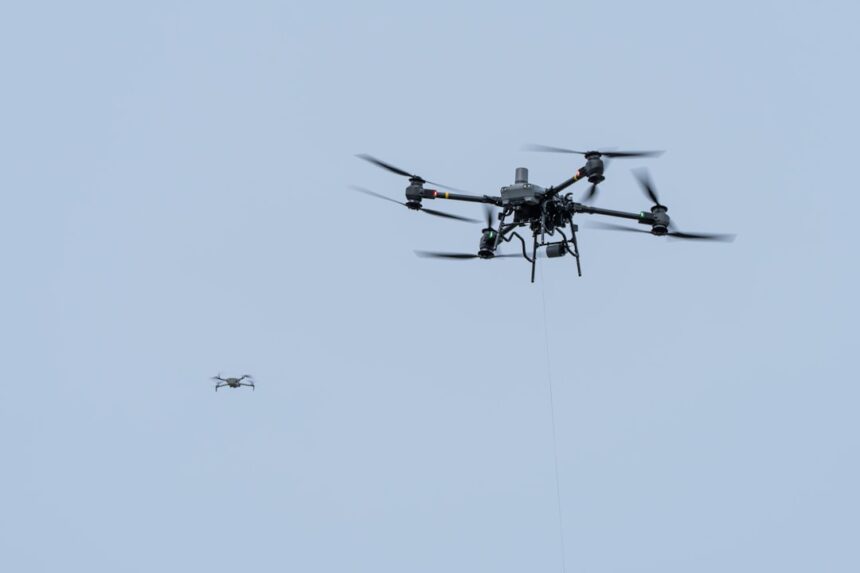
The maritime environment of the Persian Gulf, already a chokepoint for global trade and a theater of complex geopolitical rivalries, has witnessed an increasing reliance on unmanned aerial vehicles, or drones, by Iran and its proxies. While these unmanned systems offer tactical advantages to their operators, their presence necessitates a corresponding response from regional naval forces and their international partners. The interception of these Iranian drones, therefore, carries significant and multifaceted costs, impacting not only financial resources but also operational readiness, diplomatic relations, and the broader security calculus in one of the world’s most critical maritime arteries.
The deployment of drones by Iran and its affiliated groups represents a discernible shift in asymmetric warfare strategies. These unmanned aerial systems, ranging from small reconnaissance craft to larger, weaponized platforms, are employed for a variety of purposes. Their increasing sophistication and widespread availability present a persistent and evolving threat to naval vessels, critical infrastructure, and commercial shipping. Understanding the nature and scale of this threat is foundational to appreciating the costs associated with its mitigation.
Iran’s Drone Arsenal and Operational Doctrine
Iran has demonstrably invested in a diverse drone program. Houthi forces in Yemen, often armed and supported by Iran, have repeatedly utilized drones against Saudi Arabia and have also targeted commercial shipping and military assets in the Red Sea and the Arabian Sea. These drone attacks serve multiple objectives: to disrupt maritime trade, to project power and influence, to inflict economic damage, and to exert political pressure on adversaries. The psychological impact of drone attacks, even those that may not result in direct physical damage, is also a factor in Iran’s strategic calculus. The ability to saturate defenses or conduct surprise attacks with unmanned systems bypasses some traditional air defense limitations, making them a persistent concern.
The Impact on Maritime Security and Freedom of Navigation
The persistent threat of Iranian drone incursions directly compromises the safety and security of maritime traffic transiting the Persian Gulf and its approaches. Commercial vessels, including oil tankers that are vital to global energy markets, become potential targets, leading to increased insurance premiums, rerouting considerations, and potential disruptions to supply chains. The perceived instability and the risk of drone attacks can deter investment in the region and negatively impact economic activity. Furthermore, the freedom of navigation, a principle enshrined in international law and crucial for global commerce, is challenged by the need for heightened vigilance and defensive maneuvers to counter these unmanned aerial threats.
The rising cost of intercepting Iranian drones in the Gulf has become a pressing issue for military strategists and policymakers alike. As tensions escalate in the region, understanding the financial implications of drone interception is crucial for effective defense planning. For a deeper analysis of this topic, you can read the related article on the cost implications and strategic considerations at this link.
The Financial Outlay of Interception Operations
The primary and most tangible cost associated with intercepting Iranian drones is the direct financial expenditure. This encompasses a wide array of resources, from the sophisticated military hardware required to detect, track, and neutralize drones to the personnel and operational sustainment necessary to maintain constant readiness. The expenses incurred are not one-time occurrences but rather continuous investments in maintaining a defensive posture against an ongoing threat.
The Cost of Advanced Detection and Tracking Systems
Effectively intercepting drones necessitates sophisticated sensor systems capable of detecting and tracking small, low-flying, and often radar-evasive targets. This includes investments in advanced radar systems, electro-optical/infrared (EO/IR) sensors, and electronic warfare capabilities. The initial procurement costs for such technologies are substantial, and ongoing maintenance, upgrades, and calibration further add to the financial burden. Ensuring that these systems are integrated and interoperable across various platforms and national architectures also involves considerable expenditure on software development and network infrastructure.
Ammunition and Weaponry Expenditure
Once a drone is identified and deemed a threat, the cost of neutralizing it becomes a significant factor. This involves expending various forms of ammunition and weaponry, including:
- Naval Gunfire Support: While less precise against small drones, naval artillery can be employed. The cost of shells and the wear and tear on gun systems contribute to operational expenses.
- Surface-to-Air Missiles (SAMs): For more advanced threats or to ensure a higher probability of success, naval platforms utilize SAMs. These missiles are inherently expensive, and the rate of expenditure can quickly escalate during periods of heightened drone activity. The cost of a single advanced SAM can range from hundreds of thousands to millions of dollars.
- Close-In Weapon Systems (CIWS): Gatling guns like the Phalanx CIWS are designed for close-range defense against anti-ship missiles and aircraft, and can also be effective against drones. While the cost per engagement is lower than SAMs, sustained fire can still represent a considerable expense in terms of ammunition and system wear.
- Directed Energy Weapons (DEWs): While some navies are developing and deploying DEWs, the initial research, development, and procurement costs are exceptionally high. Though the per-engagement cost of DEWs is expected to be significantly lower than traditional munitions, their widespread adoption and operational deployment still represent a considerable long-term financial investment.
Operational Sustainment and Logistics
Beyond the direct cost of engagement, the continuous operation of naval assets for drone interdiction incurs significant sustainment costs. This includes:
- Fuel Consumption: Patrols and enhanced readiness measures require increased fuel expenditure for naval vessels, impacting operational budgets.
- Maintenance and Repair: The constant operation of sophisticated systems, especially those engaged in detecting and engaging targets, leads to increased wear and tear, necessitating more frequent and costly maintenance.
- Personnel Costs: The deployment of personnel for extended periods, including salaries, training, and deployment allowances, represents a substantial financial commitment. The need for specialized training in drone detection and countermeasures further adds to these costs.
- Logistics and Resupply: Ensuring naval assets are adequately supplied with ammunition, spare parts, and consumables during prolonged periods of vigilance requires robust and often costly logistical support networks.
The Strain on Military Readiness and Human Capital

The sustained effort required to counter Iranian drone threats places a significant strain on military readiness and human capital. This is not merely about the immediate financial costs but also about the long-term implications for personnel, training, and strategic force posture, which can be difficult to quantify but are nonetheless profoundly impactful.
Erosion of Training Opportunities for Other Missions
When naval forces are perpetually engaged in drone interdiction, it inevitably detracts from opportunities to train for other critical missions. This can include:
- Anti-submarine warfare (ASW) training: This highly specialized and complex area requires dedicated time and resources.
- Amphibious operations: Large-scale amphibious exercises are resource-intensive and require significant planning and execution.
- Fleet exercises and combined arms training: The ability to operate effectively with other units and branches of the military is crucial for joint operations.
The constant demand for drone defense can lead to a reduction in the frequency, duration, and complexity of these other training evolutions, potentially degrading proficiency in a range of essential military capabilities.
Personnel Fatigue and Morale
The relentless nature of drone surveillance and interception operations can lead to significant personnel fatigue and a decline in morale. Sailors and aircrew may find themselves on extended deployments or operating at a high operational tempo for prolonged periods, with little respite. This can have consequences for:
- Mental and Physical Health: Sustained stress and fatigue can negatively impact the well-being of military personnel.
- Retention Rates: Increased burnout and a perceived lack of work-life balance can contribute to higher turnover rates, making it difficult to retain experienced personnel.
- Recruitment Challenges: If the operational tempo becomes unsustainable or perception of continuous high-stress deployments becomes widespread, it could impact the ability to attract new recruits to naval services.
Opportunity Costs in Strategic Deployment
The resources, both human and material, dedicated to countering drone threats in the Persian Gulf represent an opportunity cost in terms of their potential deployment elsewhere. If naval assets are tied down in the Gulf, they are unavailable for other strategic priorities. This could include:
- Deterrence operations in other theaters: The absence of key naval assets might diminish deterrence in regions facing different geopolitical challenges.
- Humanitarian assistance and disaster relief (HADR) missions: Naval forces often play a critical role in responding to global crises.
- Presence operations in other vital waterways: Maintaining security and stability in other strategically important maritime regions may be compromised.
Diplomatic and Political Repercussions

Beyond the purely military and financial aspects, the interception of Iranian drones carries significant diplomatic and political costs. These involve the delicate balancing act of maintaining regional stability, managing relationships with allies, and navigating complex international legal and political frameworks.
Escalation Risks and Regional Tensions
Any engagement involving the interception of drones, even if successful in neutralizing the immediate threat, carries an inherent risk of escalation. Iran or its proxies might perceive such actions as provocative, leading to retaliatory measures that could further destabilize the region. This could manifest as increased drone attacks, cyber warfare, or even direct kinetic engagements. The constant threat of escalation necessitates a cautious and calculated approach, which can limit operational flexibility and increase the complexity of diplomatic engagement.
Impact on International Coalitions and Burden Sharing
Coordinated naval interdiction efforts often involve international participation. The cost of these operations, both in terms of financial outlays and operational strain, can affect the willingness of allies to participate in such coalitions over the long term.
- Perception of Unfair Burden: If certain nations bear a disproportionately high share of the costs and risks, it can lead to resentment and a reluctance to commit further resources.
- Challenges in Coordinating Diverse Assets: Integrating the capabilities and doctrines of multiple nations presents its own set of logistical and command-and-control challenges, adding to the overall cost in terms of planning and interoperability efforts.
- Divergent Strategic Interests: Allies may have different levels of perceived threat from Iranian drones, leading to varying degrees of commitment and support for interdiction operations.
Diplomatic Engagement and De-escalation Efforts
The ongoing threat of drone attacks necessitates continuous diplomatic engagement to de-escalate tensions and seek long-term solutions. This involves:
- High-level dialogues: Maintaining lines of communication with Iran and regional partners to discuss security concerns.
- International forums: Advocating for de-escalation and adherence to international maritime law at organizations like the United Nations.
- Confidence-building measures: Exploring initiatives that could reduce the likelihood of miscalculation and unintended escalation.
These diplomatic efforts, while crucial, also incur costs in terms of personnel time, travel, and the sustained engagement of diplomatic resources.
The rising cost of intercepting Iranian drones in the Gulf has become a significant concern for military strategists and policymakers alike. As tensions escalate in the region, understanding the financial implications of these operations is crucial. A related article discusses the broader impact of drone warfare on military budgets and strategies, highlighting the challenges faced by nations in maintaining security while managing expenses. For more insights on this topic, you can read the article here: the impact of drone warfare.
The Evolving Nature of Counter-Drone Warfare
| Year | Number of Iranian Drones Intercepted | Cost of Interception (in USD) |
|---|---|---|
| 2019 | 12 | 3,000,000 |
| 2020 | 8 | 2,500,000 |
| 2021 | 15 | 4,000,000 |
The challenge of intercepting Iranian drones is not static. The technology employed by adversaries is constantly evolving, requiring continuous adaptation and innovation from those tasked with defense. This dynamic environment presents ongoing costs associated with research, development, and the integration of new counter-drone technologies.
The Arms Race in Unmanned Systems
The proliferation of drones by state and non-state actors is fueling a global arms race, not only in offensive drone capabilities but also in defensive counter-drone technologies. This creates a perpetual cycle of innovation and counter-innovation, where defensive systems must constantly adapt to new threats. The investment required to stay ahead in this technological race is immense and unending.
The Integration Gap: Legacy Systems vs. Emerging Threats
Many existing naval platforms and air defense systems were designed to counter traditional aerial threats like aircraft and cruise missiles. Adapting these legacy systems to effectively detect and engage small, low-observable drones can be challenging and costly. This might involve:
- Software upgrades: Enhancing radar algorithms and fire control systems to better track and engage drones.
- Hardware modifications: Integrating new sensors or weapon mounts to accommodate specialized counter-drone payloads.
- Development of tailored solutions: Creating entirely new systems or modules specifically designed for drone defense.
This integration gap often requires significant financial investment and technical expertise, further adding to the overall cost.
The Future of Counter-Drone Capabilities
The future of counter-drone warfare is likely to involve a multi-layered approach incorporating a range of technologies. This includes:
- Swarming drone defenses: Developing systems capable of countering coordinated attacks by multiple drones.
- AI-powered threat identification: Leveraging artificial intelligence to improve the speed and accuracy of drone detection and classification.
- Kinetic and non-kinetic solutions: Combining traditional intercept methods with electronic warfare and other disruptive technologies.
The research, development, and fielding of these future capabilities represent substantial long-term investments, underscoring that the cost of intercepting Iranian drones is a persistent and likely escalating financial and strategic consideration for regional and international naval forces.
FAQs
What is the cost of intercepting Iranian drones in the Gulf?
The cost of intercepting Iranian drones in the Gulf varies depending on the specific equipment and resources used for interception. It can include expenses for deploying military assets, such as fighter jets or naval vessels, as well as the cost of operating and maintaining these assets.
What are the factors that contribute to the cost of intercepting Iranian drones in the Gulf?
The cost of intercepting Iranian drones in the Gulf is influenced by various factors, including the type and number of military assets deployed, the duration of the interception operation, the complexity of the mission, and the level of threat posed by the Iranian drones.
Are there any cost-effective methods for intercepting Iranian drones in the Gulf?
There are cost-effective methods for intercepting Iranian drones in the Gulf, such as using unmanned aerial vehicles (UAVs) or anti-drone systems. These technologies can provide a more affordable and efficient means of countering Iranian drone threats in the region.
How does the cost of intercepting Iranian drones in the Gulf impact military budgets?
The cost of intercepting Iranian drones in the Gulf can impact military budgets by requiring allocation of funds for the deployment and operation of military assets. This may necessitate adjustments in military spending priorities and resource allocation to address the evolving threat posed by Iranian drones.
What are the potential long-term implications of the cost of intercepting Iranian drones in the Gulf?
The cost of intercepting Iranian drones in the Gulf may have long-term implications for military planning and defense strategies in the region. It could lead to the development of more cost-effective and efficient counter-drone capabilities, as well as influence diplomatic and geopolitical considerations related to Iranian drone activities in the Gulf.