
In the realm of defense spending, the financial implications of failed weapons programs are staggering. Governments allocate vast sums of taxpayer money to develop advanced military technologies, yet many of these initiatives ultimately fall short of their intended goals. The consequences of such failures extend beyond mere financial loss; they can compromise national security and erode public trust in government institutions.
As nations grapple with the complexities of modern warfare, the high cost of failed weapons becomes a pressing issue that demands attention and reform. The phenomenon of failed weapons programs is not new, but its persistence raises critical questions about accountability and efficiency in defense spending. With each failed initiative, taxpayers bear the burden of funding projects that do not deliver on their promises.
This cycle of failure not only drains public resources but also diverts attention from more effective and innovative defense solutions. As the stakes continue to rise in an increasingly volatile global landscape, it is imperative to examine the factors contributing to the high cost of failed weapons and explore potential pathways for reform.
Key Takeaways
- Failed weapons programs impose significant financial burdens on taxpayers and government budgets.
- Persistent funding of ineffective weapons is driven by political lobbying and special interest influence.
- Lack of accountability and transparency allows continued investment in costly, inefficient defense projects.
- Failed weapons not only waste money but also jeopardize the safety of military personnel and civilians.
- Reforming procurement processes and increasing public oversight are essential to improve defense spending and national security.
The impact on taxpayers: How failed weapons drain public funds
The financial ramifications of failed weapons programs are felt acutely by taxpayers, who ultimately foot the bill for these costly endeavors. When governments invest in military technologies that do not meet performance expectations, the resulting waste can amount to billions of dollars. This misallocation of resources not only strains public budgets but also limits funding for essential services such as education, healthcare, and infrastructure.
As taxpayers witness their hard-earned money being squandered on ineffective defense projects, frustration and disillusionment with government spending practices grow. Moreover, the impact on taxpayers extends beyond immediate financial losses. The erosion of public trust in government institutions can have long-lasting consequences for democratic governance.
When citizens perceive that their tax dollars are being mismanaged or wasted on failed weapons programs, they may become less engaged in the political process and more skeptical of government accountability. This disengagement can hinder efforts to advocate for necessary reforms in defense spending and weapon procurement practices, perpetuating a cycle of inefficiency and waste.
The cycle of failure: Why failed weapons continue to be funded

Despite the clear evidence of failure, many weapons programs continue to receive funding year after year. This cycle of failure can be attributed to several factors, including bureaucratic inertia, political pressure, and a lack of transparency in decision-making processes. Once a weapons program is initiated, it often becomes difficult to halt or redirect funding, even in the face of mounting evidence that it is not meeting its objectives.
This phenomenon is exacerbated by a culture within defense agencies that prioritizes maintaining existing programs over pursuing innovative alternatives. Political considerations also play a significant role in perpetuating the cycle of funding for failed weapons programs. Lawmakers may feel compelled to support these initiatives due to local economic interests or lobbying from defense contractors.
The intertwining of political agendas and defense spending can create an environment where ineffective programs receive continued support, even when they fail to deliver tangible results. As a result, taxpayers are left grappling with the consequences of a system that prioritizes political expediency over accountability and effectiveness.
Inefficiency and waste: How failed weapons contribute to government overspending
The inefficiencies inherent in failed weapons programs contribute significantly to government overspending. When projects are poorly managed or fail to meet performance benchmarks, additional funds are often allocated in an attempt to salvage them. This pattern of throwing good money after bad not only exacerbates financial waste but also diverts resources away from more promising initiatives.
As a result, the overall effectiveness of national defense strategies is compromised, leaving military personnel and civilians vulnerable. Furthermore, the lack of rigorous oversight in defense spending allows inefficiencies to persist unchecked. Without proper accountability mechanisms in place, there is little incentive for defense contractors or government agencies to prioritize cost-effectiveness or performance outcomes.
This environment fosters a culture of complacency, where failed weapons programs are allowed to continue draining public funds without meaningful evaluation or reform. Ultimately, this inefficiency undermines the very purpose of defense spending: to ensure national security and protect citizens.
Political influence: The role of lobbying and special interests in weapon procurement
| Metric | Description | Example | Impact on Taxpayers |
|---|---|---|---|
| Cost Overruns | Additional expenses beyond initial budget estimates | F-35 program exceeded budget by over 70% | Increased taxpayer burden due to unplanned funding requirements |
| Schedule Delays | Extended development and deployment timelines | Zumwalt-class destroyer delayed by several years | Prolonged funding periods and delayed operational benefits |
| Technical Failures | Inability to meet performance or reliability standards | V-22 Osprey faced multiple crash incidents during testing | Additional costs for redesign, testing, and safety improvements |
| Political Influence | Programs funded due to lobbying or regional interests | Programs maintained to preserve jobs in certain districts | Funding of less effective systems to satisfy political agendas |
| Contractor Lock-in | Dependence on specific contractors limiting competition | Exclusive contracts with major defense firms | Reduced cost efficiency and innovation, increasing taxpayer costs |
| Overoptimistic Projections | Unrealistic expectations about system capabilities and costs | Initial claims of stealth and speed in certain aircraft | Misallocation of funds and eventual program adjustments |
The influence of lobbying and special interests in weapon procurement cannot be overstated. Defense contractors often wield significant power in shaping government policies and funding decisions through extensive lobbying efforts. These entities have a vested interest in ensuring that their products receive continued funding, regardless of their effectiveness or performance.
This dynamic creates a troubling conflict of interest within the defense procurement process. When decisions are driven by political considerations rather than objective assessments of program effectiveness, the likelihood of funding failed weapons programs increases dramatically.
The intertwining of corporate interests with government decision-making can lead to a lack of transparency and accountability, further perpetuating the cycle of failure that plagues many defense initiatives.
Lack of accountability: Why the government continues to fund failed weapons programs
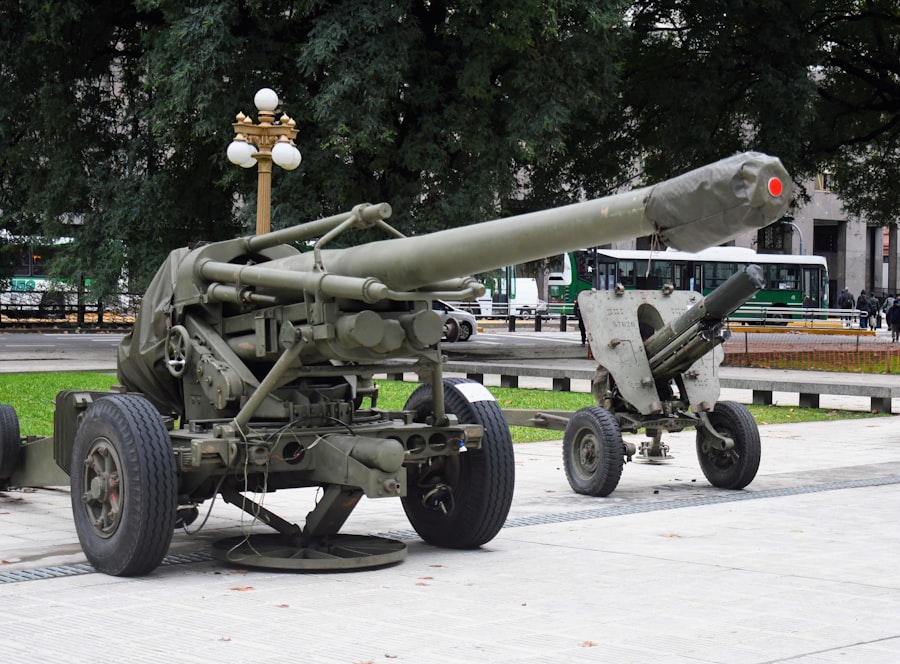
The lack of accountability surrounding failed weapons programs is a significant barrier to reforming defense spending practices. When government agencies are not held responsible for their decisions, there is little incentive to critically evaluate the effectiveness of ongoing projects. This absence of accountability allows failed programs to persist without meaningful scrutiny, resulting in continued financial waste and inefficiency.
Moreover, the bureaucratic nature of government decision-making can create an environment where accountability is diffused among multiple stakeholders. With various agencies involved in the procurement process, it becomes challenging to pinpoint responsibility for failures or mismanagement. This lack of clarity can lead to a culture where no one feels accountable for ensuring that taxpayer dollars are spent wisely, further entrenching the status quo and hindering efforts for reform.
The human cost: How failed weapons impact military personnel and civilians
The consequences of failed weapons programs extend beyond financial implications; they also have profound human costs. Military personnel rely on effective equipment and technology to carry out their missions safely and successfully. When weapons systems fail or underperform, soldiers may find themselves ill-equipped to face threats on the battlefield, jeopardizing their safety and effectiveness.
Civilians also bear the brunt of these failures, particularly in conflict zones where ineffective weaponry can lead to unintended consequences. Failed weapons may result in collateral damage or exacerbate existing tensions within communities. The human toll associated with these failures underscores the urgent need for reform in weapon procurement practices to ensure that both military personnel and civilians are protected from the repercussions of ineffective defense technologies.
Alternatives to failed weapons: Investing in more effective and efficient defense technologies
In light of the challenges posed by failed weapons programs, there is a pressing need for governments to explore alternative approaches to defense spending. Investing in more effective and efficient technologies can yield significant benefits for national security while minimizing wasteful expenditures. By prioritizing research and development initiatives that focus on innovative solutions, governments can enhance their military capabilities without falling into the trap of funding ineffective programs.
Moreover, collaboration with private sector innovators can lead to breakthroughs in defense technology that better meet the needs of military personnel and address emerging threats. By fostering partnerships between government agencies and private companies, policymakers can leverage expertise from diverse fields to develop cutting-edge solutions that enhance national security while ensuring responsible use of taxpayer funds.
Transparency and oversight: The need for greater scrutiny in weapon procurement
To address the issues surrounding failed weapons programs, there is an urgent need for greater transparency and oversight in weapon procurement processes. Implementing robust accountability measures can help ensure that taxpayer dollars are spent wisely and that ineffective programs are identified and terminated promptly. By establishing clear criteria for evaluating program performance and requiring regular reporting on outcomes, governments can foster a culture of accountability within defense spending.
Additionally, enhancing public access to information about weapon procurement decisions can empower citizens to hold their governments accountable for financial mismanagement.
The role of the media: How public awareness can help hold the government accountable for failed weapons
The media plays a crucial role in raising public awareness about issues related to failed weapons programs and government spending practices. Investigative journalism can uncover instances of wasteful expenditures and highlight the consequences of ineffective defense technologies on military personnel and civilians alike. By bringing these issues to light, the media can help galvanize public opinion around calls for reform in weapon procurement processes.
Furthermore, increased media scrutiny can pressure lawmakers to prioritize accountability and transparency in defense spending decisions. When citizens are informed about how their tax dollars are being spent—and wasted—they are more likely to demand change from their elected representatives. In this way, the media serves as a vital check on government power, ensuring that taxpayers have a voice in discussions about national security priorities.
The need for reform in weapon procurement to protect taxpayers and improve national security
The high cost of failed weapons programs represents a significant challenge for governments worldwide as they seek to balance national security needs with responsible fiscal management. To protect taxpayers from the burden of wasteful expenditures and ensure that military personnel have access to effective technologies, comprehensive reforms in weapon procurement practices are essential. By prioritizing accountability, transparency, and innovative solutions, governments can enhance their defense capabilities while safeguarding public trust.
Ultimately, addressing the issues surrounding failed weapons programs requires a concerted effort from policymakers, industry leaders, and citizens alike. By fostering collaboration between stakeholders and promoting informed discussions about national security priorities, it is possible to create a more efficient and effective defense procurement process that serves both taxpayers and military personnel effectively. In doing so, governments can ensure that they are prepared to meet emerging threats while upholding their responsibility to manage public funds judiciously.
Taxpayers often find themselves funding failed weapons systems, raising questions about accountability and efficiency in defense spending. A related article that delves into this issue is available at