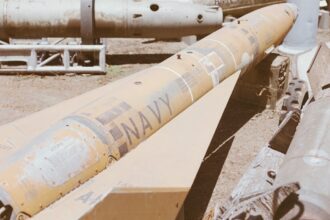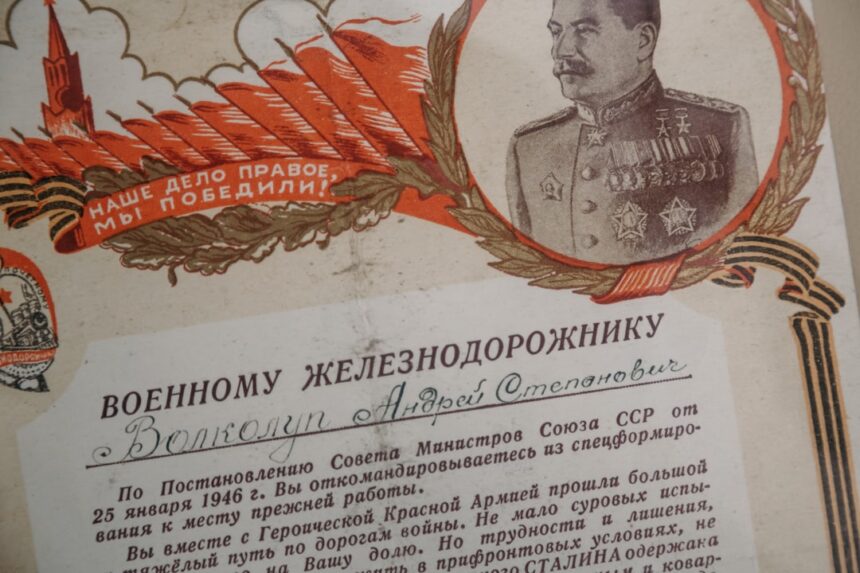
The Soviet Union, officially known as the Union of Soviet Socialist Republics (USSR), emerged in the aftermath of the Russian Revolution of 1917. This vast state, which spanned much of Eastern Europe and Northern Asia, was founded on the principles of Marxism-Leninism, aiming to create a classless society through the abolition of private property and the establishment of a planned economy. The USSR was a unique political entity that sought to unite various ethnic groups under a single socialist banner, promoting the idea of international communism while simultaneously grappling with the complexities of its diverse population.
At its height, the Soviet Union was a superpower, rivaling the United States in military strength and global influence. Throughout its existence, the Soviet Union underwent significant transformations, both politically and economically. The initial years were marked by civil war and the consolidation of power by the Bolsheviks, leading to the establishment of a one-party state.
Over the decades, the USSR became synonymous with state control over all aspects of life, from industry to culture. The ideological battle against capitalism defined much of its foreign policy, leading to a prolonged Cold War with Western nations. However, beneath the surface of this formidable facade lay deep-seated issues that would eventually contribute to its decline.
Key Takeaways
- The Soviet Union was a socialist state that existed from 1922 to 1991, and was the largest country in the world.
- Economic challenges and decline, including inefficiency, corruption, and a lack of innovation, contributed to the downfall of the Soviet Union.
- Political reforms and dissent, such as the rise of political opposition and the demand for greater freedom of speech, played a significant role in the collapse of the Soviet Union.
- Nationalist movements and breakaway republics, such as the Baltic states and Ukraine, sought independence from the Soviet Union, leading to its disintegration.
- Gorbachev’s reforms, including Glasnost (openness) and Perestroika (restructuring), aimed to modernize the Soviet Union but ultimately contributed to its downfall.
Economic Challenges and Decline
The economic structure of the Soviet Union was characterized by central planning and state ownership of resources. While this system initially facilitated rapid industrialization and military expansion, it soon revealed significant inefficiencies. The lack of competition stifled innovation, leading to stagnation in productivity and technological advancement.
By the 1970s, the economy began to show signs of distress, with shortages of consumer goods becoming commonplace. Citizens faced long lines for basic necessities, and the disparity between urban and rural areas became increasingly pronounced. Moreover, the heavy emphasis on military spending further strained the economy.
The arms race with the United States consumed vast resources that could have been allocated to improving living standards or modernizing infrastructure. As oil prices fluctuated in the 1980s, the Soviet economy, heavily reliant on energy exports, faced additional challenges. The combination of these factors created a perfect storm that led to widespread discontent among the populace and eroded faith in the government’s ability to manage the economy effectively.
Political Reforms and Dissent
As economic conditions worsened, political dissent began to surface within the Soviet Union. The rigid control exerted by the Communist Party stifled any form of opposition, but cracks in this authoritarian structure began to appear. Intellectuals, artists, and ordinary citizens started to voice their frustrations through various means, including samizdat literature—underground publications that circulated dissenting ideas.
This burgeoning dissent was not merely a reaction to economic hardship; it also reflected a growing desire for political reform and greater personal freedoms. In response to mounting pressure, some leaders within the Communist Party recognized the need for change. The late 1970s and early 1980s saw attempts at reform from within, as figures like Mikhail Gorbachev began advocating for policies that would allow for more openness and transparency in governance.
However, these efforts were often met with resistance from hardliners who feared that any loosening of control could lead to chaos. The struggle between reformists and conservatives set the stage for a dramatic transformation in Soviet politics.
Nationalist Movements and Breakaway Republics
| Country | Nationalist Movement | Breakaway Republic |
|---|---|---|
| Spain | Catalan independence movement | Republic of Catalonia |
| Ukraine | Donetsk People’s Republic | Donetsk |
| India | Kashmiri separatist movement | Azad Kashmir |
As political dissent grew, so too did nationalist sentiments among various ethnic groups within the Soviet Union. The USSR was a mosaic of republics, each with its own distinct culture and history. Many of these groups began to assert their identities more forcefully, demanding greater autonomy or outright independence from Moscow’s centralized authority.
The Baltic states—Estonia, Latvia, and Lithuania—were among the first to push back against Soviet rule, igniting a wave of nationalist movements across the region. These movements were fueled by a combination of historical grievances and contemporary frustrations with economic mismanagement. In places like Ukraine and Georgia, long-standing cultural identities clashed with Soviet ideology, leading to calls for self-determination.
The rise of nationalist movements posed a significant challenge to the integrity of the Soviet Union, as leaders in Moscow struggled to maintain control over increasingly restless republics. The situation became increasingly volatile as demands for independence grew louder, setting off a chain reaction that would ultimately contribute to the disintegration of the union.
Gorbachev’s Reforms and the Impact of Glasnost and Perestroika
Mikhail Gorbachev’s ascent to power in 1985 marked a turning point for the Soviet Union. Recognizing the dire need for reform, he introduced two key policies: glasnost (openness) and perestroika (restructuring). Glasnost aimed to promote transparency in government and encourage public discourse about social issues, while perestroika sought to revitalize the economy through limited market reforms and decentralization.
These initiatives were revolutionary in a system that had long suppressed dissent and controlled information. The impact of glasnost was profound; it allowed citizens to express their grievances openly for the first time in decades. Media outlets began reporting on previously taboo subjects such as corruption and human rights abuses, leading to a surge in public awareness and activism.
However, while these reforms initially garnered support from many citizens eager for change, they also unleashed forces that Gorbachev could not control. As people became more vocal about their demands for political freedom and national identity, calls for independence from various republics intensified, complicating Gorbachev’s vision for a reformed Soviet Union.
The Role of the United States and Western Powers
The geopolitical landscape during Gorbachev’s tenure was heavily influenced by external factors, particularly the role of the United States and other Western powers. The Cold War had created an atmosphere of intense rivalry between East and West, but Gorbachev’s willingness to engage in dialogue marked a significant shift in relations. His initiatives for arms reduction and cooperation on global issues were met with cautious optimism in Washington and other Western capitals.
The West’s response was multifaceted; while some leaders viewed Gorbachev as a potential partner in ending decades of hostility, others remained skeptical about his commitment to genuine reform. Economic assistance from Western nations became increasingly important as the Soviet economy faltered. However, this aid came with expectations for political liberalization and adherence to democratic principles.
The interplay between Gorbachev’s reforms and Western influence created a complex dynamic that ultimately shaped both domestic policies within the USSR and its international standing.
The August Coup and the End of the Communist Party’s Rule
In August 1991, a failed coup attempt by hardline Communist Party members marked a critical juncture in Soviet history. Alarmed by Gorbachev’s reforms and growing nationalist movements, these hardliners sought to restore traditional party control through force. They detained Gorbachev while attempting to impose martial law in Moscow.
However, their efforts were met with widespread public resistance led by figures like Boris Yeltsin, who rallied citizens against the coup from atop a tank outside the Russian White House. The coup’s failure not only signaled a decisive blow to hardline communism but also accelerated calls for independence among various republics. In its aftermath, Yeltsin emerged as a prominent leader advocating for democratic reforms and market-oriented policies.
The coup revealed deep divisions within the Communist Party itself and underscored its waning authority over an increasingly disillusioned populace. This pivotal moment effectively marked the end of Communist Party rule in Russia and set into motion events that would lead to the dissolution of the Soviet Union.
The Disintegration of the Soviet Union
The disintegration of the Soviet Union was not an overnight phenomenon but rather a culmination of years of political turmoil, economic decline, and rising nationalism. Following the failed coup in August 1991, republics began declaring their independence at an unprecedented pace. Ukraine, Belarus, and Kazakhstan were among those that swiftly moved to assert their sovereignty from Moscow’s control.
By December 1991, it became clear that the once-mighty union was unraveling as leaders from Russia, Ukraine, and Belarus met in Belavezha Forest to declare that the USSR had ceased to exist. The formal dissolution was marked by both relief and uncertainty among citizens across former Soviet republics. While many celebrated newfound independence and freedom from oppressive rule, others faced challenges related to economic instability and political fragmentation.
The transition from a centrally planned economy to market-oriented systems proved difficult for many nations as they grappled with issues such as inflation, unemployment, and social unrest.
The Legacy of the Soviet Union’s Collapse
The collapse of the Soviet Union left an indelible mark on global politics and society. It not only ended decades of Cold War tensions but also reshaped international relations as former Soviet republics sought their place on the world stage. The ideological battle between communism and capitalism shifted dramatically as many nations embraced democratic governance and market economies while others struggled with political instability.
Issues such as ethnic tensions, economic disparities, and governance challenges persisted as newly independent nations navigated their paths forward. The collapse also served as a cautionary tale about authoritarianism’s fragility; it highlighted how systemic issues could lead to rapid change when combined with popular dissent.
The Impact on Eastern Europe and Central Asia
The disintegration of the Soviet Union had profound implications for Eastern Europe and Central Asia. Countries that had been under Soviet influence or direct control experienced significant shifts in their political landscapes as they sought independence or redefined their relationships with Russia. Nations like Poland and Hungary embraced democratic reforms while others faced challenges related to nationalism and ethnic conflict.
In Central Asia, former Soviet republics such as Kazakhstan and Uzbekistan grappled with issues related to governance and economic transition. While some leaders maintained authoritarian control in an effort to stabilize their nations during tumultuous times, others faced popular uprisings demanding greater freedoms. The legacy of Soviet rule continued to shape regional dynamics as countries navigated their post-Soviet identities amid ongoing geopolitical tensions.
Lessons Learned from the Collapse of the Soviet Union
The collapse of the Soviet Union offers valuable lessons about governance, economic management, and societal resilience. One key takeaway is that authoritarian regimes can become vulnerable when they fail to address systemic issues such as economic stagnation or public discontent. Additionally, it underscores the importance of adaptability; societies must be able to evolve in response to changing circumstances rather than cling rigidly to outdated ideologies.
Furthermore, it highlights how nationalism can serve both as a unifying force for oppressed groups seeking self-determination while also posing challenges related to ethnic tensions within diverse societies. Ultimately, understanding these dynamics is crucial for contemporary leaders navigating complex political landscapes around the world today. In conclusion, while the collapse of the Soviet Union marked an end to an era characterized by ideological conflict between East and West, it also opened new avenues for exploration regarding governance models and societal aspirations across former communist states.
As nations continue grappling with their legacies today—both positive and negative—the lessons learned from this historical moment remain relevant in shaping future trajectories toward democracy and stability.
In analyzing the end of the Soviet Union, it is essential to consider the broader geopolitical implications that followed this significant event. A related article that delves into the aftermath and the shifting dynamics in Eastern Europe can be found at this link. This article provides valuable insights into how the dissolution of the Soviet Union reshaped international relations and influenced the rise of new nations in the post-Cold War era.
WATCH THIS! The War That Secretly Bankrupted An Empire: How Afghanistan Destroyed the USSR
FAQs
What led to the end of the Soviet Union?
The end of the Soviet Union was primarily caused by a combination of internal and external factors. Internally, economic stagnation, political repression, and ethnic tensions contributed to the decline of the Soviet state. Externally, the arms race with the United States and the costly war in Afghanistan strained the Soviet economy and military.
When did the Soviet Union officially dissolve?
The Soviet Union officially dissolved on December 26, 1991, when the leaders of Russia, Ukraine, and Belarus signed the Belavezha Accords, declaring the end of the Soviet Union and establishing the Commonwealth of Independent States (CIS).
What were the consequences of the Soviet Union’s dissolution?
The dissolution of the Soviet Union had far-reaching consequences, including the emergence of independent states in Eastern Europe and Central Asia, the end of the Cold War, and the transition of former Soviet republics to market economies and democratic systems. It also led to the reconfiguration of global power dynamics.
How did the end of the Soviet Union impact the world?
The end of the Soviet Union had a significant impact on the world, leading to a shift in global politics and the emergence of new geopolitical realities. It also affected international relations, trade, and security dynamics, as well as the spread of democracy and market economies in former Soviet republics.