The Cold War, a period of geopolitical tension and ideological confrontation, spawned numerous clandestine operations, many of which remain shrouded in mystery. Among these, Project Azorian stands as a monumental testament to American ingenuity, strategic ambition, and the lengths to which superpowers would go to gain an advantage. This audacious undertaking, a deep-sea recovery operation, sought to retrieve a sunken Soviet submarine, the K-129, from the Pacific Ocean floor. Understanding Project Azorian requires delving into the intricate web of espionage, technological prowess, and political maneuvering that defined the era.
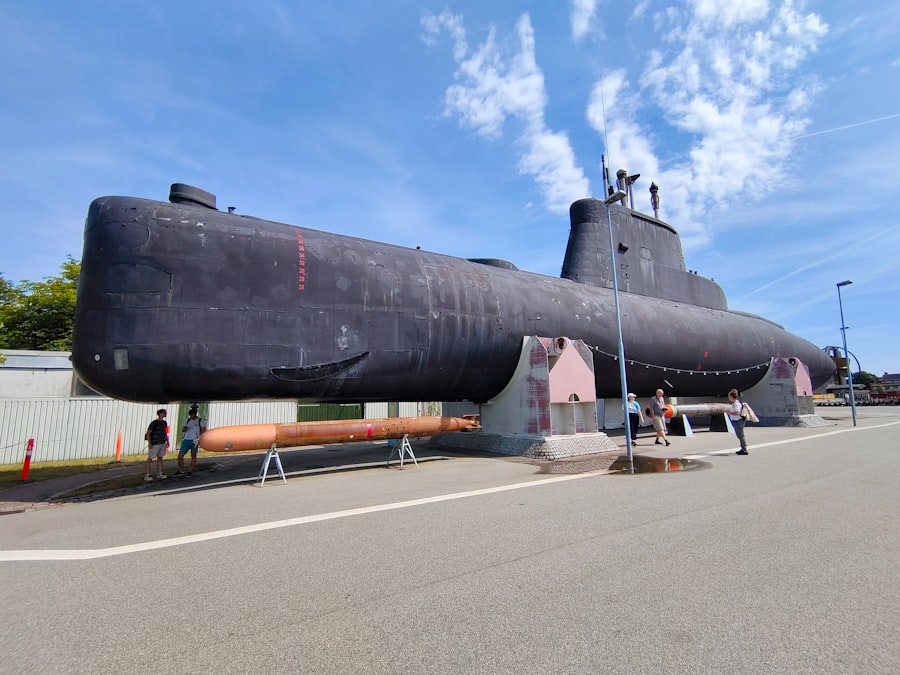
The story of Project Azorian begins with a tragedy at sea. In early March 1968, the Soviet Golf II-class submarine K-129, a conventionally powered vessel armed with three R-21 nuclear-tipped ballistic missiles, departed from its base in Petropavlovsk-Kamchatsky, bound for a patrol area north of Midway Island. However, the submarine never reached its destination. It vanished without a trace, leaving the Soviet command baffled and concerned. For weeks, Soviet naval forces conducted extensive search operations, but their efforts proved fruitless. The K-129, along with its 98 crew members, seemed to have been swallowed by the vast Pacific.
Unexplained Disappearance
The exact cause of the K-129’s sinking remains a subject of ongoing debate and speculation. Several theories have been proposed over the years, ranging from an internal explosion to a collision with another vessel.
- Internal Explosion: One prominent theory suggests that a propulsion system malfunction, possibly involving an issue with an air flask or a torpedo explosion, led to a catastrophic internal event. This could have compromised the submarine’s hull integrity, causing it to rapidly flood and sink. Evidence gathered during the Azorian recovery, particularly observations of the submarine’s wreckage, lent some credence to this theory.
- Collision Hypothesis: Another theory posits a collision with a U.S. Navy submarine. During the Cold War, cat-and-mouse games between American and Soviet submarines were commonplace. While direct evidence of such a collision was never definitively proven, the heavily trafficked waters of the Pacific theater made it a plausible, albeit unconfirmed, scenario for some observers.
- Mechanical Failure: Less dramatic but equally fatal, a severe mechanical failure, perhaps in a critical pressure hull component or a control system, could have caused the K-129 to lose depth control and plunge beyond its structural limits.
Regardless of the precise cause, the loss of the K-129 presented an unprecedented intelligence opportunity for the United States. Its nuclear missiles, cryptographic equipment, and operational manuals held immense strategic value.
Project Azorian, a covert operation by the CIA during the Cold War, aimed to recover a sunken Soviet submarine from the depths of the Pacific Ocean, highlighting the intense underwater espionage activities of the era. This operation not only showcased the technological advancements of the time but also underscored the lengths to which both superpowers would go to gain an advantage in the submarine warfare arena. For a deeper understanding of the strategic implications and the broader context of submarine warfare during the Cold War, you can read a related article at this link.
The Whispers in the Deep: American Intelligence Gathers Clues
Even as the Soviets struggled to locate their lost submarine, the United States was already piecing together the puzzle. A sophisticated network of hydrophones and advanced surveillance technology, collectively known as the Sound Surveillance System (SOSUS), had detected anomalous acoustic events in the Pacific. SOSUS, a secret network of underwater listening posts, was designed to track Soviet submarines.
SOSUS Detection
In early March 1968, SOSUS operators registered a series of distinct sound events originating from the Pacific. These signals, characterized by an initial implosion followed by subsequent breaking-up sounds, were inconsistent with natural phenomena or known naval exercises.
- Acoustic Signatures: Analysis of these acoustic signatures suggested the catastrophic failure of a large metallic object, consistent with the implosion of a submarine hull under immense pressure. The temporal and spatial correlation of these events provided the first concrete evidence of the K-129’s likely fate and approximate resting place.
- Triangulation and Localization: By triangulating the acoustic data from multiple SOSUS arrays, U.S. intelligence analysts were able to narrow down the K-129’s probable location to a relatively small area of the Pacific Ocean, approximately 1,560 miles northwest of Hawaii, at a staggering depth of over 16,000 feet (4,900 meters). This precise localization was a triumph of signals intelligence and a crucial first step in any recovery effort.
With the K-129’s location pinpointed, the challenge shifted from discovery to retrieval. The immense depth, coupled with the sensitivity of the information contained within the submarine, demanded a covert and highly innovative approach.
The Genesis of Azorian: A Covert Endeavor Takes Shape
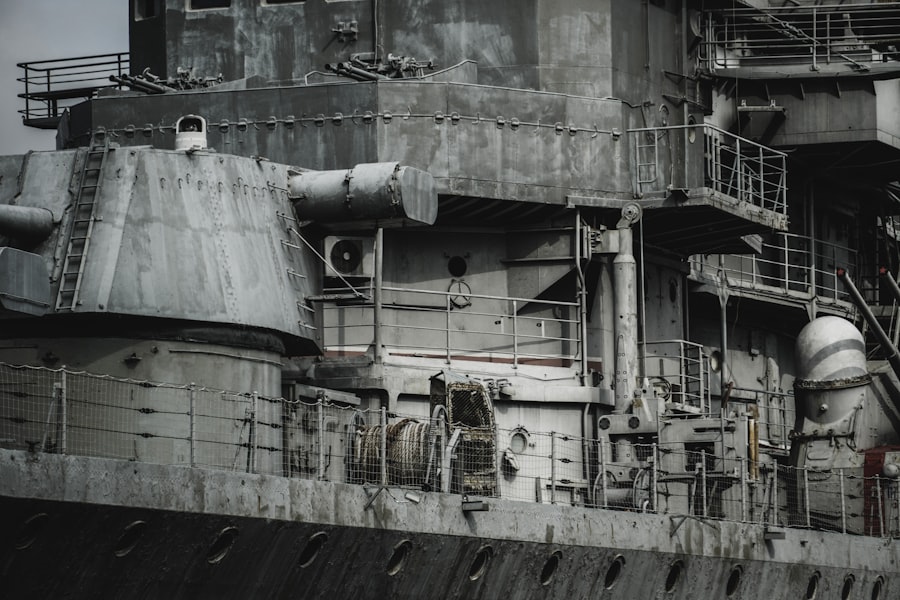
The prospect of recovering a Soviet nuclear-armed submarine was audacious in the extreme. It presented immense technical challenges, significant geopolitical risks, and the imperative of absolute secrecy. The Central Intelligence Agency (CIA) was tasked with orchestrating this unprecedented operation.
Project Leadership and Funding
The sheer scale and complexity of Azorian necessitated top-level involvement and substantial resources.
- CIA Oversight: The CIA, with its expertise in covert operations and access to substantial black-budget funding, was deemed the most suitable agency to lead the project. Director of Central Intelligence (DCI) Richard Helms gave the project his full backing, recognizing its immense intelligence potential.
- Hughes’ Involvement: To provide a plausible cover story, the CIA enlisted the help of eccentric billionaire Howard Hughes. Hughes’ reputation for secrecy, his involvement in aerospace and deep-sea exploration ventures, and his access to significant financial resources made him an ideal front man. His company, Summa Corporation, would publicly undertake the construction of a deep-sea mining vessel, the Glomar Explorer, ostensibly for manganese nodule mining. This elaborate deception was intended to mask the true purpose of the vessel and its highly specialized equipment.
The collaboration between the CIA and Hughes was a masterstroke of Cold War subterfuge, giving Azorian the veneer of a legitimate commercial enterprise.
The Glomar Explorer: A Marvel of Engineering
The centerpiece of Project Azorian was a purpose-built vessel of extraordinary capabilities: the Hughes Glomar Explorer. This ship was not merely a mining vessel; it was a floating engineering marvel, specifically designed to operate at extreme depths and perform a task previously considered impossible.
Design and Construction
The Glomar Explorer was a triumph of Cold War engineering, incorporating cutting-edge technology and innovative design principles.
- The Moon Pool: At the heart of the Glomar Explorer‘s design was its massive “moon pool,” a central opening in the hull that could be flooded to allow for the deployment and retrieval of large objects. This innovative feature, typically found in offshore drilling rigs, was adapted and scaled for the unprecedented task of recovering portions of a sunken submarine.
- The Claw (Capture Vehicle): The most critical component of the recovery system was the “mechanical claw,” officially known as the Capture Vehicle or “Clementine.” This colossal grappling device, weighing hundreds of tons, was designed to be lowered through the moon pool, grasp the K-129, and lift it to the surface. It featured multiple articulated arms and powerful hydraulic systems capable of exerting immense crushing force, yet also delicate enough for the intended task.
- Heave Compensation System: To counteract the effects of ocean swells and maintain stability during the delicate lifting operation, the Glomar Explorer was equipped with a sophisticated heave compensation system. This system allowed the vessel to dynamically adjust its position, ensuring a steady ascent of the Capture Vehicle and minimizing stress on the wreck.
The construction of the Glomar Explorer and its specialized recovery equipment was a clandestine undertaking in itself, involving numerous contractors working under strict security protocols.
Stealth and Secrecy Measures
Maintaining the secrecy of Project Azorian was paramount, a constant cat-and-mouse game with Soviet intelligence.
- The “Manganese Nodule” Cover: The official cover story of deep-sea manganese nodule mining was meticulously crafted and disseminated through public relations channels. Hughes’ eccentric persona and genuine interest in such ventures lent credibility to the deception.
- Operational Security: Crews working on the Glomar Explorer and its associated equipment were subjected to rigorous vetting and security clearances. Knowledge of the operation was compartmented, with individual teams often only aware of their specific tasks, not the overarching objective.
- Soviet Surveillance: Despite the elaborate precautions, Soviet intelligence remained vigilant. Upon the Glomar Explorer‘s deployment to the recovery site, Soviet naval vessels, including intelligence-gathering ships and tugboats, were observed tracking the American vessel, attempting to discern its true mission. This constant surveillance heightened the tension and added another layer of complexity to the already challenging operation.
You, the reader, can imagine the pressure on the minds of the project managers, knowing that Soviet eyes were constantly watching, meticulously cataloging every perceived anomaly.
The covert operations during the Cold War, particularly Project Azorian, highlight the intense underwater battles that defined this era of espionage and military strategy. For a deeper understanding of the submarine warfare tactics employed during this time, you can explore a related article that delves into the intricacies of these underwater conflicts. This article provides valuable insights into how nations navigated the treacherous waters of espionage and technology. To read more about these fascinating developments, visit this link.
The Deep-Sea Odyssey: The Recovery Attempt
| Aspect | Project Azorian | Cold War Submarine Warfare |
|---|---|---|
| Time Period | 1974 | 1947–1991 |
| Primary Objective | Recovery of Soviet submarine K-129 from ocean floor | Naval dominance, intelligence gathering, and deterrence |
| Submarine Type Involved | Soviet Golf II-class ballistic missile submarine (K-129) | Various classes including nuclear ballistic missile subs, attack subs |
| Technology Used | Glomar Explorer deep-sea recovery ship with specialized lifting equipment | Sonar, nuclear propulsion, missile technology, stealth technology |
| Secrecy Level | Highly classified, cover story of manganese nodule mining | Extensive espionage and counter-espionage operations |
| Outcome | Partial recovery of submarine; some materials lost during lift | Ongoing strategic balance and technological advancements |
| Significance | One of the most ambitious covert operations of the Cold War | Defined naval strategy and global power dynamics during Cold War |
In the summer of 1974, after years of planning and preparation, the Glomar Explorer finally reached the designated recovery site in the Pacific Ocean. The stage was set for the audacious endeavor to salvage the K-129.
Lowering the Claw
The process of lowering the massive Capture Vehicle to the ocean floor was a slow and painstaking operation. It was like lowering a delicate, yet immensely heavy, surgical instrument 16,000 feet down, in conditions of perpetual darkness and immense pressure.
- Precise Maneuvering: The Glomar Explorer had to maintain a precise position over the target, utilizing its dynamic positioning system in conjunction with acoustic transponders on the seabed. This was crucial for accurately guiding the Capture Vehicle to the K-129’s wreckage.
- Visual Confirmation: Remote-controlled underwater vehicles (ROVs) equipped with powerful lights and cameras were deployed to provide visual confirmation of the K-129’s location and orientation. These ROVs acted as the eyes of the operators on the surface, navigating the crushing depths and relaying real-time imagery of the sunken submarine.
- Grasping the Wreckage: After several days, the Capture Vehicle successfully engaged a significant portion of the K-129’s forward section. The operators, relying on sonar and visual feedback, painstakingly manipulated the claw’s hydraulic arms to secure their grip on the battered remains of the submarine.
The initial engagement was a moment of triumph, a testament to the engineering and operational precision of Azorian.
Unexpected Complications
However, the deep ocean is an unforgiving environment, and the recovery operation did not proceed without significant challenges.
- Structural Integrity: As the colossal claw began its slow ascent, lifting the immense weight of the submarine’s forward section, the K-129’s fragile, rust-weakened hull began to fracture. The tremendous stresses exerted during the lift, combined with the structural damage sustained during the sinking, proved to be too much.
- The Breakaway: Approximately halfway to the surface, a major portion of the K-129’s wreckage broke away from the Capture Vehicle and plunged back toward the ocean floor. This was a devastating setback, effectively halving the potential intelligence haul. The remaining retrieved portion consisted mainly of the forward section, including some torpedo tubes, cryptographic equipment, and the bodies of six Soviet submariners.
- Limited Recovery: Despite the partial loss of the submarine, the retrieved section still represented an invaluable intelligence prize. It contained crucial equipment and the remains of the crew members, providing insights into Soviet naval technology and the tragic fate of the K-129.
The Aftermath and Legacy
The partial recovery of the K-129, while not a complete success, yielded significant intelligence benefits for the United States. Furthermore, the very existence of Project Azorian became a flashpoint in the ongoing Cold War.
Intelligence Gains
The retrieved section of the K-129 proved to be a treasure trove of intelligence.
- Cryptographic Equipment: Among the most prized finds was the submarine’s cryptographic equipment. While it had been compromised by seawater, forensic analysis allowed U.S. intelligence agencies to gain insights into Soviet encryption techniques, potentially aiding in breaking other Soviet codes. This was akin to finding a dictionary to a secret language.
- Torpedo Technology: The examination of the retrieved torpedoes provided detailed information on Soviet torpedo design, capabilities, and guidance systems. This intelligence allowed the U.S. Navy to develop countermeasures and improve its anti-submarine warfare tactics.
- Nuclear Materials: While the nuclear missiles themselves were not recovered, the presence of nuclear materials and components within the retrieved section offered valuable data on Soviet nuclear weapon design and safety protocols.
The intelligence gleaned from the K-129 wreckage was incorporated into U.S. intelligence assessments, contributing to a better understanding of Soviet naval capabilities.
The Exposure and the “Glomar Response”
The secrecy surrounding Project Azorian was eventually breached.
- Media Leaks: In 1975, reports about the CIA’s audacious recovery project began to surface in the American media, most notably in the Los Angeles Times. These leaks revealed the true purpose of the Glomar Explorer and the extraordinary lengths to which the U.S. had gone to recover the K-129.
- The “Glomar Response”: In response to media inquiries and Freedom of Information Act (FOIA) requests regarding Project Azorian, the CIA famously issued what became known as the “Glomar Response.” This response stated, “We can neither confirm nor deny the existence or nonexistence of the information requested.” This phrase became a standard legal precedent for government agencies wishing to avoid disclosing classified information, effectively stone-walling further public inquiry.
The public exposure of Azorian, while damaging to its operational secrecy, also highlighted the exceptional reach and capabilities of American intelligence.
Repatriation of Remains
In an act of humanitarian gesture and diplomatic overture, the United States, through the CIA, recorded a burial at sea ceremony for the six Soviet submariners whose remains were recovered from the K-129. This footage was later provided to the Russian government in 1992, offering a measure of closure to the families of the lost crewmen. This act, coming decades after the Cold War, underscored a rare moment of humanity in a period often characterized by antagonism.
Project Azorian stands as a potent symbol of Cold War maneuvering. It was an operation of immense scale and complexity, a high-stakes gamble in the shadowy world of espionage and intelligence gathering. While not entirely successful in its initial goal of recovering the entire submarine, it demonstrated the staggering technological prowess that nations were willing to deploy in their covert pursuit of strategic advantage. It reminds us, the readers, of a time when the ocean depths themselves became a battleground in a silent, yet ever-present, global conflict.
WARNING: The $800 Million Mechanical Failure That Almost Started WWIII
FAQs
What was Project Azorian?
Project Azorian was a secret CIA operation during the Cold War aimed at recovering a sunken Soviet submarine, K-129, from the Pacific Ocean floor in 1974. The project involved the use of the specially designed ship, the Hughes Glomar Explorer, to covertly raise the submarine for intelligence purposes.
Why was the recovery of the Soviet submarine important during the Cold War?
The recovery was important because the Soviet submarine K-129 contained valuable intelligence, including cryptographic materials, missile technology, and nuclear weapons information. Accessing this data could provide the United States with strategic advantages in the Cold War.
How did Project Azorian relate to the broader Cold War submarine conflict?
Project Azorian was part of the broader Cold War submarine war, which involved extensive underwater espionage, surveillance, and naval confrontations between the US and the Soviet Union. Recovering the submarine was an intelligence-gathering effort to gain insights into Soviet naval capabilities and technology.
What challenges did Project Azorian face during the recovery operation?
The operation faced significant technical challenges, including the depth of the ocean floor (about 16,500 feet), the fragile condition of the submarine wreck, and the need for secrecy to avoid detection by the Soviets. The recovery equipment had to be highly specialized and innovative to succeed.
What was the outcome of Project Azorian?
Project Azorian partially succeeded in recovering a portion of the Soviet submarine, but much of the wreckage was lost during the lift. Despite this, the operation yielded some valuable intelligence. The project remained classified for many years and is considered one of the most ambitious covert operations of the Cold War.