Nuclear deterrence strategy originated in the immediate aftermath of World War II, when the development and use of atomic weapons fundamentally transformed military doctrine and international relations. The United States became the first nation to possess nuclear weapons, deploying atomic bombs against Hiroshima and Nagasaki in August 1945. This demonstration of nuclear capability revealed the unprecedented destructive potential of these weapons, capable of destroying entire urban centers and causing massive civilian casualties.
The introduction of nuclear weapons necessitated a fundamental shift in strategic thinking. Traditional military doctrine, which emphasized offensive capabilities and territorial conquest, gave way to deterrence theory. This new approach prioritized preventing conflict through the threat of unacceptable retaliation rather than achieving victory through conventional military means.
The core principle of nuclear deterrence rested on the assumption that rational adversaries would refrain from aggressive actions if faced with the prospect of devastating nuclear response. The emergence of the Cold War between the United States and Soviet Union accelerated the development of deterrence doctrine. The Soviet Union conducted its first successful nuclear test in 1949, ending the American nuclear monopoly and establishing a bipolar nuclear balance.
This development prompted both superpowers to expand their nuclear arsenals and refine their strategic doctrines. The ideological competition between capitalist and communist systems intensified the nuclear arms race, as each side sought to maintain strategic parity and credible deterrent capabilities. During this period, military strategists and policymakers developed formal deterrence theories that would guide nuclear policy for decades.
These doctrines emphasized the necessity of maintaining survivable nuclear forces capable of inflicting unacceptable damage on an adversary, even after absorbing a first strike. The concept of mutual assured destruction emerged as a cornerstone of strategic stability, based on the premise that neither side would initiate nuclear conflict if both possessed the ability to guarantee the other’s destruction.
Key Takeaways
- Nuclear deterrence strategy originated to prevent direct conflict through the threat of overwhelming retaliation.
- Mutually Assured Destruction (MAD) became a central concept ensuring that nuclear war would be catastrophic for all parties.
- The nuclear triad (land, sea, and air-based weapons) was developed to maintain a credible and survivable deterrent.
- Key diplomatic efforts like the Strategic Arms Limitation Talks (SALT) aimed to control and reduce nuclear arsenals.
- The Cold War shaped deterrence policies, with crises like the Cuban Missile Crisis highlighting the delicate balance of power and the role of proxy wars.
The Role of Mutually Assured Destruction
Mutually Assured Destruction (MAD) became a cornerstone of nuclear deterrence strategy during the Cold War, encapsulating the idea that both superpowers possessed enough nuclear capability to ensure total annihilation in the event of a conflict. This doctrine was predicated on the understanding that if one nation launched a nuclear strike, the other would respond with equal or greater force, resulting in catastrophic consequences for both parties. The chilling logic of MAD served as a deterrent against direct military confrontation, as leaders recognized that no victory could be achieved without incurring devastating losses.
The implications of MAD extended beyond mere military calculations; it also influenced diplomatic relations and strategic decision-making. Leaders were compelled to consider not only their own military capabilities but also those of their adversaries. This delicate balance created an environment where miscalculations or misunderstandings could have dire consequences.
The psychological aspect of MAD played a significant role in shaping international relations, as both superpowers engaged in a high-stakes game of brinkmanship, constantly assessing each other’s resolve and capabilities. In this context, MAD became more than just a military doctrine; it evolved into a framework for understanding the complexities of power dynamics during a time when the threat of nuclear war loomed large.
The Development of Nuclear Arsenal

The development of nuclear arsenals during the Cold War was characterized by rapid advancements in technology and an escalating arms race between the United States and the Soviet Union. Both nations sought to enhance their nuclear capabilities, leading to the creation of increasingly sophisticated weapons systems. The initial atomic bombs were soon followed by hydrogen bombs, which were exponentially more powerful and capable of causing widespread devastation.
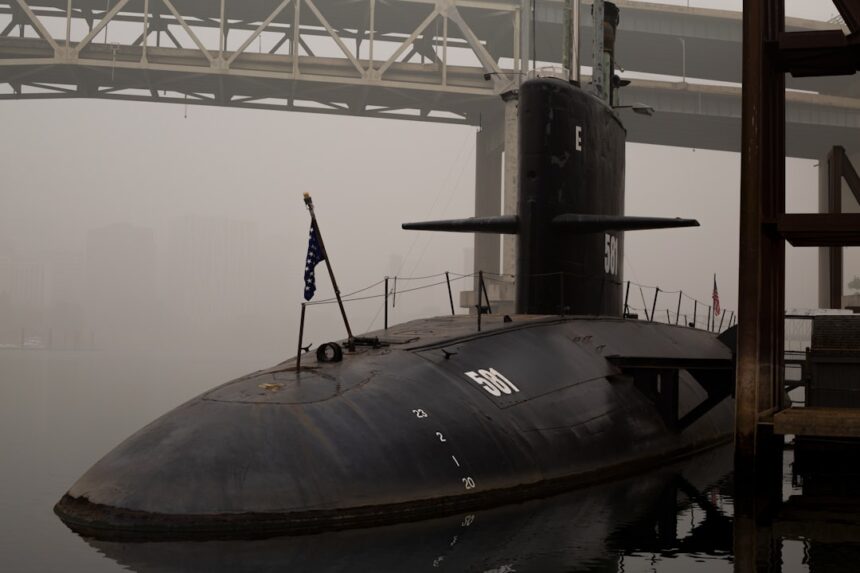
This relentless pursuit of superiority resulted in stockpiles of nuclear warheads that could obliterate entire nations multiple times over. As each superpower sought to outpace the other, various delivery systems were developed to ensure that nuclear weapons could reach their intended targets with precision and speed. Intercontinental ballistic missiles (ICBMs), submarine-launched ballistic missiles (SLBMs), and strategic bombers became integral components of national defense strategies.
The diversification of delivery methods not only enhanced deterrence but also complicated the strategic calculus for both sides. The sheer scale and complexity of these arsenals underscored the gravity of the situation, as policymakers grappled with the implications of possessing such destructive power. The development of nuclear arsenals thus became a defining feature of international relations during this era, shaping alliances, rivalries, and global security dynamics.
The Strategic Arms Limitation Talks (SALT)
In response to the escalating arms race and the growing recognition of the dangers posed by unchecked nuclear proliferation, the Strategic Arms Limitation Talks (SALT) emerged as a pivotal moment in Cold War diplomacy. Initiated in the late 1960s, SALT aimed to establish frameworks for limiting the number of strategic ballistic missile launchers and nuclear warheads held by both superpowers. These negotiations marked a significant shift from competition to cooperation, as both sides acknowledged the need for dialogue to mitigate the risks associated with their vast arsenals.
The SALT agreements represented a cautious step toward arms control, reflecting a mutual understanding that continued escalation could lead to catastrophic consequences. While SALT I, signed in 1972, imposed limits on certain types of delivery systems, it did not address all aspects of nuclear arsenals comprehensively. Nevertheless, it laid the groundwork for future negotiations and demonstrated that even amidst intense rivalry, there was potential for dialogue and compromise.
SALT II followed in 1979, furthering efforts to curtail arms buildup, although it faced challenges due to changing political dynamics and concerns over compliance. Ultimately, SALT highlighted the complexities of balancing national security interests with global stability, illustrating how diplomacy could play a crucial role in shaping nuclear deterrence strategies.
The Role of Nuclear Triad in Deterrence
| Aspect | Description | Key Metrics | Significance |
|---|---|---|---|
| Mutually Assured Destruction (MAD) | Doctrine where both superpowers possessed enough nuclear weapons to destroy each other, deterring first strike. | ~30,000 total warheads (US & USSR peak) | Prevented direct large-scale conflict between US and USSR. |
| Second-Strike Capability | Ability to respond with powerful nuclear retaliation after absorbing a first strike. | Submarine-launched ballistic missiles (SLBMs) deployed on nuclear submarines | Ensured credible deterrence by guaranteeing retaliation. |
| Strategic Triad | Combination of land-based ICBMs, submarine-launched missiles, and strategic bombers. | ICBMs: ~1,000; SLBMs: ~600; Bombers: ~200 (US peak) | Enhanced survivability and flexibility of nuclear forces. |
| Arms Control Treaties | Agreements to limit or reduce nuclear arsenals and delivery systems. | SALT I & II, START I & II, INF Treaty | Helped reduce risk of nuclear war and build trust. |
| Early Warning Systems | Radar and satellite systems to detect incoming missile attacks. | Over 20 radar stations and multiple satellites | Provided critical time for decision-making and response. |
| Deterrence by Punishment | Threat of overwhelming retaliation to prevent enemy attack. | High-yield thermonuclear warheads (up to 25 megatons) | Discouraged adversaries from initiating conflict. |
| Flexible Response | Strategy allowing proportional retaliation options, not just all-out nuclear war. | Deployment of tactical nuclear weapons (~7,000) | Provided more nuanced deterrence and crisis management. |
The concept of a nuclear triad emerged as a critical component of deterrence strategy during the Cold War, representing a three-pronged approach to ensuring national security through land-based missiles, submarine-launched missiles, and strategic bombers. This diversification was designed to enhance survivability and retaliatory capability, ensuring that even if one leg of the triad was compromised in a surprise attack, others would remain operational and capable of delivering a devastating response. The triad’s existence underscored the belief that redundancy was essential for effective deterrence.
Each leg of the triad played a unique role in shaping strategic calculations. Land-based ICBMs provided rapid response capabilities, while SLBMs offered stealth and survivability due to their deployment on submarines hidden beneath ocean depths. Strategic bombers added flexibility and adaptability to deterrent strategies, capable of being deployed quickly and providing visible assurance to allies.
Together, these components created a robust deterrent posture that complicated adversaries’ decision-making processes. The presence of a nuclear triad not only reinforced national security but also served as a powerful symbol of military strength on the global stage.
The Evolution of Deterrence Policy during the Cold War
Throughout the Cold War, deterrence policy evolved in response to changing geopolitical landscapes and technological advancements. Initially characterized by a binary approach focused on preventing direct conflict between superpowers, deterrence strategies gradually incorporated more nuanced considerations as new threats emerged. The introduction of tactical nuclear weapons and advancements in missile technology prompted policymakers to reassess their strategies and adapt to evolving military doctrines.
As conflicts erupted around the globe—such as those in Korea and Vietnam—deterrence policy began to encompass regional dynamics and proxy wars. The realization that conventional conflicts could escalate into nuclear confrontations led to an increased emphasis on flexible response strategies. This evolution reflected an understanding that deterrence was not solely about maintaining large arsenals but also about demonstrating resolve and credibility in various contexts.
As tensions fluctuated throughout the Cold War, so too did approaches to deterrence, highlighting its dynamic nature and the necessity for continuous adaptation in an ever-changing international landscape.
The Cuban Missile Crisis and its Impact on Deterrence Strategy
The Cuban Missile Crisis stands as one of the most significant events in Cold War history, profoundly impacting deterrence strategy on both sides. In October 1962, the discovery of Soviet missiles stationed in Cuba brought the world to the brink of nuclear war. The crisis underscored the precarious nature of nuclear deterrence; both superpowers faced immense pressure to respond decisively while avoiding escalation into full-scale conflict.
The standoff revealed vulnerabilities within existing deterrence frameworks and highlighted the importance of communication and diplomacy in managing crises. In the aftermath of the crisis, both nations recognized that reliance solely on military capabilities was insufficient for ensuring stability.
Additionally, lessons learned from this tense episode prompted shifts in deterrence policy toward greater emphasis on crisis management and conflict resolution strategies. The Cuban Missile Crisis ultimately reinforced the notion that effective deterrence required not only military strength but also diplomatic engagement and strategic foresight.
The Role of Proxy Wars in Deterrence
Proxy wars emerged as a defining feature of Cold War geopolitics, influencing deterrence strategies on both sides as superpowers sought to extend their influence without engaging directly in conflict. These indirect confrontations allowed nations to test their military capabilities while avoiding full-scale war—a delicate balancing act that underscored the complexities inherent in nuclear deterrence. By supporting allied factions or governments around the world, both superpowers aimed to project power while minimizing risks associated with direct confrontation.
The implications of proxy wars for deterrence were profound; they created environments where conventional conflicts could escalate into nuclear confrontations if miscalculations occurred. As each side sought to assert dominance through proxy engagements—such as those seen in Vietnam or Afghanistan—policymakers had to navigate intricate webs of alliances and rivalries while remaining acutely aware of their adversaries’ capabilities. This dynamic added layers of complexity to deterrence strategies, necessitating careful consideration of regional contexts and potential escalation pathways.
The Impact of Deterrence on International Relations
Deterrence has had far-reaching implications for international relations beyond just military strategy; it has shaped diplomatic interactions and influenced global power dynamics throughout history. The existence of nuclear weapons fundamentally altered how states approached conflict resolution and alliance formation. Nations recognized that possessing or lacking nuclear capabilities could significantly impact their standing on the world stage—leading some countries to pursue their own nuclear programs while others sought security guarantees from established powers.
Moreover, deterrence has fostered an environment where states are compelled to engage in arms control negotiations and diplomatic dialogues aimed at reducing tensions. Initiatives such as non-proliferation treaties reflect an understanding that unchecked proliferation poses risks not only to individual nations but also to global stability as a whole. As countries navigate this complex landscape shaped by deterrent capabilities, they must balance national interests with collective security concerns—an ongoing challenge that continues to define international relations today.
The End of the Cold War and its Impact on Deterrence Strategy
The end of the Cold War marked a significant turning point for nuclear deterrence strategy as geopolitical dynamics shifted dramatically with the dissolution of the Soviet Union in 1991. This transition prompted reevaluations of existing doctrines and led many policymakers to question whether traditional notions of deterrence remained relevant in a post-Cold War world characterized by new threats such as terrorism and regional conflicts. As former adversaries sought rapprochement, there was hope for reducing nuclear arsenals and fostering greater cooperation on security issues.
Regional conflicts continued to pose risks for escalation into larger confrontations—highlighting that while traditional superpower rivalries may have diminished, concerns over proliferation remained pressing issues requiring ongoing attention from international leaders. Consequently, post-Cold War deterrence strategies evolved toward addressing these emerging threats while maintaining core principles rooted in preventing catastrophic conflict through credible military capabilities.
The Future of Nuclear Deterrence Strategy
Looking ahead, the future of nuclear deterrence strategy remains uncertain amid evolving geopolitical landscapes and technological advancements reshaping warfare dynamics. As new powers emerge with aspirations for nuclear capabilities—coupled with advancements in missile defense systems—traditional paradigms may require reevaluation to address contemporary challenges effectively. Policymakers must grapple with questions surrounding arms control agreements’ efficacy while navigating complex relationships among established powers and rising states seeking greater influence.
Moreover, emerging technologies such as cyber warfare pose additional challenges for deterrence strategies—complicating traditional notions about how states can project power or respond effectively during crises. As nations confront these multifaceted threats within an increasingly interconnected world, there is an urgent need for innovative approaches that prioritize diplomacy alongside military preparedness—ensuring that future deterrent frameworks remain adaptable yet robust enough to safeguard against potential conflicts arising from miscalculations or misunderstandings among global actors. In conclusion, while historical lessons inform current practices surrounding nuclear deterrence strategy—shaping how states navigate complex international relations—the future will undoubtedly require ongoing adaptation amid shifting geopolitical realities characterized by new threats demanding collaborative solutions grounded in mutual understanding rather than fear alone.
One of the key aspects of Cold War nuclear deterrence strategy was the concept of mutually assured destruction (MAD), which aimed to prevent nuclear war by ensuring that both sides would face catastrophic consequences. For a deeper understanding of the implications and strategies surrounding this critical period, you can read more in the article available at this link. This article explores the historical context and the strategic thinking that shaped nuclear policies during the Cold War.
WATCH THIS 🎬 DEAD HAND: The Soviet Doomsday Machine That’s Still Listening
FAQs
What was the primary goal of nuclear deterrence during the Cold War?
The primary goal of nuclear deterrence during the Cold War was to prevent either the United States or the Soviet Union from launching a nuclear attack by ensuring that both sides possessed the capability to retaliate with devastating force, thereby maintaining a balance of power and avoiding direct conflict.
What is meant by the term “Mutually Assured Destruction” (MAD)?
Mutually Assured Destruction (MAD) is a doctrine of military strategy and national security policy in which a full-scale use of nuclear weapons by two or more opposing sides would cause the complete annihilation of both the attacker and the defender, thus deterring either side from initiating a nuclear conflict.
How did the Cold War nuclear deterrence strategy influence arms development?
The Cold War nuclear deterrence strategy led to an arms race between the United States and the Soviet Union, resulting in the development and stockpiling of increasingly powerful and sophisticated nuclear weapons, delivery systems such as intercontinental ballistic missiles (ICBMs), and strategic bombers to maintain credible deterrence.
What role did second-strike capability play in Cold War deterrence?
Second-strike capability refers to a country’s assured ability to respond to a nuclear attack with powerful nuclear retaliation. During the Cold War, maintaining a credible second-strike capability was crucial to deterrence, as it guaranteed that neither side could eliminate the other’s nuclear forces in a first strike, thus preventing a nuclear war.
Were there any treaties aimed at limiting nuclear weapons during the Cold War?
Yes, several treaties were established to limit nuclear weapons during the Cold War, including the Strategic Arms Limitation Talks (SALT I and II), the Anti-Ballistic Missile Treaty (ABM Treaty), and later the Strategic Arms Reduction Treaty (START). These agreements aimed to curb the arms race and promote strategic stability.
How did nuclear deterrence affect international relations during the Cold War?
Nuclear deterrence created a tense but stable balance of power between the superpowers, discouraging direct military conflict but contributing to proxy wars, espionage, and political confrontations. It also influenced alliances, defense policies, and global diplomacy throughout the Cold War era.
What is the difference between deterrence by punishment and deterrence by denial?
Deterrence by punishment involves threatening severe retaliation if an adversary attacks, aiming to discourage aggression through fear of consequences. Deterrence by denial focuses on preventing an adversary from achieving their objectives by making an attack ineffective or too costly, often through defensive measures.
Did nuclear deterrence completely prevent war during the Cold War?
While nuclear deterrence is credited with preventing direct large-scale conflict between the United States and the Soviet Union, it did not prevent all conflicts. Numerous proxy wars and regional conflicts occurred during the Cold War, but the threat of nuclear retaliation helped avoid a full-scale nuclear war.