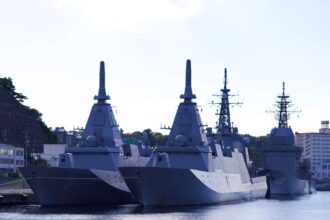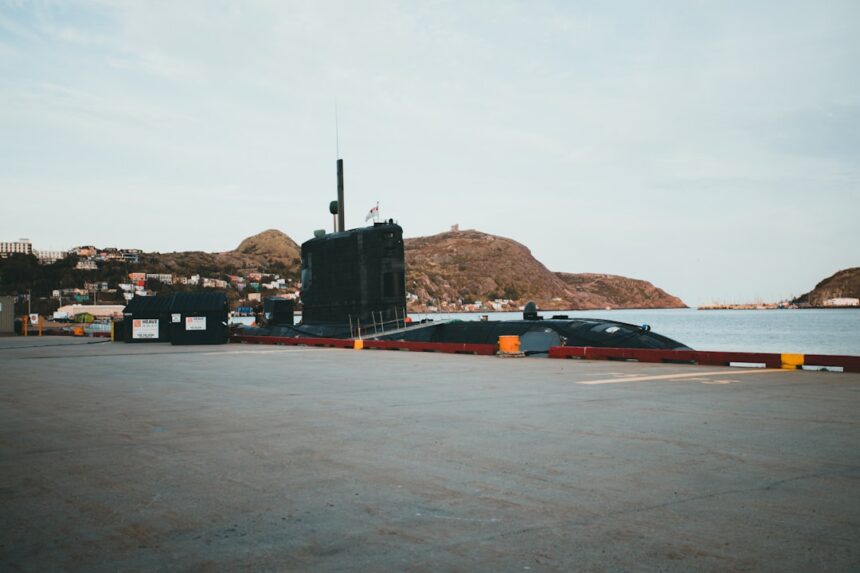
The shadowy realm of nuclear submarines represents a pinnacle of human engineering and a testament to strategic necessity. These underwater behemoths, draped in a cloak of military secrecy, operate as instruments of deterrence and covert power projection. Their very existence is predicated on a delicate balance between unimaginable destructive potential and the profound need for discretion. This exploration will delve into the classified secrets that define these vessels, offering a glimpse into the technological marvels and operational intricacies that allow them to remain, for the most part, unseen and unheard.
For a nuclear submarine, silence is not merely a virtue; it is an existential requirement. The ability to avoid detection dictates its survival and its effectiveness. Engineers and designers pour countless hours into mitigating every conceivable source of noise, transforming these massive machines into acoustic phantoms.
Acoustic Stealth: The Art of Disappearing from Sound Waves
The core of a submarine’s stealth lies in its acoustic signature. Every component, from the hum of its reactor to the whir of its propellers, must be meticulously designed to produce minimal sound. This involves a multi-layered approach to noise reduction.
Anechoic Coatings: The Skin That Absorbs Sound
The exterior of a nuclear submarine is not just painted; it is typically clad in specialized anechoic tiles. These rubber-like coatings are designed to absorb active sonar pulses, preventing them from reflecting back to the sender. Imagine a sound wave hitting a sponge rather than a hard wall – the sponge dissipates the energy, just as these tiles diminish the sonar’s return.
Isolation Mounting: Muffling the Mechanical Cacophony
Within the submarine’s hull, virtually every piece of machinery, from pumps and motors to the reactor itself, is mounted on elaborate isolation systems. These systems, often incorporating hydraulic cushioning or spring mechanisms, prevent vibrations from transmitting directly into the hull and radiating outwards into the water. This effectively creates a double-layered sound barrier, much like a room within a room designed for soundproofing.
Propeller Design: The Geometry of Quiet Propulsion
The propellers, or pump-jets in more advanced designs, are perhaps the most critical component for acoustic stealth during movement. Cavitation – the formation and collapse of vapor bubbles around the propeller blades – is a major source of noise. Modern propeller designs employ complex, asymmetrical blade shapes and are often shrouded to minimize this phenomenon, allowing the submarine to slice through the water with minimal acoustic disturbance.
In recent discussions surrounding military advancements, the secrets of nuclear-powered submarines have garnered significant attention, particularly in light of their strategic importance in modern warfare. For a deeper dive into the complexities and implications of these underwater giants, you can read a related article that explores the technological innovations and the geopolitical ramifications of nuclear submarine capabilities. Check it out here: Nuclear Submarine Secrets.
The Nuclear Heart: Powering the Perpetual Voyage
At the very core of every nuclear submarine lies its nuclear reactor, a marvel of engineering that grants these vessels unprecedented endurance and independence from the surface world. This power plant is not merely an engine; it is the lifeblood that sustains every system on board.
Reactor Technology: A Miniature Power Station Beneath the Waves
The reactor core, typically a pressurized water reactor (PWR), generates immense heat through controlled nuclear fission. This heat converts water into high-pressure steam, which then drives turbines to generate electricity and propel the submarine.
Fuel Longevity: Decades Without Refueling
One of the most profound advantages of nuclear propulsion is the incredible endurance it provides. A submarine’s reactor can operate for decades without needing to be refueled, allowing for extended deployments far from homeports. This eliminates the need for vulnerable surface support vessels, greatly enhancing strategic flexibility and operational independence.
Closed-Cycle Systems: Sustaining Life in an Alien Environment
Beyond propulsion, the reactor powers every aspect of the submarine’s operations. It provides electricity for all onboard systems, including life support. This includes sophisticated air purification systems that remove carbon dioxide and replenish oxygen, and freshwater generators that desalinate seawater, allowing the crew to sustain themselves indefinitely as long as the reactor is operational.
The Eyes and Ears of the Deep: Sensory Systems for Covert Operations

While striving for acoustic invisibility, nuclear submarines are simultaneously equipped with highly sophisticated sensory systems that allow them to perceive their underwater environment with astonishing clarity. These “eyes and ears” are crucial for navigation, target detection, and self-defense.
Sonar Arrays: Listening to the Ocean’s Whispers
Sonar, both passive and active, is the primary means by which submarines detect other vessels and map the seafloor. Passive sonar listens for sounds emitted by other objects, while active sonar emits sound pulses and analyzes the echoes.
Towed Arrays: Extending the Listening Horizon
Many nuclear submarines deploy long, flexible towed sonar arrays behind them. These arrays, often miles long, contain numerous hydrophones that can detect faint acoustic signatures over vast distances, effectively extending the submarine’s sensory reach far beyond its immediate vicinity.
Hull-Mounted Sonar: The Panoramic View
In addition to towed arrays, submarines are equipped with various hull-mounted sonar arrays that provide a comprehensive 360-degree view of the underwater environment. These systems offer detailed information about contacts, including their bearing, range, and often, their classification.
Non-Acoustic Sensors: Beyond the Realm of Sound
While sonar is paramount, submarines are also equipped with a variety of non-acoustic sensors that provide additional layers of awareness, particularly when operating near the surface or in specific tactical scenarios.
Periscopes and Mast-Mounted Sensors: A Brief Glimpse of the Surface
When close to the surface, submarines can deploy advanced periscopes and mast-mounted sensor packages. These include traditional optical periscopes, as well as electronic warfare (EW) antennas, communication systems, and even lidar for precise measurement, all designed for minimal exposure and rapid retraction.
Magnetic Anomaly Detectors (MAD): Tracing Iron’s Footprint
Though primarily used by anti-submarine warfare (ASW) aircraft, some submarines, particularly those designed for specialized reconnaissance, may incorporate a form of MAD. This sensitive instrument detects changes in the Earth’s magnetic field caused by the ferrous metallic hulls of other submarines or large surface vessels.
The Arsenal Beneath the Waves: The Power of Submerged Firepower
Nuclear submarines are not merely platforms for intelligence gathering and deterrence; they are formidable weapons systems capable of delivering devastating ordnance against a variety of targets. Their ability to deliver such an arsenal from a concealed position gives them unparalleled strategic importance.
Torpedoes: The Close-Quarters Punch
The primary weapon for subsurface engagements is the torpedo. Modern torpedoes are highly sophisticated, featuring advanced guidance systems, powerful warheads, and often, a “fire-and-forget” capability.
Wire-Guided Torpedoes: Precision in the Depths
Many torpedoes are wire-guided, meaning the submarine can maintain control and update the torpedo’s course after launch. This allows for last-minute adjustments based on new sensor data or changes in the target’s behavior, significantly increasing the probability of a successful hit.
Countermeasures: Defending Against the Deadly Fish
Submarines also carry a range of countermeasures designed to defend against incoming torpedoes. These can include noisemakers and decoys that mimic the submarine’s acoustic signature, designed to lure hostile torpedoes away from their intended target.
Ballistic Missiles: The Ultimate Deterrent
For ballistic missile submarines (SSBNs), strategic deterrence is their raison d’être. These vessels carry intercontinental ballistic missiles (ICBMs) armed with nuclear warheads, representing the ultimate expression of a nation’s destructive power.
Submarine-Launched Ballistic Missiles (SLBMs): A Global Reach from the Depths
SSBNs are designed to operate undetected for extended periods, providing a survivable second-strike capability. Should a nation’s land-based nuclear forces be neutralized, SSBNs can launch their SLBMs from anywhere in the global ocean, ensuring devastating retaliation. This “mutual assured destruction” (MAD) doctrine forms the bedrock of nuclear deterrence.
Rapid Launch Capabilities: From Stealth to Strike in Moments
Modern SLBM systems are designed for rapid launch, allowing the submarine to transition from a covert patrol to a strike posture with minimal delay. This ensures that even under attack, the SSBN can fulfill its strategic mission.
The world of military technology often harbors secrets that can significantly impact global security, and nuclear-powered submarines are no exception. A recent article delves into the intricate details surrounding these advanced vessels and their operational capabilities. For those interested in exploring this topic further, you can read about it in the article on nuclear submarine secrets. Understanding the complexities of these submarines not only sheds light on naval warfare but also highlights the ongoing advancements in military technology.
The Human Element: Operating in the Abyss
| Metric | Description | Typical Value | Notes |
|---|---|---|---|
| Reactor Type | Type of nuclear reactor used for propulsion | Pressurized Water Reactor (PWR) | Common in US and Russian submarines |
| Reactor Power Output | Thermal power generated by the reactor | 150-200 MW | Varies by submarine class |
| Submarine Endurance | Maximum time submarine can operate without surfacing | Up to 90 days | Limited by food and crew endurance |
| Maximum Speed | Top submerged speed | 25-35 knots | Exact speeds are classified |
| Noise Signature | Acoustic signature level | Below 120 dB | Lower noise means harder to detect |
| Hull Material | Material used for pressure hull | HY-80 or HY-100 steel | High strength steel alloys |
| Sonar Range | Effective detection range of sonar systems | Up to 100 km | Depends on environment and technology |
| Weapon Loadout | Types and number of weapons carried | 12-24 torpedoes and missiles | Includes cruise missiles and torpedoes |
Beyond the technological marvels, the true secret of nuclear submarines lies with the highly trained and disciplined crews who operate them. These individuals endure immense psychological and physical challenges, working in close confinement, far from the light of day, to execute complex and often dangerous missions.
Crew Training: The Elite of Naval Service
Becoming a submariner is an arduous journey. Candidates undergo rigorous physical and psychological evaluations, followed by intensive training that covers every aspect of submarine operation, from reactor mechanics to tactical operations and damage control.
Compartmentalization of Knowledge: Discretion as a Duty
Due to the highly classified nature of their operations, submarine crews are often subject to a “need-to-know” principle regarding sensitive information. Compartmentalization of knowledge ensures that no single individual possesses all the pieces of the puzzle, reinforcing security.
The Submarine Culture: A Unique Fraternity
Life aboard a submarine fosters a unique culture of camaraderie and mutual reliance. The confined environment and shared dangers forge bonds that are often stronger than those found in other military branches. Every crew member understands that their actions directly impact the safety and survival of the entire vessel.
The Psychological Toll: Life in a Steel Tube
Operating in the depths of the ocean for months on end takes a significant psychological toll. The constant hum of machinery, the absence of natural light, and the omnipresent threat of the deep can be profoundly challenging.
Stress and Isolation: The Invisible Combatants
Submariners must contend with prolonged periods of stress and isolation. They are cut off from family and friends, and the very nature of their mission demands absolute secrecy, even upon their return to land. Mental resilience is as critical as technical proficiency.
Emergency Preparedness: Facing the Unimaginable
Drills for emergencies, from fires to floods and reactor casualties, are a constant feature of submarine life. Crews are trained to react instinctively and effectively to every conceivable crisis, understanding that their lives, and the fate of their vessel, depend on their ability to perform under extreme pressure.
In conclusion, a nuclear submarine is far more than a collection of advanced technologies; it is a meticulously engineered ecosystem designed for stealth, endurance, and profound strategic impact. From the silent propulsion systems that allow it to vanish from detection, to the nuclear heart that grants it perpetual autonomy, and the formidable arsenal it carries, every aspect is a testament to human ingenuity in pursuit of national security. Yet, beneath the layers of steel and sophisticated electronics, it is the dedicated and resilient crews, operating in an environment most can only imagine, who truly embody the classified secrets and enduring power of these silent predators of the deep.
FAQs
What is a nuclear powered submarine?
A nuclear powered submarine is a type of submarine that uses a nuclear reactor as its primary power source. This allows it to operate underwater for extended periods without surfacing, providing greater endurance and speed compared to conventional diesel-electric submarines.
How does the nuclear reactor in a submarine work?
The nuclear reactor in a submarine generates heat through nuclear fission, which is used to produce steam. This steam drives turbines connected to the submarine’s propellers and electrical systems, enabling propulsion and onboard power generation.
What are the advantages of nuclear powered submarines over conventional ones?
Nuclear powered submarines have several advantages, including longer underwater endurance, higher speeds, and the ability to operate silently for extended periods. They do not need to surface frequently for air or refueling, making them more effective for strategic military missions.
Are the details of nuclear powered submarines publicly available?
Many technical details and operational capabilities of nuclear powered submarines are classified by governments for national security reasons. While general information is available, specific secrets related to design, technology, and missions are typically kept confidential.
What safety measures are in place for nuclear powered submarines?
Nuclear powered submarines are equipped with multiple safety systems to prevent nuclear accidents, including robust reactor containment, emergency shutdown procedures, and radiation shielding. Crews receive specialized training to handle nuclear technology safely and respond to emergencies.