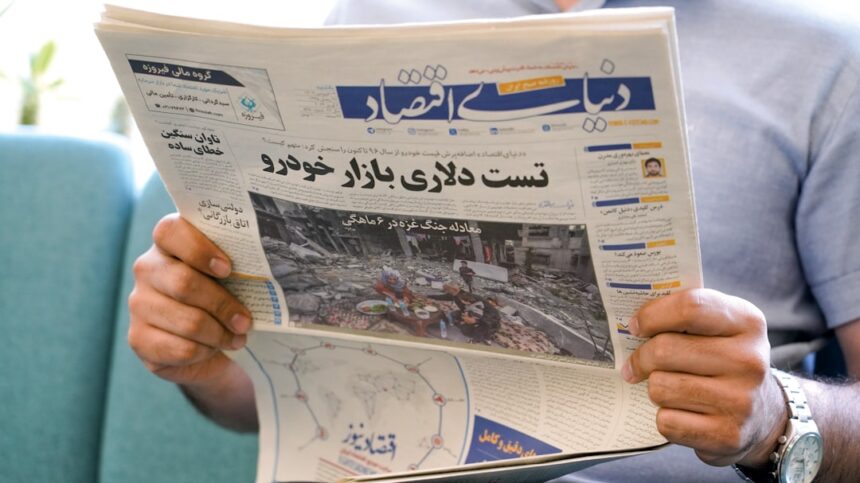
In the early 1950s, Iran was a nation on the brink of significant change, with Prime Minister Mohammad Mossadegh leading a movement toward nationalization of the oil industry, which had been dominated by foreign interests, particularly British oil companies. The Central Intelligence Agency (CIA) recognized that Mossadegh’s policies posed a direct threat to Western interests in the region, particularly those of the United Kingdom and the United States. As a result, the CIA became deeply involved in efforts to undermine his government.
This intervention was not merely a matter of political maneuvering; it was a calculated operation aimed at restoring a pro-Western regime that would safeguard American and British interests in Iranian oil. The CIA’s involvement culminated in Operation Ajax, a covert operation that sought to destabilize Mossadegh’s government and ultimately remove him from power. The agency orchestrated a series of events designed to incite public unrest and discredit Mossadegh, including propaganda campaigns and the manipulation of political factions within Iran.
The culmination of these efforts occurred in August 1953 when the CIA, in collaboration with British intelligence, successfully orchestrated a coup that led to the ousting of Mossadegh. This operation not only altered the course of Iranian history but also set a precedent for future U.S. interventions in the Middle East.
Key Takeaways
- The CIA played a central role in orchestrating the 1953 coup that overthrew Iran’s Prime Minister.
- The agency supported the Shah of Iran, strengthening his regime through intelligence and covert operations.
- The CIA maintained close ties with Iranian intelligence agencies to gather information and influence internal politics.
- During the Iranian Revolution and subsequent hostage crisis, the CIA conducted assessments and attempted negotiations to resolve the situation.
- The CIA’s actions significantly shaped US-Iran relations and left a lasting legacy on diplomatic and intelligence dynamics between the two countries.
CIA’s Support for the Shah of Iran
Following the successful coup against Mossadegh, the CIA shifted its focus to supporting Mohammad Reza Shah Pahlavi, who was reinstated as the monarch of Iran. The agency viewed the Shah as a crucial ally in maintaining stability in the region and ensuring that Iran remained aligned with Western interests. The CIA provided extensive support to the Shah’s regime, including military aid, intelligence sharing, and training for Iranian security forces.
This partnership was rooted in a mutual understanding: the Shah would maintain a pro-Western stance while the U.S. would bolster his regime against any internal or external threats. The relationship between the CIA and the Shah’s government was characterized by a shared commitment to suppressing dissent and maintaining control over the Iranian populace.
The CIA assisted in establishing SAVAK, the Shah’s secret police, which became notorious for its brutal tactics against political opponents and dissidents. This support not only solidified the Shah’s grip on power but also fostered deep-seated resentment among many Iranians who viewed the U.S. as complicit in their oppression.
The consequences of this alliance would reverberate throughout Iranian society and politics for decades to come.
CIA’s Relationship with Iranian Intelligence Agencies
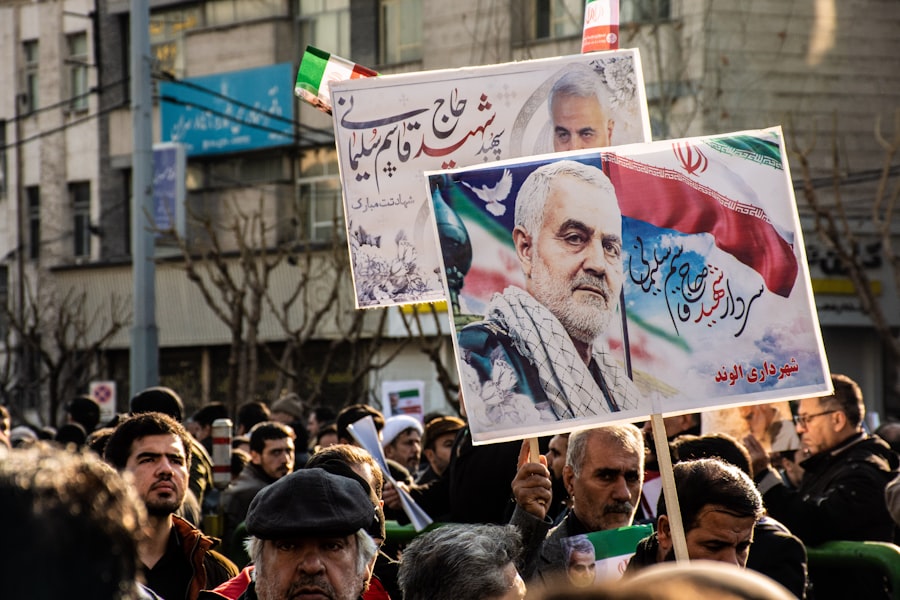
The CIA’s collaboration with Iranian intelligence agencies was pivotal in shaping Iran’s internal security landscape during the Shah’s reign. By providing training and resources to organizations like SAVAK, the CIA helped create a formidable apparatus for surveillance and repression. This relationship was not merely transactional; it was built on a foundation of shared goals and mutual interests.
The CIA sought to ensure that Iran remained a bulwark against communism in the region, while Iranian intelligence agencies aimed to eliminate any threats to the Shah’s rule. However, this partnership also had significant implications for Iranian society. The pervasive surveillance and repression fostered an atmosphere of fear and mistrust among the populace.
Many Iranians became disillusioned with both their government and its foreign backers, leading to widespread resentment that would eventually contribute to the 1979 Iranian Revolution. The CIA’s involvement in bolstering Iranian intelligence agencies thus played a crucial role in shaping not only the political landscape of Iran but also the sentiments of its people.
CIA’s Involvement in the 1953 Coup
| Metric | Details |
|---|---|
| Operation Name | Operation Ajax |
| Year | 1953 |
| Primary Objective | Overthrow Prime Minister Mohammad Mossadegh |
| Key Agency Involved | Central Intelligence Agency (CIA) |
| US Government Support | Joint CIA and British MI6 operation |
| Estimated Budget | Approximately 1 million (1953 USD) |
| Methods Used | Propaganda, bribery, political manipulation, and orchestrated protests |
| Outcome | Restoration of Shah Mohammad Reza Pahlavi’s power |
| Long-term Impact | Increased US influence in Iran; contributed to 1979 Iranian Revolution |
The 1953 coup against Prime Minister Mossadegh remains one of the most significant events in U.S.-Iran relations, with the CIA playing a central role in its execution.
The agency employed a range of tactics, including propaganda campaigns designed to sway public opinion against Mossadegh and mobilize opposition groups.
This multifaceted approach ultimately culminated in a series of protests and riots that provided cover for military action against Mossadegh. On August 19, 1953, the coup reached its climax when military forces loyal to the Shah, supported by CIA operatives, moved to arrest Mossadegh and restore royal authority. The operation was marked by chaos and violence, as loyalists clashed with supporters of Mossadegh.
In the aftermath, the Shah reestablished his rule with renewed vigor, largely due to U.S. backing. The success of this coup not only solidified American influence in Iran but also set a troubling precedent for future interventions in foreign nations under the guise of promoting stability and democracy.
CIA’s Intelligence Gathering in Iran
Throughout its involvement in Iran, the CIA engaged in extensive intelligence gathering to inform its operations and strategies. This included monitoring political developments, assessing public sentiment, and identifying potential threats to U.S. interests in the region. The agency utilized various methods, including human intelligence (HUMINT) sources and signals intelligence (SIGINT), to build a comprehensive picture of Iran’s political landscape. This intelligence was crucial not only for supporting covert operations but also for shaping U.S. foreign policy toward Iran. The information gathered by the CIA often painted a complex picture of Iranian society, revealing deep divisions and growing discontent among various segments of the population. However, this intelligence was frequently filtered through a lens of bias that favored pro-Western narratives. As a result, policymakers sometimes misjudged the extent of opposition to the Shah’s regime and underestimated the potential for unrest. This miscalculation would have dire consequences during the Iranian Revolution, as widespread dissatisfaction erupted into open rebellion against a regime that had been propped up by foreign powers.
CIA’s Assessment of the Iranian Revolution
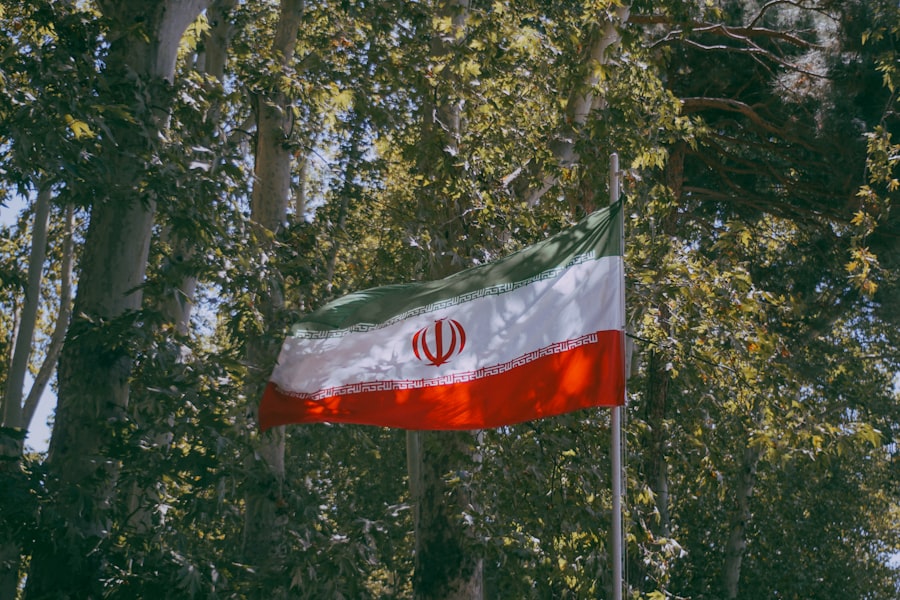
As tensions mounted in Iran during the late 1970s, the CIA faced significant challenges in accurately assessing the situation on the ground. Despite having maintained a presence in Iran for decades, the agency struggled to grasp the depth of popular discontent with the Shah’s regime. Reports from operatives often downplayed or dismissed signs of impending revolution, leading U.S.
policymakers to underestimate the likelihood of regime change. This failure to accurately assess the revolutionary fervor among Iranians would have profound implications for U.S.-Iran relations. The Iranian Revolution ultimately culminated in 1979 when widespread protests led to the overthrow of the Shah and the establishment of an Islamic Republic under Ayatollah Khomeini.
The revolution was characterized by a diverse coalition of groups united by their opposition to Western influence and authoritarian rule. The CIA’s inability to foresee this seismic shift highlighted significant flaws in its intelligence-gathering processes and analytical frameworks. As a result, U.S.
officials were caught off guard by the rapid changes unfolding in Iran, leading to a crisis that would reshape American foreign policy in the Middle East for years to come.
CIA’s Response to the Hostage Crisis
The Iranian Revolution set off a chain reaction that culminated in one of the most significant crises in U.S.-Iran relations: the Iran Hostage Crisis. In November 1979, Iranian militants stormed the U.S. Embassy in Tehran, taking 52 American diplomats and citizens hostage.
The CIA found itself at a crossroads as it grappled with how to respond to this unprecedented situation. The agency’s initial assessments were hampered by its previous miscalculations regarding Iranian sentiment and political dynamics. In response to the hostage crisis, the CIA worked closely with other U.S.
government agencies to gather intelligence on developments within Iran and assess potential options for resolving the situation. However, their efforts were complicated by a lack of reliable information from within Iran and an increasingly hostile environment for American interests. As negotiations faltered and tensions escalated, it became clear that traditional diplomatic channels were insufficient for addressing this crisis.
CIA’s Covert Operations in Iran
In addition to its intelligence-gathering efforts during the hostage crisis, the CIA explored various covert operations aimed at securing the release of hostages or destabilizing hostile elements within Iran. These operations were often shrouded in secrecy and involved complex planning and execution under challenging circumstances. The agency sought to leverage its historical connections with Iranian intelligence agencies while also exploring new avenues for engagement with opposition groups.
However, these covert operations faced significant obstacles due to heightened anti-American sentiment among Iranians following years of perceived interference by foreign powers.
S. actions as further attempts at manipulation rather than genuine efforts to resolve tensions peacefully.
As such, these covert initiatives often backfired or failed to achieve their intended objectives, further complicating an already fraught situation.
CIA’s Attempts to Negotiate the Release of the Hostages
As diplomatic efforts faltered during the hostage crisis, various attempts were made by U.S. officials—including those from the CIA—to negotiate with Iranian authorities for the release of hostages. These negotiations were fraught with challenges due to mistrust on both sides and conflicting demands from Iranian leaders who sought concessions from Washington before considering any release.
The complexity of these negotiations was compounded by internal divisions within Iran itself; different factions held varying views on how best to handle relations with America following years of animosity stemming from past interventions. Despite these challenges, some U.S. officials believed that backchannel communications could yield positive results if approached delicately enough—an approach that ultimately proved difficult given prevailing sentiments among both American officials and Iranian leaders.
CIA’s Impact on US-Iran Relations
The legacy of CIA involvement in Iran has had lasting repercussions on U.S.-Iran relations that continue to resonate today. The agency’s actions during pivotal moments—such as orchestrating coups or supporting authoritarian regimes—have contributed significantly to deep-seated mistrust between Iranians and Americans alike. Many Iranians view U.S. interventions as emblematic of imperialism rather than genuine efforts at promoting democracy or stability. This historical context has shaped contemporary perceptions surrounding U.S.-Iran relations; even as diplomatic overtures have been made over time—such as negotiations surrounding nuclear agreements—underlying tensions remain rooted in past grievances stemming from decades-long interference by foreign powers like America itself.
CIA’s Legacy in the Iran Hostage Crisis
The Iran Hostage Crisis marked a turning point not only for U.S.-Iran relations but also for how Americans perceived their government’s ability to protect its citizens abroad. The crisis exposed vulnerabilities within American intelligence operations while simultaneously highlighting failures stemming from decades-long policies rooted in interventionism rather than genuine engagement with local populations. In retrospect, many analysts argue that understanding this legacy is crucial for navigating future interactions between Washington and Tehran—recognizing how historical grievances continue shaping contemporary dynamics between these two nations today remains essential if meaningful dialogue is ever to be achieved moving forward into an uncertain geopolitical landscape characterized by ongoing tensions across multiple fronts globally.
The role of the CIA in the Iran Hostage Crisis is a complex topic that intertwines intelligence operations with international diplomacy. For a deeper understanding of the broader implications of U.S. foreign policy during this tumultuous period, you can explore a related article on the subject at In the War Room. This resource provides valuable insights into the strategic decisions made by the U.S. government and their long-lasting effects on U.S.-Iran relations.
WATCH THIS! The Disaster That Saved Them: How Eagle Claw’s Failure Freed the Hostages
FAQs
What was the Iran Hostage Crisis?
The Iran Hostage Crisis was a diplomatic standoff between the United States and Iran from November 4, 1979, to January 20, 1981, during which 52 American diplomats and citizens were held hostage by Iranian militants at the U.S. Embassy in Tehran.
What role did the CIA play in the Iran Hostage Crisis?
The CIA was involved in intelligence gathering, monitoring the situation, and attempting to support rescue operations. The agency also provided critical information to the U.S. government and coordinated with other branches of the military and intelligence community during the crisis.
Did the CIA attempt a rescue mission during the crisis?
Yes, the CIA played a key role in planning and executing Operation Eagle Claw, a failed rescue mission in April 1980 aimed at freeing the hostages. The operation was aborted after mechanical failures and a fatal accident.
How did the Iran Hostage Crisis impact the CIA?
The crisis exposed challenges in intelligence and operational coordination, leading to internal reviews and reforms within the CIA. It also affected the agency’s reputation and highlighted the complexities of covert operations in hostile environments.
Was the CIA involved in the events leading up to the crisis?
Prior to the crisis, the CIA had been involved in Iran through covert operations, including support for the 1953 coup that reinstated the Shah. These historical actions contributed to anti-American sentiment in Iran, which was a factor in the hostage-taking.
How did the CIA gather intelligence during the hostage crisis?
The CIA used a combination of human intelligence (HUMINT), signals intelligence (SIGINT), and satellite reconnaissance to monitor the situation inside Iran and track the hostages’ status.
What was the outcome of the CIA’s involvement in the crisis?
While the CIA’s rescue attempt was unsuccessful, the agency’s intelligence efforts helped maintain situational awareness. The crisis ultimately ended with the hostages’ release following diplomatic negotiations, not a military rescue.
Did the Iran Hostage Crisis lead to changes in U.S. intelligence operations?
Yes, the crisis prompted the U.S. government to improve inter-agency coordination, crisis response capabilities, and intelligence sharing to better handle similar situations in the future.