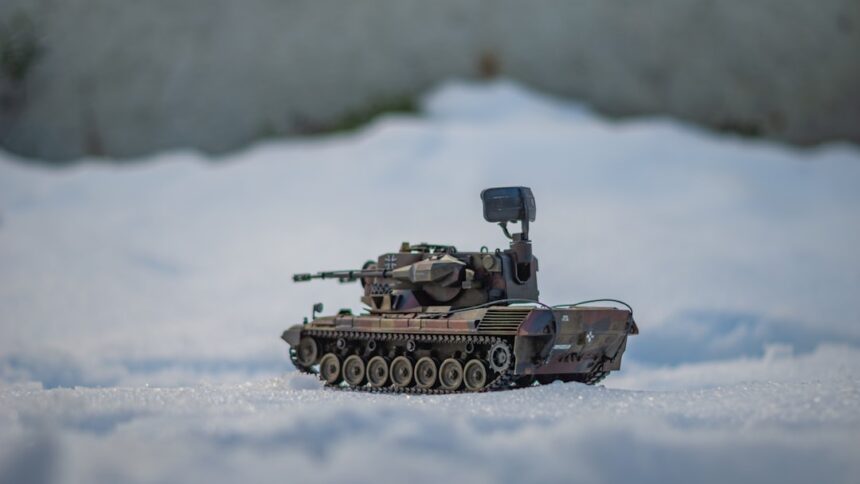
The Centralized Brain of German Air Defense
The intricate tapestry of modern aerial warfare demands a sophisticated and unified approach to defense. Germany, situated at a crossroads within Europe, necessitates a robust and responsive air defense network. This network, far from being a collection of disparate elements, is choreographed by a singular operational entity, often colloquially referred to as the “centralized brain” of German air defense. This article will explore the structure, functions, and strategic significance of this critical command and control architecture.
The effectiveness of any air defense system hinges on its ability to detect threats, process information, make rapid decisions, and direct countermeasures. This is the fundamental role of the command and control (C2) architecture. For Germany, this system is built upon a layered approach, integrating various sensors, communication networks, and decision-making platforms to provide a comprehensive operational picture.
Hierarchical Structure of Command
The German air defense C2 system adheres to a hierarchical structure, ensuring clear lines of authority and responsibility. This ensures that decisions flow from strategic oversight down to tactical execution with minimal latency.
Political and Strategic Oversight
At the apex of this structure lies political and strategic oversight. This involves the Federal Ministry of Defence and the German Armed Forces Command Staff (FüSK), which provide the overarching policy direction and strategic guidance for all military operations, including air defense. Budgets are allocated, procurement decisions are made, and the ultimate consent for military action originates here. This level sets the strategic objectives and constraints within which the operational C2 must function.
Operational Command
Below the strategic level is operational command, primarily vested in the German Air Force Command (Luftwaffeführungskommando). This entity is responsible for the planning, execution, and monitoring of air operations, including air defense. It translates strategic directives into actionable plans and allocates resources accordingly. The operational command ensures that the various components of the air defense system are synchronized and deployed effectively.
Tactical Execution
At the most granular level is tactical execution, managed by subordinate command units like the Air Operations Command (Operationsführungskommando der Luftwaffe) and its specialized components. These units are responsible for the day-to-day management of air defense assets, including radar stations, surface-to-air missile units, and fighter aircraft. They receive orders from the operational command and translate them into specific tactical actions.
Integration of Sensor Networks
A truly effective air defense system requires a clear and persistent understanding of the airspace. This is achieved through the integration of a diverse array of sensor networks, providing redundant and overlapping coverage.
Ground-Based Radar Systems
Germany relies on a robust network of ground-based radar systems to detect aircraft, missiles, and drones at various ranges and altitudes. These include long-range surveillance radars capable of providing early warning of incoming threats, as well as medium and short-range radars that support tactical engagement decisions. The positioning and sophistication of these radar sites are crucial for maintaining continuous surveillance of German airspace and surrounding regions.
Airborne Early Warning and Control (AEW&C) Aircraft
Complementing ground-based radar, Germany utilizes AEW&C aircraft, such as those operated by NATO allies, to extend its radar horizon and gain a more comprehensive view of the aerial battlespace. These aircraft can detect threats beyond the line of sight of ground radar, identify hostile aircraft, and provide command and control support to friendly forces. Their mobility allows them to adapt to changing operational requirements and provide flexible surveillance capabilities.
Maritime Surveillance
Given Germany’s extensive coastlines, maritime surveillance plays a role in air defense, particularly in detecting airborne threats approaching from the sea. This may involve naval assets equipped with radar, as well as aerial reconnaissance. Early detection of an airborne threat emerging from the maritime domain provides crucial additional time for defensive responses.
Intelligence, Surveillance, and Reconnaissance (ISR) Assets
Beyond dedicated radar, Germany also leverages a variety of ISR assets, including satellite imagery, electronic intelligence (ELINT), and human intelligence (HUMINT), to gather information about potential aerial threats. This intelligence contributes to a more complete understanding of the threat landscape, informing operational planning and decision-making.
Communication and Data Fusion
The raw data from these diverse sensors is useless if it cannot be effectively transmitted, processed, and understood by the C2 system. This necessitates sophisticated communication networks and advanced data fusion capabilities.
Secure Communication Channels
Reliable and secure communication is paramount for the functioning of the air defense C2. Germany employs a range of encrypted communication systems, including radios, satellite links, and data networks, to ensure that information is exchanged promptly and without compromise between all echelons of command and all participating assets. Robust redundancy in communication pathways is essential to mitigate the risk of single points of failure, particularly in a contested environment.
Data Fusion Centers
The deluge of data from multiple sensors requires sophisticated processing. Data fusion centers are the heart of the C2 architecture, where information from all sources is integrated, analyzed, and presented in a unified operational picture. Algorithms are employed to correlate data, identify targets, and filter out false alarms. This fused picture provides commanders with a clear and accurate understanding of the airspace, enabling informed decision-making.
Interoperability with Allies
In the context of NATO and European defense, interoperability is a critical requirement. Germany’s air defense C2 architecture is designed to interface seamlessly with the systems of its allies, enabling the sharing of information and the coordination of defensive efforts. This is achieved through adherence to common standards and protocols, facilitating joint operations and collective defense.
The concept of a centralized brain for German air defense systems has garnered significant attention in recent discussions about modern military strategies. For a deeper understanding of this topic, you can explore the article on integrated defense systems and their implications for national security at In The War Room. This article delves into the technological advancements and strategic frameworks that are shaping the future of air defense in Germany and beyond.
The Operational Hub: The Air Operations Command
While the broader C2 architecture provides the framework, a specific entity acts as the operational nerve center for German air defense. This is primarily the Air Operations Command (AOC), a critical component of the German Air Force.
Establishment and Responsibilities
The AOC is the primary organization tasked with the monitoring and control of German airspace for defensive purposes. Its establishment reflects the need for a dedicated unit focused on the complexities of aerial warfare management.
Centralized Tactical Operations
The AOC acts as the central hub for tactical air defense operations. It is responsible for the real-time monitoring of the airspace, identifying potential threats, and coordinating defensive actions. This involves constant vigilance, rapid response protocols, and the efficient allocation of air defense assets.
Threat Assessment and Prioritization
A key function of the AOC is the continuous assessment and prioritization of threats. It analyzes incoming data from sensors, identifies potential targets, and determines the level of threat posed by each. This allows for the focused deployment of defensive resources to counter the most immediate and significant dangers.
Engagement Authority and Coordination
The AOC holds the authority to direct engagement by air defense assets. It authorizes the firing of missiles, the scrambling of interceptor aircraft, and other defensive measures. This engagement authority is exercised with strict adherence to rules of engagement and under the oversight of higher command. Coordination with allied forces is also a critical aspect of this function.
The centralized brain of the German air defense system plays a crucial role in ensuring the nation’s security by integrating various radar and missile systems into a cohesive unit. This advanced approach allows for real-time data sharing and improved response times to potential threats. For a deeper understanding of how such systems operate and their strategic importance, you can read more in this insightful article on air defense systems. To explore further, visit this link.
Integration of Diverse Assets
The AOC’s effectiveness is derived from its ability to integrate and coordinate a wide range of air defense assets, both national and allied.
Surface-to-Air Missile (SAM) Systems
The AOC directs the operations of Germany’s SAM systems, which range from short-range, point-defense systems to medium and long-range area-defense systems. These systems are placed strategically to provide layered protection against various aerial threats. The AOC determines which SAM units are best suited to engage specific targets and provides them with targeting data.
Fighter Aircraft Readiness and Deployment
The AOC also plays a crucial role in ensuring the readiness and timely deployment of German fighter aircraft for air defense missions. This includes scrambling interceptors to investigate unidentified contacts or to intercept hostile aircraft. The AOC manages air traffic control within the defensive airspace and ensures that fighter aircraft can operate effectively without impinging on civilian air traffic.
Early Warning and Alerting Systems
The AOC serves as the primary recipient of information from early warning and alerting systems. It receives notifications of potential threats and initiates defensive procedures accordingly. This includes activating alert statuses for SAM units and fighter wings, as well as informing relevant civilian authorities.
The Role of NATO Integration
Given Germany’s NATO membership, the AOC’s operations are inextricably linked with the broader NATO air defense network.
Combined Air Operations Centers (CAOCs)
The AOC works closely with designated NATO Combined Air Operations Centers (CAOCs). These CAOCs are responsible for the overall planning and execution of air operations within a specific region, and the German AOC contributes to this broader effort by providing situational awareness and executing assigned tasks.
Data Sharing and Coordination
Seamless data sharing and coordination with NATO allies are essential for effective collective defense. The German AOC ensures that its data is integrated into the NATO common operational picture and that it receives timely and relevant intelligence from NATO sources. This allows for a unified and coordinated response to any threat to allied airspace.
Technological Underpinnings: Sensors and Systems
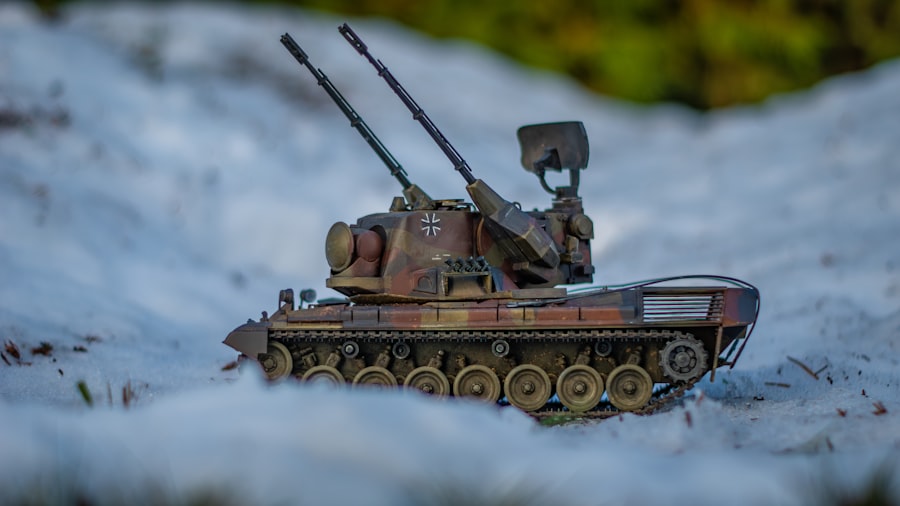
The efficacy of Germany’s air defense brain is directly proportional to the sophistication and maintenance of its underlying technological infrastructure. This includes a suite of advanced sensors and integrated systems designed to detect, track, and counter aerial threats.
Advanced Radar Technology
Radar remains the cornerstone of aerial surveillance, and Germany employs a range of sophisticated radar systems.
Long-Range Surveillance Radars
These systems are designed to provide early warning of incoming airborne threats, detecting aircraft and missiles at significant distances. Continuous upgrades and maintenance ensure their operational readiness and ability to detect modern stealthier platforms.
Fire Control Radars
These radars are integral to SAM systems, providing precise tracking of targets for engagement. They are designed for rapid target acquisition and accurate data for missile guidance. The performance of fire control radars is critical to the effectiveness of tactical engagements.
Mobile and Deployable Radars
The need for flexibility in air defense deployment necessitates the use of mobile and deployable radar systems. These can be rapidly relocated to support specific operations, provide coverage in areas where permanent installations are not feasible, or supplement existing radar networks during periods of heightened threat.
Surface-to-Air Missile Systems
Germany’s SAM arsenal is a crucial component of its air defense capabilities, designed to engage a variety of aerial threats.
Medium and Long-Range SAMs
These systems provide area defense capabilities, capable of engaging high-flying and long-range targets. They are a critical deterrent and a fundamental element of a layered defense strategy. The range and effectiveness of these systems dictate the size of the airspace that can be brought under defensive umbrella.
Short-Range Air Defense (SHORAD) Systems
SHORAD systems are designed for point defense, protecting critical infrastructure, convoys, or formations from low-altitude threats. Their rapid response times and mobility make them essential for immediate threat neutralization.
Command, Control, and Communications (C3) Systems
The interconnectivity of sensors, weapon systems, and decision-making authorities is facilitated by advanced C3 systems.
Integrated Battle Management Systems
These systems fuse data from all sensors and present a unified, real-time operational picture to commanders. They facilitate rapid decision-making and the efficient allocation of defensive resources. The sophistication of battle management systems directly impacts the speed and accuracy of operational responses.
Secure Data Links
Ensuring the secure and uninterrupted transmission of data between all elements of the air defense network is paramount. This includes robust encryption and redundancy to prevent interception or disruption. A compromised data link can render even the most advanced weapon systems ineffective.
Electronic Warfare (EW) Capabilities
Electronic warfare plays a dual role in air defense: both offensive and defensive. Interdicting enemy communications and radar, or protecting friendly systems from jamming, is vital.
Radar Jamming and Deception
Sophisticated EW capabilities can be employed to jam enemy radar systems or create deceptive signals to confuse targeting. This can significantly degrade the enemy’s ability to effectively engage targets or conduct reconnaissance.
Electronic Support Measures (ESM)
ESM systems are used to detect, identify, and locate enemy electronic emissions. This intelligence can be used to build a picture of the enemy’s electronic order of battle and to cue defensive actions.
Protection Against Electronic Attack
Crucially, German air defense systems are designed with inherent resilience against enemy electronic warfare. This includes frequency hopping, jamming resistant waveforms, and other measures to ensure operational continuity even in a heavily contested electromagnetic spectrum.
Strategic Importance and Future Evolution
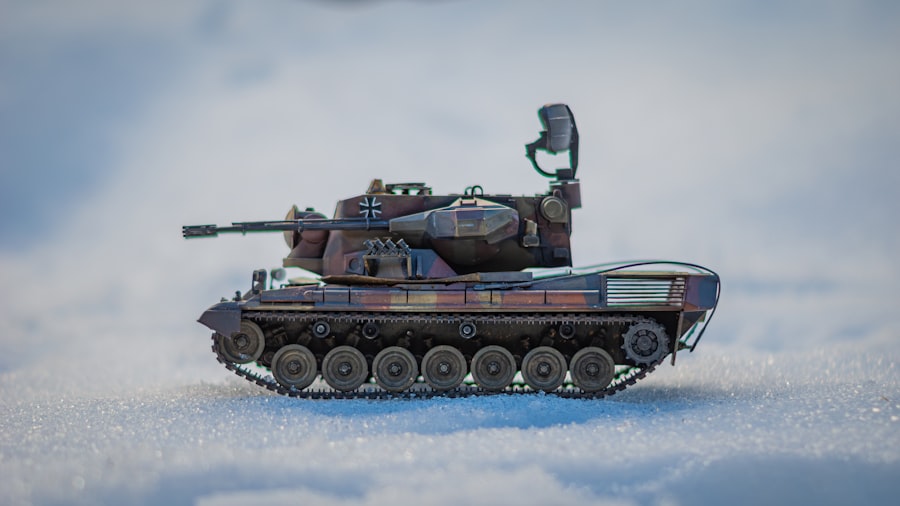
The centralized air defense brain is not merely a technical system; it represents a critical component of Germany’s national security and its role within European and international alliances. Its strategic importance is multifaceted and continuously evolving.
Deterrence and Assurance
A robust and responsive air defense capability serves as a significant deterrent against potential adversaries. The knowledge that airspace violations will be detected and countered effectively increases the cost of aggression and provides assurance to allies and the German population. This visible capability signals a commitment to national sovereignty and territorial integrity.
NATO’s Eastern Flank
Germany’s geographical position places it on a critical segment of NATO’s eastern flank. Its centralized air defense system plays a vital role in providing collective defense for the alliance, contributing to the overall security posture of Eastern Europe and deterring potential aggression in the region. The seamless integration with NATO assets amplifies this contribution significantly.
Protection of Critical Infrastructure
The centralized air defense brain is responsible for protecting vital national infrastructure, including major cities, industrial centers, transportation hubs, and military installations, from aerial threats. This ensures the continuity of essential services and the resilience of the German economy and society.
Evolving Threat Landscape
The nature of aerial threats is constantly evolving, with advancements in drone technology, hypersonic missiles, and cyber warfare posing new challenges. Germany’s air defense system must continuously adapt to these changes.
Countering Unmanned Aerial Systems (UAS)
The proliferation of drones of all sizes presents a significant challenge. The centralized air defense system is being adapted to effectively detect, track, and neutralize these often low-flying and difficult-to-detect threats, requiring specialized sensors and engagement methods.
Addressing Hypersonic Threats
Hypersonic weapons, with their immense speed and maneuverability, represent a new frontier in aerial warfare. Developing effective countermeasures and detection methods for these advanced systems is a key area of research and development for German air defense.
Cyber Resilience
As air defense systems become more reliant on digital networks and software, cyber resilience becomes paramount. Protecting the centralized brain from cyberattacks that could disrupt its operations or compromise its data is a critical ongoing effort.
Future Development and Modernization
Germany is actively engaged in modernizing its air defense capabilities. This includes investing in new sensor technologies, upgrading existing weapon systems, and exploring next-generation air defense concepts.
Multi-Domain Operations
The future of warfare lies in multi-domain operations, where air, land, sea, cyber, and space capabilities are integrated. Germany’s air defense C2 architecture must be adapted to function effectively within this broader, interconnected battlespace, coordinating with all other domains.
Network-Centric Warfare
The concept of network-centric warfare, where information superiority and seamless connectivity are key, is driving further integration and automation within air defense. The “centralized brain” is becoming increasingly distributed and interconnected, enabling faster and more synchronized responses.
International Cooperation
Given the transnational nature of aerial threats, continued and deepened international cooperation, particularly within NATO and the EU, will be essential for the future of German air defense. This includes joint procurement initiatives, shared developmental research, and coordinated operational planning.
The centralized brain of German air defense is a complex and dynamic entity, a testament to the ongoing commitment to national security and collective defense. Its evolution is not merely technological but strategic, adapting to an ever-changing global security environment. The continuous investment in its capabilities underscores its critical role in safeguarding Germany’s airspace and contributing to regional stability.
FAQs
What is the centralized brain of German air defense?
The centralized brain of German air defense refers to the command and control center responsible for coordinating and managing the country’s air defense operations. It integrates various sensors, communication systems, and decision-making processes to effectively detect, track, and respond to potential aerial threats.
What is the purpose of the centralized brain of German air defense?
The primary purpose of the centralized brain of German air defense is to ensure the protection of German airspace from potential threats, including enemy aircraft, missiles, and other aerial incursions. It enables efficient and coordinated responses to potential threats, thereby enhancing the overall effectiveness of the country’s air defense capabilities.
How does the centralized brain of German air defense operate?
The centralized brain of German air defense operates by collecting and analyzing data from various radar systems, surveillance equipment, and other sources to monitor the airspace. It then processes this information to generate a comprehensive situational awareness picture, enabling decision-makers to assess potential threats and deploy appropriate response measures.
What technologies are utilized in the centralized brain of German air defense?
The centralized brain of German air defense leverages advanced technologies such as radar systems, data fusion algorithms, communication networks, and command and control software. These technologies enable real-time monitoring, analysis, and decision-making to effectively manage air defense operations.
How does the centralized brain of German air defense contribute to national security?
The centralized brain of German air defense plays a crucial role in safeguarding national security by providing the capability to detect, track, and respond to potential aerial threats. By centralizing and coordinating air defense operations, it enhances the country’s ability to protect its airspace and respond to potential security challenges.