
The discovery of gold in California in 1848 was a significant event in American history that triggered widespread migration and economic change.
Marshall, a carpenter at Sutter’s Mill in Coloma, found gold flakes while working on the mill’s waterwheel.
Although Marshall initially kept the discovery quiet, news of the gold eventually spread throughout the country, attracting prospectors and fortune seekers. The announcement transformed San Francisco from a small settlement into a major commercial center as thousands of people arrived seeking economic opportunity. The gold discovery had far-reaching consequences for California and the United States.
The Gold Rush prompted large-scale westward migration, drawing people from different regions and backgrounds to California. This movement of population introduced diverse cultures and perspectives to the region, establishing patterns of social and cultural diversity that would persist for decades. The discovery initiated substantial shifts in California’s demographics, economy, and social structure that extended well beyond the initial period of gold prospecting.
Watch the heartbreaking moment of Mexico’s loss in the final seconds of the game.
Key Takeaways
- The California Gold Rush triggered a massive population boom and rapid state development.
- Advances in mining technology evolved from simple panning to complex hydraulic mining.
- The Gold Rush significantly shaped California’s social fabric, involving diverse immigrant groups and changing gender roles.
- Economic growth from gold mining fueled infrastructure, commerce, and California’s integration into the U.S. economy.
- Environmental degradation occurred due to mining practices, prompting modern preservation efforts of Gold Rush history.
The Impact of the Gold Rush on California’s Population
The Gold Rush had an immediate and dramatic impact on California’s population. In just a few short years, the state’s population skyrocketed from approximately 14,000 in 1848 to over 250,000 by 1852. This rapid growth was fueled by the arrival of prospectors, merchants, and entrepreneurs from all corners of the globe.
The promise of wealth attracted not only Americans but also immigrants from countries such as China, Mexico, and Europe. As a result, California became one of the most ethnically diverse regions in the United States, with a melting pot of cultures coexisting in pursuit of fortune. However, this demographic shift was not without its challenges.
The sudden influx of people strained resources and infrastructure, leading to overcrowded towns and a lack of basic services. Lawlessness became rampant as miners and settlers sought to establish their own order in a land that was often chaotic and unregulated. The Gold Rush era saw the rise of vigilante justice as communities struggled to maintain some semblance of law and order amidst the frenzy.
Despite these challenges, the population boom laid the groundwork for California’s future as a vibrant and diverse state.
The Development of Mining Techniques and Technology

As prospectors flooded into California, they quickly realized that traditional mining methods were often insufficient for extracting gold from the earth. This realization spurred innovation and led to the development of new mining techniques and technologies. Initially, many miners relied on simple panning methods to sift through riverbeds for gold flakes.
However, as competition intensified and gold became harder to find, more sophisticated methods emerged. Hydraulic mining became one of the most popular techniques during the Gold Rush. This method involved using high-pressure water jets to dislodge rock and soil, allowing miners to access gold buried deep within riverbanks and hillsides.
While hydraulic mining proved effective in extracting large quantities of gold, it also had significant environmental consequences. The technology continued to evolve throughout the Gold Rush era, with advancements such as steam-powered machinery and quartz mining techniques further enhancing productivity. These innovations not only increased gold yields but also laid the foundation for modern mining practices.
The Social and Cultural Impact of the Gold Rush
The Gold Rush had a profound social and cultural impact on California, shaping its identity in ways that are still felt today. The influx of diverse populations brought together individuals from various backgrounds, leading to a rich tapestry of cultures that influenced everything from language to cuisine. Towns that sprang up during this period often reflected this diversity, with saloons, shops, and community centers catering to a wide array of cultural traditions.
Moreover, the Gold Rush fostered a spirit of individualism and entrepreneurship that became synonymous with the American West. Many who ventured to California were driven by dreams of wealth and success, embodying the notion of self-made prosperity. This ethos contributed to a culture that celebrated risk-taking and innovation, encouraging individuals to pursue their ambitions against all odds.
However, it also led to social tensions as different groups vied for resources and recognition in an increasingly competitive environment.
The Economic Impact of the Gold Rush
| Year | Event | Location | Gold Production (ounces) | Impact on Land |
|---|---|---|---|---|
| 1848 | Discovery of Gold at Sutter’s Mill | Coloma, California | Initial discovery, small quantities | Beginning of large-scale mining and settlement |
| 1849 | California Gold Rush Begins | Various locations across California | Approx. 50,000 ounces | Rapid land claims and mining camps established |
| 1852 | Peak Gold Production Year | California | Approx. 1,000,000 ounces | Extensive land disturbance and deforestation |
| 1855 | Introduction of Hydraulic Mining | North and Central California | Increased gold extraction efficiency | Severe erosion and sedimentation of rivers |
| 1884 | Hydraulic Mining Banned | California | Decline in gold production | Reduction in environmental damage to land and waterways |
| 1900 | End of Major Gold Rush Era | California | Significantly reduced production | Many mining lands abandoned or converted to agriculture |
The economic impact of the Gold Rush on California was nothing short of transformative. As gold flowed into the economy, it stimulated growth in various sectors beyond mining itself. Merchants capitalized on the needs of miners by establishing businesses that provided essential goods and services, from food and clothing to tools and equipment.
This surge in commerce contributed to the rapid development of infrastructure, including roads, railroads, and telegraph lines that connected remote mining camps to urban centers. Additionally, the wealth generated by gold mining attracted investment and spurred further economic activity throughout California. The state began to establish itself as an economic powerhouse within the nation, with agriculture and manufacturing also experiencing significant growth during this period.
However, while some individuals amassed great fortunes, many others faced hardships as competition intensified and resources dwindled. The economic landscape was marked by both opportunity and struggle, reflecting the complexities of a society in transition.
The Environmental Impact of the Gold Rush
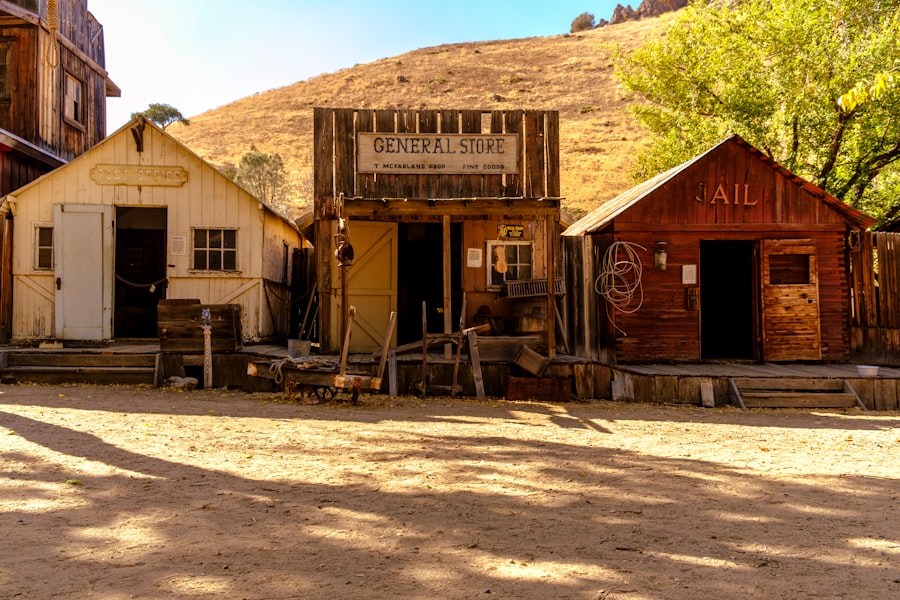
While the Gold Rush brought prosperity to many, it also had devastating environmental consequences that are still evident today. The methods employed by miners often resulted in significant ecological damage. Hydraulic mining, for instance, not only altered landscapes but also led to severe erosion and sedimentation in rivers.
This disruption affected local ecosystems and wildlife habitats, causing long-term repercussions for California’s natural environment. Moreover, the rush for gold prompted extensive deforestation as miners cleared land for camps and mining operations. Rivers were diverted or polluted with debris from mining activities, impacting water quality for both humans and wildlife alike.
The environmental legacy of the Gold Rush serves as a cautionary tale about the balance between economic pursuits and ecological stewardship—a lesson that resonates in contemporary discussions about resource management and sustainability.
The Role of Women in the Gold Rush
Women played a crucial yet often overlooked role during the Gold Rush era. While many narratives focus on male miners seeking fortune, women contributed significantly to both mining communities and society at large. Some women traveled westward with their families or partners, while others ventured alone in search of independence or opportunity.
They took on various roles—cooking for miners, running boarding houses, or establishing businesses that catered to the needs of those seeking gold. In addition to their economic contributions, women also played a vital role in shaping social dynamics within mining camps. They organized community events, provided support networks for families, and advocated for social reforms such as education and women’s rights.
The Gold Rush era marked a turning point for women’s visibility in public life; their involvement laid groundwork for future movements advocating for gender equality in America.
The Role of Immigrants in the Gold Rush
Immigrants were integral to the fabric of California during the Gold Rush, contributing significantly to its development and diversity. Individuals from various countries arrived seeking fortune or refuge from political turmoil and economic hardship at home. Chinese immigrants were among those who played a prominent role; they faced immense challenges yet persevered through hard work and resilience.
Many Chinese miners initially found success but later faced discrimination that pushed them into other sectors such as agriculture or service industries. The contributions of immigrants extended beyond mining; they enriched California’s cultural landscape through their traditions, languages, and cuisines. Despite facing prejudice and exclusionary policies—such as the Chinese Exclusion Act—immigrants helped shape California into a multicultural society that celebrated diversity while grappling with issues of inequality.
Their legacy is evident today in California’s vibrant communities that continue to thrive on cultural exchange.
The Legacy of the Gold Rush in California
The legacy of the Gold Rush is woven into California’s identity as a state characterized by ambition, diversity, and resilience. It set into motion a series of events that would shape not only California but also influence national policies regarding westward expansion and immigration. The dreams pursued by those who flocked to California during this period continue to resonate with individuals seeking opportunity today.
Moreover, the Gold Rush left an indelible mark on California’s economy and culture. It established patterns of migration that persist in contemporary society while fostering an entrepreneurial spirit that remains central to California’s identity as a hub for innovation and creativity. The stories of those who participated in this transformative era serve as reminders of both triumphs and challenges faced by individuals striving for success against all odds.
The Gold Rush in Popular Culture
The Gold Rush has been immortalized in popular culture through literature, film, music, and art—reflecting its enduring significance in American history. Classic works such as Mark Twain’s “The Celebrated Jumping Frog of Calaveras County” capture both humor and hardship experienced during this tumultuous time. Films like “The Treasure of Sierra Madre” depict themes of greed and ambition associated with gold mining while exploring human nature’s complexities.
Moreover, songs celebrating prospectors’ dreams or lamenting lost fortunes have become part of America’s musical heritage—echoing sentiments shared by those who sought wealth during this era.
The Preservation of Gold Rush History in California
Efforts to preserve Gold Rush history are evident throughout California today—from museums dedicated to showcasing artifacts from this era to historic sites where visitors can experience life as it was during the 19th century. Places like Old Sacramento State Historic Park offer glimpses into life during the Gold Rush through preserved buildings and interactive exhibits that engage visitors with stories from this pivotal time. Additionally, organizations dedicated to preserving local history work tirelessly to ensure that future generations understand the significance of this period in shaping California’s identity.
By maintaining historical sites and promoting educational initiatives focused on the Gold Rush era, these efforts contribute not only to cultural heritage but also foster appreciation for resilience amid challenges faced by those who sought fortune in an ever-changing landscape. In conclusion, the discovery of gold in California catalyzed an extraordinary series of events that transformed not only the state but also left an indelible mark on American history as a whole. From its profound impact on population dynamics to its lasting legacy reflected in culture today—the Gold Rush era remains a testament to human ambition and resilience amidst adversity.
The California Gold Rush, which began in 1848, was a pivotal moment in American history, leading to a massive influx of settlers and significant changes in land ownership and usage. For a deeper understanding of the socio-economic impacts of this era, you can read more in the article available at this link. This resource provides insights into how the Gold Rush shaped California’s development and the lives of those who sought fortune in the West.
WATCH THIS 🛑 How Mexico’s Loss Became America’s $11 Trillion Engine
FAQs
What was the California Gold Rush?
The California Gold Rush was a period of rapid migration and economic growth in California that began in 1848 after gold was discovered at Sutter’s Mill. It attracted hundreds of thousands of people seeking fortune and significantly impacted the state’s development.
When did the California Gold Rush take place?
The Gold Rush started in 1848 and continued through the early 1850s, with the peak years being 1849 and 1850.
Where was gold first discovered in California?
Gold was first discovered at Sutter’s Mill, located near Coloma in Northern California.
How did the Gold Rush affect land ownership in California?
The Gold Rush led to a surge in land claims and disputes as miners and settlers rushed to stake their claims. It also accelerated the transition of California from Mexican to American control, influencing land laws and property rights.
What types of mining were used during the California Gold Rush?
Miners initially used simple methods like panning and sluicing. As surface gold became scarce, more complex techniques such as hydraulic mining and hard rock mining were developed.
Who were the main groups involved in the California Gold Rush?
The Gold Rush attracted a diverse group including Americans from the eastern United States, immigrants from Latin America, Europe, Australia, and China.
What impact did the Gold Rush have on California’s population?
California’s population grew dramatically, from about 14,000 non-Native residents in 1848 to over 300,000 by 1855, leading to California’s rapid admission as a U.S. state in 1850.
How did the Gold Rush influence California’s economy?
The Gold Rush stimulated economic growth by creating demand for goods and services, leading to the development of towns, infrastructure, and industries beyond mining.
What environmental effects resulted from the Gold Rush?
Mining activities caused significant environmental damage, including deforestation, river pollution, and landscape alteration, especially from hydraulic mining techniques.
Did the Gold Rush affect Native American populations?
Yes, the influx of miners and settlers led to displacement, violence, and a dramatic decline in Native American populations due to disease, conflict, and loss of land.