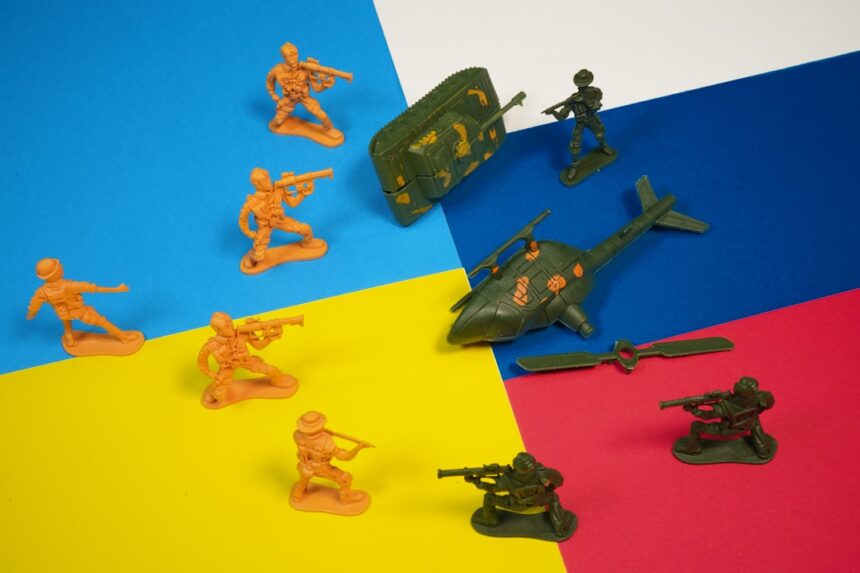
The stage is not merely a platform for actors; it is a meticulously crafted environment, a three-dimensional manifestation of narrative. In the realm of theatre and film, set design operates as a silent, yet profoundly influential, character. However, the impact of thoughtful and strategic set design extends far beyond the footlights and confessionals. It is an essential, often overlooked, element in the history of military strategy, shaping perceptions, facilitating maneuvers, and ultimately, influencing the very outcome of conflict.
Military campaigns are not solely fought on physical terrain; they are also waged in the minds of commanders and soldiers. The perceived landscape, the environment in which a battle is expected to unfold, can be as crucial as the actual topography. Set design, in this military context, refers to the deliberate creation or manipulation of an environment to influence enemy perception and to optimize friendly operations. This is not about building elaborate movie sets for propaganda, though that too has its place. Rather, it encompasses the strategic selection, construction, and alteration of physical spaces on the battlefield to serve a specific military purpose.
The Illusion of Strength: Deception and Deterrence
The art of war, as Sun Tzu famously articulated, begins with deception. Set design plays a vital role in projecting an image of strength or weakness, influencing an adversary’s decision-making before a single shot is fired.
Creating Fortifications: More Than Just Walls
The construction of seemingly impregnable fortresses or defensive lines can serve as a powerful deterrent. The sheer visual presence of substantial fortifications, even if not fully staffed or equipped, can cause an enemy to reconsider an assault, fearing heavy casualties and a prolonged siege. Conversely, the deliberate lack of visible defenses in certain areas can be a form of deception, drawing an enemy into a perceived vulnerability that is, in reality, a meticulously prepared trap. Consider the construction of dummy artillery emplacements or fabricated troop concentrations. These are, in essence, elements of set design, creating a visual narrative of formidable opposition where none may truly exist in force.
The Role of Terrain Modification: Sculpting the Battlefield
Beyond static structures, the deliberate modification of natural terrain can dramatically alter the character of the battlefield and influence enemy approaches. The creation of false obstacles, the digging of extensive but ultimately empty trench lines in decoy locations, or the shaping of hillsides to suggest advantageous positions – these are all forms of battlefield set design. The goal is to guide the enemy’s movements, to lead them into kill zones, or to force them into unfavorable engagements by presenting a landscape that appears more hospitable or strategically sound than it truly is.
The Strategic Stage: Facilitating Maneuver and Defense
Beyond psychological warfare, set design is fundamentally about creating optimal conditions for friendly forces to operate and to deny those same conditions to the enemy. This involves manipulating the environment to facilitate movement, communication, and observation, while simultaneously hindering the enemy’s ability to do the same.
The Geometry of Conflict: Laying the Groundwork for Attack and Defense
The arrangement of natural and artificial elements on the battlefield can dictate the flow of combat. The establishment of fortified positions that offer interlocking fields of fire, the creation of communication trenches that allow for the safe movement of troops and supplies, and the strategic placement of observation posts are all critical aspects of this environmental design. Think of a chess game played on a vast, three-dimensional board. The pieces (soldiers, artillery, vehicles) move across a landscape that has been carefully prepared.
Optimizing Fields of Fire: The Architect of Destruction
The orientation of defensive positions, the clearing of fields of fire, and the creation of artillery observation points are all decisions that mirror architectural principles. The goal is to provide clear lines of sight for weapons systems, maximizing their effectiveness and ensuring that no enemy element can approach undetected or unmoloved. This involves understanding the capabilities of one’s own weaponry and designing the environment to best leverage those strengths.
Facilitating Troop Movement: The Choreography of War
The creation of clear, protected pathways for troop movement is as essential as designing a functional backstage for a play. Communication trenches, well-maintained roads leading to forward positions, and the careful selection of approach routes for attacks all contribute to the efficient deployment and repositioning of forces. Conversely, the creation of impassable terrain, the flooding of low-lying areas, or the deliberate obstruction of key avenues of approach serve to bog down and isolate enemy forces.
The Theater of Operations: Defining Battle Lines
The concept of a “theater of operations” itself is a form of broad-stroke set design. By concentrating forces and resources in a particular geographical area, commanders are, in effect, defining the stage upon which the primary conflict will play out. The selection of this theater is informed by a multitude of factors, including logistical considerations, the strategic importance of the terrain, and the potential for the environment to favor one side over the other.
Logistical Hubs: The Supporting Scenery
The establishment of supply depots, field hospitals, and command centers in strategically advantageous locations is akin to creating the essential backstage infrastructure that enables a play to run. These locations must be accessible, defensible, and well-connected to the front lines. Their design and placement are crucial for sustaining prolonged military operations.
Strategic Terrain: The Anchors of the Set
Certain geographical features – mountain passes, river crossings, fertile plains – can become the focal points of a campaign, acting as immovable anchors within the broader set design. Understanding the strategic value of these features and how to control them is paramount. A river crossing, for example, can be a bottleneck, a choke point that can be fiercely defended or a vital artery that must be captured.
The intricate relationship between set design and military strategy has been explored in various contexts, highlighting how spatial arrangements can influence both perception and decision-making. A related article that delves into this connection can be found at In the War Room, where the author discusses how the principles of set design can be applied to military operations, emphasizing the importance of environment in shaping outcomes. This exploration provides valuable insights into how visual and spatial elements can impact strategic planning and execution in both creative and military fields.
The Psychology of Space: How Environment Influences Morale and Behavior
The design of a battlefield extends beyond mere tactical advantage; it has a profound psychological impact on those who fight within it. The environment can foster a sense of security and purpose, or it can breed fear and despair. Set design in warfare, therefore, is also about managing the psychological landscape.
Fostering Cohesion and Control: The Commander’s Blueprint
The physical arrangement of troops and resources can significantly influence unit cohesion and the effectiveness of command and control. A well-organized encampment, for instance, can promote a sense of order and discipline.
Encampments as Microcosms: The City Under Canvas
The layout of military camps, with their designated areas for different units, training grounds, and administrative buildings, is a form of deliberate set design. A systematic and well-ordered encampment can project an image of discipline and readiness, boosting morale and instilling confidence. Conversely, a chaotic and disorganized camp can signal weakness and disarray.
Lines of Communication: The Arteries of Information
The establishment and maintenance of clear lines of communication – physical pathways for messengers, signal stations, and later, radio communication – are vital to command and control. The design of these communication networks ensures that information flows efficiently, allowing commanders to react swiftly to changing circumstances and to maintain control over their forces.
Inducing Fear and Disruption: The Enemy’s Psychological Arena
The set designer’s tools can also be used to sow fear and confusion among enemy forces. The creation of a terrifying and disorienting environment can cripple an adversary’s will to fight.
The Horror of the Unknown: Lurking Threats in the Shadows
The deliberate creation of ambiguous or unsettling environments can play on the enemy’s fears. Dense fog banks, the use of smoke screens to obscure visibility, or the creation of seemingly impassable terrain can all contribute to a sense of unease and vulnerability. These are elements of a psychological set design, aimed at making the enemy feel exposed and uncertain.
Sensory Overload and Deprivation: The Manipulation of Perception
The strategic use of noise, light, and darkness can be employed to disorient and demoralize enemy forces. The deafening roar of artillery barrages, the blinding flash of searchlights, or the oppressive darkness of a moonless night can all contribute to a breakdown in enemy coordination and morale. This is the battlefield as a stage for sensory assault.
The Evolution of Set Design in Warfare: From Trenches to Digital Landscapes
The principles of set design in warfare have evolved in tandem with technological advancements and changing military doctrines. What once involved the physical manipulation of terrain now encompasses the creation of virtual battlefields and the projection of sophisticated digital illusions.
The Industrial Age: Grand Theaters of Operation
The era of industrial warfare saw the rise of large-scale, attritional conflicts. Set design in this period was characterized by vast fortifications, extensive trench networks, and the mobilization of immense logistical infrastructures.
Trench Warfare: The Grim Architecture of Stalemate
The iconic trench systems of World War I represent a stark example of set design on an unprecedented scale. These were not simply dugouts; they were intricate, engineered environments designed for defense, communication, and the gruesome theater of attrition. The layout of trenches, dugouts, and barbed wire entanglements was a deliberate design aiming to inflict maximum casualties on any attacking force.
Fortifications and Siege Warfare: Bastions Against the Tide
The construction of massive fortifications, such as those at Verdun or along the Maginot Line, represents a significant investment in creating a seemingly unassailable set piece. These structures were designed to withstand prolonged bombardment and to channel enemy attacks into pre-determined killing zones, transforming the landscape into a defensive stage.
The Modern Era: Precision and Deception in a Dynamic Environment
With the advent of mechanized warfare and air power, the nature of battlefield set design shifted towards greater mobility, precision, and the sophisticated use of deception.
Urban Warfare: The Collapsed Scenery of the City
The urban environment presents unique challenges and opportunities for set design in warfare. The destruction and alteration of buildings, the creation of improvised cover, and the utilization of the urban maze itself become elements of battlefield design. Commanders must navigate and manipulate a chaotic, often unpredictable, set.
The Art of Camouflage: Hiding the Props
Camouflage, in all its forms, is a fundamental aspect of battlefield set design. It involves blending military assets – vehicles, positions, soldiers – into the surrounding environment, effectively altering the perceived “set” for the enemy observer. This ranges from simple paint schemes to sophisticated electronic countermeasures designed to disrupt enemy surveillance.
The Role of Air Power: Redrawing the Map
The ability to conduct aerial reconnaissance and to deliver precision strikes has fundamentally changed the nature of battlefield set design. Commanders can now rapidly alter the terrain, destroy enemy fortifications, and create new avenues of approach through aerial bombardment, effectively redrawing the stage from above.
Beyond the Battlefield: The Influence of Set Design on Public Perception and Will
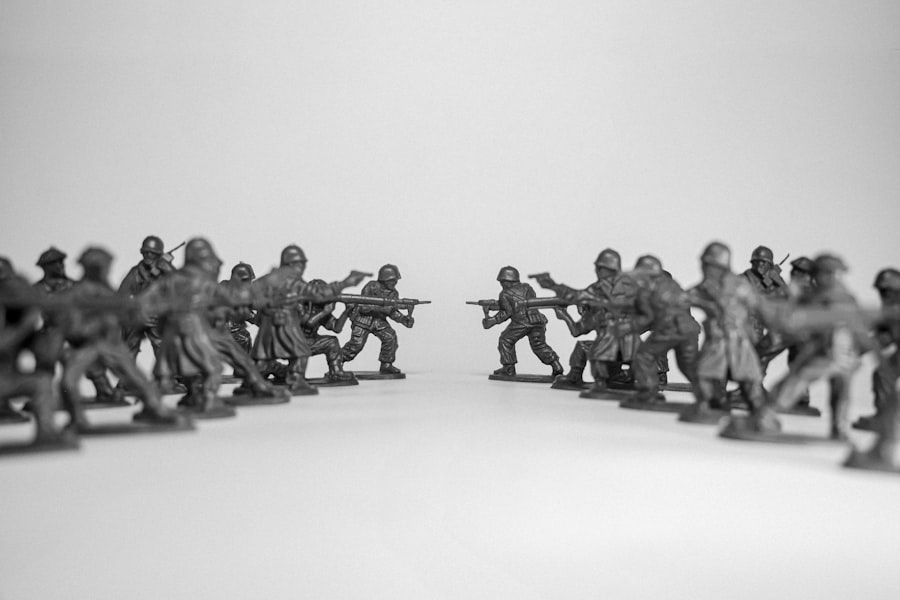
The influence of set design in warfare is not confined to the immediate tactical engagements. It extends outward, shaping public perception, influencing political decision-making, and ultimately, impacting the national will to wage conflict.
The Propaganda Machine: Crafting the Narrative on the Grand Stage
The visual narrative presented to the public during wartime is a powerful form of set design. Newsreels, photographs, and official statements are curated to create a specific impression of events, influencing public opinion and bolstering support for the war effort.
Visual Storytelling: The Cinema of Conflict
The selection of images and the framing of events in wartime propaganda are akin to cinematic set design. Each photograph or film clip is a carefully constructed scene, designed to evoke specific emotions and to convey a particular message. The objective is to create a compelling narrative that rallies support and demonizes the enemy.
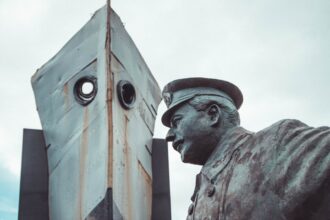
The Symbolism of Scenery: Monuments and Memorials
The creation of war memorials and monuments, while often post-conflict, can also be seen as a form of enduring set design. These structures serve to commemorate sacrifice, to shape historical memory, and to reaffirm national identity, influencing how future generations perceive the nature and cost of war.
The Shaping of Diplomacy: The Stage for Negotiation
Even in the realm of diplomacy, where conflict is ostensibly avoided, the principles of set design can be observed. The negotiation table, the meeting rooms, and the surrounding environments are all chosen and prepared to subtly influence the atmosphere and the perceived power dynamics between parties.
The Power of Place: International Arenas
The selection of neutral venues for peace talks or international conferences, the grandeur of diplomatic buildings, and even the seating arrangements can all be seen as elements of carefully considered environmental design. These elements are intended to convey respect, equality, or an assertion of authority, all aimed at influencing the tenor and outcome of negotiations.
Presenting a United Front: The Grand Spectacle of Power
State visits, military parades, and other public displays of power are, in essence, elaborately staged events. The precision of marching troops, the gleaming machinery of war, and the symbolic architecture of capital cities all combine to create an imposing spectacle, projecting an image of national strength and resolve to both domestic and international audiences. This is set design for the global stage.
The intricate relationship between set design and military strategy has been explored in various contexts, revealing how spatial arrangements can influence both perception and behavior. For a deeper understanding of this connection, you might find the article on military tactics and their parallels in theatrical set design particularly insightful. This piece discusses how the principles of creating effective environments for storytelling can mirror the strategic considerations in military operations. You can read more about it in this article.
The Future of Battlefield Set Design: Virtual Realities and Algorithmic Battlefields
| Aspect | Set Design Element | Military Strategy Element | Connection/Impact | Example |
|---|---|---|---|---|
| Spatial Awareness | Stage layout and positioning | Battlefield terrain analysis | Both require understanding of space to optimize movement and positioning | Using elevated platforms to simulate high ground advantage |
| Camouflage | Set dressing and color schemes | Concealment and deception tactics | Use of colors and textures to blend or mislead the audience or enemy | Using muted colors to hide actors or props in background |
| Resource Allocation | Material and prop placement | Logistics and supply chain management | Efficient use of limited resources to achieve maximum effect | Strategic placement of props to minimize scene changes |
| Movement and Flow | Pathways and entrances/exits | Troop movement and maneuvering | Designing routes to facilitate smooth transitions and tactical advantage | Creating narrow corridors to simulate chokepoints |
| Psychological Impact | Lighting and atmosphere | Morale and intimidation tactics | Use of environment to influence emotions and perceptions | Dark, oppressive set to evoke fear or tension |
As technology continues its relentless march forward, the concept of set design in warfare is poised for further radical transformation. The physical battlefield may increasingly be augmented, or even replaced, by its virtual counterpart, with profound implications for strategy and perception.
The Rise of Virtual Warfare: The Digital Canvas of Conflict
The increasing sophistication of simulation technologies and virtual reality platforms opens up new frontiers for battlefield set design. Training scenarios can be crafted with unprecedented realism, allowing commanders and soldiers to experience complex tactical situations in a safe and controlled environment.
Immersive Training Environments: Practicing on a Virtual Stage
Virtual reality simulations allow for the creation of highly realistic battlefield environments, complete with dynamic weather, complex terrain, and adversarial AI. This enables troops to train for a vast array of combat scenarios without the logistical and safety concerns of real-world exercises. It’s like rehearsing a play with an infinite number of costume changes and backdrop alterations.
Designing the Cyberspace Theater: The Invisible Battlefield
The ongoing evolution of cyber warfare introduces an entirely new dimension to battlefield set design. The manipulation of information, the disruption of networks, and the creation of digital illusions within cyberspace are all forms of environmental design, albeit on a non-physical plane. The battlefield becomes a network of invisible systems and data flows.
Algorithmic Warfare and the Unseen Architect: The Hand Behind the Design
The increasing reliance on artificial intelligence and autonomous systems in warfare raises questions about the future role of human set designers. As algorithms begin to dictate tactical decisions and resource allocation, the “design” of the battlefield may become an emergent property of complex computational processes.
The Data-Driven Landscape: Optimizing for Efficiency
Future battlefields may be shaped by algorithms that optimize troop deployment, define engagement zones, and even create deceptive digital environments based on real-time data analysis. This could lead to a highly fluid and unpredictable “set” that is constantly being reconfigured.
The Ethical Quandaries of Automated Design: Who is the Director?
The prospect of algorithmic set design raises significant ethical questions. If a machine is designing the battlefield, who bears responsibility for the consequences? The human element of strategic foresight and moral judgment may be further abstracted, leading to a colder, more efficient, but potentially less humane form of warfare. The stage direction becomes automated, and the playwright is absent.
FAQs
What is set design in the context of theater and film?
Set design refers to the creation and arrangement of physical surroundings on a stage or film set, including scenery, props, and backdrops, to establish the environment and mood for a production.
How does military strategy relate to set design?
Military strategy involves planning and directing large-scale operations and movements to achieve specific objectives. The connection to set design lies in the use of spatial awareness, tactical positioning, and environmental manipulation to influence outcomes, concepts that are applicable in both fields.
Can principles of military strategy be applied to set design?
Yes, principles such as terrain analysis, strategic placement, and resource management from military strategy can inform set design by optimizing space usage, guiding audience focus, and enhancing narrative impact.
Why is understanding spatial dynamics important in both set design and military strategy?
Spatial dynamics affect movement, visibility, and interaction. In set design, this influences how actors and audiences experience a scene, while in military strategy, it determines troop movements and battlefield advantages.
Are there historical examples where military strategy influenced set design?
While direct historical examples are rare, some productions have drawn inspiration from military tactics to create realistic battle scenes or strategic layouts on stage, demonstrating the practical crossover between the two disciplines.