Naval warfare has served as a fundamental element of military strategy throughout history, determining the outcomes of conflicts and altering the distribution of power between nations. It involves diverse operations at sea, such as fleet engagements, amphibious operations, and the safeguarding of commercial shipping lanes. Beyond direct combat, naval warfare functions as a mechanism for establishing national security, demonstrating military capability, and enforcing sovereignty over maritime territories.
As international relations grow more complex, knowledge of naval warfare principles and practices has become increasingly important for policymakers and military strategists. The development of naval warfare demonstrates the influence of technological advancement, tactical innovation, and shifts in global political circumstances. Naval vessels and combat methods have undergone substantial changes from ancient rowing vessels to contemporary carrier battle groups.
This examination explores the historical development, strategic relevance, and projected evolution of naval warfare, emphasizing its continued importance in modern military contexts.
Key Takeaways
- Naval warfare has evolved from ancient sea battles to modern high-tech operations, playing a crucial role in military strategy and global security.
- Key tactics include blockades, amphibious assaults, and the use of submarines and aircraft carriers to control sea lanes.
- Naval intelligence is vital for gathering information, ensuring strategic advantage, and guiding decision-making in maritime conflicts.
- Technological advancements, such as missile systems, stealth technology, and unmanned vehicles, have transformed naval combat capabilities.
- Future naval warfare will likely focus on cyber warfare, autonomous systems, and enhanced global cooperation to address emerging maritime threats.
Historical Overview of Naval Warfare
The history of naval warfare is as old as civilization itself, with early examples dating back to ancient Egypt and Mesopotamia. The Greeks and Romans further advanced naval tactics, employing triremes and quinqueremes to dominate the Mediterranean Sea. The Battle of Salamis in 480 BC stands as a pivotal moment in naval history, showcasing the effectiveness of coordinated fleet maneuvers against a larger enemy force.
This early engagement set the stage for future naval conflicts and established the importance of maritime power in determining the fate of empires. As time progressed, the Age of Sail marked a significant turning point in naval warfare. The introduction of larger ships equipped with cannons revolutionized naval engagements, allowing for more destructive firepower and strategic maneuverability.
The British Royal Navy emerged as a dominant force during this period, exemplified by victories such as the Battle of Trafalgar in 1805.
The documentary reveals the shocking story of a
Naval warfare serves multiple strategic purposes within the broader context of military operations. One of its primary roles is to secure maritime trade routes, which are vital for economic stability and resource acquisition. Control over these routes can significantly impact a nation’s ability to sustain its military efforts and maintain its economy during times of conflict.
Additionally, naval forces can project power far beyond a nation’s borders, allowing for rapid response to emerging threats and the ability to influence events in distant regions. Moreover, naval warfare plays a crucial role in deterrence strategies. A formidable navy can dissuade potential adversaries from engaging in hostile actions, as the consequences of naval confrontation can be severe.
The presence of a strong naval fleet can also reassure allies and deter aggression from rival states, contributing to regional stability. In this way, naval power becomes an essential element of a nation’s overall military strategy, intertwining with land and air forces to create a comprehensive defense posture.
Key Naval Warfare Tactics and Techniques
Throughout history, various tactics and techniques have emerged as essential components of successful naval warfare. One fundamental tactic is the use of formations during battle. The line of battle tactic, where ships are arranged in a single line to maximize firepower against an enemy fleet, was particularly effective during the Age of Sail.
This formation allowed for coordinated broadsides that could devastate opposing ships while minimizing exposure to return fire. In addition to formations, the use of reconnaissance and intelligence gathering has become increasingly important in naval operations. Understanding enemy movements and intentions can provide a significant advantage in planning engagements.
Modern navies employ advanced surveillance technologies, including satellites and drones, to monitor maritime activities and gather critical information about potential threats. This intelligence-driven approach enables commanders to make informed decisions and adapt their strategies in real-time.
The Importance of Naval Intelligence in Warfare
| Metric | Description | Example Value | Strategic Importance |
|---|---|---|---|
| Fleet Size | Number of active naval vessels in a fleet | 150 ships | Determines overall naval presence and power projection |
| Carrier Strike Groups | Number of carrier groups capable of power projection | 5 groups | Key for air superiority and force projection over large distances |
| Submarine Count | Number of operational submarines | 30 submarines | Critical for stealth attacks, reconnaissance, and deterrence |
| Missile Range | Maximum effective range of naval missiles | 500 km | Determines strike capability and engagement distance |
| Radar Detection Range | Distance at which enemy vessels or aircraft can be detected | 250 km | Essential for early warning and tactical advantage |
| Logistical Support Capacity | Ability to sustain fleet operations (fuel, ammo, supplies) | 30 days at sea | Impacts operational endurance and mission duration |
| Electronic Warfare Capability | Effectiveness in disrupting enemy communications and sensors | High | Crucial for information dominance and defense against guided weapons |
| Amphibious Assault Capability | Number of troops and vehicles deployable via naval assets | 10,000 troops | Important for power projection and securing beachheads |
Naval intelligence is a cornerstone of effective naval warfare, providing commanders with the necessary information to make strategic decisions. The ability to gather and analyze data about enemy capabilities, movements, and intentions can significantly influence the outcome of naval engagements. Historically, successful naval campaigns have often relied on superior intelligence capabilities to outmaneuver opponents and exploit vulnerabilities.
In contemporary warfare, the integration of technology has transformed naval intelligence operations. Advanced sensors, satellite imagery, and cyber capabilities allow for real-time monitoring of maritime environments. This wealth of information enables navies to conduct precise operations while minimizing risks.
Furthermore, collaboration with allied nations enhances intelligence-sharing efforts, creating a more comprehensive understanding of global maritime threats.
The Impact of Technology on Naval Warfare
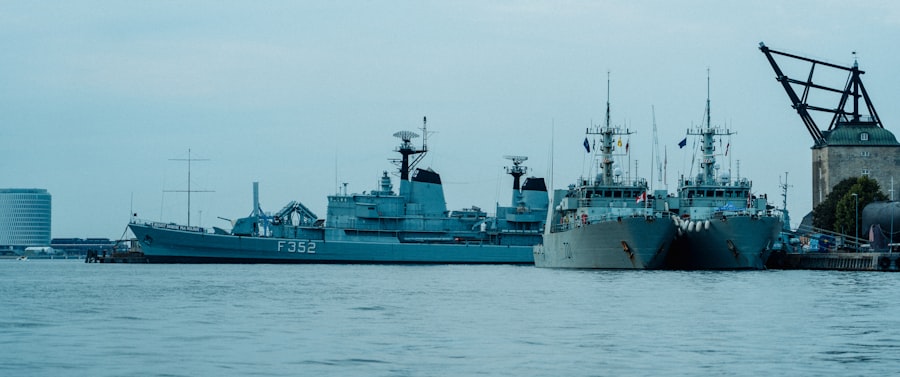
The impact of technology on naval warfare cannot be overstated. Innovations have consistently reshaped the landscape of maritime conflict, from the introduction of steam power to the development of nuclear submarines. The transition from sail to steam revolutionized naval mobility and logistics, allowing fleets to operate more efficiently across vast distances.
In recent decades, advancements in missile technology have further transformed naval engagements. Modern warships are equipped with sophisticated missile systems capable of striking targets with pinpoint accuracy from hundreds of miles away. This shift has led to a focus on long-range engagements rather than traditional ship-to-ship combat.
Additionally, the rise of unmanned systems, such as drones and autonomous vessels, is poised to redefine naval operations by enhancing surveillance capabilities and reducing risks to human personnel.
Naval Warfare in Modern Times
In modern times, naval warfare has evolved into a multifaceted domain that encompasses not only traditional combat but also humanitarian missions and anti-piracy operations. Navies around the world are increasingly involved in disaster relief efforts, providing assistance during natural disasters and humanitarian crises. This shift reflects a broader understanding of maritime security that extends beyond military objectives.
Moreover, contemporary naval conflicts often involve asymmetric warfare tactics employed by non-state actors. Piracy off the coast of Somalia and terrorist threats in maritime environments have prompted navies to adapt their strategies to address these emerging challenges. Collaborative efforts among nations have become essential in combating piracy and ensuring freedom of navigation in international waters.
The Role of Naval Warfare in Global Security
Naval warfare plays a pivotal role in maintaining global security by safeguarding international trade routes and ensuring freedom of navigation on the high seas. As globalization continues to expand economic interdependence among nations, the security of maritime trade has become increasingly critical. Disruptions to shipping lanes can have far-reaching consequences for economies worldwide.
Furthermore, navies serve as instruments of diplomacy and deterrence in international relations. The presence of naval forces in strategic regions can signal commitment to allies while deterring potential aggressors from pursuing hostile actions. Multinational naval exercises foster cooperation among allied nations, enhancing interoperability and strengthening collective security arrangements.
The Future of Naval Warfare
Looking ahead, the future of naval warfare is likely to be shaped by ongoing technological advancements and evolving geopolitical dynamics. The integration of artificial intelligence (AI) into naval operations holds great promise for enhancing decision-making processes and improving operational efficiency. AI-driven systems can analyze vast amounts of data quickly, providing commanders with actionable insights that can inform tactical choices.
Additionally, as climate change continues to impact global security dynamics, navies may find themselves increasingly involved in addressing environmental challenges such as rising sea levels and resource competition in Arctic regions.
Case Studies of Successful Naval Warfare Strategies
Examining historical case studies provides valuable insights into successful naval warfare strategies that have shaped military outcomes. One notable example is the U.S. Navy’s Pacific campaign during World War II, particularly the Battle of Midway in 1942.
Through effective intelligence gathering and decisive action, U.S. forces were able to turn the tide against Japan by sinking four aircraft carriers while losing only one themselves. This victory not only demonstrated the importance of intelligence but also highlighted the effectiveness of carrier-based aviation in modern naval warfare.
Another significant case study is the Royal Navy’s response during the Falklands War in 1982. Faced with an unexpected invasion by Argentina, British forces rapidly deployed a task force to reclaim the islands. The successful use of aircraft carriers and submarines showcased the importance of flexibility and adaptability in modern naval operations.
This conflict underscored how effective command-and-control structures could lead to decisive victories even against numerically superior forces.
The Evolution of Naval Warfare
The evolution of naval warfare reflects humanity’s ongoing quest for dominance at sea and its profound impact on global affairs. From ancient galleys to modern fleets equipped with cutting-edge technology, naval warfare has continually adapted to meet new challenges and opportunities. Its role in military strategy remains vital as nations navigate complex geopolitical landscapes.
As we look toward the future, it is clear that naval warfare will continue to evolve alongside technological advancements and shifting global dynamics. Understanding its historical context and strategic significance will be essential for military leaders and policymakers alike as they seek to navigate an increasingly interconnected world where maritime security remains paramount.
For those interested in a deeper understanding of military strategy analysis, particularly in the realm of naval warfare, I recommend checking out the article available at In the War Room. This resource provides insightful discussions and analyses that can enhance your comprehension of contemporary naval strategies and their implications in modern conflicts.
WATCH THIS 🛑 SHOCKING: The KGB Mole Who Made Every Soviet Submarine Visible
FAQs
What is military strategy analysis in naval warfare?
Military strategy analysis in naval warfare involves the study and evaluation of tactics, operations, and overall strategic planning used by naval forces to achieve military objectives at sea. It includes assessing enemy capabilities, environmental factors, and technological advancements to optimize naval engagements.
Why is naval warfare strategy important?
Naval warfare strategy is crucial because control of the seas can determine the outcome of conflicts by securing supply lines, projecting power, and protecting maritime interests. Effective strategy ensures naval forces can defend their territory, disrupt enemy operations, and support broader military goals.
What are the key components of naval warfare strategy?
Key components include fleet composition and deployment, logistics and supply chain management, intelligence and reconnaissance, use of technology and weaponry, command and control structures, and coordination with other military branches.
How has technology influenced naval warfare strategy?
Technological advancements such as submarines, aircraft carriers, missile systems, radar, and electronic warfare have significantly shaped naval strategy by enhancing detection, striking power, and defense capabilities, leading to new tactics and operational doctrines.
What role does geography play in naval strategy?
Geography affects naval strategy by influencing sea routes, chokepoints, territorial waters, and access to ports. Understanding geographic features helps commanders plan movements, establish blockades, and choose advantageous positions for engagements.
How do modern navies conduct naval warfare analysis?
Modern navies use simulations, war games, intelligence data, and historical case studies to analyze potential scenarios. They assess enemy strengths and weaknesses, environmental conditions, and technological factors to develop effective strategies and contingency plans.
What is the difference between naval tactics and naval strategy?
Naval strategy refers to the overall plan and long-term objectives in maritime warfare, while naval tactics focus on the specific maneuvers and engagements during battles. Strategy sets the goals; tactics execute the actions to achieve them.
Can naval strategy impact global politics?
Yes, naval strategy can influence global politics by affecting power balances, securing trade routes, and enabling force projection. Control of strategic maritime areas often plays a role in diplomatic negotiations and international relations.
What are some historical examples of naval strategy analysis?
Historical examples include the Battle of Trafalgar, where British naval strategy secured dominance over the French and Spanish fleets, and the Pacific campaigns of World War II, where island-hopping and carrier warfare were key strategic elements.
How do naval forces coordinate with other military branches in strategy?
Naval forces coordinate with air and land forces through joint operations, sharing intelligence, and integrated command structures to ensure cohesive strategies that leverage the strengths of each branch for combined effectiveness.