
The Spanish colonization of California commenced in the late 18th century, representing a pivotal period in the region’s development. In 1769, Gaspar de Portolá directed an expedition that established the initial European settlement in California, followed by Father Junípero Serra’s establishment of a chain of missions. These missions served dual purposes: converting indigenous populations to Christianity and securing Spanish territorial claims in the New World.
Spain’s colonial expansion was motivated by the desire to strengthen its empire and protect its interests from competing European powers, particularly Russia and England, which sought control of the Pacific coast. The construction of missions, presidios, and pueblos created the foundation for Spanish colonial authority in California, fundamentally transforming its cultural and social structures. Spanish colonization involved a multifaceted dynamic with indigenous populations.
Although missions aimed to integrate Native Americans into European cultural systems, they frequently disrupted traditional indigenous practices and social organizations. The arrival of European pathogens caused substantial mortality among indigenous communities, resulting in dramatic population decline. Spain’s land grant system prioritized European settlers and mission properties, systematically disadvantaging Native American tribes and limiting their territorial access.
Nevertheless, certain indigenous groups demonstrated resilience by adapting to colonial conditions, participating in commercial exchange, and establishing cooperative relationships with Spanish authorities. This colonial period fundamentally altered California’s trajectory, transforming it from a region of distinct indigenous civilizations into a territory increasingly dominated by European colonial interests and institutions.
Key Takeaways
- California transitioned from Spanish to Mexican control before becoming part of the United States after the Mexican-American War.
- The Bear Flag Revolt briefly established the California Republic prior to U.S. annexation.
- The Gold Rush triggered a massive population increase and economic transformation in California.
- California’s admission as a free state in 1850 shifted the balance of power in Congress amid sectional tensions.
- The state’s annexation led to significant cultural changes, conflicts with indigenous peoples, and shaped the development of the American West.
The Mexican rule and the Mexican-American War
Following Mexico’s independence from Spain in 1821, California became a part of Mexican territory. The transition from Spanish to Mexican rule brought about significant changes in governance and land ownership. The Mexican government sought to secularize the missions, redistributing their lands to private individuals and encouraging settlement by Mexican citizens.
However, the Mexican government struggled to maintain control over its northern territories, facing challenges from both indigenous uprisings and American settlers who were increasingly drawn to California’s promise.
The war was fueled by American expansionist sentiments, often referred to as Manifest Destiny, which held that the United States was destined to expand across the continent. California became a focal point during the conflict, as American forces sought to capture key territories. The war ended with a decisive American victory, leading to significant territorial gains for the United States and setting the stage for California’s eventual statehood. Watch the heartbreaking moment of Mexico’s loss in the final seconds of the game.
The Bear Flag Revolt and the California Republic
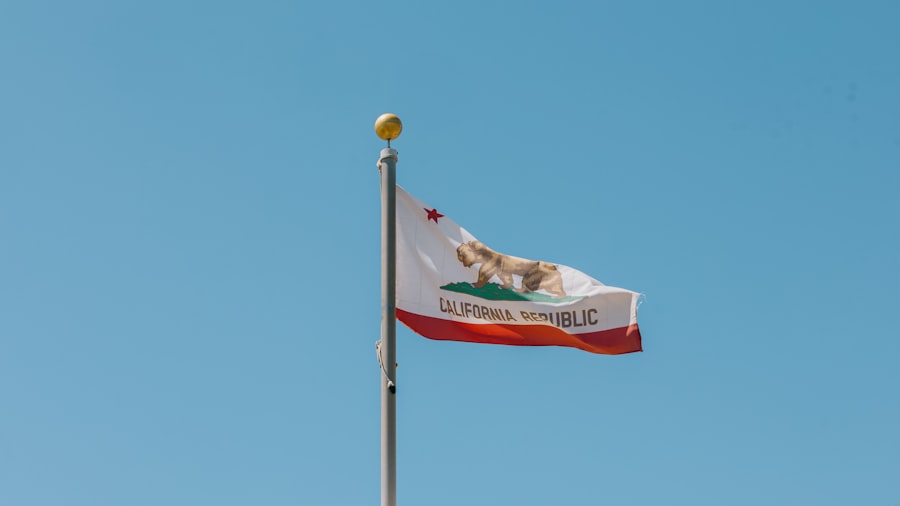
In June 1846, amidst the chaos of the Mexican-American War, a group of American settlers in California staged a revolt against Mexican rule, declaring independence and establishing the short-lived California Republic. This event, known as the Bear Flag Revolt, was fueled by a desire for self-governance and resentment towards Mexican authorities. The rebels raised a flag emblazoned with a grizzly bear and a red star, symbolizing their defiance and aspirations for independence.
Although the republic lasted only a few weeks before American military forces took control of California, it marked a significant moment in the region’s history. The Bear Flag Revolt reflected broader themes of nationalism and identity among American settlers in California. Many of these settlers were motivated by a sense of entitlement to land and resources, viewing themselves as pioneers in a new frontier.
The revolt also highlighted the complexities of California’s demographics, as it involved not only American settlers but also indigenous peoples and Mexicans who had lived in the region for generations. The brief existence of the California Republic served as a precursor to the larger changes that would follow with California’s incorporation into the United States.
The Treaty of Guadalupe Hidalgo
The conclusion of the Mexican-American War was formalized with the signing of the Treaty of Guadalupe Hidalgo in February 1848. This treaty had profound implications for both Mexico and the United States, as it resulted in Mexico ceding a vast expanse of territory that included present-day California, Nevada, Utah, Arizona, New Mexico, and parts of Colorado and Wyoming. In exchange for this land, the United States agreed to pay Mexico $15 million and assume certain claims made by American citizens against Mexico.
The treaty not only reshaped national borders but also ignited debates over slavery and governance in these newly acquired territories. The Treaty of Guadalupe Hidalgo marked a turning point for California, transitioning it from Mexican governance to American control. It also raised questions about the rights of Mexican citizens living in California at the time.
Many were granted U.S. citizenship under the treaty’s terms; however, they often faced discrimination and marginalization in their new political landscape. The treaty’s legacy would continue to influence California’s cultural identity as it navigated its place within an expanding United States.
The Gold Rush and the population boom
| Year | Event | Description | Impact |
|---|---|---|---|
| 1846 | Bear Flag Revolt | American settlers in California declared independence from Mexico. | Short-lived California Republic established, setting stage for U.S. control. |
| 1846-1848 | Mexican-American War | Conflict between the U.S. and Mexico over territories including California. | U.S. military occupied California during the war. |
| 1848 | Treaty of Guadalupe Hidalgo | Peace treaty ending the Mexican-American War. | Mexico ceded California and other territories to the U.S. |
| 1848 | California Gold Rush | Discovery of gold at Sutter’s Mill. | Rapid population growth and economic boom, accelerating statehood. |
| 1850 | California Statehood | California admitted as the 31st state of the United States. | Officially part of the U.S., balancing free and slave states. |
The discovery of gold at Sutter’s Mill in 1848 catalyzed one of the most significant events in American history: the California Gold Rush. News of gold spread rapidly across the nation and even internationally, drawing hundreds of thousands of prospectors and fortune-seekers to California in search of wealth. This influx transformed California from a sparsely populated territory into a bustling hub of activity almost overnight.
Towns sprang up around mining sites, and existing settlements expanded rapidly as people flocked to the region. The Gold Rush had far-reaching effects on California’s demographics and economy. By 1850, California’s population had skyrocketed from around 14,000 to over 300,000 people, creating a diverse melting pot of cultures and backgrounds.
While many sought fortune through mining, others found opportunities in supporting industries such as agriculture, transportation, and commerce. However, this rapid growth also led to significant challenges, including lawlessness and violence as communities struggled to establish order amidst the chaos of gold fever.
The Compromise of 1850 and the admission of California as a state
As California’s population surged during the Gold Rush, so did calls for statehood. In 1850, California applied for admission to the Union as a free state, which sparked intense debates over slavery and sectional tensions between Northern and Southern states. To address these conflicts, Congress enacted the Compromise of 1850, a series of legislative measures aimed at balancing interests on both sides.
This compromise allowed for California’s admission as a free state while also implementing stricter fugitive slave laws and allowing popular sovereignty in other territories. California’s admission as a state represented a significant milestone in its journey from a remote territory to an integral part of the United States. It solidified its status within the Union while also highlighting the contentious issues surrounding slavery that would ultimately contribute to the Civil War.
The Compromise of 1850 was seen as a temporary solution to an ongoing crisis; however, it underscored California’s unique position as a diverse state with varied interests that would continue to shape its political landscape.
The impact of California’s admission on the balance of power in Congress
California’s admission as a state had profound implications for the balance of power in Congress during a tumultuous period in American history. As a free state entering the Union, California tipped the scales in favor of Northern interests at a time when tensions between free and slave states were escalating. This shift heightened anxieties among Southern leaders who feared losing political influence and representation within Congress.
The admission also intensified debates over slavery in new territories acquired from Mexico, further polarizing national politics. The struggle for power within Congress was emblematic of broader societal divisions that would culminate in civil conflict. Southern states viewed California’s status as a threat to their way of life and economic interests tied to slavery.
In response, they sought to protect their rights through various means, including advocating for stronger protections for slaveholders’ interests in new territories. This ongoing struggle over representation would ultimately contribute to rising sectionalism and set the stage for future conflicts leading up to the Civil War.
The cultural and economic changes in California after becoming a state
Following its admission as a state in 1850, California underwent significant cultural and economic transformations that would shape its identity for generations to come. The influx of diverse populations during the Gold Rush contributed to a rich tapestry of cultures that blended Native American traditions with those brought by settlers from various parts of the world. This cultural diversity fostered an environment ripe for innovation and creativity, leading to developments in art, literature, and music that reflected California’s unique character.
Economically, California emerged as a powerhouse driven by agriculture, mining, and trade. The fertile Central Valley became known for its agricultural bounty, producing crops such as wheat, fruits, and vegetables that would feed not only Californians but also markets across the nation. Additionally, industries related to mining continued to thrive even after gold became less accessible; silver mining boomed in places like Nevada County.
As transportation infrastructure improved with railroads connecting California to other parts of the country, trade flourished further solidifying its economic significance within the United States.
The conflicts and tensions between the new American settlers and the indigenous population
As American settlers poured into California following statehood, tensions between them and indigenous populations escalated dramatically. Many Native Americans faced displacement from their ancestral lands due to encroachment by settlers seeking farmland or resources. This loss not only disrupted traditional ways of life but also led to violent confrontations as indigenous groups resisted these incursions.
The U.S. government often sided with settlers in these conflicts, further marginalizing Native communities. The impact on indigenous populations was devastating; many tribes faced extinction or severe population decline due to violence, disease brought by settlers, and loss of access to vital resources such as water and game.
Efforts at assimilation were often forced upon Native Americans through policies aimed at eradicating their cultures and languages. Despite these challenges, some indigenous groups sought ways to adapt or resist through alliances or negotiations with settlers or government officials.
The establishment of the California state government and its early challenges
With statehood came the establishment of a formal government structure in California tasked with addressing various challenges facing its rapidly growing population. The first state constitution was adopted in 1849, outlining governance principles while grappling with issues such as land rights disputes stemming from both Mexican land grants and new settler claims. Early leaders faced immense pressure to create effective governance amid lawlessness resulting from rapid population growth during the Gold Rush era.
One significant challenge was managing resources effectively while ensuring public safety amidst rising crime rates associated with mining camps where law enforcement was often absent or ineffective. Additionally, political factions emerged within state politics reflecting broader national divisions over issues like slavery or land rights which complicated governance efforts further complicating efforts toward stability during this formative period.
The legacy of California’s annexation and its impact on the development of the American West
California’s annexation had lasting implications not only for its own development but also for shaping broader trends across the American West. As one of the first territories acquired through military conflict rather than purchase or treaty negotiations—California set precedents regarding territorial expansion that would influence future U.S.-Mexico relations while also impacting Native American communities throughout western territories. The legacy left behind by this annexation is multifaceted; it contributed significantly toward establishing notions surrounding Manifest Destiny while simultaneously highlighting contradictions inherent within those ideals—particularly regarding treatment toward marginalized groups such as Native Americans or Mexicans living within newly acquired lands post-annexation era—issues that continue reverberating throughout contemporary discussions surrounding identity politics today within modern-day America’s diverse landscape shaped largely by historical events stemming from this pivotal moment during mid-19th century history surrounding westward expansion efforts undertaken by early settlers seeking opportunity amidst uncharted frontiers filled with promise yet fraught with complexities inherent within human interactions across cultures throughout time itself!
California’s journey to becoming part of the United States is a fascinating tale of exploration, conflict, and ambition. The state’s acquisition was significantly influenced by the Mexican-American War and the subsequent Treaty of Guadalupe Hidalgo in 1848. For a deeper understanding of this pivotal moment in history, you can read more about it in this related article: California’s Path to Statehood. This article provides insights into the events that led to California’s integration into the Union and the impact it had on the nation as a whole.
WATCH THIS 🛑 How Mexico’s Loss Became America’s $11 Trillion Engine
FAQs
How did California become part of the United States?
California became part of the United States as a result of the Mexican-American War (1846-1848). The Treaty of Guadalupe Hidalgo, signed in 1848, ended the war and ceded California and other territories from Mexico to the U.S.
What was California’s status before joining the United States?
Before becoming part of the United States, California was a province of Mexico. It was known as Alta California and was sparsely populated with missions, ranchos, and small settlements.
When did California officially become a U.S. state?
California was admitted to the Union as the 31st state on September 9, 1850.
What role did the Mexican-American War play in California joining the U.S.?
The Mexican-American War was crucial because it led to the U.S. military occupation of California and ultimately to the Treaty of Guadalupe Hidalgo, which transferred California from Mexican to American control.
Did the California Gold Rush influence its statehood?
Yes, the discovery of gold at Sutter’s Mill in 1848 triggered the California Gold Rush, rapidly increasing the population and economic importance of the region, which accelerated its admission as a state.
What was the Treaty of Guadalupe Hidalgo?
The Treaty of Guadalupe Hidalgo was the peace agreement signed in 1848 that ended the Mexican-American War. It resulted in Mexico ceding a large portion of its northern territories, including California, to the United States.
Were there any conflicts or challenges during California’s transition to U.S. control?
Yes, there were conflicts between American settlers, Native Americans, and Mexican residents. Additionally, the rapid population growth and diverse interests created political and social challenges during the transition period.
How did California’s admission affect the balance of power in the U.S.?
California’s admission as a free state in 1850 affected the balance between free and slave states, contributing to tensions that eventually led to the American Civil War.