The Spanish colonization of California commenced in the late 18th century, representing a pivotal period in the region’s historical development. In 1769, Gaspar de Portolá commanded an expedition that established the initial European settlement in California, which was followed by Father Junípero Serra’s establishment of a mission system. These missions served dual purposes: the religious conversion of Native American populations to Christianity and the creation of Spanish territorial control in the New World.
Spain’s colonial ambitions were driven by the desire to expand its empire and reinforce territorial claims against rival European powers, including Russia and England, which also sought dominance over the Pacific coast. The mission network established along the California coast functioned as interconnected centers of religious instruction and agricultural production, fundamentally influencing the region’s subsequent development. The Spanish introduced novel agricultural techniques and crops that substantially altered the local economy.
However, indigenous populations experienced severe consequences from this colonization process, including territorial displacement, coerced labor systems, and exposure to European diseases. Spanish colonizers regarded Native Americans as impediments to their colonial objectives, resulting in a complicated and frequently devastating relationship that produced enduring negative effects on California’s indigenous communities.
Key Takeaways
- California transitioned from Spanish to Mexican, then U.S. control through war and treaties.
- The Gold Rush triggered rapid population growth and economic development.
- The Compromise of 1850 admitted California as a free state, impacting national politics.
- Native American tribes faced significant disruption and displacement after U.S. acquisition.
- Infrastructure like the transcontinental railroad spurred California’s integration and agricultural expansion.
The Mexican independence and control of California
The early 19th century brought significant changes to California as Mexico gained independence from Spain in 1821. This shift in power altered the governance of California, which became a part of the newly formed Mexican Republic. The Mexican government sought to assert control over its northern territories, including California, but faced challenges due to its vastness and the sparse population.
The mission system began to decline, leading to the secularization of mission lands and the redistribution of land to private individuals, many of whom were former mission employees or soldiers. During this period, California experienced a cultural transformation as Mexican settlers began to establish ranchos and agricultural enterprises. The ranchos became centers of economic activity, focusing on cattle ranching and agriculture.
However, this era was also marked by tensions between Mexican authorities and American settlers who began to migrate into California, drawn by its fertile land and opportunities.
Watch the heartbreaking moment of Mexico’s loss in the final seconds of the game.
The Mexican-American War and the Treaty of Guadalupe Hidalgo
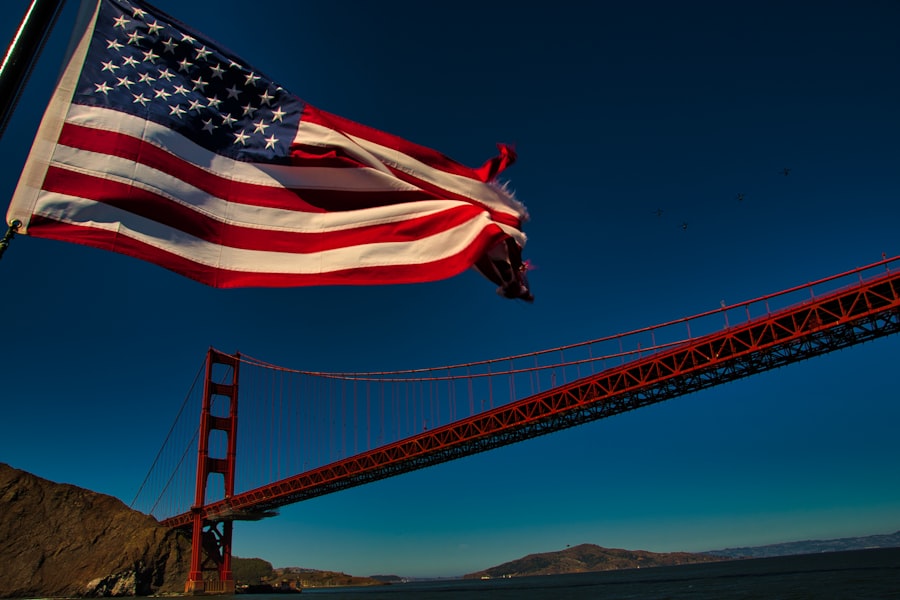
The Mexican-American War, which erupted in 1846, was a pivotal moment in California’s history. Tensions had been escalating between the United States and Mexico over territorial disputes, particularly regarding Texas and California. American expansionist sentiments fueled the desire for Manifest Destiny—the belief that the United States was destined to expand across the continent.
As war broke out, American forces quickly moved into California, where they faced little resistance from Mexican troops. The conflict culminated in the signing of the Treaty of Guadalupe Hidalgo in 1848, which formally ended the war. Under this treaty, Mexico ceded a vast portion of its northern territories to the United States, including California.
This acquisition not only expanded U.S. territory but also intensified debates over slavery and statehood, as new territories were brought into the national conversation. The treaty marked a significant turning point for California, transitioning it from Mexican control to American governance.
The discovery of gold and the California Gold Rush
The discovery of gold at Sutter’s Mill in 1848 ignited one of the most significant events in American history: the California Gold Rush. News of gold spread rapidly across the nation and even internationally, prompting an influx of fortune seekers known as “49ers” to flock to California in search of wealth. This massive migration transformed California’s demographics and economy almost overnight, as people from diverse backgrounds converged on the region.
The Gold Rush not only spurred economic growth but also led to rapid urbanization. Towns like San Francisco exploded in population as makeshift communities sprang up around mining sites. However, this boom came with challenges; lawlessness and violence often accompanied the rush for riches.
Additionally, the environmental impact of mining practices took a toll on California’s landscape, leading to long-term ecological consequences that are still felt today.
The Compromise of 1850 and the admission of California as a state
| Year | Event | Description | Impact |
|---|---|---|---|
| 1846 | Bear Flag Revolt | American settlers in California declared independence from Mexico. | Set the stage for U.S. military involvement in California. |
| 1846-1848 | Mexican-American War | Conflict between the U.S. and Mexico over territories including California. | U.S. military occupied California during the war. |
| 1848 | Treaty of Guadalupe Hidalgo | Mexico ceded California and other territories to the U.S. | Officially transferred California to U.S. control. |
| 1848 | California Gold Rush | Discovery of gold at Sutter’s Mill attracted thousands of settlers. | Rapid population growth and economic development. |
| 1850 | California Statehood | California admitted as the 31st state of the United States. | Formal integration into the United States political system. |
In 1850, California’s rapid population growth and economic development prompted discussions about statehood. The Compromise of 1850 was a series of legislative measures aimed at addressing tensions between free and slave states in the wake of the Gold Rush. As part of this compromise, California was admitted as a free state, which had significant implications for the balance of power in Congress.
California’s admission as a state marked a new era in its governance and identity. It became a focal point for debates over slavery and sectionalism that would ultimately lead to the Civil War. The state’s diverse population contributed to its unique cultural landscape, blending influences from Native American, Spanish, Mexican, and American traditions.
This rich tapestry would shape California’s identity for generations to come.
The impact of the acquisition of California on Native American tribes

The acquisition of California by the United States had devastating effects on Native American tribes throughout the region. Following the Gold Rush and statehood, settlers encroached on indigenous lands, leading to widespread displacement and violence against Native populations. Many tribes faced extermination or forced relocation as their traditional ways of life were disrupted by American expansion.
The U.S. government implemented policies that further marginalized Native Americans, including treaties that were often ignored or violated. The establishment of reservations was intended to provide some measure of protection for indigenous peoples; however, these lands were typically inadequate and poorly managed.
The cultural heritage and social structures of many tribes were irreparably damaged during this period, leading to long-lasting consequences that continue to affect Native communities today.
The development of infrastructure and industry in California
As California transitioned into statehood, infrastructure development became crucial for supporting its growing population and economy. The mid-19th century saw significant investments in transportation networks, including roads, bridges, and ports that facilitated trade and movement within the state. These developments were essential for connecting remote areas with urban centers and promoting economic growth.
Industrialization also began to take root during this period, with industries such as agriculture, mining, and manufacturing driving economic expansion. The establishment of factories and processing plants contributed to job creation and urban growth. As cities like San Francisco and Los Angeles emerged as economic hubs, they attracted immigrants seeking opportunities, further diversifying California’s population.
The role of the transcontinental railroad in connecting California to the rest of the United States
The completion of the transcontinental railroad in 1869 was a monumental achievement that transformed California’s relationship with the rest of the United States. This engineering marvel connected the East Coast with the West Coast, facilitating trade, travel, and communication across vast distances. For California, it meant easier access to markets for its agricultural products and resources.
The railroad also played a crucial role in shaping migration patterns as people from various parts of the country sought new opportunities in California. It opened up remote areas for settlement and development while fostering economic growth through increased commerce. However, this expansion came at a cost; it often led to further encroachment on Native American lands and contributed to environmental degradation along its routes.
The rise of agriculture and the expansion of farming in California
Agriculture emerged as a cornerstone of California’s economy following its acquisition by the United States. The state’s diverse climate and fertile soil made it an ideal location for various crops, including fruits, vegetables, and grains. As settlers established farms and ranches throughout the region, agriculture became a driving force behind economic growth.
The introduction of irrigation techniques further enhanced agricultural productivity in California. Farmers developed extensive irrigation systems that allowed them to cultivate previously arid lands. This innovation not only increased crop yields but also positioned California as a leading agricultural producer in the nation.
By the late 19th century, California was supplying a significant portion of America’s fruits and vegetables, solidifying its reputation as an agricultural powerhouse.
The cultural and demographic changes in California following its acquisition by the United States
The acquisition of California brought about profound cultural and demographic changes that shaped its identity for years to come. As waves of immigrants arrived from various parts of the world—Europeans seeking opportunity, Chinese laborers drawn by work prospects—California became a melting pot of cultures and traditions. This diversity enriched the state’s social fabric but also led to tensions as different groups vied for resources and recognition.
The blending of cultures resulted in unique artistic expressions, culinary traditions, and social practices that continue to define California today. Festivals celebrating various heritages emerged alongside new forms of music and art that reflected this multicultural landscape. However, these changes were not without conflict; racial tensions often flared as different communities navigated their place within an evolving society.
The legacy of the acquisition of California for modern-day politics and society
The legacy of California’s acquisition by the United States continues to resonate in contemporary politics and society.
The state’s diverse population remains a focal point for discussions about identity and inclusion within American society.
Moreover, California has become a leader in progressive policies that address social justice issues stemming from its complex history. Movements advocating for Native American rights, environmental protection, and immigrant rights reflect ongoing efforts to reconcile past injustices while shaping a more equitable future. As such, California stands as both a testament to America’s expansionist ambitions and a reminder of the challenges that accompany such growth—a dual legacy that continues to influence its trajectory today.
California’s journey to becoming part of the United States is a fascinating tale of exploration, conflict, and ambition. The state’s acquisition was significantly influenced by the Mexican-American War and the subsequent Treaty of Guadalupe Hidalgo in 1848. For a deeper understanding of the historical context surrounding California’s integration into the Union, you can read more in this related article: here. This article provides insights into the events that shaped California’s path to statehood and its impact on the broader narrative of American expansion.
WATCH THIS 🛑 How Mexico’s Loss Became America’s $11 Trillion Engine
FAQs
How did California become part of the United States?
California became part of the United States as a result of the Mexican-American War (1846-1848). The Treaty of Guadalupe Hidalgo, signed in 1848, ended the war and ceded California and other territories from Mexico to the U.S.
What was the Mexican-American War?
The Mexican-American War was a conflict between the United States and Mexico from 1846 to 1848. It was primarily caused by the U.S. annexation of Texas and disputes over the Texas-Mexico border. The war ended with the U.S. gaining significant territories, including California.
When did California officially become a U.S. state?
California officially became the 31st state of the United States on September 9, 1850.
What role did the California Gold Rush play in its statehood?
The California Gold Rush, which began in 1848, rapidly increased the population and economic importance of California. This surge helped accelerate California’s admission to the Union as a state in 1850.
Was California part of Mexico before joining the United States?
Yes, before becoming part of the United States, California was a province of Mexico, known as Alta California.
What was the Treaty of Guadalupe Hidalgo?
The Treaty of Guadalupe Hidalgo was the peace agreement signed on February 2, 1848, that ended the Mexican-American War. Under this treaty, Mexico ceded a large portion of its northern territories, including California, to the United States.
Did California have any form of government before becoming a U.S. state?
Yes, before statehood, California had a brief period as the California Republic in 1846, following the Bear Flag Revolt, and then was governed as a U.S. military territory until statehood in 1850.