Supersonic fighter jets are military aircraft capable of flying faster than the speed of sound (approximately 343 meters per second or 1,125 feet per second at sea level). These aircraft typically achieve speeds exceeding Mach 1, with many modern fighters capable of reaching Mach 2 or higher. The technology emerged in the late 1940s and became widespread during the Cold War era, fundamentally changing air combat tactics and military aviation capabilities.
The development of supersonic flight required advances in aerodynamics, engine technology, and materials science. Key innovations included swept-wing designs, afterburning turbojet engines, and heat-resistant materials capable of withstanding the thermal stresses of high-speed flight. These technological breakthrements enabled aircraft to engage targets at greater distances, respond more rapidly to threats, and maintain air superiority over larger geographical areas.
Vietnam’s military aviation history includes significant experience with supersonic aircraft during the Vietnam War (1955-1975), when both North Vietnamese and allied forces operated various supersonic fighters. The North Vietnamese Air Force primarily used Soviet-supplied aircraft such as the MiG-17, MiG-19, and MiG-21, while South Vietnamese and U.S. forces employed aircraft including the F-4 Phantom II and F-105 Thunderchief.
These engagements demonstrated the tactical importance of supersonic capabilities in air-to-air combat and ground attack missions. Currently, the Vietnam People’s Air Force operates several types of supersonic fighter aircraft, including variants of the Su-27 and Su-30 series acquired from Russia. The country has pursued military modernization programs aimed at upgrading its air defense capabilities and maintaining regional security balance.
This modernization reflects Vietnam’s strategic priorities of territorial defense and maintaining sovereignty over its airspace and maritime boundaries.
Key Takeaways
- Supersonic fighter jets have played a crucial role in shaping Vietnam’s defense strategy and military capabilities.
- Technological advancements have significantly enhanced the performance and effectiveness of Vietnam’s supersonic fighter jets.
- Training and pilot development are essential components for maximizing the potential of supersonic fighter jet technology.
- Collaboration with international partners has been key to advancing Vietnam’s supersonic fighter jet programs.
- Despite challenges, supersonic fighter jets contribute to Vietnam’s military power and have important economic and industrial impacts.
History of Supersonic Fighter Jets in Vietnam
The history of supersonic fighter jets in Vietnam is intertwined with the broader narrative of military aviation during the Cold War era. The introduction of supersonic aircraft began in earnest during the 1960s when the United States deployed advanced jets like the F-4 Phantom II in the Vietnam War. These aircraft were designed to achieve high speeds and deliver precision strikes, fundamentally altering the dynamics of aerial combat.
The presence of such advanced technology posed significant challenges for North Vietnamese forces, who relied on a mix of older Soviet-made aircraft and ground-based air defenses. In response to the evolving threat posed by supersonic jets, North Vietnam sought to bolster its air capabilities through strategic partnerships with the Soviet Union. The acquisition of MiG-21 fighters marked a turning point in Vietnam’s aerial warfare strategy.
These supersonic jets allowed North Vietnamese pilots to engage U.S. aircraft effectively, leading to notable aerial victories despite being outmatched in terms of technology and numbers. The conflict highlighted the critical role that speed and maneuverability play in air combat, setting the stage for Vietnam’s future investments in supersonic fighter technology.
Advancements in Supersonic Fighter Jet Technology
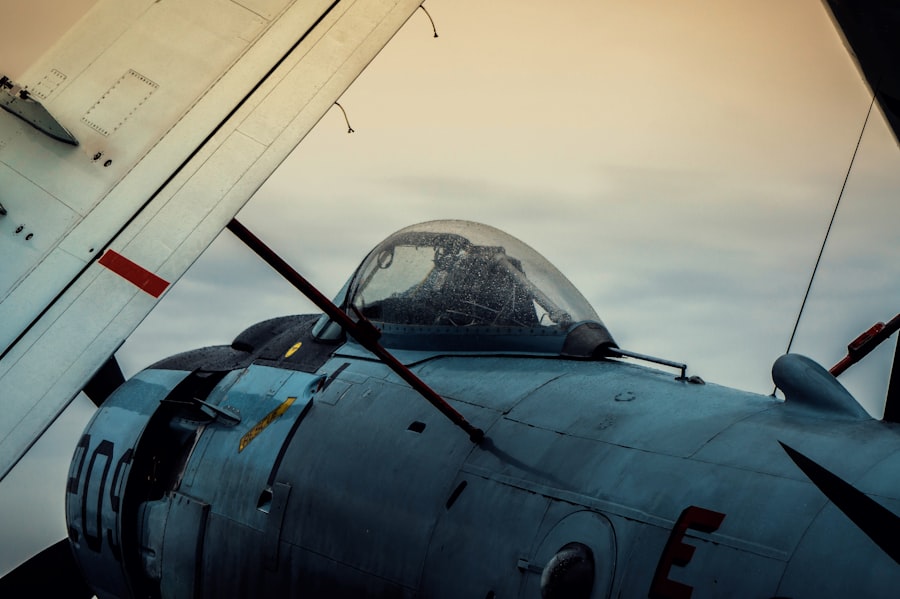
The advancements in supersonic fighter jet technology have been remarkable over the past few decades. Modern supersonic jets are equipped with cutting-edge avionics, advanced radar systems, and enhanced weaponry that significantly improve their combat effectiveness. Innovations such as stealth technology have also emerged, allowing aircraft to evade detection while maintaining high-speed capabilities.
These developments have not only increased the lethality of supersonic fighters but have also expanded their operational roles, enabling them to conduct a wider range of missions from air-to-air combat to ground attack. In addition to technological enhancements, there has been a growing emphasis on multi-role capabilities in modern supersonic fighters. Aircraft like the Sukhoi Su-30 and the French Dassault Rafale exemplify this trend, combining speed with versatility to perform various tasks effectively.
These advancements have made supersonic jets indispensable assets for air forces around the world, including Vietnam’s military strategy. As Vietnam continues to modernize its fleet, it is likely to prioritize acquiring aircraft that embody these advancements, ensuring that its air force remains competitive in an increasingly complex security environment.
Role of Supersonic Fighter Jets in Vietnam’s Defense Strategy
Supersonic fighter jets play a crucial role in shaping Vietnam’s defense strategy, particularly as regional tensions continue to rise. The South China Sea dispute has heightened concerns about territorial integrity and national sovereignty, prompting Vietnam to enhance its military capabilities. Supersonic fighters are viewed as essential tools for asserting air superiority and deterring potential aggressors.
Their speed and agility allow for rapid response times, enabling Vietnam to protect its airspace effectively. Moreover, these aircraft serve as a deterrent against potential threats from neighboring countries. By investing in advanced supersonic fighter technology, Vietnam aims to project strength and resolve in a region marked by geopolitical uncertainties.
The presence of capable fighter jets not only enhances Vietnam’s defensive posture but also signals its commitment to maintaining stability and security within its borders. As such, supersonic fighters are integral to Vietnam’s broader strategy of safeguarding national interests while navigating complex regional dynamics.
Challenges and Limitations of Supersonic Fighter Jet Technology
| Metric | Details |
|---|---|
| Jet Type | Supersonic Fighter Jet |
| Country | Vietnam |
| Top Speed | Mach 2.0 (approximate for modern supersonic jets) |
| Range | 1,500 – 2,000 km (typical for supersonic fighters) |
| Engine Type | Afterburning Turbofan |
| Avionics | Radar, Electronic Warfare Systems, Targeting Pods |
| Armament | Air-to-Air Missiles, Air-to-Ground Missiles, Cannons |
| Development Status | Ongoing modernization and acquisition from foreign suppliers |
| Key Challenges | Technology transfer, pilot training, maintenance infrastructure |
Despite the numerous advantages offered by supersonic fighter jet technology, several challenges and limitations persist. One significant hurdle is the high cost associated with acquiring and maintaining these advanced aircraft. The financial burden of purchasing modern jets, coupled with the expenses related to training personnel and maintaining operational readiness, can strain national budgets, particularly for developing nations like Vietnam.
This economic consideration often necessitates careful planning and prioritization within defense spending. Additionally, there are technical challenges related to integrating new technologies into existing military frameworks. The complexity of modern supersonic jets requires extensive training for pilots and ground crews alike.
Ensuring that personnel are adequately prepared to operate and maintain these sophisticated systems is essential for maximizing their effectiveness in combat scenarios. Furthermore, as technology evolves rapidly, keeping pace with advancements can be daunting for nations with limited resources or expertise in aerospace engineering.
Impact of Supersonic Fighter Jets on Vietnam’s Military Power
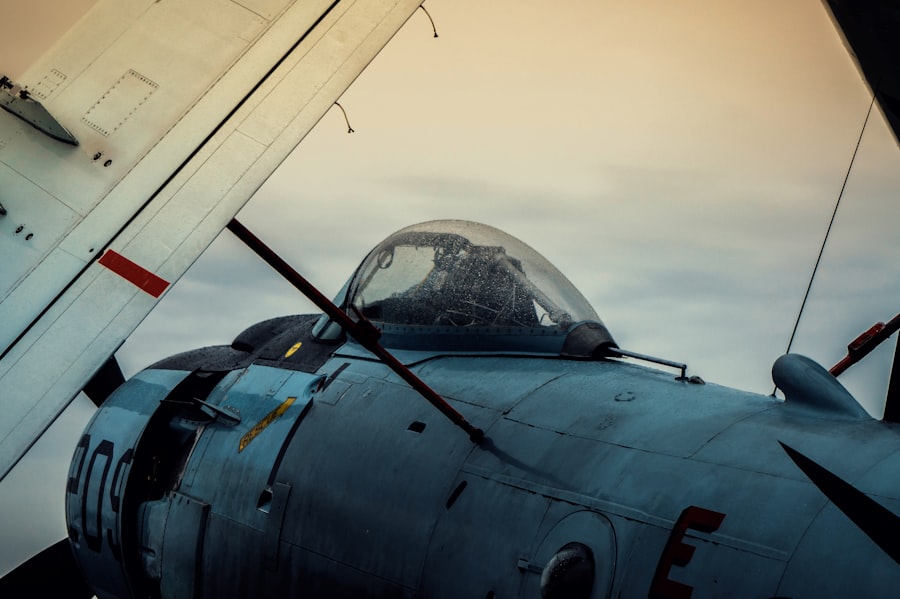
The integration of supersonic fighter jets into Vietnam’s military arsenal has had a profound impact on its overall military power. These aircraft enhance not only air combat capabilities but also contribute to a more robust deterrent posture against potential adversaries. The ability to deploy advanced fighters allows Vietnam to project power beyond its borders while safeguarding its territorial integrity.
This shift towards modernization reflects a broader trend among Southeast Asian nations seeking to enhance their military capabilities amid regional tensions. Moreover, supersonic fighter jets bolster Vietnam’s position within regional security frameworks. By investing in advanced aerial capabilities, Vietnam demonstrates its commitment to maintaining stability in Southeast Asia.
This investment not only strengthens bilateral relationships with partners like Russia and India but also fosters collaboration with other nations seeking to enhance their own defense capabilities. As a result, supersonic fighters serve as both a symbol of national pride and a strategic asset that enhances Vietnam’s standing on the international stage.
Training and Development of Pilots for Supersonic Fighter Jets
The successful operation of supersonic fighter jets hinges on the proficiency of trained pilots who can navigate complex aerial environments effectively. Recognizing this need, Vietnam has prioritized pilot training programs tailored specifically for operating advanced aircraft. These programs encompass various aspects of flight training, including tactical maneuvers, combat simulations, and emergency procedures.
By investing in comprehensive training regimens, Vietnam aims to ensure that its pilots are well-prepared to handle the demands of modern aerial warfare. Furthermore, collaboration with foreign partners has played a vital role in enhancing pilot training initiatives. Joint exercises and training programs with countries possessing advanced air forces provide Vietnamese pilots with invaluable experience and exposure to diverse operational scenarios.
This collaborative approach not only improves individual pilot skills but also fosters interoperability between allied forces, enhancing overall regional security cooperation.
Collaboration and Partnerships in Supersonic Fighter Jet Technology
Collaboration and partnerships have become essential components of advancing supersonic fighter jet technology in Vietnam. The nation has actively sought relationships with established aerospace powers such as Russia and India to acquire advanced aircraft and gain access to cutting-edge technologies. These partnerships facilitate knowledge transfer and enable Vietnam to develop indigenous capabilities over time.
Moreover, international collaborations extend beyond procurement; they encompass joint research and development initiatives aimed at enhancing domestic aerospace industries. By fostering partnerships with foreign entities, Vietnam can leverage expertise in areas such as avionics, materials science, and propulsion systems. This collaborative approach not only strengthens Vietnam’s defense capabilities but also contributes to the growth of its domestic aerospace sector, creating opportunities for innovation and economic development.
Future of Supersonic Fighter Jet Technology in Vietnam
The future of supersonic fighter jet technology in Vietnam appears promising as the nation continues to prioritize modernization efforts within its military framework. With ongoing regional tensions and evolving security challenges, there is a clear impetus for Vietnam to invest further in advanced aerial capabilities. Future acquisitions may include next-generation fighters equipped with stealth features and enhanced avionics systems that can operate effectively in contested environments.
Additionally, as technological advancements continue at a rapid pace, Vietnam may explore opportunities for indigenous development of supersonic aircraft. By investing in research and development initiatives within its aerospace industry, Vietnam can cultivate homegrown expertise while reducing reliance on foreign suppliers. This strategic shift would not only enhance national security but also contribute to economic growth through job creation and technological innovation.
Economic and Industrial Implications of Supersonic Fighter Jet Technology
The economic implications of supersonic fighter jet technology extend beyond defense spending; they encompass broader industrial development within Vietnam’s economy. The establishment of a domestic aerospace industry capable of producing advanced military aircraft can stimulate job creation and foster technological innovation across various sectors. By investing in research and development initiatives related to aviation technology, Vietnam can position itself as a regional hub for aerospace manufacturing.
The skills acquired through aerospace development can be applied across sectors such as automotive manufacturing or electronics production, leading to increased competitiveness on a global scale. As such, the pursuit of supersonic fighter jet technology not only enhances national security but also serves as a catalyst for economic growth and industrial diversification.
The Significance of Supersonic Fighter Jet Technology in Vietnam’s Defense Landscape
In conclusion, supersonic fighter jet technology holds immense significance within Vietnam’s defense landscape as it navigates an increasingly complex geopolitical environment. The historical context underscores the importance of air superiority while highlighting the evolution of aerial combat strategies over time. As advancements continue to reshape military aviation, Vietnam’s commitment to integrating modern supersonic fighters into its arsenal reflects a proactive approach toward safeguarding national interests.
The multifaceted impact of these aircraft extends beyond mere military capabilities; they influence economic development, pilot training initiatives, and international collaborations that strengthen regional security frameworks. As Vietnam looks toward the future, the continued investment in supersonic fighter jet technology will undoubtedly play a pivotal role in shaping its defense posture while contributing to broader economic growth and industrial advancement within the nation.
Recent advancements in supersonic fighter jet technology have garnered significant attention in Vietnam, particularly as the country seeks to modernize its military capabilities.