The Cold War, a period marked by geopolitical tension between the Soviet Union and the United States, spanned from the end of World War II until the early 1990s. This era was characterized by an arms race, ideological conflict, and a relentless pursuit of technological superiority. As both superpowers sought to gain an upper hand, the oceans became a critical theater for espionage and military strategy.
Underwater surveillance emerged as a vital component of this clandestine struggle, with both sides investing heavily in technologies that could monitor enemy movements and gather intelligence without detection. Underwater surveillance during the Cold War was not merely a matter of military necessity; it was also a reflection of the broader technological advancements of the time. The development of submarines, sonar systems, and underwater listening devices transformed naval warfare and intelligence-gathering capabilities.
As tensions escalated, the need for stealthy reconnaissance grew, leading to innovative approaches to underwater surveillance that would shape military strategies for decades to come.
Key Takeaways
- Underwater surveillance was a critical component of Cold War intelligence and military strategy.
- Submarines and underwater listening posts played key roles in monitoring enemy activities covertly.
- Advances in underwater technology enabled more effective espionage and strategic advantage during the Cold War.
- The legacy of Cold War underwater surveillance continues to influence modern military and surveillance technologies.
- Environmental and historical impacts of these operations are significant, with ongoing efforts to explore and understand Cold War underwater sites.
The Role of Submarines in Cold War Surveillance
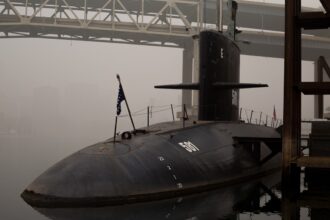
Submarines played a pivotal role in the Cold War’s underwater surveillance landscape. These vessels, designed for stealth and endurance, became essential tools for both the United States and the Soviet Union. Equipped with advanced sonar systems and capable of operating at great depths, submarines could gather intelligence on enemy naval movements and monitor strategic locations without revealing their presence.
The ability to remain submerged for extended periods allowed submarines to conduct covert operations that were crucial to national security. The strategic importance of submarines was underscored by their dual capabilities: they could serve as platforms for launching attacks or as silent observers gathering intelligence. The U.
Navy’s fleet of nuclear-powered submarines, for instance, was instrumental in tracking Soviet naval activities in the Atlantic and Pacific Oceans. Meanwhile, the Soviet Union developed its own fleet of submarines, which were tasked with monitoring U.S. naval operations and ensuring that their own maritime interests were protected.
This cat-and-mouse dynamic between the two superpowers underscored the critical role that submarines played in Cold War surveillance.
Underwater Listening Posts: The Silent Sentinels of the Cold War
Underwater listening posts emerged as one of the most innovative solutions for monitoring enemy activities during the Cold War. These installations, often referred to as “listening arrays,” utilized advanced hydrophone technology to detect and analyze sounds in the ocean. By strategically placing these listening posts in key maritime regions, both superpowers could gather vital intelligence on submarine movements, naval exercises, and other underwater activities.
The effectiveness of underwater listening posts lay in their ability to operate undetected. Unlike surface ships or aircraft, which could be easily spotted, these submerged installations remained hidden from view while continuously collecting data. The information gathered by these silent sentinels was invaluable for military planners, providing insights into enemy capabilities and intentions.
As a result, underwater listening posts became an integral part of Cold War strategy, shaping naval operations and influencing decision-making at the highest levels.
The Development of Underwater Surveillance Technology
The Cold War spurred rapid advancements in underwater surveillance technology, driven by the urgent need for effective intelligence-gathering methods. Innovations in sonar technology allowed for more precise detection of submarines and other underwater objects. Early sonar systems relied on simple sound waves to locate objects, but as technology progressed, more sophisticated systems emerged that could differentiate between various types of vessels and even identify specific classes of submarines.
In addition to sonar advancements, the development of underwater drones and remotely operated vehicles (ROVs) revolutionized surveillance capabilities. These unmanned systems could be deployed to gather intelligence in areas that were too dangerous or inaccessible for human operators. The integration of advanced sensors and imaging technologies further enhanced the ability to monitor underwater environments, providing real-time data that was crucial for military operations.
The Cat and Mouse Game: Submerged Cold War Espionage
| Metric | Details |
|---|---|
| System Name | Sound Surveillance System (SOSUS) |
| Operational Period | 1950s – 1990s |
| Primary Purpose | Detection and tracking of Soviet submarines |
| Technology Used | Underwater hydrophone arrays, long-range acoustic detection |
| Number of Hydrophone Arrays | Approximately 37 arrays globally |
| Detection Range | Up to several hundred nautical miles |
| Data Transmission | Undersea cables to shore-based processing stations |
| Key Locations | North Atlantic, Pacific Ocean, Caribbean Sea |
| Impact | Significantly enhanced US and NATO anti-submarine warfare capabilities |
The Cold War was characterized by a relentless game of cat and mouse between the United States and the Soviet Union, particularly in the realm of underwater espionage. Both superpowers engaged in covert operations aimed at gathering intelligence on each other’s naval capabilities while simultaneously attempting to conceal their own activities. This intricate dance of deception involved not only submarines but also sophisticated listening devices and espionage tactics.
Submarines often found themselves at the center of this espionage game, with each side attempting to outmaneuver the other. For instance, U.S. submarines would shadow Soviet naval exercises, gathering intelligence on tactics and capabilities while remaining undetected.
Conversely, Soviet submarines would infiltrate U.S. waters to monitor naval operations and test American defenses. This constant pursuit of information created an atmosphere of mistrust and heightened tensions, as both sides sought to gain an advantage over their adversary.
The Impact of Underwater Surveillance on Cold War Strategy
The impact of underwater surveillance on Cold War strategy cannot be overstated. The intelligence gathered through various means—submarines, listening posts, and advanced technology—shaped military planning and decision-making on both sides. For instance, knowledge of enemy submarine movements allowed military leaders to adjust their own naval strategies, ensuring that they could respond effectively to potential threats.
Moreover, underwater surveillance played a crucial role in shaping public perception and political discourse during the Cold War. The ability to monitor enemy activities contributed to a sense of security among citizens while simultaneously fueling fears about potential conflicts. As both superpowers invested heavily in underwater surveillance capabilities, it became clear that control over the seas was essential for maintaining global influence and power.
The Legacy of Underwater Surveillance in Modern Warfare
The legacy of Cold War underwater surveillance continues to influence modern warfare strategies today. Many of the technologies developed during this period laid the groundwork for contemporary naval operations and intelligence-gathering methods. Advanced sonar systems, unmanned underwater vehicles (UUVs), and sophisticated data analysis techniques have all evolved from the innovations pioneered during the Cold War.
Furthermore, the lessons learned from underwater surveillance during this era have informed current military strategies in an increasingly complex global landscape. As nations continue to navigate geopolitical tensions, the importance of maintaining robust underwater surveillance capabilities remains paramount. The ability to monitor maritime activities is not only crucial for national security but also for ensuring stability in contested regions.
The Environmental Impact of Cold War Underwater Surveillance
While the focus on underwater surveillance during the Cold War primarily revolved around military strategy and intelligence-gathering, it is essential to acknowledge its environmental impact as well. The extensive use of submarines and underwater listening devices contributed to disturbances in marine ecosystems. Noise pollution from sonar systems affected marine life, disrupting communication patterns among species such as whales and dolphins.
Additionally, the deployment of underwater installations raised concerns about potential contamination and habitat destruction. As nations sought to establish dominance beneath the waves, environmental considerations often took a backseat to military objectives. This legacy of environmental neglect serves as a reminder of the need for responsible practices in modern underwater operations.
The Untold Stories of Underwater Cold War Operations
Beneath the surface of well-documented historical events lies a wealth of untold stories related to underwater operations during the Cold War. Many covert missions remain classified or shrouded in secrecy, leaving historians and researchers with only fragments of information about these clandestine activities. From daring submarine incursions into enemy waters to covert retrieval missions involving advanced technology, these stories reveal a complex tapestry of espionage that shaped the course of history.
One notable example is Project Azorian, a secret U.S. operation aimed at recovering a sunken Soviet submarine from the depths of the Pacific Ocean. This ambitious endeavor involved cutting-edge technology and significant resources but ultimately highlighted the lengths to which both superpowers would go to gain an advantage over one another.
Such stories underscore the high stakes involved in underwater surveillance during the Cold War and provide valuable insights into the motivations driving these operations.
The Future of Underwater Surveillance Technology
As technology continues to advance at an unprecedented pace, the future of underwater surveillance holds exciting possibilities. Innovations such as artificial intelligence (AI), machine learning, and enhanced sensor technologies are poised to revolutionize how nations monitor maritime activities. These advancements will enable more accurate data collection and analysis, allowing for quicker responses to potential threats.
Moreover, as geopolitical tensions persist in various regions around the world, nations are likely to invest heavily in developing next-generation underwater surveillance capabilities. The integration of autonomous systems capable of operating independently will further enhance situational awareness beneath the waves. As countries navigate complex maritime challenges, the evolution of underwater surveillance technology will play a critical role in shaping future military strategies.
Exploring Cold War Underwater Surveillance Sites: A Journey into History
For those interested in delving deeper into the history of Cold War underwater surveillance, exploring key sites associated with these operations offers a unique perspective on this fascinating era. From decommissioned submarine bases to historic listening posts now repurposed as museums, these locations provide tangible connections to a time when espionage played a central role in global affairs. Visiting these sites allows individuals to gain insight into the technologies used during this period while also reflecting on the broader implications of underwater surveillance on international relations.
As visitors walk through former command centers or observe preserved submarines, they can appreciate not only the technological achievements but also the human stories behind these operations—stories that continue to resonate today as nations grapple with issues related to security and surveillance in an ever-changing world.
During the Cold War, underwater surveillance systems played a crucial role in monitoring enemy activities and ensuring national security. These systems, which included advanced sonar technology and submersible vehicles, were essential for tracking submarines and other naval assets. For a deeper understanding of the strategic implications of these technologies, you can read more in this related article on underwater surveillance systems during the Cold War at In the War Room.
WATCH THIS! 🎖️ The Silent Underwater Network That Doomed Every Soviet Submarine
FAQs
What was the Cold War underwater surveillance system?
The Cold War underwater surveillance system was a network of underwater sensors and listening devices designed to detect and monitor submarine activity, primarily between the United States and the Soviet Union. It aimed to provide early warning of potential underwater threats during the Cold War era.
Why was underwater surveillance important during the Cold War?
Underwater surveillance was crucial during the Cold War because submarines, especially those armed with nuclear missiles, posed a significant strategic threat. Detecting enemy submarines early helped maintain national security and strategic balance by preventing surprise attacks.
What technologies were used in Cold War underwater surveillance systems?
The systems primarily used hydrophones (underwater microphones) arranged in arrays to detect acoustic signals from submarines. One notable example is the Sound Surveillance System (SOSUS), which used long-range passive sonar arrays placed on the ocean floor to monitor submarine movements.
Which countries developed underwater surveillance systems during the Cold War?
The United States and its NATO allies developed extensive underwater surveillance systems, such as SOSUS. The Soviet Union also developed its own underwater detection technologies, though less is publicly known about their specific systems.
How did the Sound Surveillance System (SOSUS) work?
SOSUS consisted of a network of underwater hydrophone arrays connected to shore-based processing stations. These arrays detected low-frequency sounds emitted by submarines, allowing analysts to track their location and movement over vast ocean areas.
What impact did underwater surveillance systems have on Cold War naval strategy?
These systems significantly enhanced anti-submarine warfare capabilities, allowing navies to monitor and track enemy submarines more effectively. This contributed to deterrence by reducing the likelihood of undetected submarine attacks.
Are Cold War underwater surveillance systems still in use today?
Some components of Cold War-era systems like SOSUS have been upgraded and integrated into modern naval surveillance networks. However, advances in technology have led to newer, more sophisticated systems replacing or supplementing the original Cold War infrastructure.
What challenges were faced in maintaining underwater surveillance systems?
Challenges included the harsh ocean environment, which could damage equipment, the vast areas that needed monitoring, and the need to distinguish between submarine sounds and natural ocean noise. Additionally, maintaining secrecy and security of the systems was critical during the Cold War.
Did underwater surveillance systems contribute to arms control during the Cold War?
Yes, by providing reliable detection of submarine movements, these systems helped verify compliance with naval treaties and arms control agreements, thereby contributing to strategic stability between rival powers.