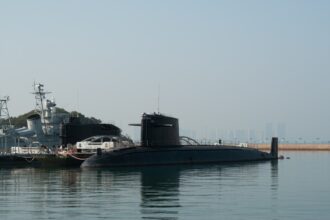
The origins of submerged Cold War deterrence strategy can be traced back to the aftermath of World War II, a period marked by the emergence of the United States and the Soviet Union as superpowers. The devastation wrought by nuclear weapons during the war led to a profound realization of their destructive potential, prompting both nations to seek ways to prevent their use in future conflicts. The concept of deterrence emerged as a central tenet of military strategy, with the idea that the threat of overwhelming retaliation could dissuade adversaries from initiating hostilities.
This was particularly relevant in the context of the Cold War, where ideological differences and geopolitical tensions created a precarious balance of power. As the Cold War progressed, the need for a reliable and survivable deterrent became increasingly apparent. The development of intercontinental ballistic missiles (ICBMs) and strategic bombers introduced new dimensions to nuclear strategy, but these systems were vulnerable to preemptive strikes.
In response, military strategists began to explore the potential of submerged platforms, particularly nuclear submarines, as a means of ensuring a second-strike capability. This marked a significant shift in deterrence strategy, as it allowed for a more secure and stealthy approach to nuclear deterrence, fundamentally altering the dynamics of the Cold War.
Key Takeaways
- Submerged deterrence originated as a key Cold War strategy to prevent nuclear conflict through stealth and second-strike capability.
- Nuclear submarines played a crucial role by providing a hidden, mobile platform for launching missiles, ensuring credible deterrence.
- Advances in submerged missile technology enhanced the range, accuracy, and survivability of underwater nuclear forces.
- Submerged deterrence significantly influenced Cold War politics by maintaining a balance of power and reducing the likelihood of direct confrontation.
- The legacy of submerged deterrence continues to shape modern military strategies and global security policies, emphasizing stealth and survivability.
The Role of Nuclear Submarines in Cold War Deterrence
Nuclear submarines played a pivotal role in the Cold War deterrence strategy, serving as a cornerstone of both American and Soviet military capabilities. These vessels, equipped with ballistic missiles, provided a unique advantage due to their ability to operate undetected beneath the ocean’s surface. This stealthiness not only enhanced their survivability but also ensured that they could launch retaliatory strikes even after a surprise attack on land-based missile silos or airbases.
The presence of these submarines in strategic waters around the globe served as a constant reminder to adversaries that any aggressive action could provoke devastating consequences. The United States’ introduction of the Polaris submarine program in the late 1950s marked a significant milestone in this regard. The Polaris submarines were designed specifically for nuclear deterrence, capable of launching missiles from submerged positions.
This innovation not only expanded the range and flexibility of U.S. nuclear forces but also contributed to a more stable strategic environment by complicating Soviet targeting calculations. Similarly, the Soviet Union developed its own fleet of nuclear submarines, such as the Typhoon class, which further underscored the importance of underwater capabilities in maintaining a credible deterrent posture.
The Development of Submerged Missile Technology

The development of submerged missile technology was a critical factor in enhancing the effectiveness of Cold War deterrence strategies. Early on, both superpowers recognized that traditional missile systems were vulnerable to interception and preemptive strikes. As a result, they invested heavily in research and development to create submarine-launched ballistic missiles (SLBMs) that could be fired from underwater, thereby minimizing their exposure to enemy defenses.
This technological evolution not only improved the reliability and accuracy of nuclear strikes but also ensured that submarines could remain hidden from enemy radar and surveillance. The U.S. Navy’s introduction of the Trident missile system in the 1970s exemplified this technological advancement.
The Trident II (D5) missile boasted enhanced range and precision, allowing submarines to strike targets thousands of miles away while remaining concealed beneath the waves. Similarly, the Soviet Union developed its own SLBM systems, such as the R-29 Vysota, which further solidified its underwater deterrent capabilities. These advancements in missile technology not only increased the lethality of submerged forces but also contributed to a more stable strategic balance between the two superpowers.
The Strategic Importance of Submerged Deterrence
The strategic importance of submerged deterrence during the Cold War cannot be overstated. As tensions escalated between the United States and the Soviet Union, both nations recognized that maintaining a credible second-strike capability was essential for preventing nuclear conflict. Submerged platforms provided an effective means of achieving this goal, as they could remain hidden from enemy detection while still being poised to respond to any aggression.
This ability to launch retaliatory strikes from an undetectable position significantly enhanced the credibility of both nations’ deterrent postures. Moreover, submerged deterrence contributed to stability in international relations by reducing the likelihood of miscalculations or accidental escalation. The knowledge that both sides possessed secure second-strike capabilities acted as a stabilizing force, discouraging either superpower from engaging in aggressive actions that could lead to catastrophic consequences.
This dynamic was particularly evident during critical moments of the Cold War, such as the Cuban Missile Crisis, where the presence of nuclear submarines played a crucial role in maintaining strategic equilibrium.
The Impact of Submerged Deterrence on Cold War Politics
| Metric | Description | Cold War Context | Impact on Deterrence Strategy |
|---|---|---|---|
| Number of Nuclear Submarines | Total deployed ballistic missile submarines (SSBNs) | US: ~40, USSR: ~60 at peak | Ensured second-strike capability, critical for deterrence |
| Submarine Patrol Duration | Average time SSBNs spent on deterrent patrols | Typically 60-90 days per patrol | Maintained continuous at-sea deterrence (CASD) |
| Missile Range | Range of submarine-launched ballistic missiles (SLBMs) | 5,000-8,000 km depending on missile type | Allowed strikes from secure underwater positions |
| Detection Probability | Likelihood of enemy detecting SSBNs | Low due to stealth technology and ocean depth | Increased survivability and credibility of deterrent |
| Number of Anti-Submarine Warfare (ASW) Assets | Surface ships, aircraft, and submarines dedicated to ASW | US and USSR invested heavily in ASW capabilities | Countered enemy SSBN threat, influencing strategic balance |
| Communication Systems | Methods for secure communication with submerged SSBNs | Very Low Frequency (VLF) and Extremely Low Frequency (ELF) radio | Enabled command and control without compromising stealth |
The impact of submerged deterrence on Cold War politics was profound and multifaceted. On one hand, it reinforced the notion that nuclear weapons were central to national security strategies, leading both superpowers to prioritize their development and deployment. This arms race not only consumed vast resources but also shaped diplomatic relations between nations, as each side sought to gain an advantage over the other.
The presence of nuclear submarines added an additional layer of complexity to these interactions, as their stealthy nature made it difficult for adversaries to assess each other’s capabilities accurately. On the other hand, submerged deterrence also fostered a sense of stability in an otherwise volatile geopolitical landscape. The understanding that both sides possessed secure second-strike capabilities helped mitigate fears of a first strike, allowing for more measured responses during crises.
This dynamic was evident during various confrontations throughout the Cold War, where leaders were compelled to consider the potential consequences of their actions carefully. Ultimately, submerged deterrence became a key factor in shaping not only military strategies but also diplomatic negotiations and international relations during this tumultuous period.
The Evolution of Submerged Deterrence Tactics

As the Cold War progressed, so too did the tactics associated with submerged deterrence. Initially focused on ensuring survivability and retaliatory capability, military planners began to explore more nuanced approaches that incorporated advancements in technology and intelligence gathering. The introduction of sophisticated sonar systems and satellite surveillance allowed for improved tracking and targeting capabilities, prompting submarines to adopt more dynamic operational patterns.
This evolution reflected an understanding that maintaining an effective deterrent required adaptability in response to changing threats. Additionally, tactics evolved to include more complex deployment strategies aimed at enhancing deterrent credibility. Submarines began conducting routine patrols in strategic areas, demonstrating their presence and readiness to respond if necessary.
These operations served not only as a show of force but also as a means of reassuring allies and deterring potential adversaries. The integration of joint exercises with allied naval forces further underscored this evolution, as it highlighted the importance of collaboration in maintaining a robust underwater deterrent posture.
The Effectiveness of Submerged Deterrence in Preventing Conflict
The effectiveness of submerged deterrence in preventing conflict during the Cold War is widely acknowledged by historians and military analysts alike. By providing both superpowers with secure second-strike capabilities, submerged platforms significantly reduced the likelihood of nuclear war breaking out due to miscalculations or aggressive posturing. The knowledge that any first strike would likely be met with devastating retaliation acted as a powerful disincentive for both sides to engage in direct military confrontation.
Moreover, submerged deterrence contributed to a broader understanding of nuclear strategy that emphasized stability over aggression. As both nations recognized that their survival depended on maintaining credible deterrents, they were compelled to engage in diplomatic efforts aimed at arms control and conflict resolution. Treaties such as the Strategic Arms Limitation Talks (SALT) exemplified this shift towards dialogue and negotiation, highlighting how submerged deterrence played a crucial role in shaping not only military strategies but also diplomatic relations during this era.
The Ethical and Moral Considerations of Submerged Deterrence
The ethical and moral considerations surrounding submerged deterrence are complex and multifaceted. On one hand, proponents argue that possessing a credible nuclear deterrent is essential for national security and global stability. They contend that the threat of mutually assured destruction has prevented large-scale conflicts between nuclear-armed states and has ultimately saved lives by deterring aggression.
From this perspective, submerged deterrence is viewed as a necessary evil in an unpredictable world. Conversely, critics raise significant ethical concerns regarding the morality of maintaining nuclear arsenals capable of inflicting catastrophic destruction on civilian populations. The very existence of such weapons raises questions about humanity’s responsibility to prevent suffering and protect future generations from the horrors of nuclear war.
The Legacy of Submerged Deterrence in Modern Warfare
The legacy of submerged deterrence continues to shape modern warfare and international security dynamics long after the Cold War’s conclusion. The principles established during this period have informed contemporary military strategies and policies regarding nuclear weapons proliferation and arms control efforts. Nations around the world recognize the importance of maintaining credible deterrents while grappling with the ethical implications associated with their use.
Furthermore, advancements in technology have led to new challenges and opportunities for submerged deterrence in today’s geopolitical landscape. As emerging powers develop their own nuclear capabilities and regional conflicts evolve, traditional notions of deterrence are being tested. The lessons learned from Cold War submerged deterrence strategies remain relevant as nations navigate an increasingly complex security environment characterized by both state and non-state actors.
The Future of Submerged Deterrence in Global Security
Looking ahead, the future of submerged deterrence will likely be influenced by several factors shaping global security dynamics. As new technologies emerge—such as hypersonic weapons and cyber capabilities—traditional concepts of deterrence may need to adapt accordingly. Nations will have to consider how these advancements impact their strategic calculations and whether existing frameworks for submerged deterrence remain effective in deterring potential adversaries.
Additionally, ongoing geopolitical tensions among major powers will continue to challenge established norms surrounding nuclear weapons and deterrence strategies. As countries seek to modernize their arsenals while navigating complex international relationships, discussions surrounding arms control agreements will become increasingly critical. The future trajectory of submerged deterrence will depend on how effectively nations can balance their security needs with ethical considerations regarding nuclear weapons’ role in global security.
Lessons Learned from Submerged Cold War Deterrence Strategy
The lessons learned from submerged Cold War deterrence strategy are invaluable for contemporary policymakers and military strategists alike. One key takeaway is the importance of maintaining credible second-strike capabilities as a means of ensuring national security while deterring aggression from adversaries. This principle remains relevant today as nations grapple with evolving threats posed by both state and non-state actors.
Moreover, the experience gained during this period underscores the necessity for open communication channels between nuclear-armed states to prevent misunderstandings or miscalculations that could lead to catastrophic consequences. Diplomatic engagement remains essential for fostering stability in an increasingly multipolar world where emerging powers seek to assert themselves on the global stage. In conclusion, submerged Cold War deterrence strategy has left an indelible mark on military thinking and international relations that continues to resonate today.
By examining its origins, evolution, effectiveness, ethical implications, and legacy, one can appreciate how this complex interplay between technology and strategy shaped not only an era but also future approaches toward global security challenges.
During the Cold War, the strategy of deterrence played a crucial role in maintaining a fragile peace between superpowers, particularly in the context of underwater warfare. The importance of submarine capabilities in this strategy cannot be overstated, as they provided a stealthy means of delivering nuclear payloads and ensuring second-strike capabilities. For a deeper understanding of the implications of underwater deterrence strategies during this period, you can read more in this related article on the topic: Cold War Deterrence and Underwater Warfare.
WATCH THIS! 🎖️ The Silent Underwater Network That Doomed Every Soviet Submarine
FAQs
What was the Cold War deterrence strategy underwater?
The Cold War deterrence strategy underwater primarily involved the deployment of nuclear-armed submarines capable of launching ballistic missiles. These submarines served as a secure second-strike capability, ensuring that neither the United States nor the Soviet Union could be completely destroyed in a first strike, thereby deterring nuclear war.
Why were submarines important in Cold War deterrence?
Submarines were crucial because they could remain hidden underwater for extended periods, making them difficult to detect and destroy. This stealth capability guaranteed a credible second-strike option, which was essential for maintaining strategic stability between the superpowers.
What types of submarines were used in Cold War deterrence?
The main types of submarines used were ballistic missile submarines (SSBNs), equipped with submarine-launched ballistic missiles (SLBMs). Examples include the U.S. Navy’s Ohio-class submarines and the Soviet Navy’s Typhoon-class submarines.
How did underwater deterrence contribute to nuclear stability?
Underwater deterrence contributed to nuclear stability by ensuring mutual assured destruction (MAD). Since both sides had survivable nuclear forces underwater, neither could confidently launch a first strike without facing devastating retaliation, which discouraged nuclear conflict.
What technological advancements supported underwater deterrence during the Cold War?
Technological advancements included quieter submarine designs, improved sonar and detection systems, more accurate and longer-range SLBMs, and enhanced communication systems to maintain command and control of submerged forces.
Did underwater deterrence involve any arms control agreements?
Yes, arms control agreements such as the Strategic Arms Limitation Talks (SALT) and later the Strategic Arms Reduction Treaty (START) included provisions that limited the number and capabilities of ballistic missile submarines and their missiles to reduce the risk of nuclear escalation.
How did underwater deterrence affect naval strategy during the Cold War?
Underwater deterrence led to the development of specialized anti-submarine warfare (ASW) tactics and technologies, as both sides sought to detect and track enemy submarines to neutralize the threat while protecting their own SSBNs.
Is underwater deterrence still relevant today?
Yes, underwater deterrence remains a key component of nuclear strategy for several countries, as ballistic missile submarines continue to provide a secure and survivable nuclear deterrent in the modern era.