A documentary titled “Submarine Warfare Documentary: Cold War Secrets” offers viewers a deep dive into the clandestine underwater battles and technological advancements that shaped the Cold War. This film explores the intricate dance of nuclear submarines, the espionage carried out beneath the waves, and the constant threat of annihilation that hung over the planet for decades. It meticulously unpacks the strategic importance of submarines during this era, transforming them from mere vessels into instruments of global power and deterrence. You will gain an understanding of the immense pressure, both literal and metaphorical, that submarine crews endured and the pivotal role these silent hunters played in maintaining a delicate, and often terrifying, balance of power.
The advent of nuclear propulsion revolutionized submarine warfare, granting these vessels unprecedented endurance and speed. Before nuclear power, submarines were largely limited by the need for frequent surfacing to recharge batteries, making them vulnerable and constrained in their operational range. The introduction of the nuclear reactor changed this paradigm entirely, allowing submarines to remain submerged for months on end, a silent, undetectable presence in the vast oceans.
The Nautilus: A Paradigm Shift
The First Nuclear Submarine and its Impact
The USS Nautilus, commissioned in 1954, was the first nuclear-powered submarine. Its groundbreaking technology allowed it to travel underwater at speeds that far surpassed conventional submarines, effectively breaking the surface world’s chains. The Nautilus was not just a technological leap; it was a declaration of intent. It demonstrated a capability that fundamentally altered naval strategy, enabling operations in previously inaccessible regions and creating a new dimension of strategic surprise. Its voyages, including the historic transit of the North Pole in 1958, showcased the immense potential of this new technology, demonstrating its ability to operate under ice caps and thus evade conventional detection methods.
The Power of Endurance: Continuous Submergence
The ability to stay submerged for extended periods was a game-changer. It meant submarines could patrol enemy coastlines, conduct intelligence gathering missions, and wait patiently for a launch order without revealing their position. This extended submergence capability transformed submarines into invisible sentinels, capable of projecting power and maintaining a constant, unseen threat. The psychological impact of this newfound stealth was also significant, contributing to the pervasive tension of the Cold War.
Implications for Naval Strategy
The nuclear submarine forced a complete re-evaluation of naval doctrine. Traditional anti-submarine warfare (ASW) tactics, designed to counter diesel-electric submarines, were largely rendered obsolete. The speed, depth, and stealth of nuclear submarines posed a challenge that required novel solutions and a massive investment in new technologies, fueling an arms race beneath the waves.
For those interested in the intricacies of submarine warfare during the Cold War, a fascinating article that complements the documentary is available at this link: Submarine Warfare: The Silent Battle of the Cold War. This article delves into the strategic importance of submarines, the technological advancements that shaped naval tactics, and the covert operations that defined this tense period in history. It provides a deeper understanding of the underwater conflicts that played a crucial role in the geopolitical landscape of the time.
The Silent Stalkers: Espionage and Intelligence
Submarines became the eyes and ears of the Cold War, undertaking covert intelligence gathering missions that were essential for understanding the capabilities and intentions of the adversary. Their ability to operate discreetly, deep beneath the ocean’s surface, made them ideal platforms for a range of clandestine operations.
Operation Ivy Bells and the Wiretap Tapes
One of the most audacious examples of submarine espionage highlighted in the documentary is Operation Ivy Bells. This top-secret operation involved US submarines tapping into Soviet underwater communication cables laid on the seabed. These cables were vital for relaying communications between Soviet naval bases.
The Technical Challenge of the Tap
The documentary details the immense engineering and operational challenges involved in attaching the bugging device. Operating in the deep and dark ocean, under constant threat of detection by Soviet sonar, submarine crews and specialized teams had to meticulously attach a device capable of recording and transmitting data. This was akin to threading a needle in a hurricane, requiring absolute precision and nerve.
The Prize: Intercepted Communications
The intelligence gained from these taps was invaluable. It provided Western powers with direct insights into Soviet military planning, ship movements, and political discussions. The documentary suggests that the information gleaned from these wiretaps significantly influenced strategic decision-making throughout the Cold War, offering a rare glimpse through the iron curtain.
Reconnaissance and Surveillance Missions
Beyond wiretapping, submarines were extensively used for reconnaissance and surveillance. They would shadow enemy fleets, observe missile tests, and gather electronic intelligence (ELINT). Their stealth allowed them to approach closely without being detected, providing crucial data that informed strategic assessments and threat evaluations.
The Unseen Observer: Mapping Enemy Territories
The film illustrates how submarines, equipped with advanced sonar and imaging systems, could map and survey enemy naval bases and coastal defenses. This intelligence was vital for planning potential military operations and understanding the disposition of enemy forces.
Electronic Warfare Under the Waves
Submarines also played a critical role in electronic warfare, intercepting enemy radar signals and communications. This electronic intelligence provided a comprehensive picture of the battlefield, allowing for the development of countermeasures and early warning systems.
The Nuclear Deterrent: Mutually Assured Destruction

The development of nuclear-armed submarines fundamentally altered the nature of global conflict, introducing the terrifying concept of Mutually Assured Destruction (MAD). These submarines, carrying intercontinental ballistic missiles (ICBMs), became the ultimate trump card in the Cold War chess match.
Polaris and Trident: The Ballistic Missile Submarines
The documentary delves into the evolution of ballistic missile submarines (SSBNs). The US Navy’s Polaris program, and later the Trident system, equipped submarines with the capability to launch nuclear missiles from submerged positions, making them virtually impossible to locate and destroy pre-emptively.
A Submarine as a Mobile Nuclear Silo
These submarines were essentially mobile nuclear silos, capable of striking targets thousands of miles away. Their survivability was their greatest strength. Even in the event of a first strike against land-based missile sites, the SSBNs would remain hidden, ready to retaliate and ensure devastating consequences for the aggressor. This created the terrifying stability of deterrence.
The Telltale Signal: The Threat of Retaliation
The existence of a hidden, survivable nuclear arsenal meant that any nation contemplating a nuclear first strike would have to grapple with the certainty of a retaliatory strike. This chilling logic, MAD, became the bedrock of strategic stability for decades, preventing direct large-scale conflict between the superpowers.
The Constant Readiness: A Ticking Clock
The strategic importance of these submarines meant they were kept on constant patrol, a silent, constant threat. The documentary highlights the immense psychological burden on the crews, knowing they were carrying the potential for global devastation and were always on standby. This readiness was a testament to the high stakes of the Cold War.
The Crew’s Burden: The Weight of the World
The crews of these SSBNs lived under an extraordinary level of pressure. They were isolated from the outside world for months, maintaining a constant state of alert. The responsibility of potentially initiating global nuclear war rested on their shoulders, a weight that few can truly comprehend.
The Concept of Second-Strike Capability
The primary strategic role of SSBNs was to guarantee a second-strike capability. This ensured that even if a nation’s land-based forces were annihilated in an initial attack, it would still possess the means to retaliate with devastating force. This assured retaliation was the cornerstone of the MAD doctrine.
Close Encounters: The Perils of the Deep
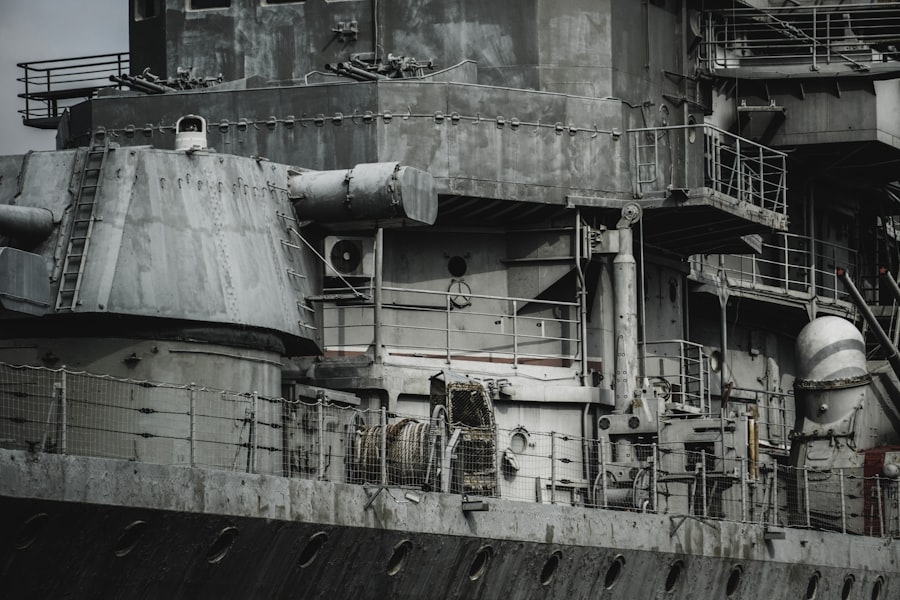
The documentary doesn’t shy away from the inherent dangers of submarine warfare, recounting instances of near-catastrophes and the constant psychological toll on those who served. The deep ocean is a formidable and unforgiving environment, and the actions of submarines, particularly during tense encounters, often brought them to the precipice of disaster.
Near Misses and Accidental Engagements
The film details several chilling near-misses and accidental encounters between Soviet and US submarines. These incidents, often occurring in the crowded waters of the Norwegian Sea or the North Atlantic, could have easily escalated into full-blown conflict.
The Echoes in the Dark: Sonar Engagements
Sonar operators were the sentinels of the deep, constantly listening for the telltale sounds of other submarines. The documentary illustrates the immense skill and tension involved in classifying contacts. A misidentification or a miscalculation in evasive maneuvers could have led to collision or attack.
The Shadow Play: Dodging and Weaving
Submarines would often engage in cat-and-mouse games, attempting to track and evade each other. These maneuvers, carried out at speed and depth, were incredibly risky. A single misstep could result in a collision or an accidental discharge of weapons, igniting a global crisis. The documentary describes these encounters as a deadly ballet, where a single wrong move meant disaster.
The claustrophobic existence: Life Below the Waves
The documentary provides stark insights into the daily lives of submariners. The confined spaces, constant threat of malfunction, and extended periods of isolation created a unique and challenging environment.
The Metal Womb: Day-to-Day Life
Life aboard a submarine is a world of recycled air, cramped bunks, and a constant hum of machinery. The documentary aims to convey the sensory experience of living in a metal tube, hundreds of feet beneath the surface, with no natural light and limited personal space. The psychological impact of this confinement is a recurring theme.
The Ever-Present Threat: Malfunction and Disaster
Beyond enemy action, submarines faced the constant threat of internal malfunction. A compromised hull, a power failure, or damage to life support systems could be catastrophic, especially in deep water. The documentary underscores that an accident at sea could be fatal for all onboard, with no hope of rescue.
The documentary on submarine warfare during the Cold War provides a fascinating insight into the strategic importance of underwater operations in shaping global conflicts. For those interested in exploring this topic further, a related article can be found on the website, which delves into the technological advancements and tactics employed by submarines during this tense period. You can read more about it in this informative piece here.
The Legacy of the Silent Fleet
| Metric | Value | Description |
|---|---|---|
| Documentary Title | Silent Hunters: Submarine Warfare in the Cold War | Name of the documentary focused on submarine warfare during the Cold War |
| Duration | 90 minutes | Total runtime of the documentary |
| Year Released | 2018 | Year the documentary was first released |
| Number of Submarine Models Featured | 12 | Different submarine classes and models discussed or shown |
| Cold War Period Covered | 1947-1991 | Years of Cold War submarine operations covered in the documentary |
| Number of Expert Interviews | 8 | Interviews with naval historians, veterans, and submarine experts |
| Key Topics | Stealth Technology, Nuclear Deterrence, Underwater Espionage | Main themes explored in the documentary |
| Archival Footage Used | Yes | Includes declassified footage from US and Soviet navies |
| Audience Rating (IMDb) | 7.8/10 | Viewer rating on IMDb platform |
| Languages Available | English, Russian, German | Languages in which the documentary is available |
The end of the Cold War did not signify the end of the submarine’s strategic importance. The documentary concludes by examining the enduring legacy of the silent fleet and its continued role in modern naval operations.
Evolving Threats and Modern Submarines
While the direct rivalry between the US and Soviet Union has ceased, the world remains a complex geopolitical landscape. Modern submarines are equipped with even more advanced stealth technology, longer-range missiles, and sophisticated sensor systems, adapting to new threats and strategic challenges.
From Deterrence to Power Projection
Today’s submarines are not just instruments of deterrence; they are vital for power projection, intelligence gathering in contested waters, and supporting amphibious operations. Their ability to operate undetected allows navies to maintain influence and respond to crises without overt displays of force.
The Unseen Guardians: Ongoing Missions
The documentary suggests that many of the clandestine operations that submarines perfected during the Cold War continue today, albeit with different adversaries and objectives. The silent fleet remains an essential component of national security for many nations.
The Unseen Watch: Maintaining Maritime Security
Submarines are crucial for maintaining maritime security, monitoring shipping lanes, and deterring piracy and illicit activities. Their presence, even if unseen, contributes to global stability.
Lessons Learned from the Cold War Depths
The lessons learned from decades of submarine warfare during the Cold War are invaluable. They inform naval strategy, technological development, and the understanding of the immense responsibilities that come with operating such powerful and potentially destructive assets. The documentary serves as a potent reminder of the precarious peace that was maintained and the sacrifices made by those who served in the silent fleet.

WATCH NOW ▶️ WARNING: The $17M Deal That Blinded The US Navy
FAQs
What was the role of submarines in Cold War warfare?
Submarines played a crucial role in Cold War warfare by serving as stealthy platforms for nuclear deterrence, intelligence gathering, and covert operations. Both the United States and the Soviet Union developed advanced submarine fleets to maintain strategic balance and ensure second-strike capabilities.
Which countries were the main participants in submarine warfare during the Cold War?
The primary participants in Cold War submarine warfare were the United States and the Soviet Union. Other NATO countries and Warsaw Pact members also operated submarines, but the US and USSR led the development and deployment of nuclear-powered and ballistic missile submarines.
What types of submarines were most significant in the Cold War?
The most significant types of submarines during the Cold War were nuclear-powered ballistic missile submarines (SSBNs), which carried nuclear missiles for deterrence, and nuclear-powered attack submarines (SSNs), which hunted enemy submarines and protected naval assets.
How did submarine technology evolve during the Cold War?
Submarine technology advanced rapidly during the Cold War, including improvements in nuclear propulsion, sonar systems, stealth capabilities, and missile technology. These advancements allowed submarines to operate more quietly, stay submerged longer, and deliver more accurate and powerful weapons.
Are there any notable incidents involving submarines during the Cold War?
Yes, several notable incidents occurred, such as the 1968 sinking of the Soviet submarine K-129, the 1981 collision between the Soviet submarine K-314 and the US submarine USS Augusta, and the 1986 loss of the Soviet submarine K-219. These events highlighted the dangers and tensions of underwater operations during the Cold War.