The vast, inky blackness of the Atlantic Ocean held its breath. Days had bled into nights, marked only by the subtle shifts in pressure and the ping of sonar. A silent ballet of technological prowess and human endurance was unfolding, a high-stakes underwater chase where the stakes were as immense as the ocean itself. One vessel, a predator of the deep, stalked its quarry, a nimble hunter itself, desperately seeking to evade capture. This was not a Hollywood script; it was a reality, a testament to the ongoing cat-and-mouse game played out in the silent, unforgiving depths. The ebb and flow of this pursuit were dictated by invisible waves, by the subtle distortions in sound, and by the keen intellect of those at the helm, all while the immense weight of the ocean pressed down, a constant reminder of the perilous environment.
The Silent Hunt Begins
The initial detection was a whisper on the hydrophones, a faint anomaly in the ocean’s ambient noise. A state-of-the-art sonar array, a symphony of transducers and signal processors, had picked up something anomalous, a signature that didn’t belong to the usual marine life or known maritime traffic. This wasn’t a casual encounter; it was the beginning of a deliberate pursuit, a calculated maneuver to intercept and identify. The commanding officer, a veteran of countless patrols, felt the familiar surge of adrenaline mixed with intense concentration. Every crew member in the sonar room, the control room, and the engine room understood the gravity of the situation. The ocean, usually a vast expanse of the unknown, had suddenly presented a tangible target, a ghost in the machine that needed to be brought to light.
Identifying the Target
The first few hours were dedicated to confirming the initial contact. Was it a genuine submarine, or a false echo, a trick of the water’s thermoclines? Sophisticated algorithms analyzed the faint acoustic data, cross-referencing it against a vast database of known vessel signatures. The passive sonar, listening intently to the ocean’s symphony, was supplemented by active sonar pings – brief, focused bursts of sound sent out to elicit a more definitive response. These pings, though seemingly innocuous, were a calculated risk, potentially revealing their own presence to the target. However, the necessity of identification outweighed the risk. Slowly, painstakingly, the data began to coalesce, painting a clearer picture of the elusive contact. It was confirmed: a submarine, moving with a deliberate and purposeful pace, a signature distinct from any civilian vessel.
The Art of Evasion and Pursuit
The moment of confirmation initiated a fundamental shift. The hunt was on. The pursuing submarine, a leviathan of advanced design, adjusted its course, its engines humming with quiet efficiency. The objective was not to engage directly, not yet. The initial phase was about maintaining contact, about understanding the target’s behavior, its speed, its depth, and its potential intentions. The pursued submarine, aware of its detection, would undoubtedly employ evasive tactics. This could involve sudden changes in depth, utilizing the ocean’s thermal layers to mask its acoustic signature, or even employing decoys designed to confuse the pursuing sonar. The crew of the pursuer had to anticipate these moves, to predict the enemy’s next breath in the silent world.
In the context of submarine pursuits in the Atlantic Ocean, a fascinating article that delves into the strategic implications of underwater warfare can be found on In The War Room. This piece explores the historical significance and modern advancements in submarine technology, shedding light on how these developments impact naval operations. For more insights, you can read the article here: In The War Room.
Navigating the Subsea Maze
The Atlantic Ocean is not a uniform entity. It is a complex, multi-layered environment, offering both sanctuary and peril. Temperature gradients, salinity variations, and the very contours of the ocean floor all play a crucial role in the propagation of sound, the lifeblood of submarine warfare. For the pursuer, understanding these environmental factors was paramount to maintaining a lock on their quarry. Every change in depth, every shift in water temperature, could distort the sonar picture, offering the pursued a fleeting opportunity to disappear. The chase became a delicate dance, a constant negotiation with the physics of sound and the caprice of the ocean.
The Influence of Oceanography
Thermal layers, known as thermoclines, act like invisible walls in the ocean, reflecting and refracting sonar signals. A submarine could exploit these layers, diving deep into a colder, denser layer to reduce its acoustic visibility to surface ships or even submarines operating at shallower depths. Conversely, a submarine operating in a warmer layer might find itself more easily detected by a pursuer lurking in the cooler depths below. Salinity also plays a role, with differences in salt content affecting the speed of sound. The pursuit team meticulously analyzed real-time oceanographic data, constantly adjusting their sonar parameters and tactical approach to compensate for these environmental variables.
Utilizing the Seafloor Topography
The ocean floor itself was another crucial element in the tactical landscape. Underwater mountains, canyons, and trenches could all be used to an advantage. A submarine could use a seamount to break up its acoustic signature, or hug the contours of a trench to disappear into the shadow of the earth’s crust. The pursuer had to have detailed bathymetric charts of the area, anticipating potential hiding places and using the terrain to their advantage. It was a three-dimensional chess game, played out in a realm where visibility was non-existent and communication was a closely guarded secret.
The Psychological and Technological Battlefield
Submarine pursuit is as much a battle of minds as it is a technological arms race. The crew of the pursued submarine, facing the constant threat of detection and potential engagement, would be under immense psychological pressure. Their training, their discipline, and their ability to remain calm under duress were as vital as the sophisticated systems onboard. Similarly, the pursuing crew had to maintain unwavering focus, enduring long hours of tension, relying on their training and their faith in their equipment. The psychological aspect of such a prolonged hunt was a significant factor, wearing down nerves and testing the limits of human endurance.
The Human Element of Endurance
The confined spaces of a submarine, the constant hum of machinery, and the absence of natural light could take a toll on even the most seasoned sailor. Sleep deprivation, the monotony of routine interspersed with moments of extreme tension, and the knowledge that their very survival depended on split-second decisions created a unique psychological environment. The crew of the pursuer, while operating in a similar environment, would also be experiencing their own brand of stress. The pressure to maintain contact, the fear of losing their quarry, and the responsibility of reporting their findings accurately all contributed to the mental strain.
The Race for Acoustic Superiority
The technological aspect of submarine warfare is a perpetual cycle of innovation and counter-innovation. The pursuer relied on cutting-edge sonar systems, passive and active, capable of detecting the faintest acoustic emanations. This included advanced signal processing, noise reduction techniques, and sophisticated acoustic modeling. The pursued, in turn, employed quieting technologies, advanced hull designs to minimize water flow noise, and a range of acoustic countermeasures designed to confuse or blind the pursuer’s sonar. This constant technological arms race meant that victory often went to the side with the most advanced, best-maintained, and most expertly operated systems.
The Unseen Dangers of the Deep
The pursuit was not just about avoiding detection or finding the enemy; it was also about surviving the inherent dangers of the deep ocean. The immense pressure, the risk of collision with uncharted obstacles, and the potential for equipment failure all posed constant threats. The unforgiving nature of the subsea environment meant that a single mistake, a momentary lapse in judgment, could have catastrophic consequences. The crews operated on the razor’s edge, their survival a testament to their skill, their preparation, and a healthy dose of luck.
The Crushing Embrace of Pressure
As a submarine descends, the external pressure increases exponentially. At depths of several hundred meters, the forces at play are immense, capable of crushing even the strongest steel. Submarines are designed with robust hulls capable of withstanding these pressures, but any compromise in their structural integrity could be fatal. The pursuit itself might force the submarines to operate at greater depths than usual, pushing the limits of their operational envelopes and increasing the risk of hull compromise.
Navigational Hazards and System Failures
The ocean floor is not a smooth, featureless plain. It is a landscape dotted with underwater mountains, submerged wrecks, and other unpredictable obstacles. Navigating these treacherous areas, especially when operating at high speeds or under extreme tension, requires constant vigilance and precise maneuvering. Furthermore, the complex systems onboard a submarine, from life support to propulsion, are subject to the same risks of failure as any other advanced machinery. A critical system failure in the unforgiving environment of the deep could quickly turn a high-stakes pursuit into a desperate fight for survival.
The ongoing developments in submarine pursuits in the Atlantic Ocean have sparked significant interest among military analysts and historians alike. A recent article explores the strategic implications of these underwater operations and their impact on naval warfare. For those looking to delve deeper into this topic, you can read more about it in this insightful piece here. Understanding the dynamics of submarine engagements is crucial as nations continue to enhance their underwater capabilities in this vital maritime region.
The Stakes of the Undersea Game
| Metric | Value | Unit | Description |
|---|---|---|---|
| Distance Covered | 120 | nautical miles | Distance traveled during the pursuit |
| Duration | 5 | hours | Total time of the submarine pursuit |
| Maximum Speed | 25 | knots | Top speed reached by the pursuing submarine |
| Depth Range | 50-300 | meters | Operational depth range during the pursuit |
| Detection Range | 15 | kilometers | Maximum sonar detection range |
| Number of Submarines Involved | 3 | units | Total submarines participating in the pursuit |
| Ocean Region | North Atlantic | – | Specific area of the Atlantic Ocean where pursuit occurred |
The implications of a successful pursuit were far-reaching. In peacetime, it could be about intelligence gathering, understanding the capabilities and intentions of potential adversaries, and maintaining a strategic deterrent. In a conflict, the stakes would be immeasurably higher, potentially involving the neutralization of a significant threat to naval assets or civilian shipping. The outcome of such a chase could influence the balance of power, the safety of sea lanes, and the course of geopolitical events. This silent, unseen struggle was a critical component of modern defense, a constant reminder that the battle for the seas extends far beyond the visible horizon.
Intelligence and Deterrence
Understanding the operational patterns, technological capabilities, and strategic intentions of other naval powers is crucial for maintaining global security. Submarine pursuits, even in peacetime, provide invaluable intelligence. Knowing where potential adversaries operate, what their submarines are capable of, and how they react to detection can inform strategic planning and diplomatic efforts. Furthermore, the mere knowledge that their submarines can be detected and tracked serves as a powerful deterrent, discouraging aggressive actions and promoting a more stable maritime environment.
The Ultimate Confrontation
Should a conflict arise, the ability to locate, track, and potentially engage an enemy submarine becomes paramount. A hostile submarine operating unchecked could pose a severe threat to naval fleets, commercial shipping, and vital undersea infrastructure. The success of a pursuit in such a scenario could mean the difference between victory and defeat, the preservation of trade routes, and the protection of national interests. The high-stakes underwater chase, though often invisible to the public, represents a critical and ever-present aspect of global security.
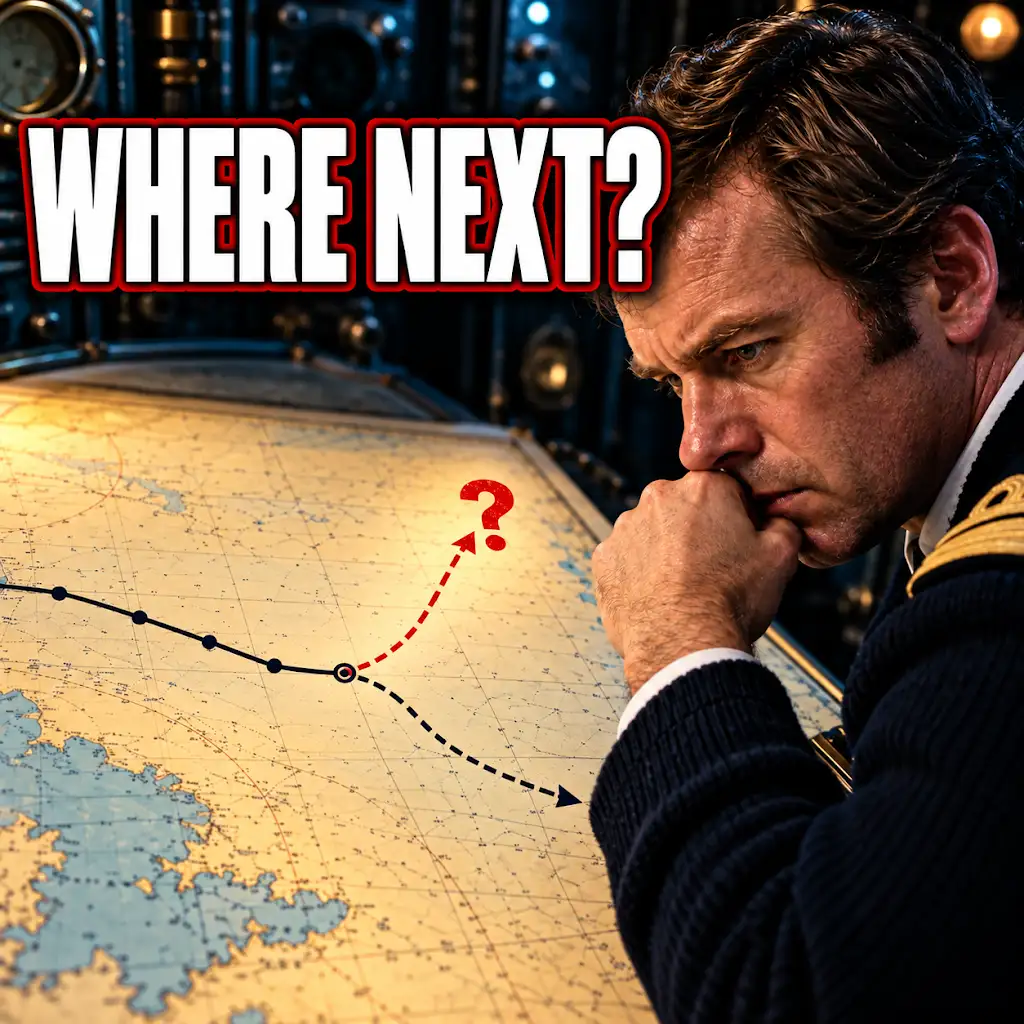
The Soviet Submarine Britain Lost—Then Found Again
FAQs
What is a submarine pursuit in the Atlantic Ocean?
A submarine pursuit in the Atlantic Ocean refers to the act of one submarine chasing another submarine in the vast waters of the Atlantic Ocean. This pursuit can involve various tactics and strategies to track, locate, and potentially engage the target submarine.
What are some reasons for a submarine pursuit in the Atlantic Ocean?
Submarine pursuits in the Atlantic Ocean can occur for a variety of reasons, including military exercises, training scenarios, intelligence gathering, surveillance operations, or in response to potential security threats posed by enemy submarines or hostile activities in the region.
How do submarines track and pursue each other in the Atlantic Ocean?
Submarines use advanced sonar systems, radar, communication technologies, and other sophisticated equipment to track and pursue each other in the Atlantic Ocean. They may also employ tactics such as silent running, evasion maneuvers, and decoy tactics to outmaneuver their opponents.
What challenges are faced during a submarine pursuit in the Atlantic Ocean?
Challenges during a submarine pursuit in the Atlantic Ocean include navigating the vast and often unpredictable ocean environment, maintaining stealth and avoiding detection, dealing with potential mechanical failures or malfunctions, and outsmarting the opponent’s tactics and countermeasures.
Are submarine pursuits in the Atlantic Ocean common?
Submarine pursuits in the Atlantic Ocean are relatively rare occurrences, typically reserved for military training exercises, strategic operations, or specific security situations. While submarines may track each other for training purposes, actual pursuits involving the active chasing of enemy submarines are less common but can be crucial in maintaining maritime security and defense.