Submarine oxygen management presents significant challenges during extended underwater operations. Submarines operate as sealed environments where atmospheric exchange with surface air is not possible while submerged. The crew’s respiratory processes continuously consume oxygen while producing carbon dioxide, creating a progressive reduction in breathable air quality within the vessel’s confined atmosphere.
The enclosed nature of submarine compartments intensifies oxygen depletion concerns, as natural ventilation systems cannot function underwater. Effective air management systems are essential for maintaining crew safety during prolonged submersion periods. These systems must account for oxygen consumption rates, carbon dioxide removal, and atmospheric monitoring to prevent dangerous air quality deterioration.
Oxygen shortage situations also generate psychological stress among crew members. Awareness of declining air quality can produce anxiety responses that may affect cognitive function and crew coordination. These psychological factors can influence operational effectiveness and emergency response capabilities.
Comprehensive submarine air management protocols must therefore address both the technical requirements of atmospheric control and the human performance factors that emerge during oxygen-limited conditions.
Key Takeaways
- High carbon dioxide levels in submarines pose serious risks to crew health and oxygen availability.
- Continuous monitoring and advanced technologies are essential for maintaining safe atmospheric conditions underwater.
- Effective management and prevention strategies help avoid oxygen crises during extended submarine missions.
- Training submarine crews on carbon dioxide control is critical for operational safety and emergency response.
- Ongoing innovation and expert collaboration are key to improving submarine atmosphere control and crew wellbeing.
The Role of Carbon Dioxide in Submarine Environments
Carbon dioxide plays a dual role in submarine environments, serving both as a byproduct of respiration and as a potential hazard when levels rise excessively. As crew members exhale, carbon dioxide accumulates in the confined space of the submarine, leading to an increase in partial pressure that can have detrimental effects on human health. Elevated carbon dioxide levels can cause symptoms ranging from mild discomfort to severe physiological responses, including headaches, dizziness, and impaired cognitive function.
Understanding this gas’s role is crucial for maintaining a safe and healthy atmosphere within submarines. Moreover, the presence of carbon dioxide in submarines is not merely a nuisance; it poses significant risks to operational effectiveness. High concentrations can lead to a phenomenon known as hypercapnia, where excessive carbon dioxide in the bloodstream disrupts normal respiratory function.
This condition can impair a crew member’s ability to think clearly and respond effectively to emergencies. Therefore, managing carbon dioxide levels is essential not only for crew safety but also for maintaining operational readiness during missions.
Monitoring Carbon Dioxide Levels in Submarines

Effective monitoring of carbon dioxide levels is vital for ensuring the safety and well-being of submarine crews. Advanced sensors and monitoring systems are employed to provide real-time data on atmospheric conditions within the vessel. These systems continuously measure carbon dioxide concentrations, allowing crew members to take proactive measures before levels reach dangerous thresholds.
Regular monitoring helps identify trends in air quality, enabling timely interventions that can prevent crises from escalating. In addition to technological solutions, crew training plays a crucial role in monitoring efforts. Submarine personnel must be adept at interpreting data from monitoring systems and understanding the implications of rising carbon dioxide levels.
This knowledge empowers them to make informed decisions regarding ventilation and air purification strategies. By fostering a culture of vigilance and awareness, submarines can enhance their ability to manage atmospheric conditions effectively.
Effects of High Carbon Dioxide Levels on Submarine Crews
The effects of high carbon dioxide levels on submarine crews can be profound and multifaceted. Physiologically, elevated carbon dioxide concentrations can lead to respiratory acidosis, where the blood becomes more acidic due to increased carbon dioxide levels. This condition can result in symptoms such as shortness of breath, confusion, and even loss of consciousness in extreme cases.
The impact on crew health is not limited to physical symptoms; cognitive functions can also be severely impaired, affecting decision-making abilities and overall situational awareness. Psychologically, high carbon dioxide levels can induce feelings of anxiety and panic among crew members. The confined space of a submarine amplifies these feelings, as individuals may feel trapped with no immediate escape route.
This heightened state of stress can lead to interpersonal conflicts and decreased morale among the crew, further complicating an already challenging environment. Understanding these effects is crucial for developing effective strategies to mitigate risks associated with high carbon dioxide levels.
Managing Carbon Dioxide Levels in Submarines
| Parameter | Normal Range | Critical Level | Effect on Crew | Mitigation Measures |
|---|---|---|---|---|
| Oxygen (O₂) Concentration | 19.5% – 23.5% | Below 19.5% | Hypoxia, impaired cognitive function, unconsciousness | Oxygen generation systems, compressed oxygen tanks |
| Carbon Dioxide (CO₂) Concentration | 400 ppm – 5000 ppm | Above 5000 ppm | Headache, dizziness, shortness of breath, unconsciousness | CO₂ scrubbers, chemical absorbents, ventilation systems |
| Air Circulation Rate | 6-12 air changes per hour | Below 6 air changes per hour | Increased CO₂ buildup, oxygen depletion | Mechanical ventilation, air circulation fans |
| Duration of Safe Air Supply | Varies by submarine size and crew | Less than 24 hours without resupply | Risk of oxygen depletion and CO₂ toxicity | Emergency air tanks, surface ventilation, rescue protocols |
Managing carbon dioxide levels in submarines requires a multifaceted approach that combines technology, training, and operational protocols. One effective strategy involves implementing advanced air purification systems that can remove carbon dioxide from the atmosphere while replenishing oxygen levels. These systems utilize chemical processes or physical filtration methods to ensure that air quality remains within safe parameters throughout missions.
In addition to technological solutions, operational protocols must be established to guide crew behavior during extended underwater operations. Regular ventilation practices should be integrated into daily routines, allowing for the exchange of stale air with fresh air when possible. Crew members should also be trained to recognize early signs of rising carbon dioxide levels and respond appropriately by adjusting ventilation systems or implementing emergency procedures if necessary.
Technologies for Controlling Carbon Dioxide in Submarine Atmospheres
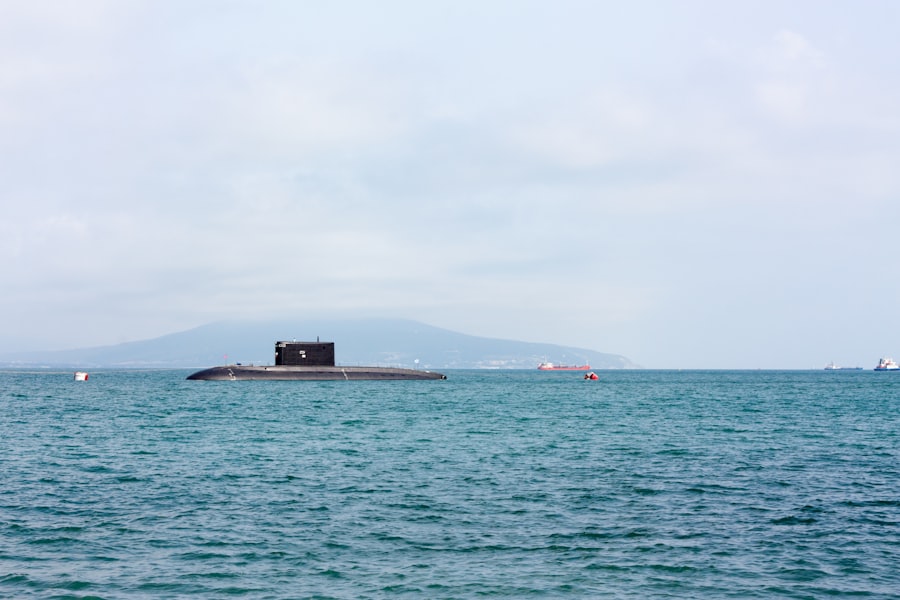
The development of technologies for controlling carbon dioxide levels in submarine atmospheres has advanced significantly over the years. One notable innovation is the use of chemical scrubbers that absorb carbon dioxide from the air. These scrubbers utilize materials that chemically bind with carbon dioxide molecules, effectively reducing their concentration in the atmosphere.
Such technologies are essential for maintaining breathable air during long missions when natural ventilation is not an option. Another promising technology involves the use of advanced sensors that provide real-time monitoring of atmospheric conditions. These sensors can detect changes in carbon dioxide levels with high precision, alerting crew members to potential issues before they escalate into crises.
Integrating these technologies into submarine operations enhances situational awareness and allows for timely interventions that can safeguard crew health and operational effectiveness.
Best Practices for Preventing Submarine Oxygen Crisis
Preventing a submarine oxygen crisis requires adherence to best practices that prioritize air quality management throughout missions.
Routine checks and calibrations help identify potential issues before they compromise air quality, allowing crews to address problems proactively.
Additionally, establishing clear communication protocols among crew members regarding air quality is essential. Crew members should be encouraged to report any concerns about atmospheric conditions promptly. This open line of communication fosters a culture of vigilance and accountability, ensuring that everyone remains aware of their role in maintaining safe air quality within the submarine.
Training and Education for Submarine Crews on Carbon Dioxide Management
Training and education play a pivotal role in equipping submarine crews with the knowledge and skills necessary for effective carbon dioxide management. Comprehensive training programs should cover topics such as the physiological effects of elevated carbon dioxide levels, proper use of monitoring equipment, and emergency response procedures. By providing crew members with a thorough understanding of these concepts, submarines can enhance their overall preparedness for potential crises.
Moreover, ongoing education is crucial for keeping crews informed about advancements in technology and best practices related to air quality management. Regular refresher courses can help reinforce knowledge and ensure that all personnel remain up-to-date on current protocols and procedures. This commitment to continuous learning fosters a culture of safety and resilience within submarine operations.
Collaboration with Experts in Submarine Atmosphere Control
Collaboration with experts in submarine atmosphere control is essential for developing effective strategies to manage carbon dioxide levels. Engaging with scientists, engineers, and researchers who specialize in atmospheric science can provide valuable insights into emerging technologies and methodologies for improving air quality within submarines. These collaborations can lead to innovative solutions that enhance crew safety and operational efficiency.
Furthermore, partnerships with academic institutions and research organizations can facilitate knowledge exchange and foster a culture of innovation within submarine operations. By leveraging external expertise, submarines can stay at the forefront of advancements in atmosphere control technologies and practices, ultimately improving their ability to manage carbon dioxide levels effectively.
Future Innovations in Submarine Oxygen Crisis Management
The future of submarine oxygen crisis management holds great promise as advancements in technology continue to evolve. Researchers are exploring novel approaches to air purification that leverage biomimicry—drawing inspiration from natural processes to develop more efficient systems for managing atmospheric conditions. For instance, bioengineered organisms capable of metabolizing carbon dioxide could potentially be integrated into submarine environments to enhance air quality sustainably.
Additionally, artificial intelligence (AI) is poised to play a significant role in future innovations related to atmosphere control. AI algorithms could analyze real-time data from monitoring systems to predict trends in air quality and recommend proactive measures for maintaining safe conditions. By harnessing the power of AI, submarines could enhance their ability to respond dynamically to changing atmospheric conditions.
The Importance of Addressing Carbon Dioxide Levels in Submarine Operations
Addressing carbon dioxide levels in submarine operations is paramount for ensuring crew safety and mission success. The consequences of neglecting this critical aspect can be dire, leading to health complications or even loss of life during extended underwater missions. By prioritizing effective management strategies and fostering a culture of awareness among crew members, submarines can mitigate risks associated with elevated carbon dioxide levels.
Ultimately, maintaining safe atmospheric conditions within submarines is not just a technical challenge; it is a fundamental aspect of operational readiness and crew welfare. As submarines continue to play vital roles in national defense and exploration, addressing carbon dioxide levels will remain an essential focus for ensuring safe and successful missions in the depths of the ocean.
The ongoing crisis regarding oxygen and carbon dioxide levels in submarines has raised significant concerns about the safety and sustainability of underwater missions. For a deeper understanding of the implications of this issue, you can read a related article that discusses the challenges faced by submarines in maintaining breathable air. Check it out here: In the War Room.
WATCH THIS 🛑 The Submarine Captain Who Said NO to Nuclear War
FAQs
What causes an oxygen and carbon dioxide crisis in a submarine?
An oxygen and carbon dioxide crisis in a submarine typically occurs when the balance of breathable air is disrupted. This can happen due to insufficient oxygen supply, failure of air purification systems, or excessive carbon dioxide buildup from crew respiration.
How is oxygen supplied and maintained in a submarine?
Submarines maintain oxygen levels through compressed oxygen tanks, electrolysis of water to produce oxygen, and air purification systems that remove carbon dioxide and other contaminants. These systems work together to ensure a safe breathing environment.
What are the dangers of high carbon dioxide levels inside a submarine?
Elevated carbon dioxide levels can cause headaches, dizziness, shortness of breath, impaired cognitive function, and in severe cases, unconsciousness or death. Maintaining low CO2 levels is critical for crew health and operational safety.
How do submarines remove carbon dioxide from the air?
Submarines use chemical scrubbers containing substances like lithium hydroxide or regenerative systems that absorb carbon dioxide from the air, converting it into less harmful compounds to maintain air quality.
What emergency measures are taken during an oxygen or carbon dioxide crisis on a submarine?
Emergency measures include activating backup oxygen supplies, increasing ventilation if possible, using portable scrubbers, and in extreme cases, surfacing the submarine to access fresh air.
How often are submarine air quality systems checked and maintained?
Air quality systems on submarines are regularly monitored and maintained according to strict schedules, often daily or weekly, to ensure continuous safe operation during missions.
Can crew members detect an oxygen or carbon dioxide crisis without instruments?
While crew members may notice symptoms like difficulty breathing or headaches, reliable detection requires specialized instruments that continuously monitor oxygen and carbon dioxide levels.
What technological advancements help prevent oxygen and carbon dioxide crises in modern submarines?
Modern submarines use advanced sensors, automated air quality control systems, improved scrubber materials, and redundant oxygen generation methods to prevent crises and ensure crew safety.