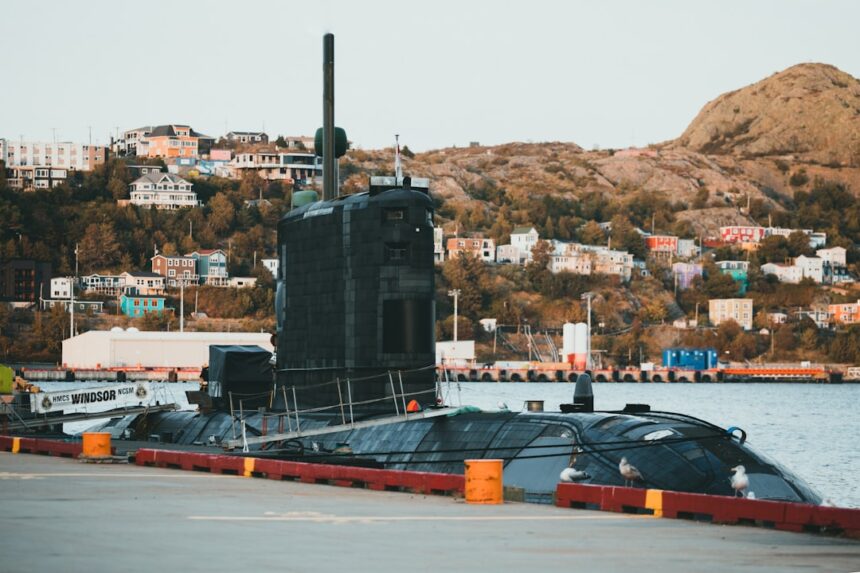
Submarine Intelligence, Surveillance, and Reconnaissance (ISR) represents a critical component of modern military strategy. As nations increasingly recognize the importance of maritime domains, the role of submarines in gathering intelligence and conducting surveillance has become paramount. These stealthy vessels operate beneath the ocean’s surface, providing a unique vantage point for monitoring enemy activities, gathering vital information, and ensuring national security.
The ability to remain undetected while collecting data makes submarines an invaluable asset in the realm of ISR. The significance of submarine ISR extends beyond mere reconnaissance; it encompasses a wide array of operations that can influence geopolitical dynamics. With the rise of asymmetric warfare and the proliferation of advanced technologies, the need for effective underwater surveillance has never been more pressing.
Submarines equipped with sophisticated ISR capabilities can provide real-time intelligence that informs strategic decision-making, enhances situational awareness, and ultimately contributes to the safety and security of nations.
Key Takeaways
- Submarine ISR plays a critical role in national security by providing covert underwater surveillance capabilities.
- Technological advancements, especially in communication systems, have significantly enhanced the effectiveness of submarine ISR.
- Underwater surveillance faces unique challenges such as signal transmission difficulties and environmental factors.
- International collaboration is essential for advancing submarine ISR and addressing ethical and legal concerns.
- The future of submarine ISR promises greater integration with maritime operations and increased strategic importance globally.
The History of Underwater Surveillance
The history of underwater surveillance can be traced back to the early 20th century when submarines first emerged as formidable naval vessels. Initially designed for combat, these underwater crafts quickly evolved to include reconnaissance capabilities during World War I and World War
As the Cold War unfolded, the importance of submarine ISR grew exponentially. Both the United States and the Soviet Union invested heavily in developing advanced submarine fleets equipped with cutting-edge surveillance technologies. The race for underwater dominance led to innovations such as passive sonar systems, which enabled submarines to listen for sounds emitted by other vessels without revealing their own location.
The Role of Submarine ISR in National Security
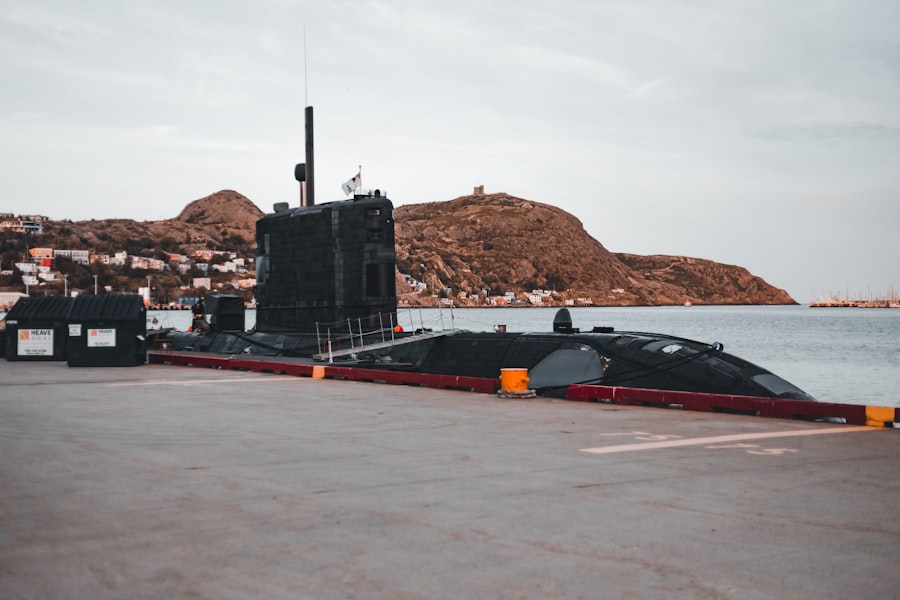
Submarine ISR plays a pivotal role in national security by providing critical intelligence that informs military strategies and operational planning. The ability to monitor maritime activities discreetly allows nations to detect potential threats before they escalate into conflicts. Submarines can gather information on enemy movements, assess naval capabilities, and even track missile launches, all while remaining hidden beneath the waves.
This capability is particularly vital in regions where tensions are high and adversaries are constantly seeking to gain an upper hand. Moreover, submarine ISR contributes to deterrence strategies by enhancing a nation’s ability to respond to threats swiftly and effectively. The presence of submarines equipped with advanced surveillance systems can act as a powerful deterrent against potential aggressors.
By demonstrating the capability to monitor and respond to hostile actions, nations can maintain stability in volatile regions and protect their interests on the global stage. In this way, submarine ISR not only serves as a tool for intelligence gathering but also as a means of ensuring peace through strength.
The Technology Behind Submarine ISR
The technology underpinning submarine ISR has advanced significantly over the years, driven by innovations in sensors, data processing, and communication systems.
These tools enable submarines to detect and classify various underwater objects, from enemy submarines to underwater mines, providing commanders with crucial situational awareness.
In addition to traditional sensors, advancements in artificial intelligence (AI) and machine learning have revolutionized data analysis in submarine ISR. These technologies allow for the rapid processing of vast amounts of information collected during surveillance missions. By leveraging AI algorithms, submarines can identify patterns and anomalies in data that may indicate potential threats or areas of interest.
This capability enhances decision-making processes and enables naval forces to respond more effectively to emerging challenges.
Advancements in Underwater Communication Systems
| Metric | Description | Typical Values | Relevance |
|---|---|---|---|
| Detection Range | Maximum distance at which a submarine can detect targets or signals | 10-50 nautical miles (varies by sensor type) | Critical for early threat identification and situational awareness |
| Sensor Types | Types of sensors used for intelligence, surveillance, and reconnaissance | Sonar (active/passive), Electronic Support Measures (ESM), Magnetic Anomaly Detector (MAD) | Determines the capability to detect and classify targets |
| Data Transmission Rate | Speed at which collected intelligence data is transmitted to command | Up to several Mbps via satellite or underwater communication systems | Impacts timeliness of intelligence dissemination |
| Endurance | Duration a submarine can remain on surveillance mission without resupply | 30-90 days depending on submarine class and mission profile | Determines operational reach and persistence |
| Stealth Level | Measure of acoustic and electromagnetic signature reduction | Low noise signature (<100 dB re 1 μPa at 1m) | Essential for covert intelligence gathering |
| Communication Methods | Techniques used to communicate while submerged | Very Low Frequency (VLF), Extremely Low Frequency (ELF), Buoy-based satellite links | Enables secure and reliable data exchange |
| Target Classification Accuracy | Ability to correctly identify and classify detected objects | 85-95% accuracy with advanced signal processing | Improves decision-making and reduces false alarms |
Effective communication is essential for successful submarine ISR operations, yet transmitting data from beneath the ocean’s surface presents unique challenges. Traditional radio waves do not travel well underwater, necessitating the development of specialized communication systems. Recent advancements in underwater communication technologies have focused on improving data transfer rates and reliability while maintaining operational security.
One notable innovation is the use of acoustic communication systems that transmit information through sound waves. These systems allow submarines to communicate with surface vessels or other submarines while remaining submerged. Additionally, researchers are exploring optical communication methods that utilize light signals for faster data transmission over short distances.
As these technologies continue to evolve, they promise to enhance the effectiveness of submarine ISR by enabling real-time sharing of critical intelligence among naval forces.
The Challenges of Underwater Surveillance

Despite its many advantages, submarine ISR faces several challenges that can hinder its effectiveness. One significant obstacle is the inherent difficulty of operating in a complex underwater environment. Factors such as ocean currents, temperature variations, and background noise can complicate data collection and analysis.
Submarines must navigate these challenges while maintaining stealth to avoid detection by adversaries. Another challenge lies in the integration of diverse sensor systems and data sources. Modern submarines often employ multiple sensors that generate vast amounts of data simultaneously.
Effectively synthesizing this information into actionable intelligence requires advanced analytical capabilities and robust data management systems. As technology continues to advance, addressing these challenges will be crucial for maximizing the potential of submarine ISR in future operations.
The Future of Submarine ISR
The future of submarine ISR is poised for transformation as emerging technologies reshape military operations. One area of focus is the integration of unmanned underwater vehicles (UUVs) into submarine missions. These autonomous systems can be deployed from submarines to conduct reconnaissance missions in areas that may be too risky for manned vessels.
By leveraging UUVs equipped with advanced sensors, navies can expand their surveillance capabilities while minimizing risk to personnel. Additionally, advancements in quantum technology hold promise for enhancing underwater surveillance capabilities. Quantum sensors could potentially revolutionize sonar technology by providing unprecedented sensitivity and accuracy in detecting underwater objects.
As research in this field progresses, it may lead to breakthroughs that significantly improve submarine ISR effectiveness and operational reach.
The Impact of Submarine ISR on Maritime Operations
Submarine ISR has a profound impact on maritime operations by shaping naval strategies and influencing decision-making processes at various levels. The intelligence gathered through submarine surveillance informs fleet movements, resource allocation, and engagement strategies during conflicts or crises. By providing commanders with real-time situational awareness, submarine ISR enhances operational effectiveness and reduces risks associated with maritime engagements.
Furthermore, submarine ISR contributes to joint operations among allied forces by facilitating information sharing and collaboration. In an increasingly interconnected world, navies must work together to address common threats such as piracy, smuggling, and territorial disputes. Submarines equipped with advanced ISR capabilities can serve as vital assets in multinational operations, enhancing collective security efforts and fostering stronger partnerships among nations.
International Collaboration in Submarine ISR
International collaboration plays a crucial role in enhancing submarine ISR capabilities across nations. As maritime threats become more complex and transnational in nature, sharing intelligence and resources among allies is essential for effective responses. Collaborative efforts can take various forms, including joint exercises, information-sharing agreements, and technological partnerships aimed at advancing underwater surveillance capabilities.
One notable example is the establishment of multinational task forces focused on maritime security operations. These task forces often include submarines from different countries working together to monitor specific regions or address emerging threats. By pooling resources and expertise, nations can enhance their collective ability to conduct effective submarine ISR while fostering trust and cooperation among allies.
Ethical and Legal Considerations in Underwater Surveillance
As submarine ISR capabilities continue to evolve, ethical and legal considerations surrounding underwater surveillance become increasingly important. The use of advanced technologies raises questions about privacy rights, sovereignty issues, and the potential for misuse of collected data. Nations must navigate these complexities while balancing national security interests with respect for international laws and norms.
Moreover, transparency in submarine operations is essential for maintaining trust among nations. Establishing clear guidelines for underwater surveillance activities can help mitigate tensions and prevent misunderstandings between countries. Engaging in dialogue about ethical considerations related to submarine ISR can foster cooperation and promote responsible practices in an era where technological advancements are rapidly changing the landscape of military operations.
The Importance of Submarine ISR in the Modern World
In conclusion, submarine ISR stands as a cornerstone of modern military strategy, offering nations unparalleled capabilities for intelligence gathering and surveillance beneath the ocean’s surface. Its historical evolution reflects the growing recognition of the importance of maritime domains in national security. As technology continues to advance, submarine ISR will play an increasingly vital role in shaping naval operations and addressing emerging threats.
The future promises exciting developments in submarine ISR capabilities through innovations such as unmanned systems and quantum technology. However, challenges remain that require ongoing attention from military leaders and policymakers alike. By fostering international collaboration and addressing ethical considerations surrounding underwater surveillance, nations can harness the full potential of submarine ISR while ensuring responsible practices in an ever-changing global landscape.
Ultimately, the importance of submarine ISR cannot be overstated; it is essential for safeguarding national interests and maintaining stability in an increasingly interconnected world.
Submarine intelligence surveillance reconnaissance (ISR) plays a crucial role in modern naval operations, providing vital information for strategic decision-making. For a deeper understanding of the implications and advancements in this field, you can read a related article on the topic at In the War Room. This resource offers insights into the latest technologies and methodologies employed in submarine ISR, highlighting its importance in maintaining maritime security.
FAQs
What is submarine intelligence surveillance reconnaissance (ISR)?
Submarine intelligence surveillance reconnaissance (ISR) refers to the use of submarines to gather intelligence, conduct surveillance, and perform reconnaissance missions. These operations involve monitoring enemy movements, collecting electronic signals, and gathering other critical information while remaining undetected underwater.
What types of submarines are used for ISR missions?
Both nuclear-powered and diesel-electric submarines can be used for ISR missions. Specially equipped attack submarines (SSNs) and intelligence-gathering submarines (AGIs) are often deployed for these tasks due to their advanced sensors and stealth capabilities.
What kind of intelligence do submarines collect during ISR operations?
Submarines collect various types of intelligence, including electronic signals intelligence (SIGINT), communications intelligence (COMINT), radar emissions, sonar data, and photographic reconnaissance. They may also monitor naval movements and gather information on undersea infrastructure.
How do submarines remain undetected during ISR missions?
Submarines use stealth technology, such as sound-absorbing coatings and quiet propulsion systems, to minimize noise and avoid detection by enemy sonar. They operate at depths and speeds that reduce their acoustic signature, allowing them to conduct ISR missions covertly.
What are the advantages of using submarines for ISR compared to other platforms?
Submarines offer unique advantages including stealth, the ability to operate underwater for extended periods, and access to denied or contested areas. This allows them to gather intelligence without alerting adversaries, unlike surface ships or aircraft which are more easily detected.
What challenges do submarines face during ISR operations?
Challenges include the need for advanced technology to detect and interpret signals, the risk of detection by enemy anti-submarine warfare (ASW) forces, limited communication capabilities while submerged, and the physical and psychological demands on the crew during extended missions.
How is the intelligence gathered by submarines used?
Intelligence collected by submarines supports military decision-making, strategic planning, and operational tactics. It can provide early warning of enemy movements, help track submarines and surface vessels, and contribute to electronic warfare and cyber operations.
Are there international laws governing submarine ISR activities?
Yes, submarine ISR activities are subject to international maritime law, including the United Nations Convention on the Law of the Sea (UNCLOS). Submarines must respect territorial waters and exclusive economic zones, although intelligence gathering often occurs in international waters where legal boundaries are less clear.
How has submarine ISR technology evolved over time?
Submarine ISR technology has advanced significantly with improvements in sonar systems, electronic surveillance equipment, unmanned underwater vehicles (UUVs), and data processing capabilities. Modern submarines can collect and analyze vast amounts of data in real-time, enhancing their ISR effectiveness.
Can submarines conduct ISR missions in peacetime?
Yes, submarines often conduct ISR missions during peacetime to monitor potential adversaries, gather intelligence on naval developments, and maintain situational awareness. These operations help maintain strategic advantages and inform defense planning.